

Queensland Wineries & Wine Tours
Sub-regions
Coastal Influences and Varietal Versatility
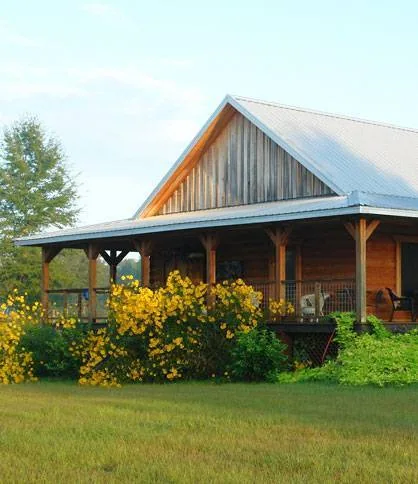
While the Granite Belt holds pride of place, Queensland’s winemaking canvas extends to surprising coastal pockets. In these areas, the Pacific breezes and a more humid climate present different challenges and opportunities. Here, pioneering winemakers experiment with heat-tolerant varieties, often looking to Mediterranean and Iberian grapes to find their voice. These microclimates contribute to a fascinating diversity, yielding aromatic whites and lighter-bodied reds perfectly suited to the sun-drenched lifestyle and abundant seafood. It's an exploration of adaptability, where each vineyard site whispers its own story of land, sea, and sky.
Mountain Terroir, Unique Expressions
Venture inland from the glittering coast, and the Great Dividing Range reveals its viticultural heart: the Granite Belt. Here, at elevations that bring respite from the Queensland heat, vineyards thrive on ancient, decomposed granite soils. These unique conditions, coupled with crisp, cold winters and warm, dry summers, create a distinctive . Expect vibrant, mineral-driven whites – , , and – with a refreshing acidity. The reds, particularly and , are often elegant and fruit-forward, reflecting the intense sunlight and the long, slow ripening times that develop nuanced flavours and smooth tannins, quite distinct from their southern counterparts.
Fresh Flavours, Local Pairings
Queensland’s culinary scene is a vibrant tapestry woven from its abundant produce and cultural melting pot, creating a magnificent backdrop for its wines. Imagine sun-ripened tropical fruits, succulent seafood fresh from the ocean, and farm-fresh ingredients from fertile hinterlands. Local cafes and restaurants embrace this bounty, crafting dishes that celebrate regional flavours. Pair a crisp Queensland with pan-seared local barramundi, or a robust with slow-cooked beef from the surrounding pastures. The laid-back atmosphere encourages long, leisurely meals, where the food and wine elevate each other, embodying the state’s relaxed yet sophisticated charm.

Getting to know Queensland
What Queensland tastes like
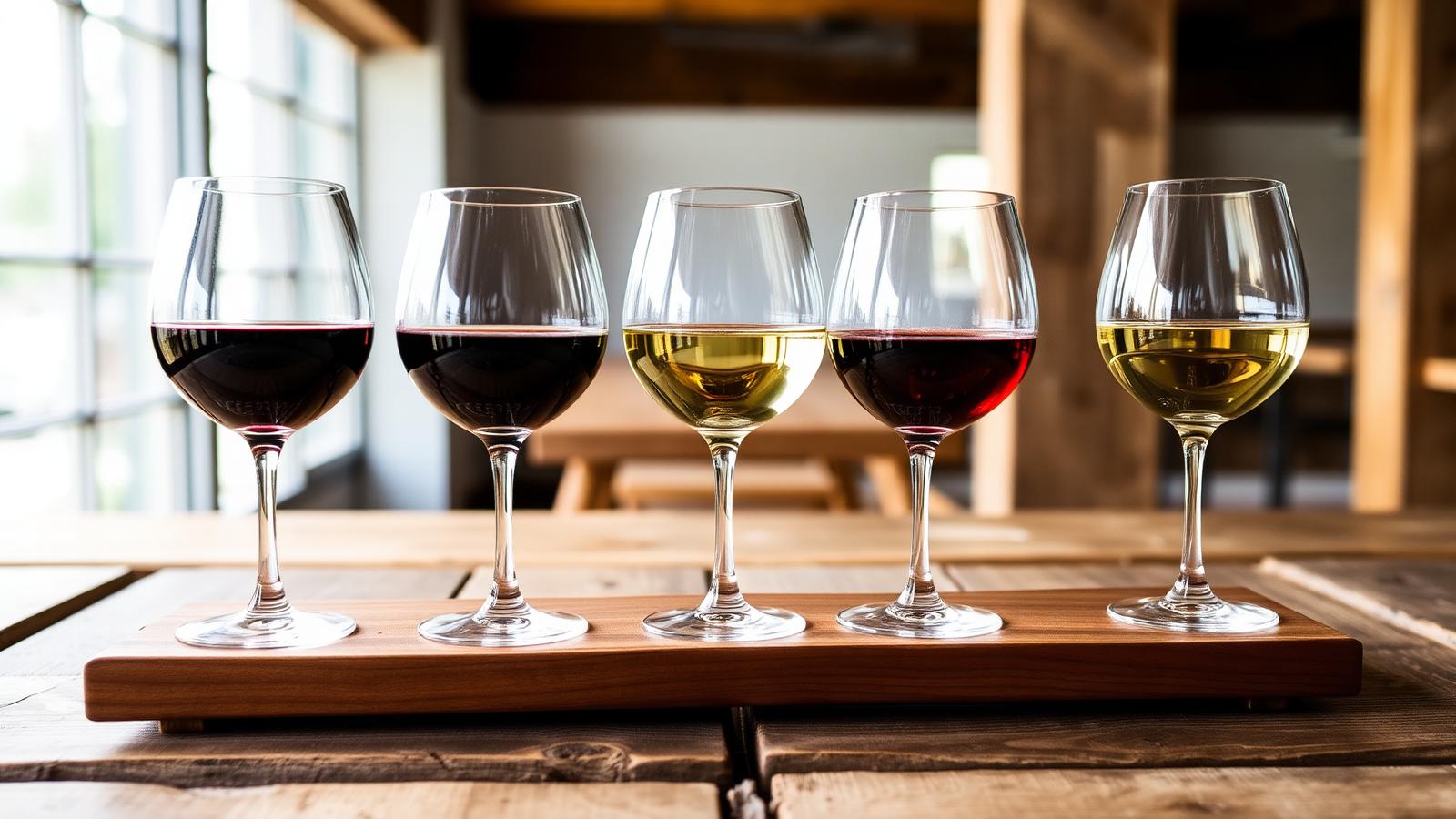
Wines from Queensland tend to reflect the region's climate and terrain more than any single style. Look for a sense of place in the glass — mineral notes from stony soils, freshness where nights are cool, richer texture where the sun lingers longer. A short flight of local wines is the fastest way to feel the range.
Rhythms of the year
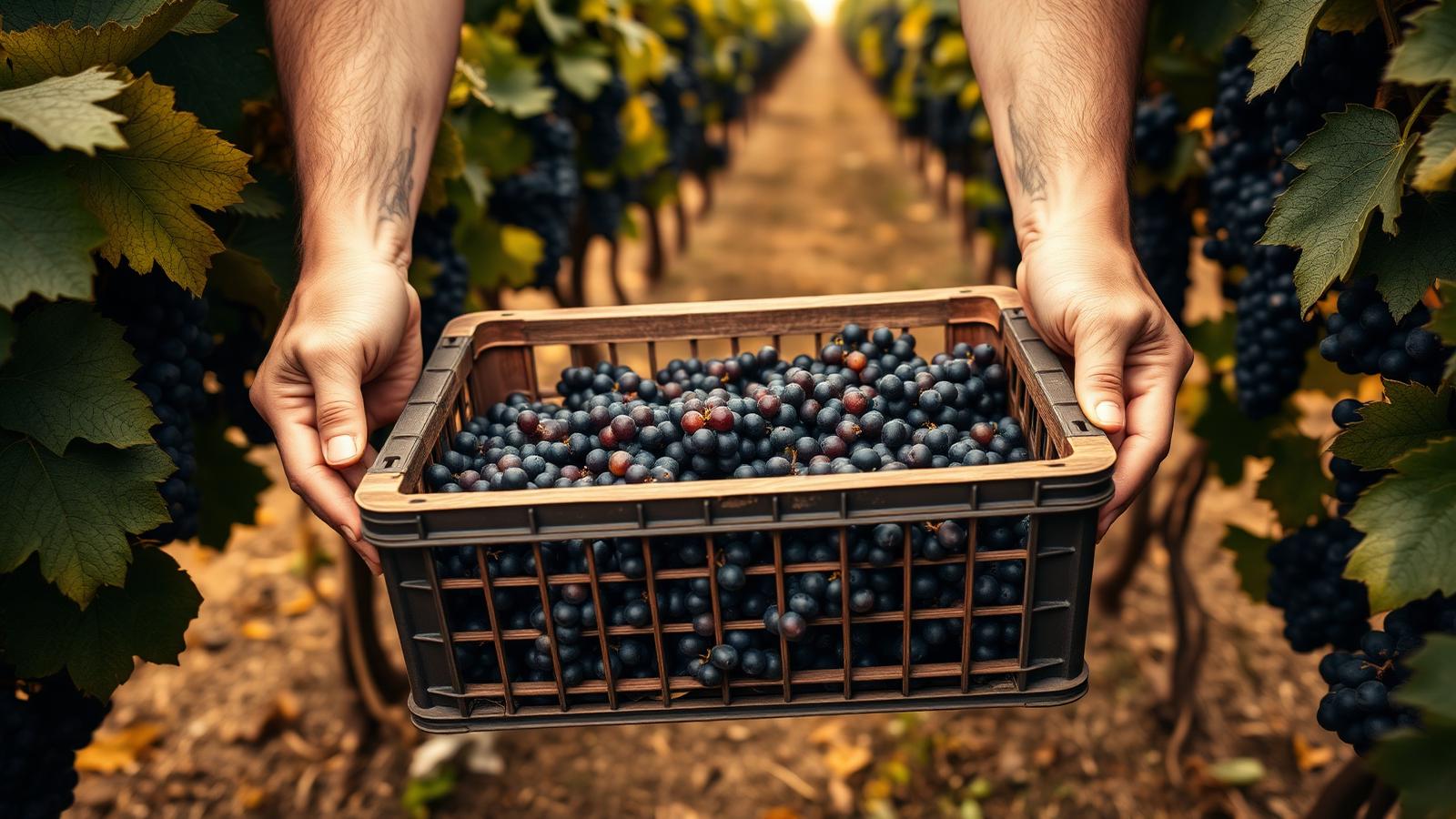
Queensland moves with the seasons. Spring is quiet and green, summer brings long light and full terraces, harvest is intense and communal, and winter turns the vineyards into a stark, beautiful sculpture. Every season is a good reason to come — they just make very different trips.
Beyond the tasting room
Some of the most memorable moments in Queensland happen away from the vines: a bakery in the next village over, a viewpoint at sunrise, a slow lunch that turns into a slow afternoon. Leave room in your itinerary for the things you can't plan.
Frequently asked questions
When is the best time of year to visit Queensland for a wine trip?
The ideal time to explore Queensland's wine regions, especially the Granite Belt, is during the cooler months from autumn through spring (March to November). Harvest generally takes place in late summer to early autumn, so visiting around March or April allows you to experience the exciting activity of vintage. The mild temperatures are perfect for vineyard strolls, outdoor dining, and enjoying the scenic drives without the intense summer heat. Winter offers crisp, clear days and cosy evenings, perfect for enjoying experiences and hearty meals by a fireplace.
How should I plan my itinerary to best experience the wine regions?
For a focused wine experience, dedicate at least two to three full days to the primary wine region, the Granite Belt. Allow ample time for scenic drives between vineyard locations, as roads can wind through picturesque countryside. Consider staying in one of the charming regional towns to immerse yourself in the local atmosphere. Booking tastings in advance, especially on weekends, is highly recommended. Beyond the vineyards, explore local produce markets, art galleries, and national parks to enrich your trip and discover the broader appeal of the region.
What kind of transportation is best for navigating Queensland's wine trails?
Renting a car is highly recommended for exploring Queensland's wine regions. This provides the flexibility to visit various vineyards at your own pace and discover charming towns and scenic viewpoints off the main routes. Ensure you have a designated driver if you plan on tasting. Alternatively, several local tour operators offer guided excursions to the wine regions, providing transportation and curated itineraries, which can be a convenient option allowing everyone in your party to enjoy the tastings without concern for driving responsibilities.
Are there accommodation options within the wine regions themselves?
Yes, Queensland's wine regions offer a range of delightful accommodation choices that complement the wine experience. You'll find charming guesthouses, boutique bed and breakfasts nestled among the vines, self-contained cottages, and even some lodges with their own restaurants serving local produce. Staying within the region allows for a more immersive visit, with easy access to cellar doors and the chance to enjoy serene vineyard sunrises or starlit evenings. Booking in advance, particularly during peak seasons or for weekend stays, is advisable to secure your preferred option.