

Wineries & Wine Tours in Canada
Regions
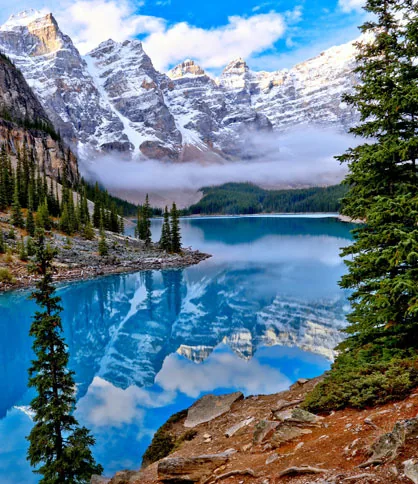
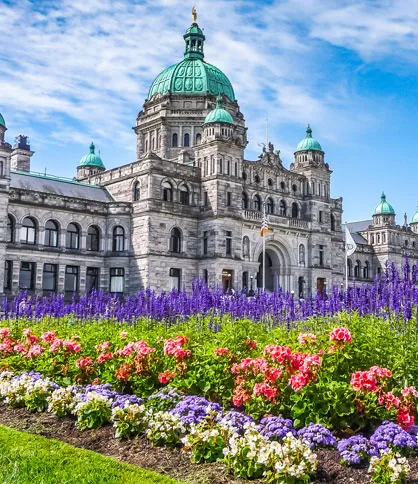
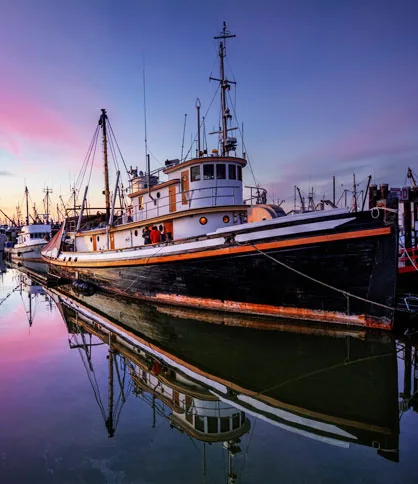

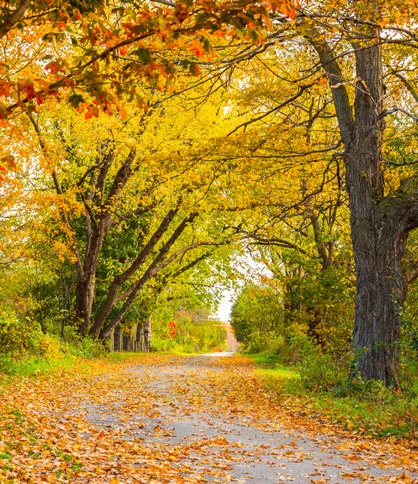
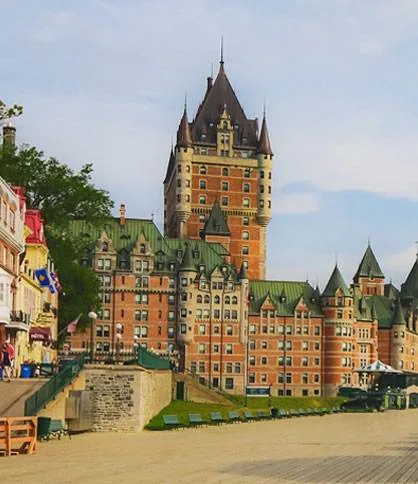
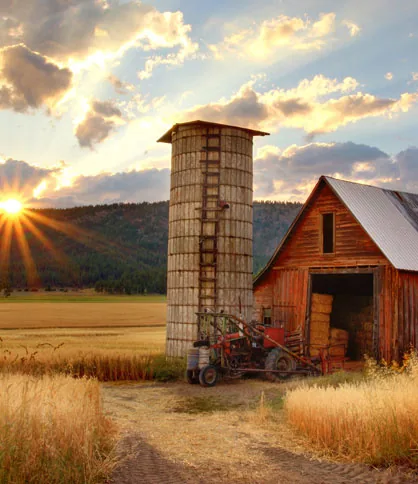
Wine travel in Canada
Wine in Canada is less a product than a way of reading the landscape. Every valley, hillside, and coastline tells its story through the glass — the soil it grew from, the weather that shaped the year, and the generations of hands that decided when to pick, how to press, and how long to wait.
Travelling Canada with wine as your compass changes how you experience the country. You start noticing the way the light falls on the slopes in the late afternoon, the small changes in cuisine from one district to the next, and the quiet pride communities take in their local grape. A wine trip here is really an invitation to slow down and pay attention.
Whether you're drawn by old-world estates, high-altitude vineyards, or coastal wine country you've never heard of, Canada rewards travellers who are curious enough to explore beyond the headlines. The regions on this page are a good place to begin — each one has its own rhythm, its own signature wines, and its own reasons to stay a day longer than you planned.
What makes a trip here special
A landscape shaped by the vine
Vineyards in Canada follow the geography — rivers, ridgelines, coastlines, and altitude all leave their fingerprints on the wine. Driving between regions is often as memorable as the tastings themselves.
Food that grew up next to the wine
The best pairings for Canada's wines are almost always the dishes that grew up alongside them. Local markets, family-run restaurants, and roadside stops turn a wine trip into a full sensory tour of the country.
A calendar worth planning around
Harvest, pruning, spring flowering, and long lazy summers each give Canada's wine regions a completely different mood. Choosing when you visit is almost as important as choosing where.
Frequently asked questions
When is the best time to visit Canada for wine?
Late spring through early autumn is generally the sweet spot — the vines are lush, the weather is kind, and many regions in Canada host tastings, festivals, and open-cellar events. Harvest (typically late summer into autumn) is the most atmospheric time, but also the busiest, so book ahead.
Do I need to speak the local language to enjoy a wine trip in Canada?
Not usually. In the main wine regions of Canada you'll find English widely spoken at hospitality venues, and a few polite phrases in the local language go a long way. Off the beaten track, a translation app makes conversations with growers and small producers much richer.
Is it better to drive myself or join a guided tour in Canada?
Both work. Self-driving gives you freedom to wander and stop wherever a view catches your eye, but tastings and driving don't mix — plan a designated driver or short routes. Guided tours remove the logistics entirely and often include access to smaller estates that don't take walk-ins.
How much wine country can I realistically see in a week?
Two, maybe three regions comfortably. Wine travel rewards depth over distance — spending a few nights in one area lets you taste across styles, meet the same people twice, and eat where locals eat. Racing between regions usually means you remember the road more than the wine.