

Saskatchewan Wineries & Wine Tours
A Symphony of Flavors
Saskatchewan's wine scene is a testament to inventive spirit, producing a captivating spectrum of flavors. Alongside increasingly successful cold-hardy grape varieties such as Frontenac and Marquette, the region excels in crafting world-class fruit wines. Saskatoon berries, sour cherries, rhubarb, and even strawberries are transformed into complex, aromatic elixirs. These wines range from dry and food-friendly to lusciously sweet dessert styles, often characterized by vibrant fruit intensity, balanced acidity, and a refreshing purity that speaks of the unadulterated flavors of the land. They are perfect companions to the region's hearty, farm-to-table cuisine, reflecting the local bounty in every glass.
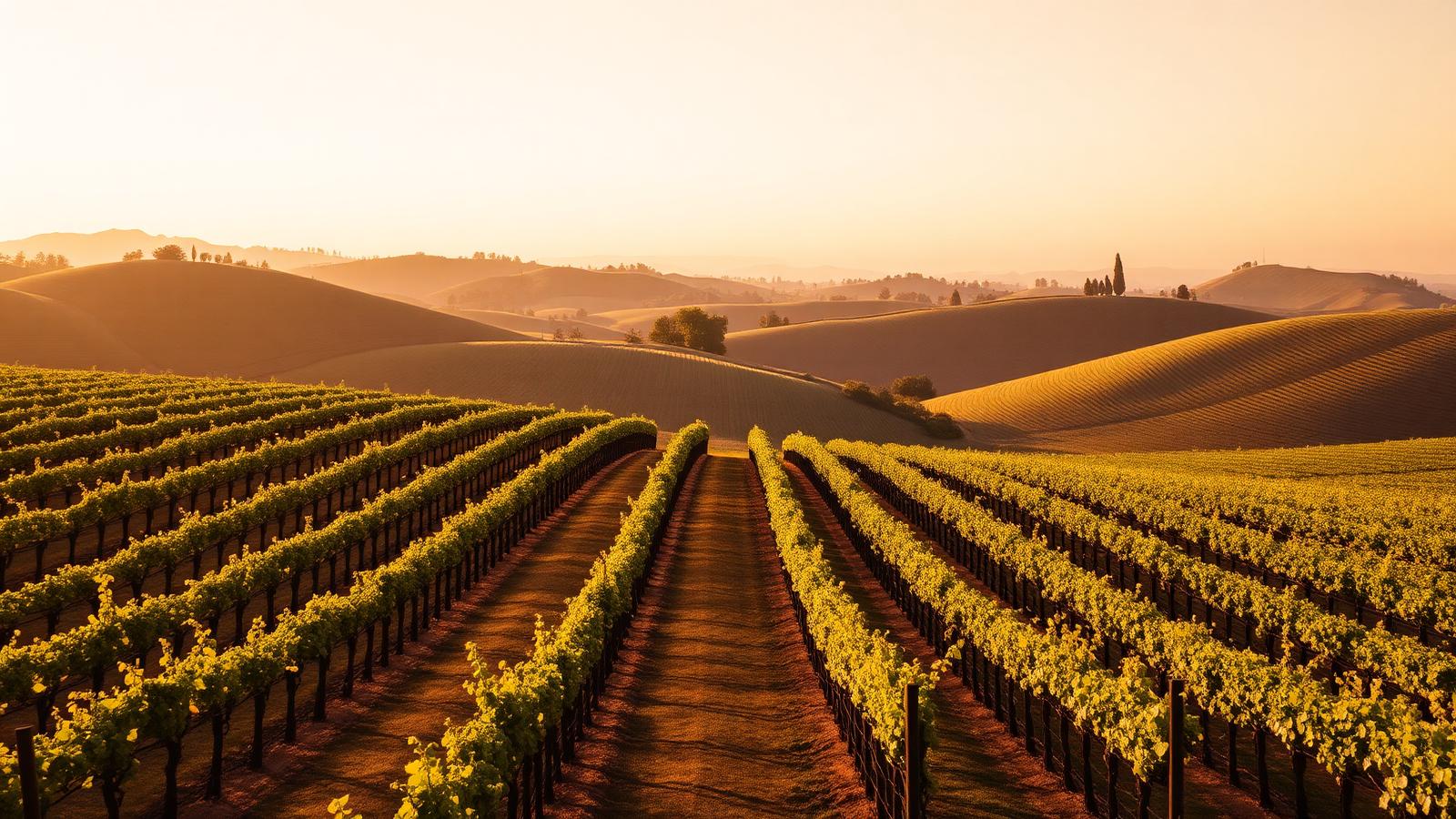
The Prairie Terroir
The heart of Saskatchewan's winemaking lies in its distinctive , forged by glacial history and continental extremes. Here, rich, fertile soils, often clay-loam, provide a nourishing bed for a surprising array of fruit. The long, intense daylight hours of summer, characteristic of these northern latitudes, contribute to a unique ripening profile, building vibrant acidity and fresh fruit characteristics in the grapes and berries. While traditional Vitis vinifera vines face significant challenges, hybrid grapes and a celebrated tradition of fruit wines thrive, expressing the very essence of the prairie landscape in each bottle. The occasional late frost and brisk autumn air further sharpen the wines' profiles, making them wonderfully expressive of their rugged origins.
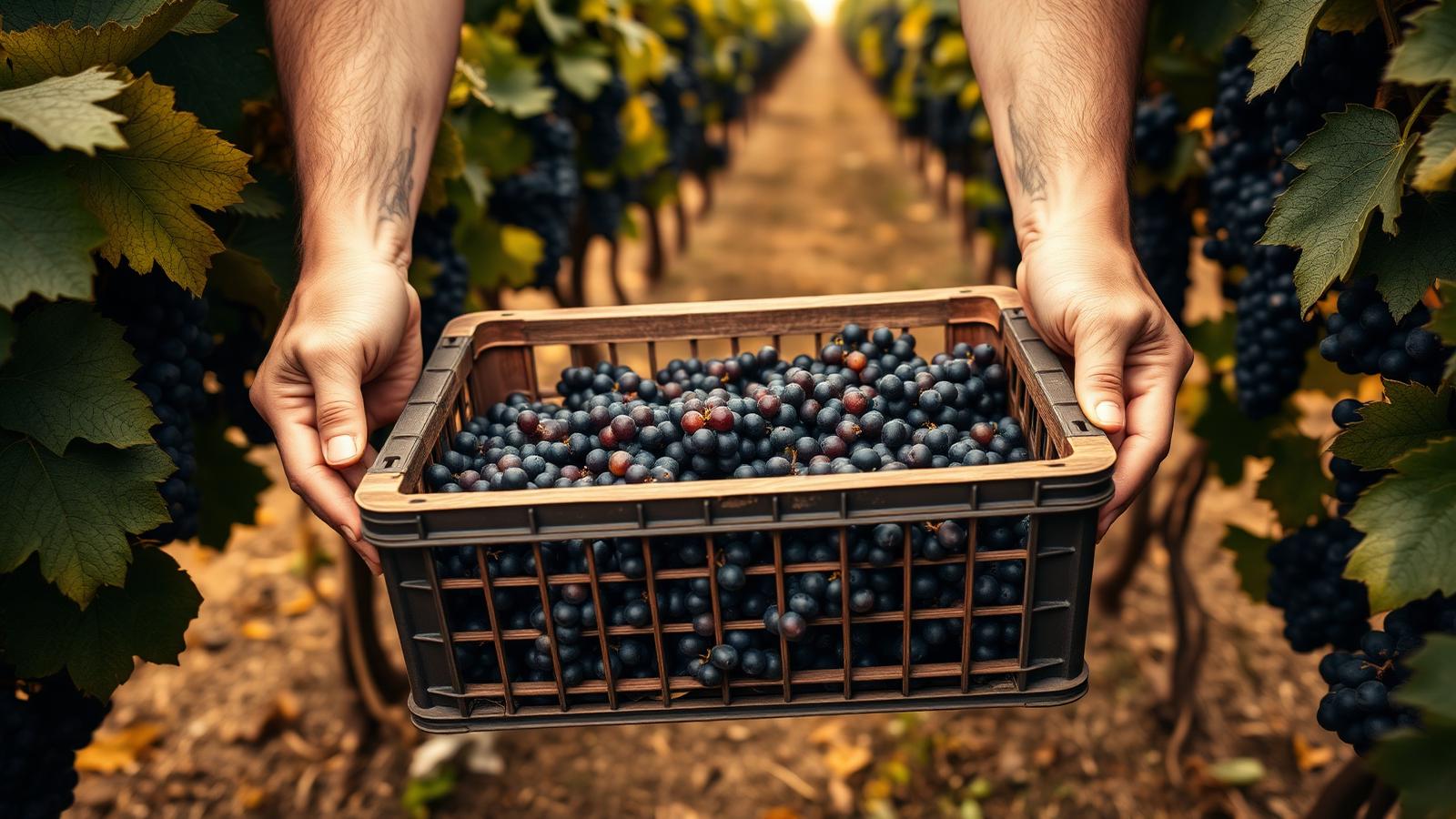
Seasonal Rhythms and Gastronomy
Life in Saskatchewan flows with the seasons, and so too does its culinary and wine experience. Summers burst with the freshness of garden produce and the sweetness of wild berries, perfectly paired with chilled crisp fruit wines or a bright, aromatic white. Autumn brings the harvest, inspiring rich, comforting dishes and deeper-hued wines. The local gastronomy emphasizes fresh, often wild-foraged ingredients, hearty grains, and expertly raised meats. Imagine a long, leisurely lunch on a sun-dappled patio, savoring bison or walleye accompanied by a wine that echoes the very flavors of the prairie around you – a truly authentic taste of Saskatchewan's generous spirit and culinary heritage.
Getting to know Saskatchewan
What Saskatchewan tastes like
Wines from Saskatchewan tend to reflect the region's climate and terrain more than any single style. Look for a sense of place in the glass — mineral notes from stony soils, freshness where nights are cool, richer texture where the sun lingers longer. A short flight of local wines is the fastest way to feel the range.
Rhythms of the year
Saskatchewan moves with the seasons. Spring is quiet and green, summer brings long light and full terraces, harvest is intense and communal, and winter turns the vineyards into a stark, beautiful sculpture. Every season is a good reason to come — they just make very different trips.
Beyond the tasting room
Some of the most memorable moments in Saskatchewan happen away from the vines: a bakery in the next village over, a viewpoint at sunrise, a slow lunch that turns into a slow afternoon. Leave room in your itinerary for the things you can't plan.
Frequently asked questions
What is the best time of year to visit Saskatchewan for a wine-focused trip?
The ideal time to explore Saskatchewan's wine offerings is generally from late spring through early autumn, specifically June to September. During these months, the weather is most pleasant, orchards are in full bloom or nearing harvest, and tasting rooms are fully operational. July and August offer long, sunny days perfect for leisurely drives and outdoor enjoyment, while early September brings the crisp air of harvest. Visiting outside this window might mean limited hours or closures at some operations, as the focus shifts to production and preparation for the colder months.
What kind of wines should I expect to taste in Saskatchewan?
Saskatchewan is renowned for its diverse and high-quality fruit wines, utilizing an abundance of local berries and fruits like saskatoons, sour cherries, and rhubarb. Beyond these delightful offerings, you'll also discover an increasing number of nuanced grape wines made from cold-hardy hybrid varieties. Expect crisp, aromatic whites, lighter-bodied reds with vibrant fruit, and exquisite dessert wines. The common thread is often a refreshing acidity, expressive fruit characteristics, and a purity of flavor that reflects the region's unique growing conditions. Don't be shy about exploring the ; they are often the true stars here.
Is it possible to visit multiple places in a day, or should I plan for a more relaxed pace?
Saskatchewan's wine region is more spread out than some traditional wine valleys, requiring a bit of driving between locations. It’s best to plan for a relaxed pace, allowing ample time to enjoy the scenic routes and avoid rushing. While you might be able to visit two or three places in a day depending on their proximity, it's often more rewarding to dedicate a good portion of the day to one or two operations, savoring the experience, perhaps enjoying a picnic, and truly connecting with the local producers. Consider dividing your exploration into regional clusters to minimize travel time.
What are some practical tips for enjoying the local cuisine alongside the wines?
Embrace the farm-to-table ethos here! Many local restaurants and eateries pride themselves on using fresh, regional ingredients. Look for dishes featuring bison, prairie-raised beef, walleye, and, of course, the ubiquitous saskatoon berry in both sweet and savory forms. Most local operations will have recommendations for food pairings, especially for their fruit wines. Don't hesitate to ask about local specialties and how they complement the wines you're tasting. Picnicking with local cheeses, charcuterie, and fresh produce from a farmer's market, paired with a bottle purchased directly from a producer, is a wonderful way to experience the region.