

Tasmania Wineries & Wine Tours
Sub-regions
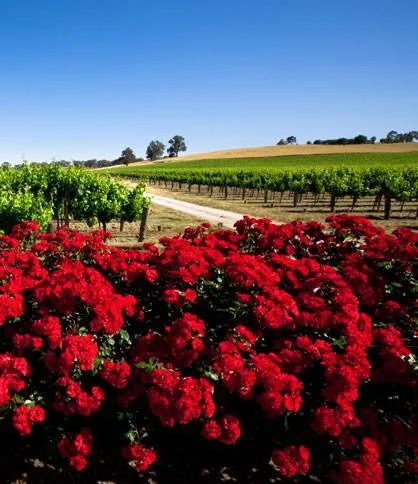
Coastal Charms and Culinary Delights
Beyond the vineyards, Tasmania’s landscape unfolds with breathtaking beauty, from rugged coastlines to serene river valleys. Villages often boast charming stone buildings and a relaxed pace, inviting visitors to unwind. The island's culinary scene is a vibrant celebration of its pristine environment: freshly shucked oysters, succulent abalone, and famous Atlantic salmon are staples. Artisan cheeses, truffles, and a bounty of seasonal produce complete the picture, providing perfect pairings for the local wines. Dining here is an immersive experience, rooted in local flavors and the island's tranquil, unspoiled character.
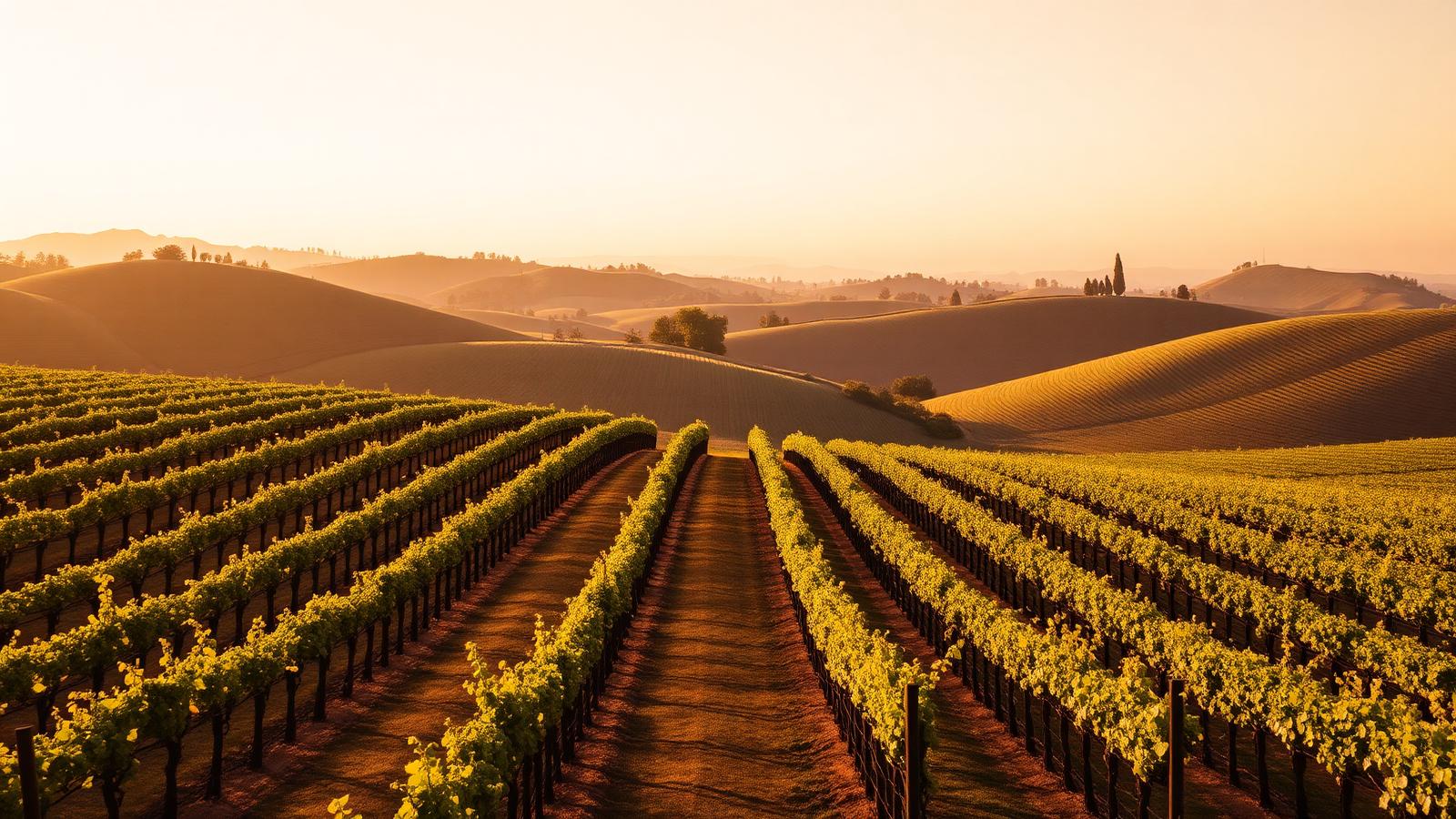
Signature Styles and Grapes
reigns supreme here, its delicate yet complex fruit a testament to the island's . Tasmanian Pinot Noir is renowned for its vibrant red fruit, earthy undertones, and silken tannins, often displaying a captivating aromatic perfume. Sparkling wines, crafted in the traditional method, are another triumph, their fine bubbles and bright acidity echoing the island’s cool climate vibrancy. too finds a natural home, producing wines of elegance, structure, and nuanced complexity. These signature styles offer a true reflection of Tasmania’s unique viticultural identity, marked by balance and an inherent freshness.
Cool Climate Elegance
Tasmania’s cool, maritime climate is its defining characteristic, setting it apart from much of Australia. Long, gentle growing seasons, marked by moderate summer temperatures and significant diurnal shifts, allow grapes to mature slowly, developing intricate flavors while retaining refreshing acidity. This unique environment fosters an exceptional purity and intensity in the wines. Cloud-dappled skies and regular sea breezes temper the sun's warmth, crafting an environment where grapes express their true character with remarkable focus and finesse. It's a land where patience is rewarded in the glass, with wines reflecting the island's crisp, clean air.
Getting to know Tasmania
What Tasmania tastes like
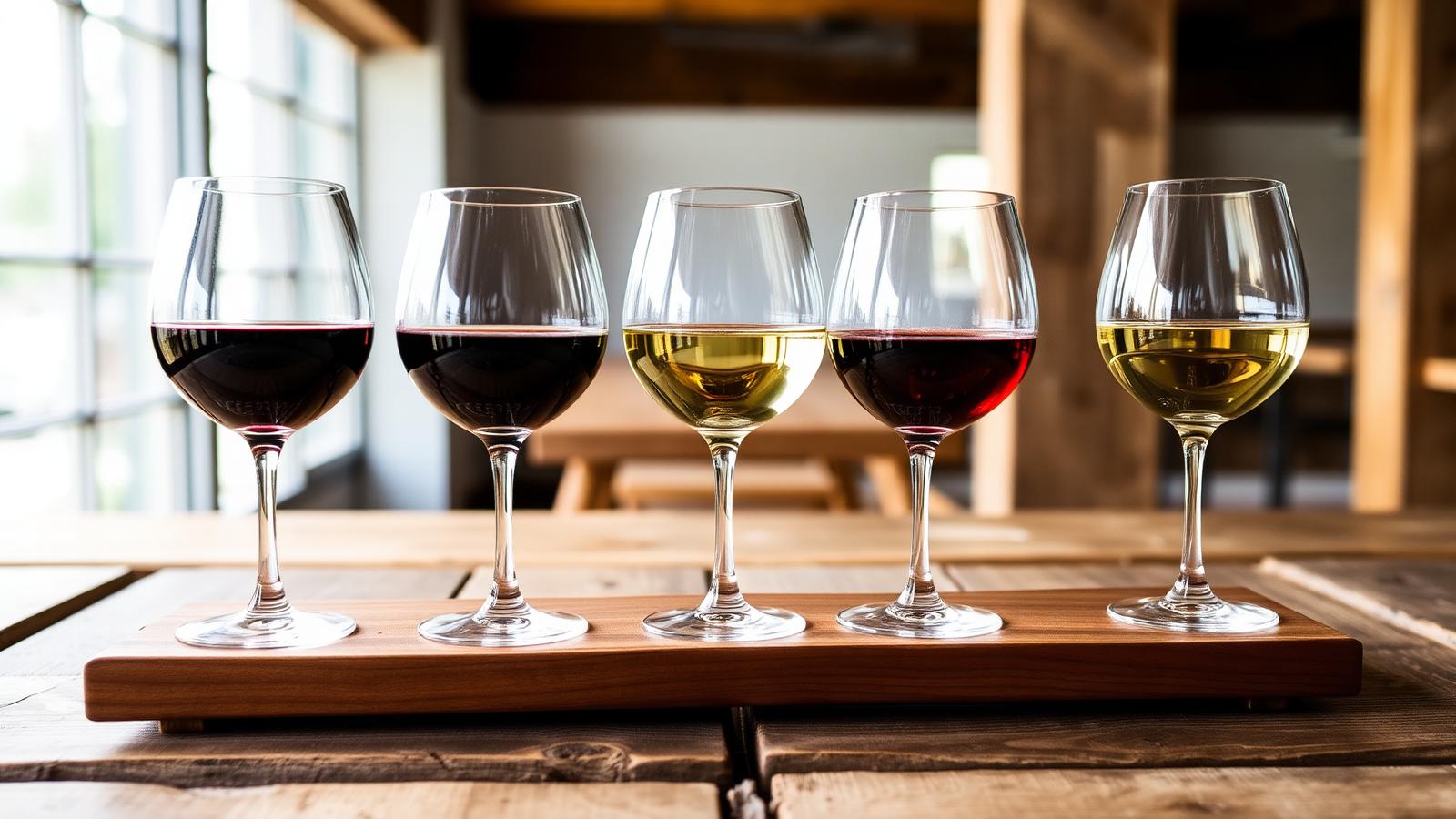
Wines from Tasmania tend to reflect the region's climate and terrain more than any single style. Look for a sense of place in the glass — mineral notes from stony soils, freshness where nights are cool, richer texture where the sun lingers longer. A short flight of local wines is the fastest way to feel the range.
Rhythms of the year
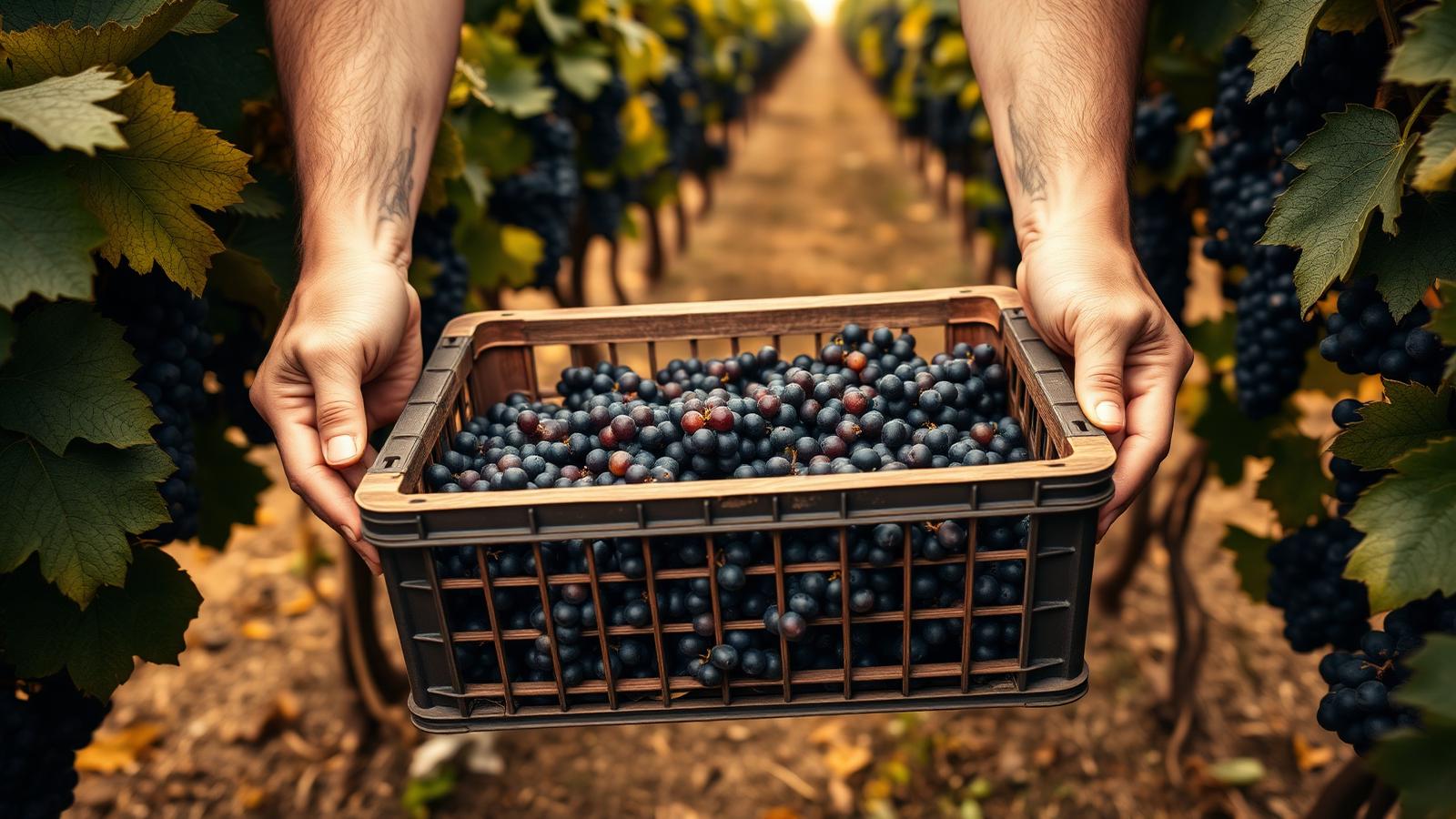
Tasmania moves with the seasons. Spring is quiet and green, summer brings long light and full terraces, harvest is intense and communal, and winter turns the vineyards into a stark, beautiful sculpture. Every season is a good reason to come — they just make very different trips.
Beyond the tasting room
Some of the most memorable moments in Tasmania happen away from the vines: a bakery in the next village over, a viewpoint at sunrise, a slow lunch that turns into a slow afternoon. Leave room in your itinerary for the things you can't plan.
Frequently asked questions
When is the best time to visit Tasmania for a wine tour?
The ideal time to explore Tasmania's wine regions is during late spring (November-December) or autumn (March-April). In spring, the vineyards are vibrant green, and the weather is pleasantly mild, perfect for touring. Autumn offers captivating fall foliage, the excitement of harvest activities, and comfortable temperatures. Summer (January-February) can be lovely, though it’s peak tourist season, meaning accommodations might require earlier booking. Winter (June-August) is quieter, offering cozy experiences, though some smaller establishments might have reduced hours.
What kind of transportation should I plan for wine touring around Tasmania?
Renting a car is highly recommended for exploring Tasmania's wine regions. Public transport options are limited outside major towns, and a car offers the flexibility to visit various vineyards at your own pace, enjoy scenic drives, and discover hidden culinary gems. Alternatively, there are several local tour operators offering guided wine tours, which can be a convenient option if you prefer not to drive. Ensure you plan for a designated driver if you choose self-driving and wish to fully sample the wines.
Are most wine experiences in Tasmania suitable for walk-ins, or should I book ahead?
While many cellar doors in Tasmania welcome walk-ins, especially during off-peak times, it is always a good idea to book ahead, particularly for tastings, lunches, or if you plan to visit on weekends or public holidays. This is especially true for smaller, family-run establishments that might have limited capacity or specific opening hours. Booking ensures a personalized experience and prevents disappointment, allowing the hosts to prepare for your arrival and offer their full attention.
What local foods should I look to pair with Tasmanian wines?
Tasmanian wines, particularly and sparkling, are incredibly versatile with local cuisine. For its elegant Pinot Noir, seek out local duck, wild mushroom dishes, or artisanal cheeses that reflect the island's rich dairy. The crisp, vibrant sparkling wines are a spectacular match for Tasmania's world-renowned fresh seafood – think local oysters, Atlantic salmon, or crayfish. , with its structure and depth, pairs beautifully with roasted poultry, richer seafood preparations, or even truffle-infused dishes, celebrating the island's gourmet produce. Don't miss the chance to try them together.