

Western Australia Wineries & Wine Tours
Sub-regions
Coastal Elegance
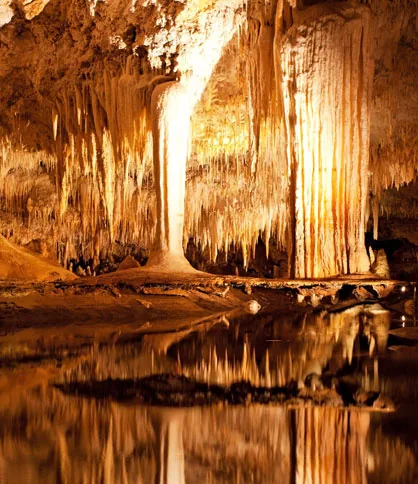
The maritime influence defines much of Western Australia's premium wine country. Cool, clean airs sweep in from the Indian Ocean, moderating the warm sunlight and extending the ripening season. This gentle caress allows varietals like and to develop remarkable complexity and elegance. Imagine vineyards kissed by the ocean spray, their fruit slowly gathering character under clear skies, producing wines known for their balance, vibrant acidity, and refined structure. These coastal breezes impart a distinctive freshness, a mineral whisper, that sets these wines apart, making them a true expression of their unique coastal .
Distinctive Grape Expressions
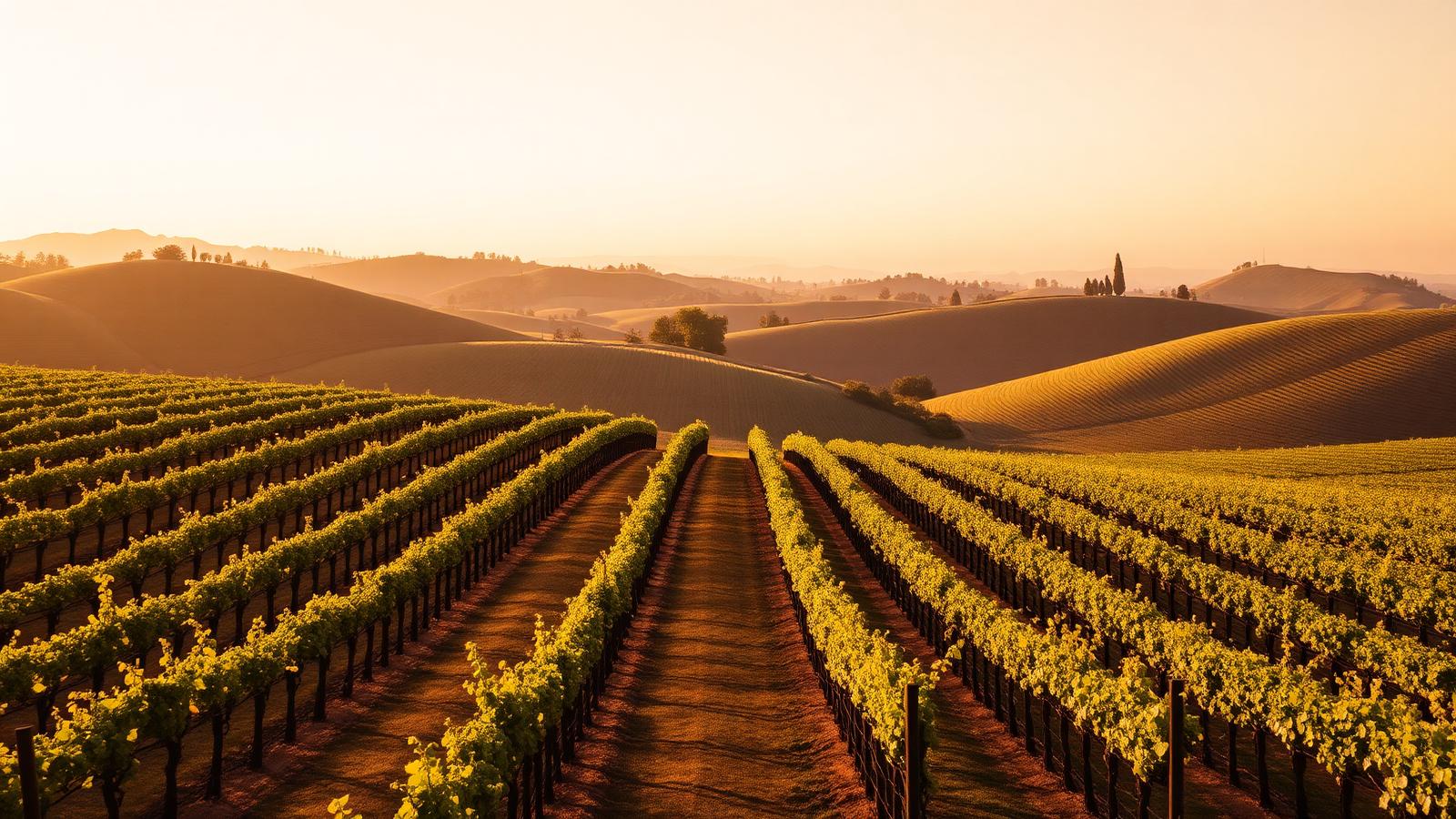
While many regions boast diverse offerings, Western Australia has carved its reputation on the exquisite quality of specific grapes. Here, achieves a powerful yet graceful expression, often revealing notes of blackcurrant, cedar, and an earthy complexity. , too, shines, displaying a spectrum from crisp and mineral-driven to richly textured with hints of stone fruit and nutty undertones. But perhaps the most surprising delight is Semillon , a blend that flourishes in the temperate climate, offering a lively, aromatic profile of citrus, passionfruit, and sometimes a hint of herbaceousness, perfectly suited to the region's sun-drenched days.
Pace of Life & Culinary Pairings
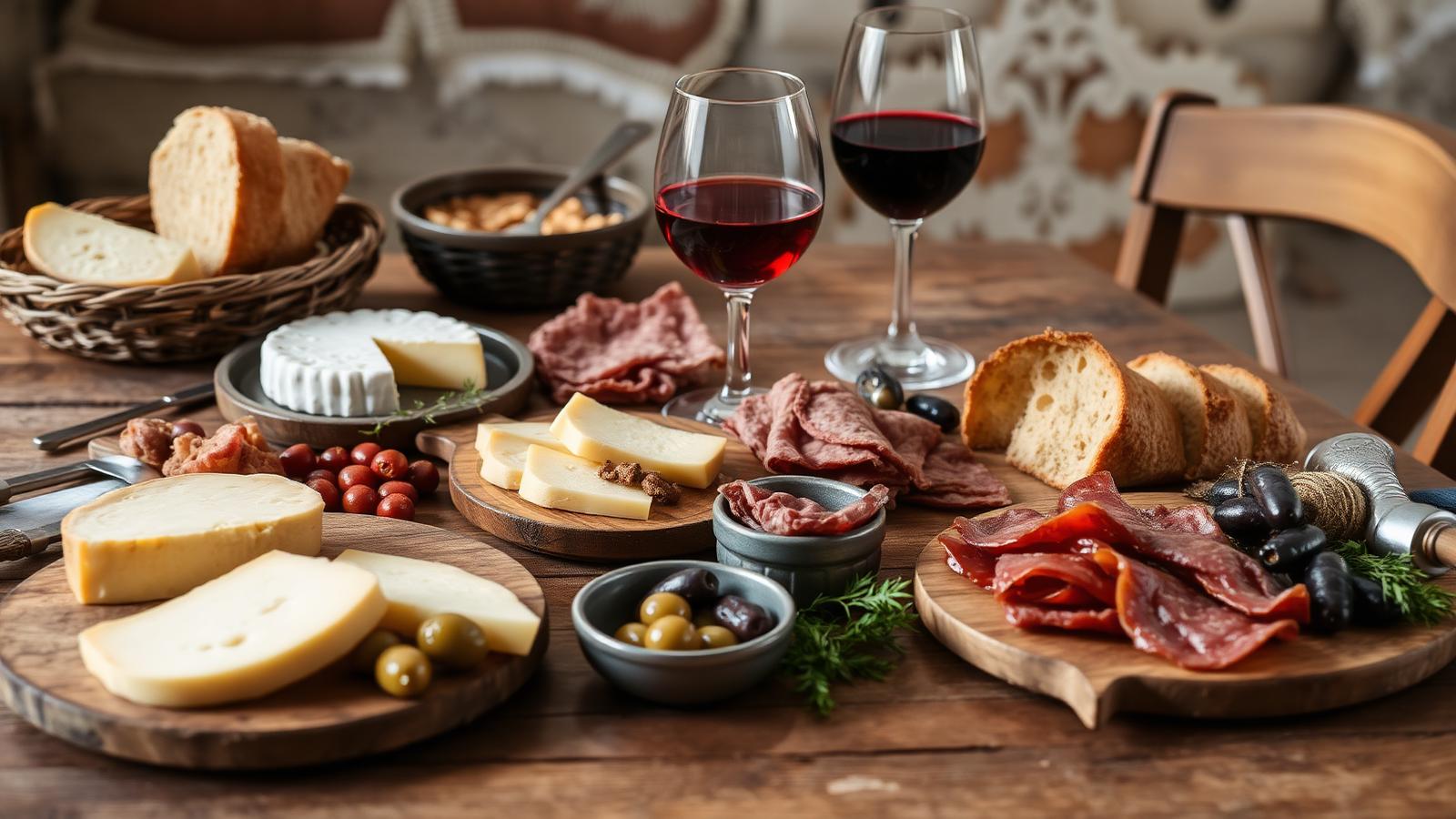
The rhythm of life in Western Australia's wine regions is unhurried, inviting contemplation and enjoyment. Days unfold with a relaxed grace, from quiet mornings among the vines to long, leisurely lunches overlooking panoramic vistas. The regional cuisine mirrors this ethos, emphasizing fresh, locally sourced ingredients. Think of succulent seafood plucked from the pristine ocean, seasonal produce from fertile farmlands, and premium meats, all prepared with a focus on highlighting their natural flavors. These dishes find their perfect counterparts in the region's wines, creating harmonious pairings that enhance both the culinary and viticultural experience, celebrating the abundance of the land.
Getting to know Western Australia
What Western Australia tastes like
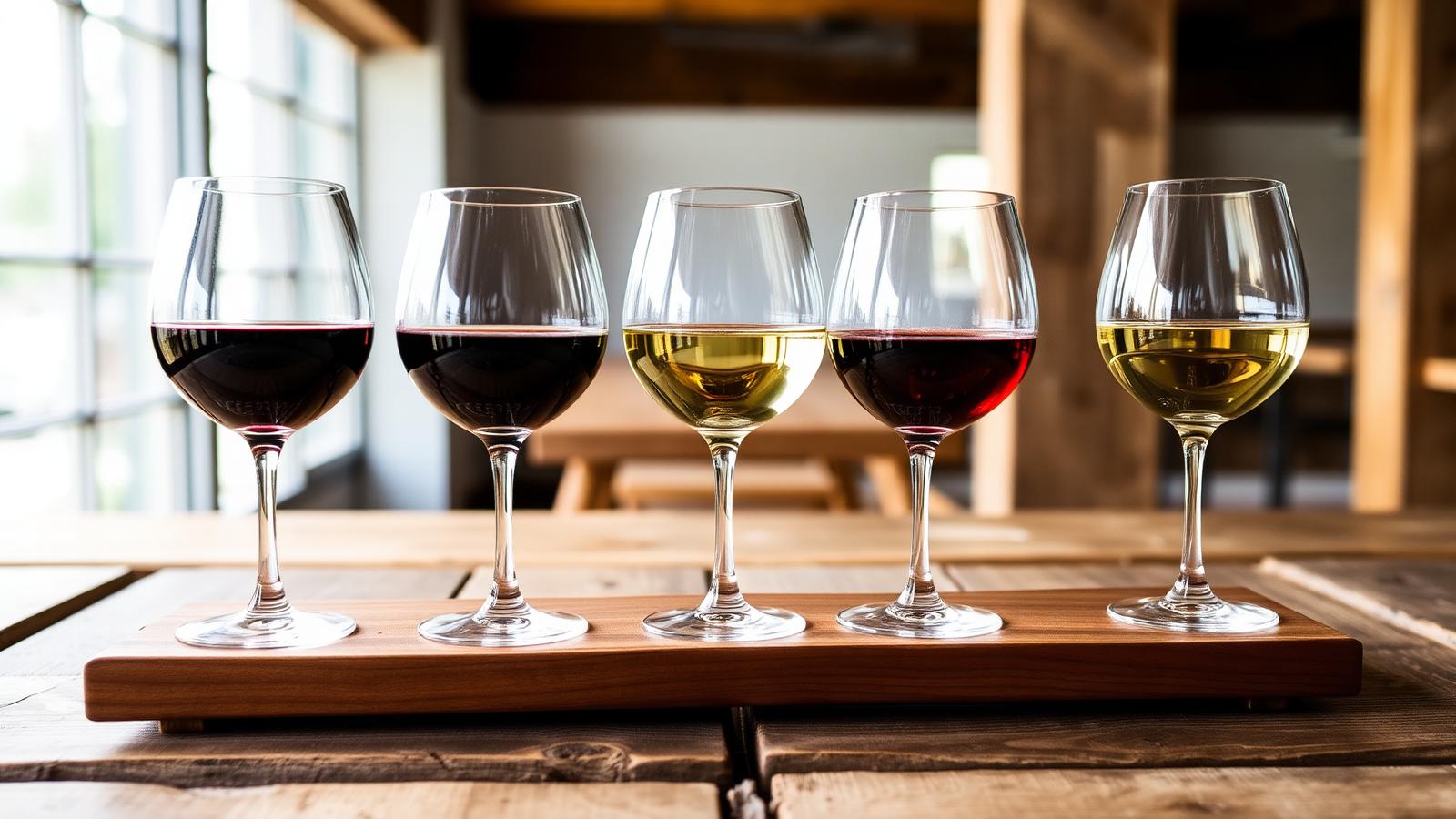
Wines from Western Australia tend to reflect the region's climate and terrain more than any single style. Look for a sense of place in the glass — mineral notes from stony soils, freshness where nights are cool, richer texture where the sun lingers longer. A short flight of local wines is the fastest way to feel the range.
Rhythms of the year
Western Australia moves with the seasons. Spring is quiet and green, summer brings long light and full terraces, harvest is intense and communal, and winter turns the vineyards into a stark, beautiful sculpture. Every season is a good reason to come — they just make very different trips.
Beyond the tasting room
Some of the most memorable moments in Western Australia happen away from the vines: a bakery in the next village over, a viewpoint at sunrise, a slow lunch that turns into a slow afternoon. Leave room in your itinerary for the things you can't plan.
Frequently asked questions
What is the best time of year to visit Western Australia's wine regions?
The most pleasant time to explore Western Australia's wine regions is typically during the spring (September to November) or autumn (March to May). Springtime brings blooming wildflowers and mild temperatures, while autumn offers beautiful foliage and the excitement of harvest season, often with events. Summer (December to February) can be quite warm, though coastal areas benefit from sea breezes. Winter (June to August) offers cooler, sometimes wetter, weather but can be lovely for cosy cellar door experiences and enjoying roaring fires.
Are there good options for accommodation within the wine-producing areas themselves?
Yes, many of Western Australia's wine regions, particularly those close to the coastline, offer a wonderful array of accommodation options right amidst the vineyards or charming local villages. You can find boutique guesthouses, self-contained cottages, and even luxurious lodges that truly immerse you in the wine country experience. Booking in advance, especially during peak seasons like spring and autumn, is highly recommended to secure your preferred stay. Consider locations that allow for easy access to various tasting rooms and local amenities.
Is it easy to navigate between the various wine-producing sub-regions?
Navigating between the sub-regions is generally straightforward, making for an enjoyable self-drive experience. Roads are well-maintained, and the scenic drives are part of the charm. There are usually clear signposts guiding you between the main wine trails and local townships. For those who prefer not to drive, there are also local tour operators that offer guided excursions, providing both transportation and structured itineraries, allowing you to relax and fully appreciate the tastings. Planning your route beforehand will help you make the most of your time.
What kind of local produce and culinary experiences can I expect to find beyond wine?
Beyond superb wines, Western Australia's regions are a treasure trove of gourmet delights. You'll discover artisanal cheese makers, chocolatiers, olive groves producing exquisite oils, and producers of fresh honey and truffles, depending on the season. Many cellar doors also feature restaurants or platters showcasing local ingredients. Weekly farmers' markets are common in larger towns, offering a chance to meet local growers and sample their wares. The proximity to the ocean also means incredible fresh seafood is a staple on many menus, perfectly complementing the regional wines.