

Rio Grande do Sul Wineries & Wine Tours
Sub-regions
The Vine's Embrace
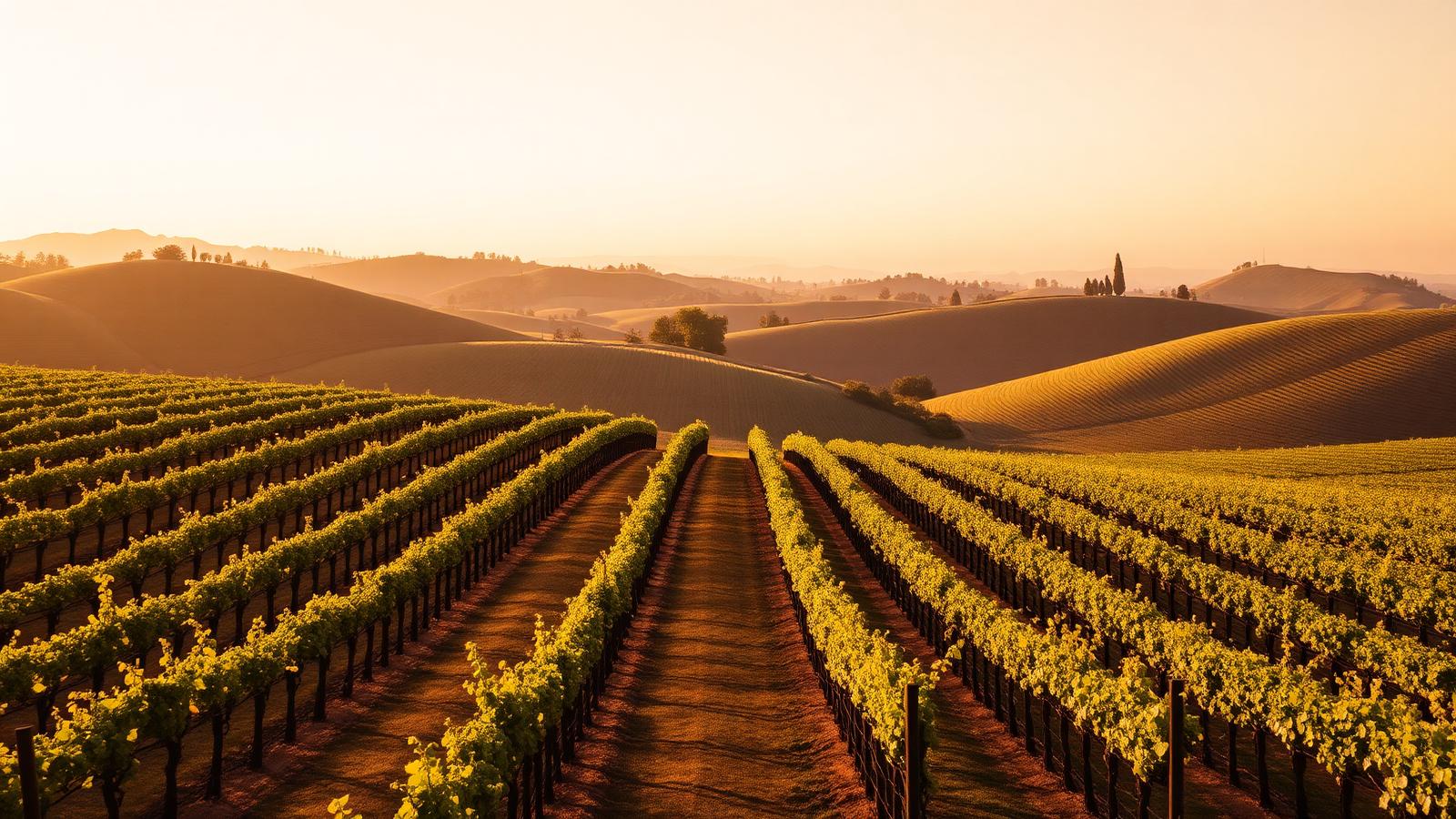
The undulating terrain of Rio Grande do Sul, particularly in the Serra Gaúcha, is a verdant canvas where vineyards flourish. Here, the interplay of distinct seasons—warm summers, crisp autumns, and cool winters—is crucial. Grapes like and Isabella thrive in these conditions, producing wines that range from approachable, fruit-forward reds to more structured, complex expressions. The landscape itself is a testament to perseverance, with vines often planted on terraced hillsides, a vibrant green against the deep red earth, reflecting a profound connection between the land and its cultivators. Sparkling wines, a regional specialty, capture the effervescent spirit of the area, a product of patient and careful craftsmanship.
Getting to know Rio Grande do Sul
What Rio Grande do Sul tastes like
Wines from Rio Grande do Sul tend to reflect the region's climate and terrain more than any single style. Look for a sense of place in the glass — mineral notes from stony soils, freshness where nights are cool, richer texture where the sun lingers longer. A short flight of local wines is the fastest way to feel the range.
Rhythms of the year
Rio Grande do Sul moves with the seasons. Spring is quiet and green, summer brings long light and full terraces, harvest is intense and communal, and winter turns the vineyards into a stark, beautiful sculpture. Every season is a good reason to come — they just make very different trips.
Beyond the tasting room
Some of the most memorable moments in Rio Grande do Sul happen away from the vines: a bakery in the next village over, a viewpoint at sunrise, a slow lunch that turns into a slow afternoon. Leave room in your itinerary for the things you can't plan.
Frequently asked questions
What is the best time of year to visit Rio Grande do Sul for wine tourism?
The ideal time to experience Rio Grande do Sul's wine country is during the harvest season, typically from late January to early March. During this period, the vineyards are bustling with activity, and many estates offer special tours and events related to grape picking and crushing. Alternatively, the autumn months of April and May offer cooler temperatures and stunning fall foliage as the leaves on the vines change color, making for picturesque scenery and pleasant touring conditions. Winter, from June to August, brings a charming chill, perfect for enjoying robust red wines by a fire.
What kind of transportation should I plan for visiting the wineries?
For exploring the wine regions effectively, renting a car is highly recommended. It offers the flexibility to visit various vineyards at your own pace and explore the scenic routes between villages. Alternatively, group tours with dedicated drivers are available from larger towns like Bento Gonçalves and Caxias do Sul. These tours often include visits and tastings. Taxis and ride-sharing services can be arranged for shorter distances between properties within a specific wine route, but may be limited in more remote areas, so planning transportation in advance is wise.
What types of wine can I expect to find and purchase in Rio Grande do Sul?
Rio Grande do Sul is renowned for its diverse wine production. You will find excellent sparkling wines, crafted using both Charmat and Traditional methods, which are a regional specialty. For red wines, is a standout, producing supple and fruit-driven expressions. , , and Ancellotta also yield noteworthy red varietals. White wines, though less prevalent than reds, include and Itálico. Many vineyards also produce delightful Giallo, often as a or sweet . You'll have opportunities to purchase wines directly from the cellars, often at favorable prices.
Are there dining options available in the wine regions, or should I pack food?
You will find a wide array of dining options within the wine regions, ranging from charming colonial restaurants serving traditional Italian and German comfort food to more upscale establishments offering modern Brazilian cuisine. Many wineries also have their own restaurants or offer food pairing experiences. Expect hearty meals featuring pasta, polenta, local cheeses, and, of course, the famed _churrasco_ (Brazilian barbecue). While it’s not necessary to pack food for meals, having some snacks and water on hand for touring between locations is always a good idea, especially on longer driving days.