

Cape Breton Island Wine Guide
Wineries in Cape Breton Island
View all 2 wineries →Villages, Vistas, and Culinary Delights
Traveling through Cape Breton's wine country is an journey through picturesque villages where colorful houses dot the hillsides, and fishing boats bob gently in sheltered coves. The landscape is a constant companion, with winding roads offering breathtaking vistas of highlands meeting sea. This setting naturally complements the island's culinary traditions. Freshly caught seafood, from succulent lobster to delicate scallops, pairs exquisitely with the local white wines, their bright acidity cutting through the richness. Hearty, slow-cooked dishes, often featuring local produce and game, find a perfect partner in the region's lighter reds, creating memorable dining experiences that are both refined and deeply rooted in place.
Coastal Influences and Hearty Grapes
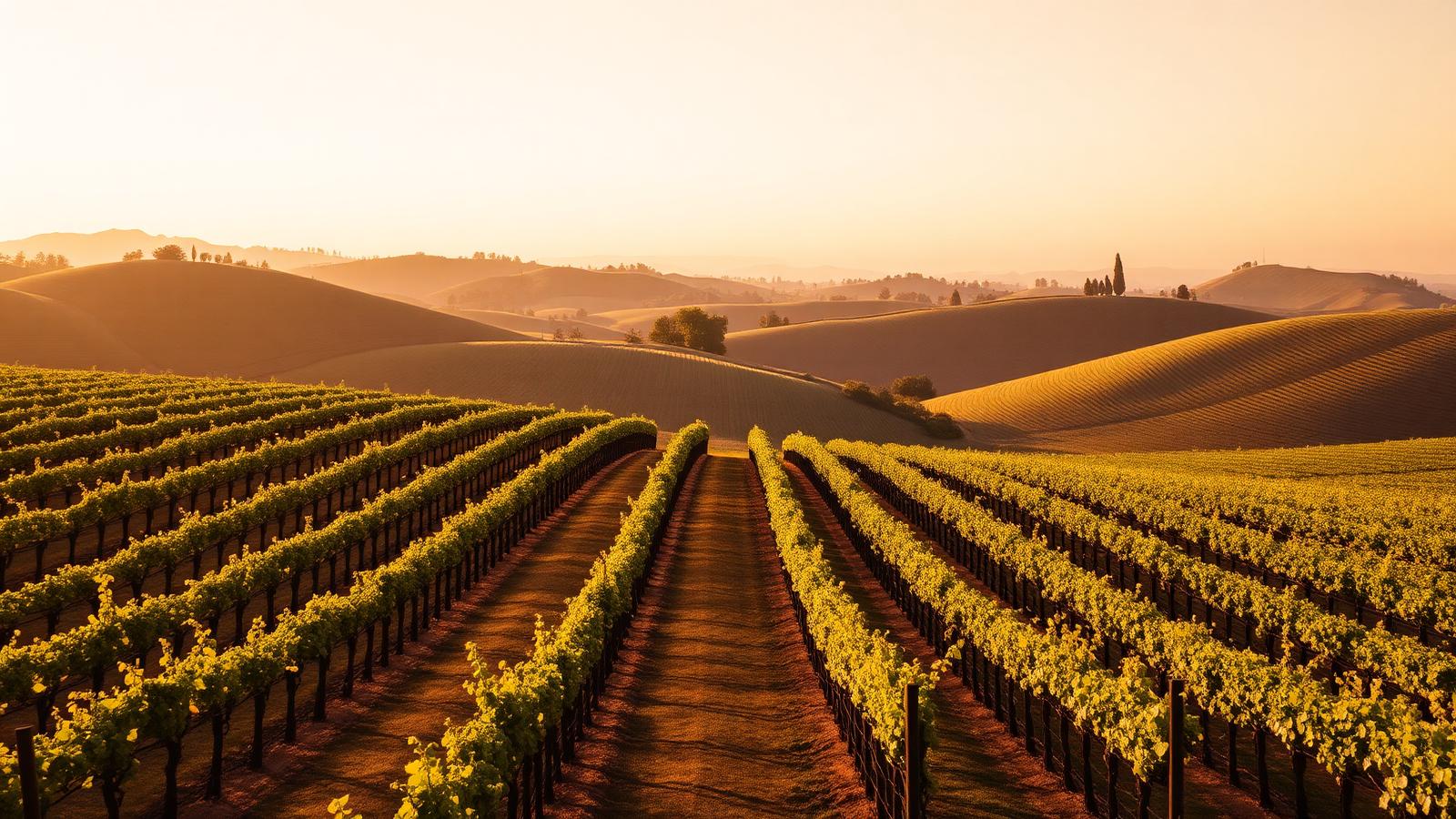
The intimate character of Cape Breton's wine region is profoundly shaped by its coastal geography. The ocean's moderating influence blesses the vineyards with a longer, cooler growing season, allowing grapes to ripen slowly, developing nuanced flavors and vibrant acidity. Here, German-inspired varietals, well-suited to the cooler climate, find their voice. These hardy vines are rooted in diverse soils – a mosaic of glacial deposits, shale, and sandstone – imparting distinct mineral notes and structure to the island's emerging wines. The resulting expressions are often crisp, aromatic, and beautifully balanced, reflecting the fresh, clean air that sweeps across the land.
Planning a visit to Cape Breton Island
Best time to visit Cape Breton Island
Late spring and early autumn are the choices — comfortable weather, generous light, and vineyards at their most photogenic. Summer is warmer and livelier, with long evenings and outdoor tables everywhere. Winter is peaceful, cellars are quiet, and there's a real intimacy to visits without the crowds.
Where to base yourself
The main village or town in Cape Breton Island is usually the easiest base — it puts you in walking distance of restaurants and daily life, with vineyards a short drive away. Staying in the countryside is quieter and more romantic, but you'll rely more on a car or a driver. Both are valid; pick the mood you want your trip to have.
Getting to Cape Breton Island
Most travellers reach Cape Breton Island by combining a flight into the nearest major city with a train, bus, or rental car for the last leg. Once you arrive, distances are usually short — many memorable days here involve less driving than you'd expect.
Making the most of a day in Cape Breton Island
A good day in Cape Breton Island tends to have a shape: a slow morning, a couple of unhurried tasting stops, a proper local lunch, and time in the late afternoon to walk, nap, or take in a view. Try not to over-plan — the best moments usually turn up between the ones you scheduled.
Frequently asked questions
What is the best time of year to visit Cape Breton Island for a wine experience?
The most enchanting time to visit Cape Breton for wine discovery is typically late summer to early autumn, from August through October. The vineyards are lush and vibrant during these months, leading into the excitement of harvest. The weather is generally pleasant, with warm days and cool, crisp evenings, perfect for vineyard strolls and outdoor dining. Autumn also brings the spectacular display of fall foliage, adding another layer of beauty to the landscape. While some operations are seasonal, you'll find a welcoming atmosphere and distinct charm throughout the wider shoulder seasons too.
Are the wine-producing areas easily accessible throughout the island?
The wine producers on Cape Breton Island are interspersed across its diverse landscape, often nestled in scenic areas. While not concentrated in one large ‘wine region,’ they are generally accessible by car, offering picturesque drives between locations. Roads are well-maintained, but some smaller vineyard paths might be gravel. It's advisable to plan your route in advance and be prepared for rural driving conditions. Consider using GPS and checking operating hours, as many smaller, family-run establishments may have specific visitation times.
What types of unique experiences, beyond just wine tasting, are available on Cape Breton Island?
Beyond superb wine tastings, Cape Breton offers a rich tapestry of experiences. You can immerse yourself in the island's vibrant Celtic culture through music and dance, hike breathtaking coastal trails with panoramic ocean views, or explore charming fishing villages. Take a scenic drive along world-renowned routes, go whale watching, or delve into historical sites. Many local producers also offer insights into their farming practices, and you might find opportunities for foraging or culinary workshops that highlight the island's abundant natural larder, creating a truly holistic experience.
What local foods should I pair with Cape Breton wines?
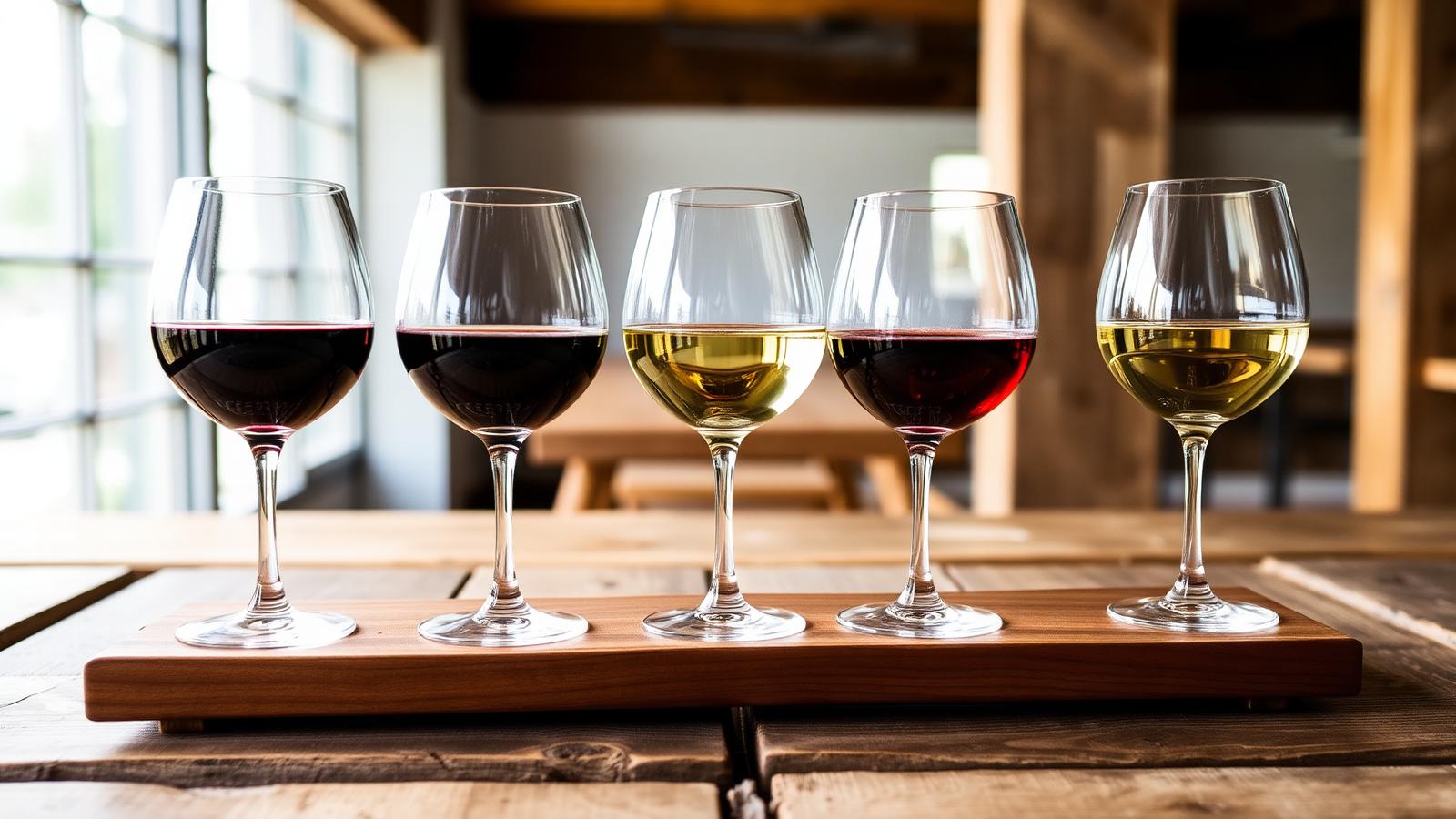
Cape Breton wines, with their vibrant acidity and often crisp profiles, are wonderfully versatile with local cuisine. For white wines, particularly those with mineral notes, fresh seafood is a quintessential pairing – think pan-seared scallops, steamed lobster, or freshly shucked oysters. Lighter reds and rosés complement smoked salmon, local cheeses, or dishes featuring wild berries abundant on the island. Don't overlook the heartwarming traditional Acadian and Scottish-inspired dishes; a robust white or a delicate red can bring a lovely balance to the island’s comforting stews and savory pies, reflecting the land's bounty in every bite.