

Niagara-on-the-Lake Wine Guide
Wineries in Niagara-on-the-Lake
View all 33 wineries →Pacing the Day
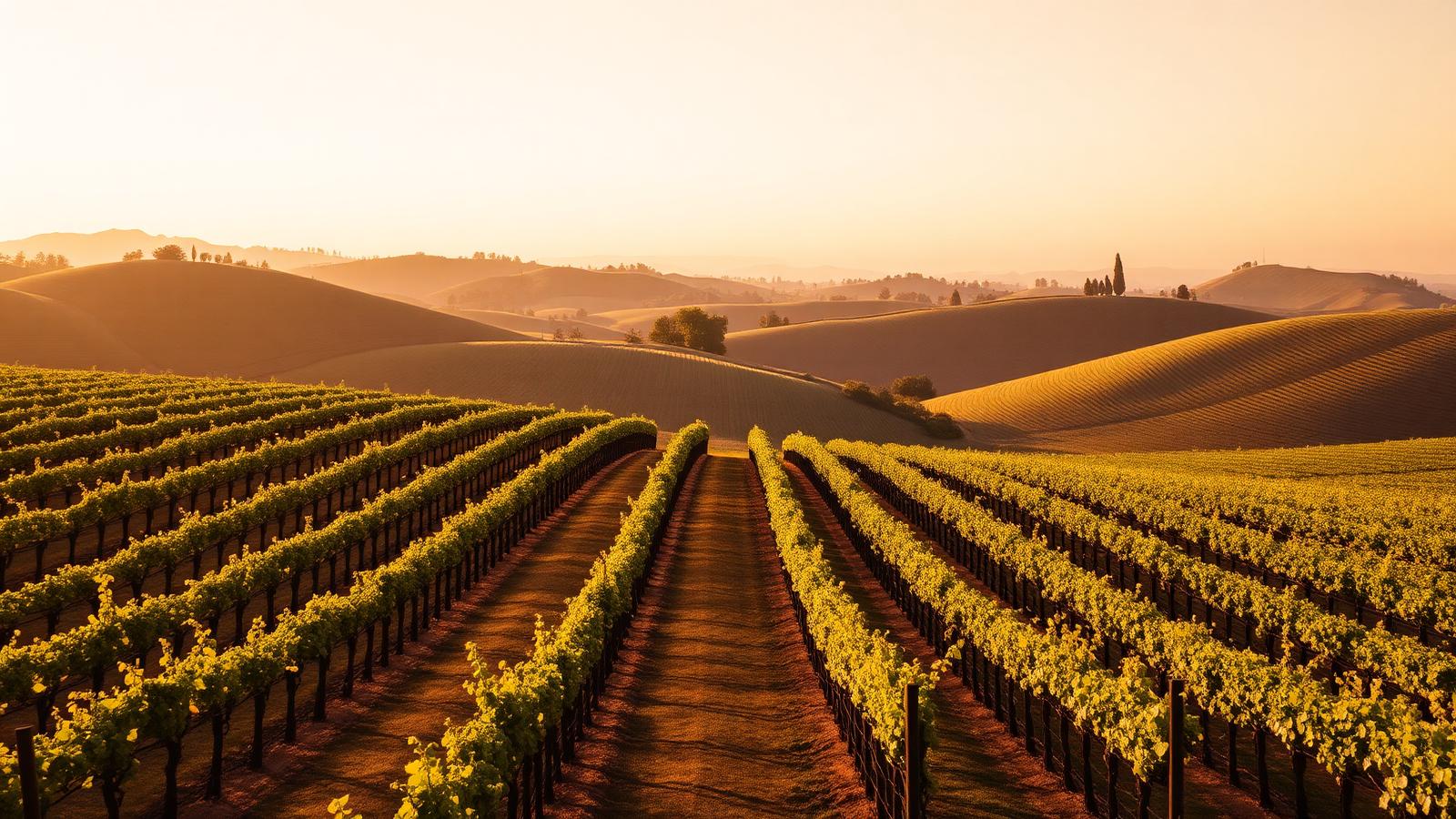
A day here unwinds with unhurried charm. Mornings might begin with a leisurely stroll through the historic town, admiring the meticulously preserved architecture. As the sun climbs, the vineyards beckon, inviting a slow exploration along rural lanes. Midday brings the pleasure of shaded patios, where regional cuisine, perhaps a fresh lake fish or farm-to-table delights, is paired thoughtfully with a local vintage. Afternoons are for quiet contemplation amid the vines, perhaps a cellar visit and a tasting that deepens appreciation for the craft. As evening descends, the golden light paints the landscape, setting a serene backdrop for reflection and tranquil enjoyment.
Grapes of Distinction
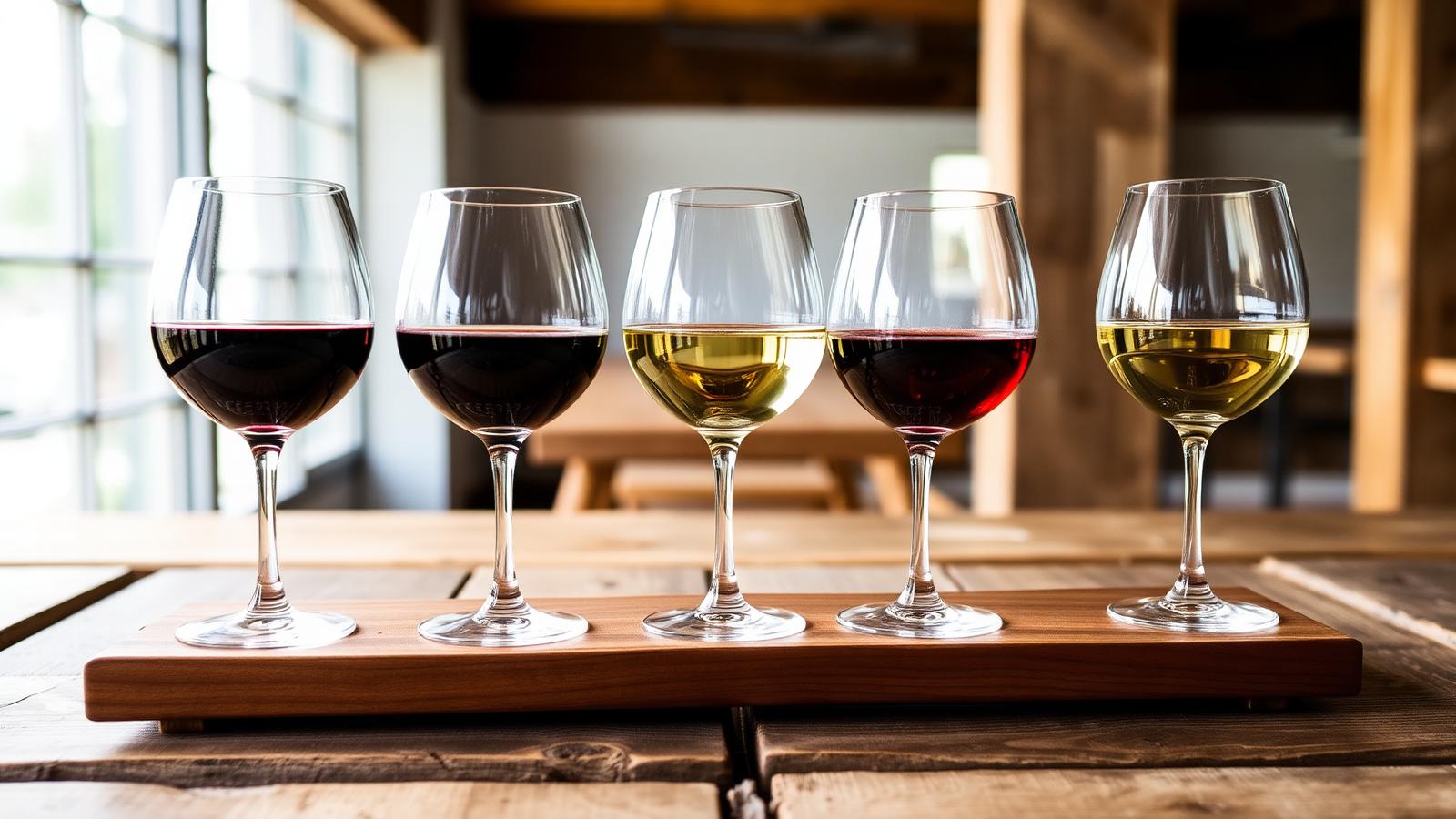
Within this hallowed ground, specific grape varieties thrive, finding their truest voice. The cool climate is particularly kind to noble varieties, yielding beautifully balanced with nuanced minerality and a refreshing acidity that carries notes of orchard fruit and a hint of a crisp breeze. , too, finds complexity here, revealing delicate layers of red berry, forest floor, and a silken texture. Yet, the region is perhaps most renowned globally for its extraordinary . Born from grapes left to freeze naturally on the vine, its concentrated sweetness and vibrant acidity create a dessert wine of unparalleled purity and intensity, a golden liquid jewel.
A Unique Terroir Story
The narrative of Niagara-on-the-Lake's is etched in its ancient soils. These fertile grounds, a legacy of vast glacial retreat, are a mosaic of clay, loam, sand, and gravel, offering diverse foundations for the vines. Coupled with the moderating influence of Lake Ontario, which acts as a vast thermal regulator, preventing harsh winter frosts and extending the gentle warmth of autumn, a distinct microclimate is born. This interplay of cool lake air and mineral-rich soils gives rise to grapes with exceptional balance, leading to wines that are at once elegant, aromatic, and expressive of their unique origin. It's a testament to nature's precise engineering.
Planning a visit to Niagara-on-the-Lake
Best time to visit Niagara-on-the-Lake
Late spring and early autumn are the choices — comfortable weather, generous light, and vineyards at their most photogenic. Summer is warmer and livelier, with long evenings and outdoor tables everywhere. Winter is peaceful, cellars are quiet, and there's a real intimacy to visits without the crowds.
Where to base yourself
The main village or town in Niagara-on-the-Lake is usually the easiest base — it puts you in walking distance of restaurants and daily life, with vineyards a short drive away. Staying in the countryside is quieter and more romantic, but you'll rely more on a car or a driver. Both are valid; pick the mood you want your trip to have.
Getting to Niagara-on-the-Lake
Most travellers reach Niagara-on-the-Lake by combining a flight into the nearest major city with a train, bus, or rental car for the last leg. Once you arrive, distances are usually short — many memorable days here involve less driving than you'd expect.
Making the most of a day in Niagara-on-the-Lake
A good day in Niagara-on-the-Lake tends to have a shape: a slow morning, a couple of unhurried tasting stops, a proper local lunch, and time in the late afternoon to walk, nap, or take in a view. Try not to over-plan — the best moments usually turn up between the ones you scheduled.
Frequently asked questions
What is the best time of year to visit Niagara-on-the-Lake for wine experiences?
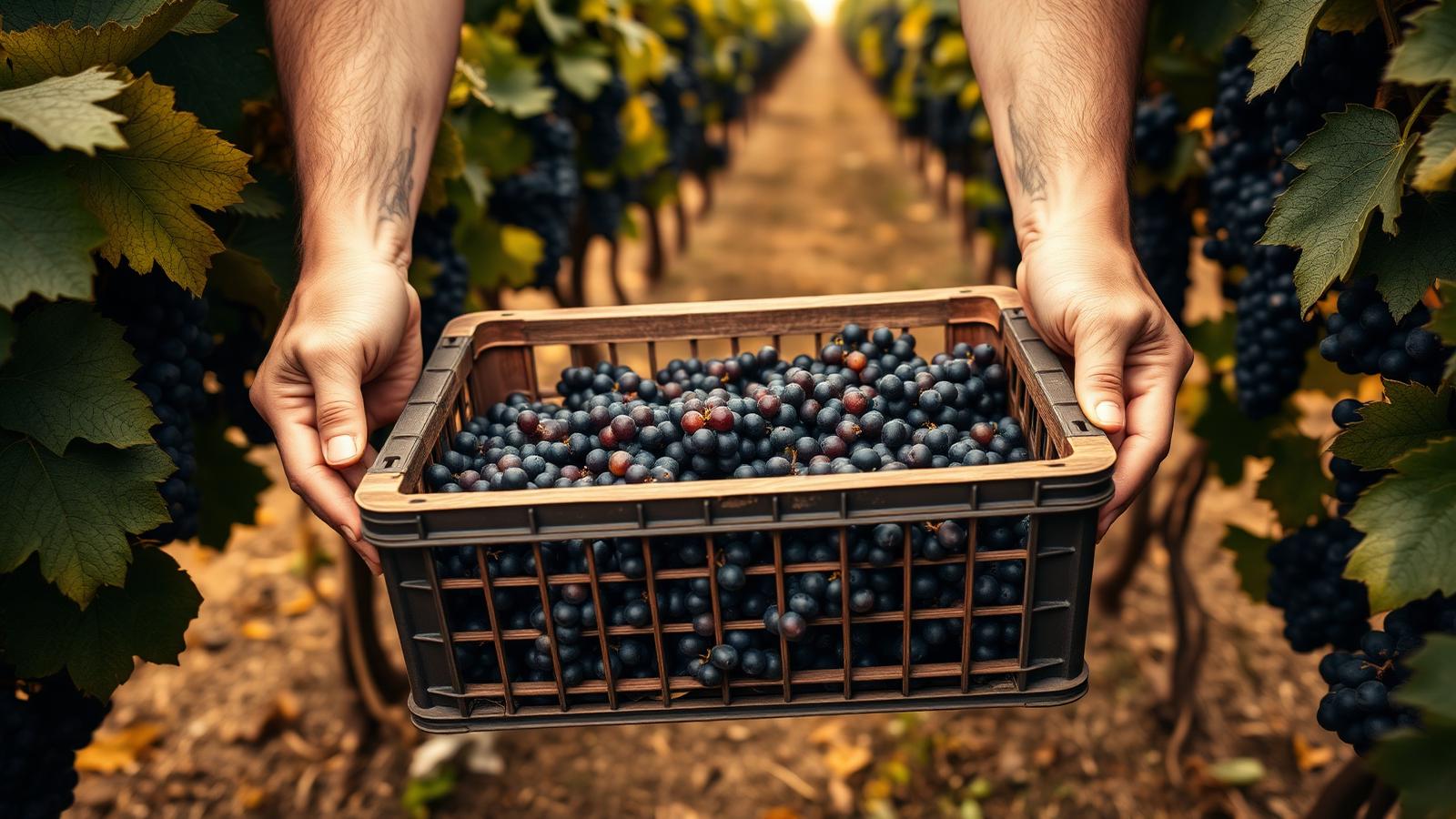
The mildest and most vibrant times to visit are generally late spring (May-June) and early fall (September-October). In spring, the vineyards burst with new growth, and the weather is refreshingly pleasant for exploring. Autumn brings the spectacle of harvest, with bustling activity and beautiful foliage, alongside ideal temperatures. While winter offers a unique, serene beauty and is the best time to witness harvesting, some experiences might be more limited. Summer is also delightful, with warmer weather perfect for outdoor patios and longer days.
How should I plan my transportation for exploring the wine region?
For truly immersive exploration, having your own vehicle offers the most flexibility, allowing you to venture off the main routes at your own pace. However, given the focus on , consider designated drivers, local taxi services, or small group tours that include transportation. The region also offers options for bicycle rentals, with many scenic routes winding through the vineyards, providing a charming and active way to experience the landscape. Always plan ahead for safe and enjoyable travel between destinations.
What kind of local cuisine pairs best with the wines of Niagara-on-the-Lake?
The local cuisine here is deeply rooted in the region's agricultural abundance. Expect fresh, seasonal ingredients that perfectly complement the vibrant wines. With crisp Chardonnays and lively sparklings, look for dishes featuring locally caught lake fish, fresh garden salads, or delicate poultry. Pinot Noirs shine alongside roasted duck, mushroom-based dishes, or lighter red meats. And, of course, the extraordinary is a sublime pairing with fruit tarts, crème brûlée, or even a rich foie gras, reflecting the sweet and savoury balance found in the local bounty.
Are there opportunities to learn more about the winemaking process itself?
Absolutely. Many of the establishments offer insightful cellar tours and guided tastings where you can learn directly from knowledgeable experts. These experiences often delve into the specific grape varieties grown, the unique characteristics of the local , and the meticulous care involved in crafting their wines, from vine management to and aging. Some even provide behind-the-scenes glimpses into the specialized process of making , offering a deeper understanding of this regional specialty. These educational aspects truly enrich the tasting journey.