

Monteregie Wine Guide
Wineries in Monteregie
View all 13 wineries →Village Rhythms
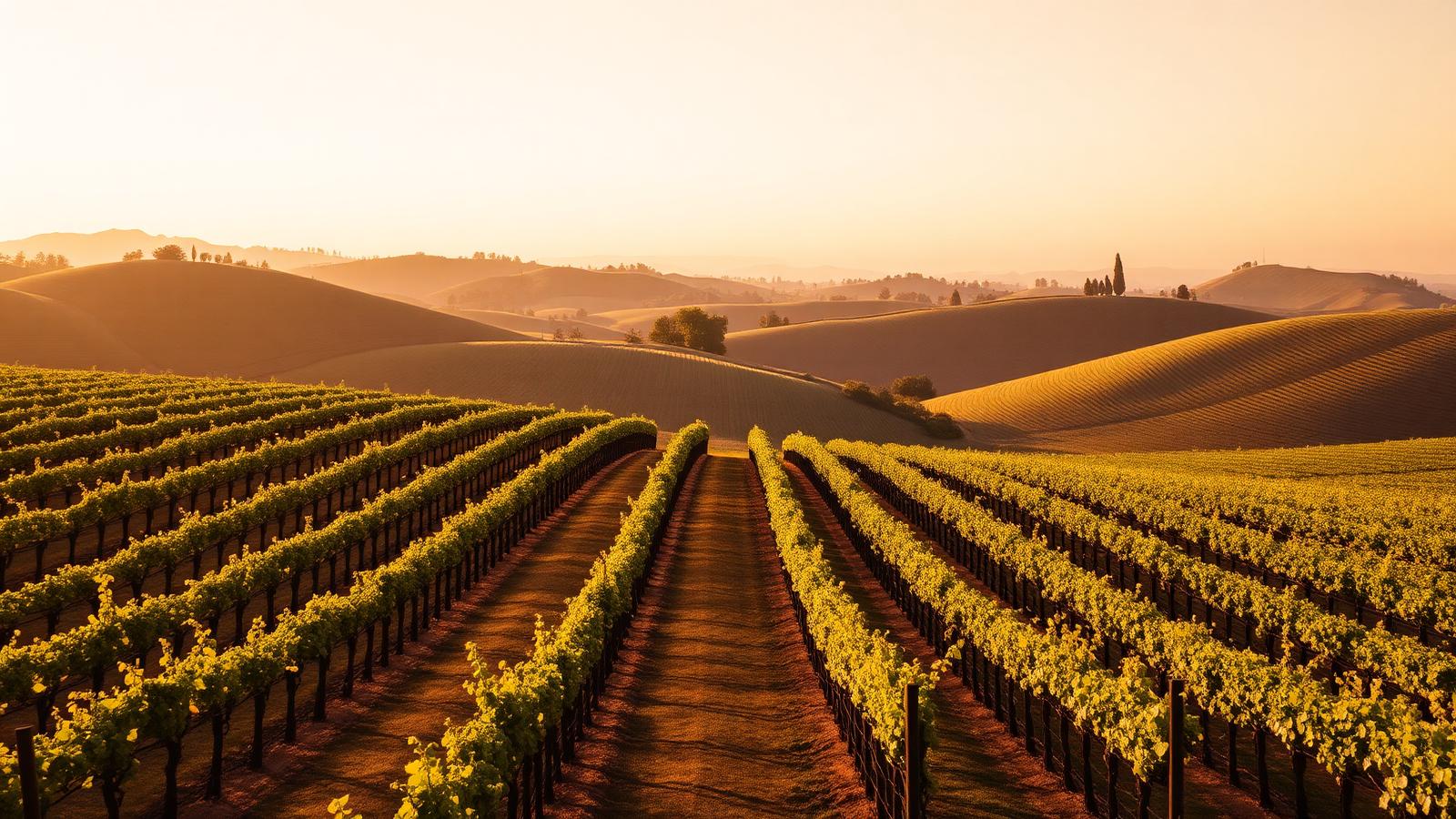
Life in Monteregie moves with a gentle, appealing rhythm. The countryside is dotted with charming villages, their church steeples rising above verdant fields, and weathered farmhouses standing sentinel amidst apple orchards. Days here are meant to unfold slowly, perhaps beginning with a visit to a local market overflowing with fresh produce, regional cheeses, and baked goods. Later, a leisurely drive through undulating backroads reveals quiet vineyards, where one might pause to admire the rows of vines stretching towards distant hills. Evenings descend with a tranquil beauty, often accompanied by the simple pleasure of a meal prepared with local ingredients, a glass of regional wine in hand, and the peaceful hush of the countryside as stars begin to pepper the vast Monteregian sky.
A Taste of Place
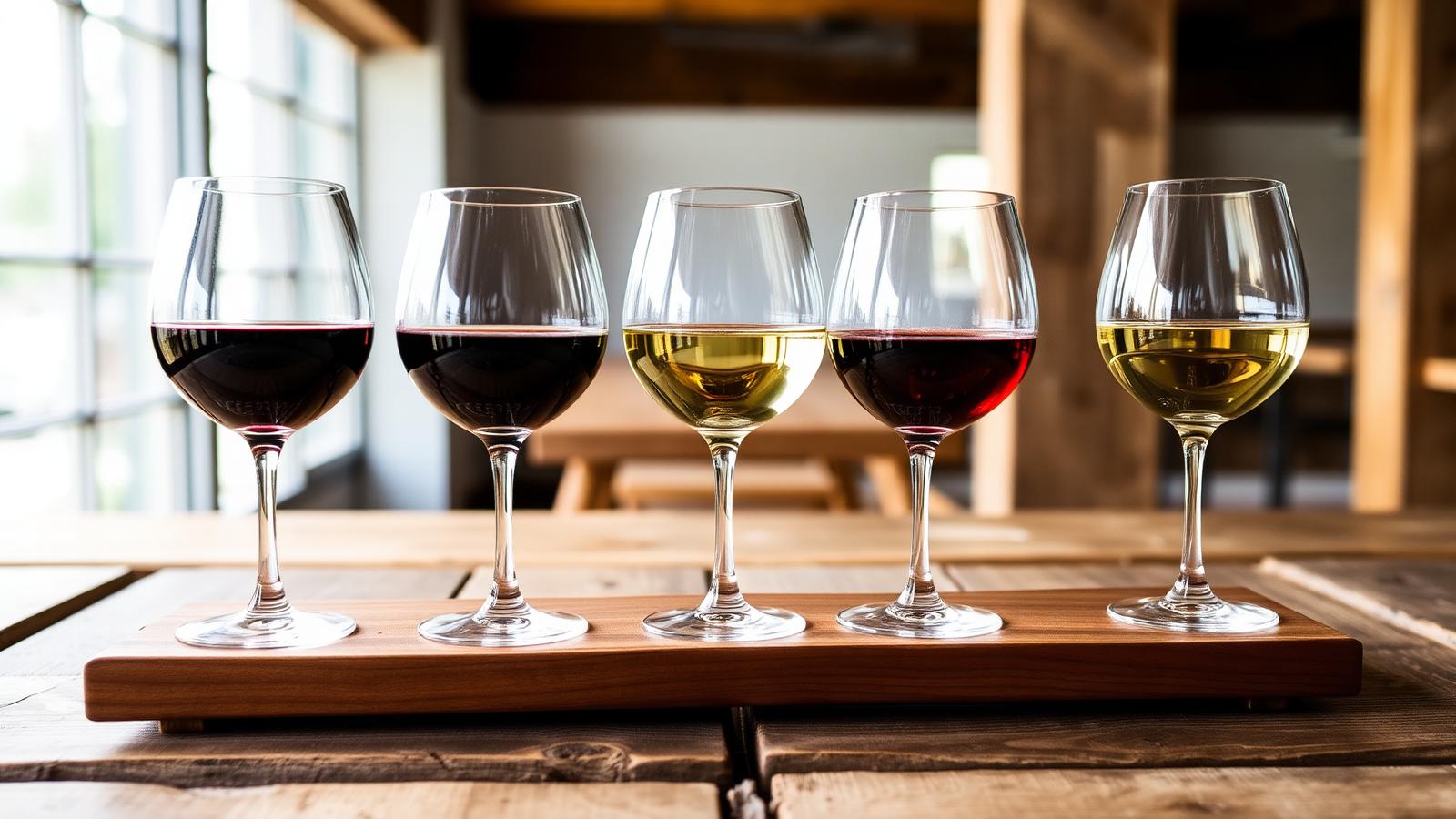
The wines of Monteregie reflect their surroundings with an elegant honesty. Imagine crisp, aromatic whites that often carry notes of green apple, stone fruit, and sometimes a hint of fresh minerality – perfect companions for the region’s renowned ciders and artisanal cheeses. The reds, often blends of Frontenac grapes, tend to be lighter-bodied, vibrant with red berry characteristics, and a touch of earthiness, versatile enough for a country picnic or a fireside supper. Beyond the typical table wines, the region excels in fruit wines, particularly apple and blueberry, which speak directly to the abundant orchards and fertile lands. Each bottle tells a story of the specific harvest, the winemaker’s touch, and the unique conditions of this corner of Quebec.
The Terroir's Embrace
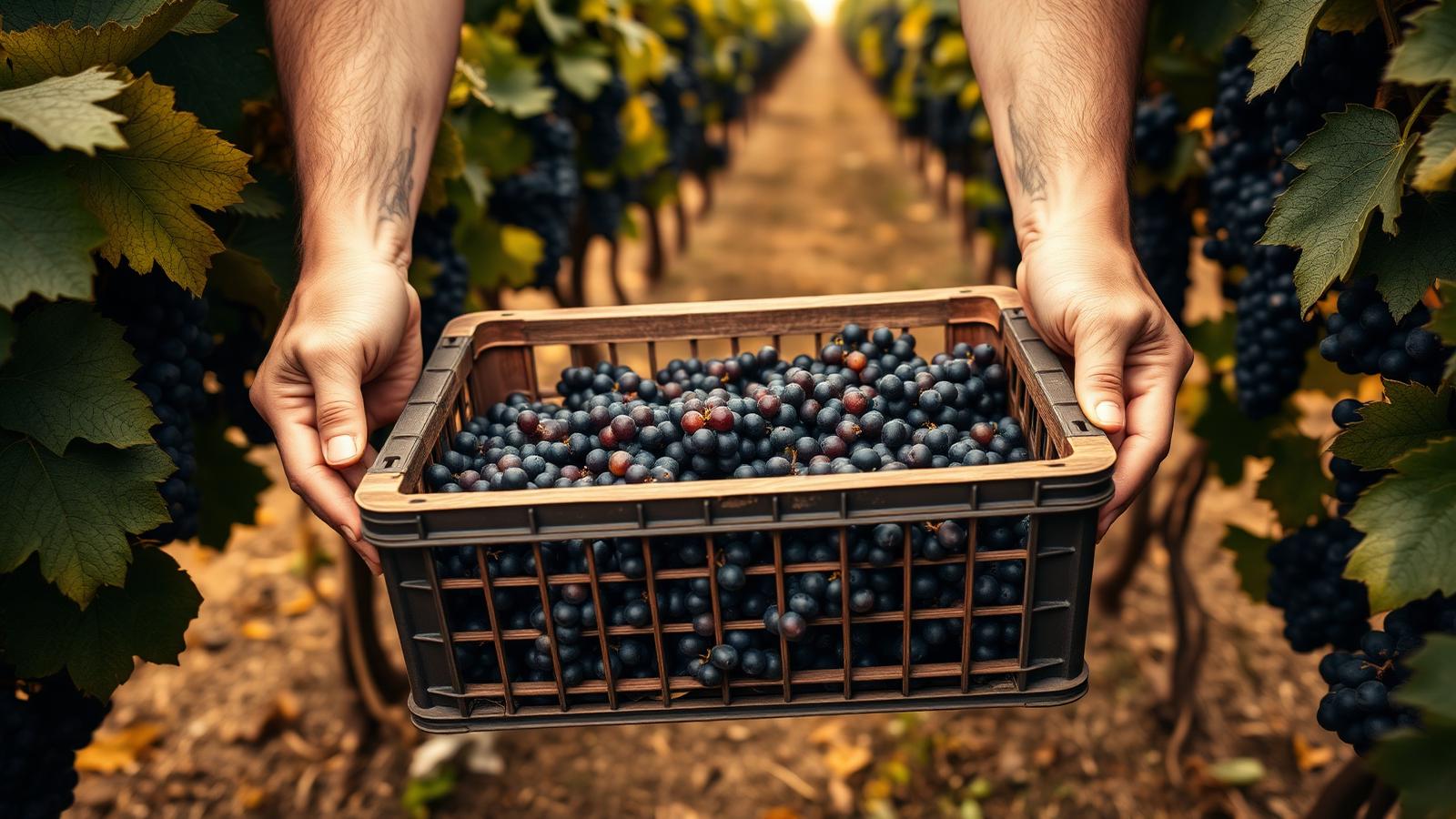
The Monteregian Hills, ancient intrusions of igneous rock, impart a distinctive character to the region’s soils. Here, a patchwork of glacial till, clay, and fractured bedrock creates a mosaic of conditions, allowing the roots of cold-hardy varietals like Vidal, Frontenac, and to draw complex nutrients. This geological tapestry, combined with the moderating influence of the St. Lawrence River and its tributaries, crafts a unique microclimate. Winters are bracing, yet the summer sun, long and true, coaxes ripeness from grapes, resulting in wines that balance crisp acidity with surprising aromatic depth. This is also the heartland for exquisite ice wines, celebrated for their concentrated sweetness, a true gift of the region's frigid dormancy.
Planning a visit to Monteregie
Best time to visit Monteregie
Late spring and early autumn are the choices — comfortable weather, generous light, and vineyards at their most photogenic. Summer is warmer and livelier, with long evenings and outdoor tables everywhere. Winter is peaceful, cellars are quiet, and there's a real intimacy to visits without the crowds.
Where to base yourself
The main village or town in Monteregie is usually the easiest base — it puts you in walking distance of restaurants and daily life, with vineyards a short drive away. Staying in the countryside is quieter and more romantic, but you'll rely more on a car or a driver. Both are valid; pick the mood you want your trip to have.
Getting to Monteregie
Most travellers reach Monteregie by combining a flight into the nearest major city with a train, bus, or rental car for the last leg. Once you arrive, distances are usually short — many memorable days here involve less driving than you'd expect.
Making the most of a day in Monteregie
A good day in Monteregie tends to have a shape: a slow morning, a couple of unhurried tasting stops, a proper local lunch, and time in the late afternoon to walk, nap, or take in a view. Try not to over-plan — the best moments usually turn up between the ones you scheduled.
Frequently asked questions
What is the best time of year to visit Monteregie for wine touring?
The Monteregie region offers distinct charms throughout the warmer months. Late spring, from May to early June, is beautiful with blossoming orchards and budding vines. Summer, particularly July and August, provides lush green landscapes and warm days, ideal for exploring. However, for the quintessential wine experience, early to mid-autumn (September to mid-October) is truly magical. This is harvest season, with vibrant fall foliage, bustling activity in the vineyards, and often special events celebrating the vintage. Temperatures are usually pleasant, perfect for leisurely drives and outdoor tastings.
What local foods should I seek out to pair with Monteregian wines?
Monteregie is a culinary treasure trove, offering delightful pairings for its wines. Be sure to explore the region's artisanal cheese route – many local producers craft exquisite cow, goat, and sheep cheeses that beautifully complement both red and white wines. Given the abundance of orchards, apple products are paramount: ciders, apple pies, and apple-based charcuteries. Maple products, a Quebec staple, are also prevalent, especially in desserts or glazes for local pork. Don't miss fresh berries in season, and look for dishes featuring local game or heritage vegetables from farm stands. Embrace the farm-to-table philosophy of the region.
Are the vineyards in Monteregie typically open for spontaneous visits, or should I plan ahead?
While some larger vineyards might welcome spontaneous drop-ins, it is generally recommended to plan ahead, especially if you wish to enjoy a full tasting experience or a guided tour. Many smaller, family-owned operations prefer appointments, ensuring they can offer you personal attention and a more in-depth understanding of their winemaking process. Checking individual vineyard websites or calling in advance for their operating hours and any reservation requirements is always a good practice. This also allows you to inquire about any special events or offerings they might have during your visit.
What kind of unique experiences can I expect beyond wine tasting in Monteregie?
Beyond the delightful wine tastings, Monteregie offers a rich tapestry of experiences. The region is renowned for its picturesque cycling routes, weaving through orchards, vineyards, and quaint villages. Explore the numerous sugar shacks during maple season for an authentic Quebecois treat. Hike or simply enjoy the scenic views from the Monteregian Hills, such as Mont Saint-Hilaire, a UNESCO Biosphere Reserve. Farmers' markets are abundant, showcasing local produce and handcrafted goods. The area is also rich in historical sites, reflecting its deep agricultural and cultural roots, providing a wonderful blend of natural beauty and heritage exploration.