

Wineries & Wine Tours in Georgia
Regions
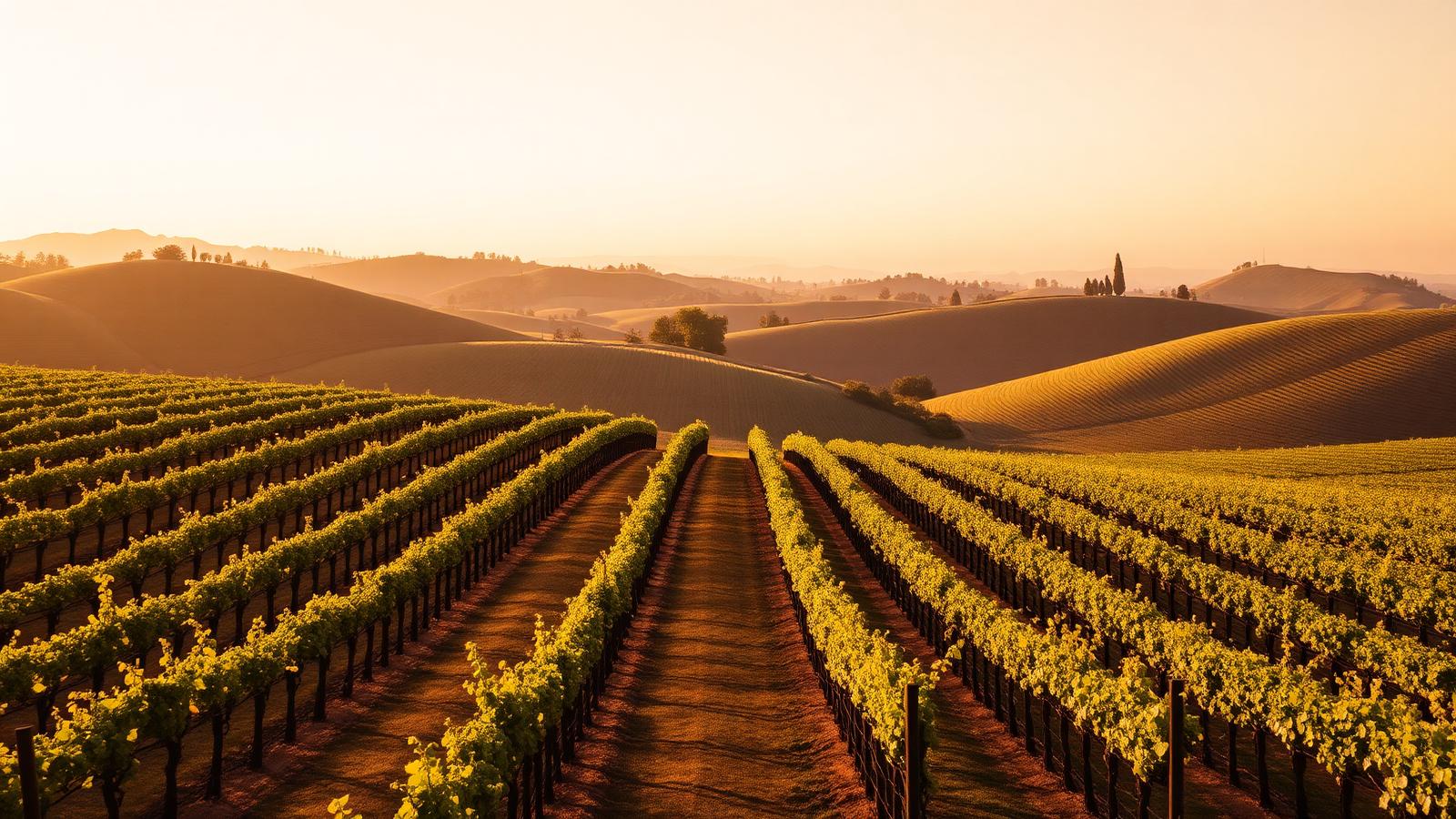
In the cradle of wine, where the echoes of ancient toasts still linger in the mountain air, Georgia invites a journey unlike any other. Here, viticulture is not merely agriculture; it is the heartbeat of a nation, a thread woven deeply into the fabric of daily life, legend, and unwavering hospitality. From the emerald valleys of Kakheti, where the Alazani River snakes like a silver ribbon, to the sun-drenched hillsides that ripple towards the Caucasus, every vista tells a story of perseverance, passion, and the profound connection between people and the land.
Imagine the gentle clinking of earthenware qvevri, buried deep in the earth, breathing life into amber wines of extraordinary character. This is a land where winemaking predates recorded history, a testament to eight millennia of unbroken tradition. Travelers are not just sampling wine; they are partaking in a living heritage, a ritual passed down through countless generations. The rhythm of life here is slow, deliberate, seasoned with gatherings around laden tables and the stirring polyphonic hymns that seem to rise directly from the earth itself.
To wander through Georgia's wine regions is to step into a timeless narrative. It is to trace the journey of the grape from vine to vessel, to feel the warmth of the sun on the skin, and the rich, earthy scent of aging wine. This is an invitation to pause, to listen, to savor each moment – an immersion into a culture where wine is truly life, offering not just a drink, but a profound understanding of a resilient and generous spirit. Prepare to be enchanted by Georgia's soulful embrace.
A Qvevri Renaissance
The ancient technique of fermenting and aging wine in large, earthenware vessels called qvevri, buried underground, is the soul of Georgian winemaking. This unique method imparts a distinctive texture and depth, especially to white grapes, turning them into vibrant amber or 'skin-contact' wines. These golden elixirs offer complex aromas of dried apricot, walnut, and spice, with a pleasing tannic grip. The qvevri tradition, recognized by UNESCO, represents a profound connection to the earth and a purity of expression that sets Georgian wines apart, inviting deep appreciation for a living historical process.
The Land of Georgian Grapes
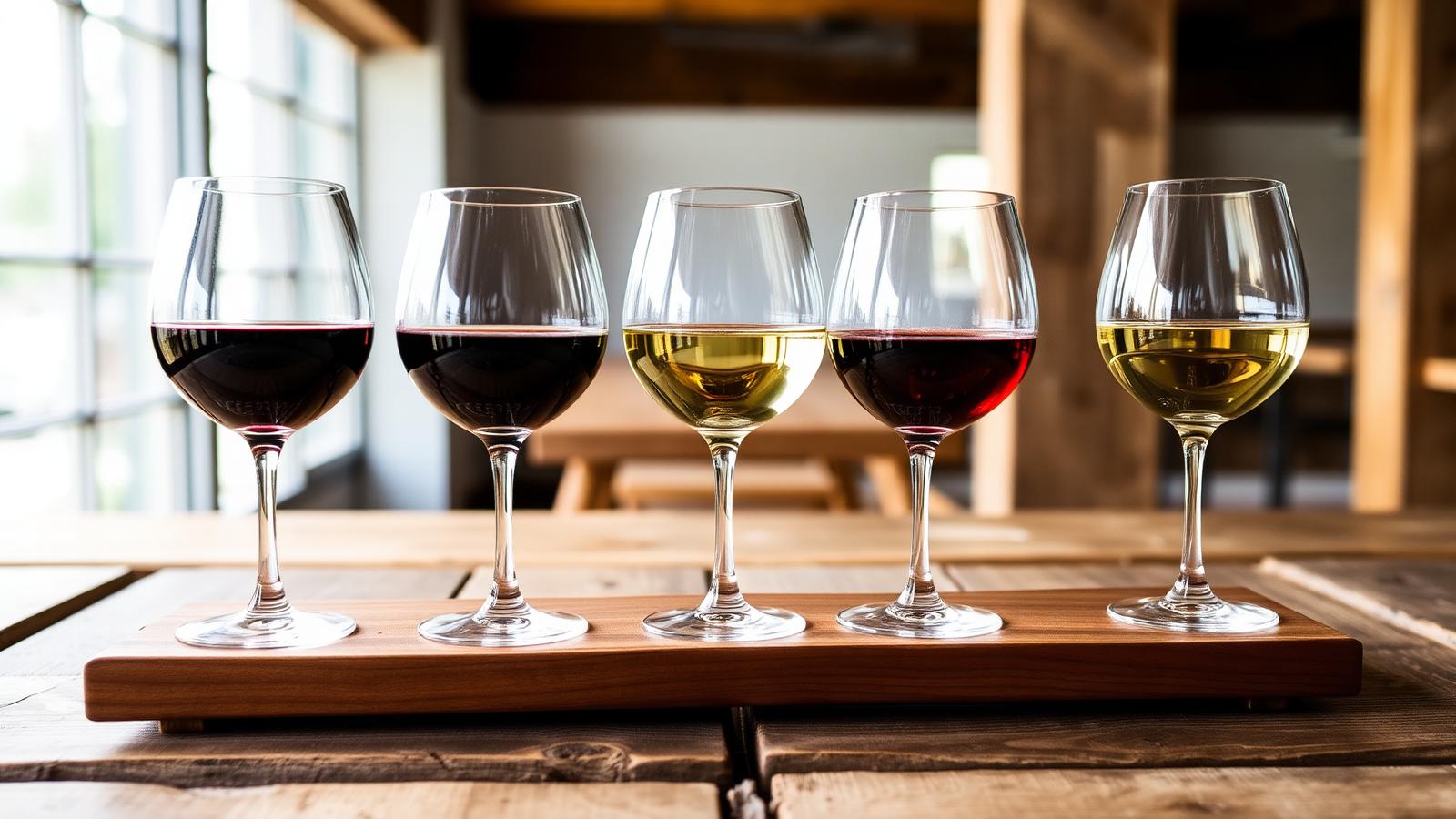
Georgia's diverse topography nurtures a tapestry of indigenous grape varieties, each a unique expression of its . In the fertile Kakheti region, the dominant grape yields robust, dark-hued reds, while the white offers structure and intriguing aromatics. Beyond these, a treasure trove of lesser-known varietals like Kisi, Mtsvane, and Khikhvi contribute to an astonishing palette of flavors, ranging from nuanced amber wines aged in qvevri to lighter, fresher styles. These grapes thrive in microclimates shaped by the Caucasus mountains and the Black Sea, providing a spectrum of styles that reflect the land's ancient winemaking wisdom.
What makes a trip here special
A landscape shaped by the vine
Vineyards in Georgia follow the geography — rivers, ridgelines, coastlines, and altitude all leave their fingerprints on the wine. Driving between regions is often as memorable as the tastings themselves.
Food that grew up next to the wine
The best pairings for Georgia's wines are almost always the dishes that grew up alongside them. Local markets, family-run restaurants, and roadside stops turn a wine trip into a full sensory tour of the country.
A calendar worth planning around
Harvest, pruning, spring flowering, and long lazy summers each give Georgia's wine regions a completely different mood. Choosing when you visit is almost as important as choosing where.
Frequently asked questions
What is the best time of year to visit Georgia for wine experiences?
The ideal time to immerse yourself in Georgia's wine culture is during the spring (April-May) or autumn (September-October). Spring offers mild weather, lush landscapes, and the anticipation of the growing season. Autumn, particularly September, brings the rtveli, the traditional grape harvest, a vibrant and joyous affair where visitors can sometimes partake in picking and processing grapes. The weather is generally pleasant for exploring the regions then, and the cellars are buzzing with activity, providing an authentic and unforgettable experience.
Do I need a special visa to visit Georgia, and how easy is it to get around?
For many nationalities, Georgia offers visa-free entry for up to a year, making travel very accessible. It is always wise to check current visa requirements based on your specific nationality before planning your trip. Once in Georgia, navigating between wine regions is relatively straightforward. While public transport options exist, hiring a private driver or joining a small-group tour is often recommended for convenience, comfort, and the ability to fully appreciate the scenery and sample wines responsibly without worrying about driving.
What should a first-time wine traveler know about Georgian wine tasting etiquette?
Georgian wine culture is deeply rooted in hospitality and sharing. Expect tastings to be generous and often accompanied by food. It is common to be invited to stay for longer than anticipated, engaging in conversation and camaraderie. While appreciating the wine, expressing genuine interest in the traditional qvevri method and the local grapes is always welcome. Toasting is a central part of any gathering; while understanding the full ritual is not expected, joining in with 'Gaumarjos!' (Cheers!) is a warm gesture, and remember to pace yourself to fully enjoy the experience.
What kind of accommodation is typical in Georgian wine regions?
Accommodation in Georgian wine regions ranges from charming guesthouses and boutique hotels to family-run homestays and even rooms within private domaines. Many establishments offer a genuine cultural immersion, providing homemade meals, cooking classes, and opportunities to interact with local families. These options often provide a more authentic and intimate experience than larger, international hotels, allowing you to truly feel the warmth of Georgian hospitality and connect with the slow, unhurried pace of rural life. Booking in advance, especially during harvest, is advisable.