

Tokaj Wineries & Wine Tours
Sub-regions
Culinary Harmonies
The culinary traditions of Tokaj are intrinsically linked to its wines. Local cuisine emphasizes hearty, comforting flavors that beautifully complement both the dry and sweet styles. Rich duck liver pâtés, often drizzled with Aszú, and paprika-spiced dishes speak to Hungary's gastronomic heritage. Wild mushrooms, foraged from the surrounding forests, and freshwater fish from the rivers find their way onto the table, celebrating the region's natural bounty. The sweetness of local dried fruits and honey also echoes the intense, complex flavors found in the noble wines, creating a holistic sensory experience.
Grapes of Golden Legacy
Tokaj’s heart beats with its indigenous white grape varieties. , the undisputed king, offers vibrant acidity and structure, with notes of apple, quince, and a distinctive minerality. contributes aromatic complexity, often boasting honeyed floral notes and a softer texture. Sárgamuskotály, or Yellow , adds a perfumed, grapey freshness. These grapes are the foundation of Tokaji Aszú, the region's most illustrious sweet wine, but they also produce beautiful dry wines that showcase the volcanic soil and crisp elegance of the region, offering a delightful counterpoint to the famed sweetness.
The Terroir's Embrace
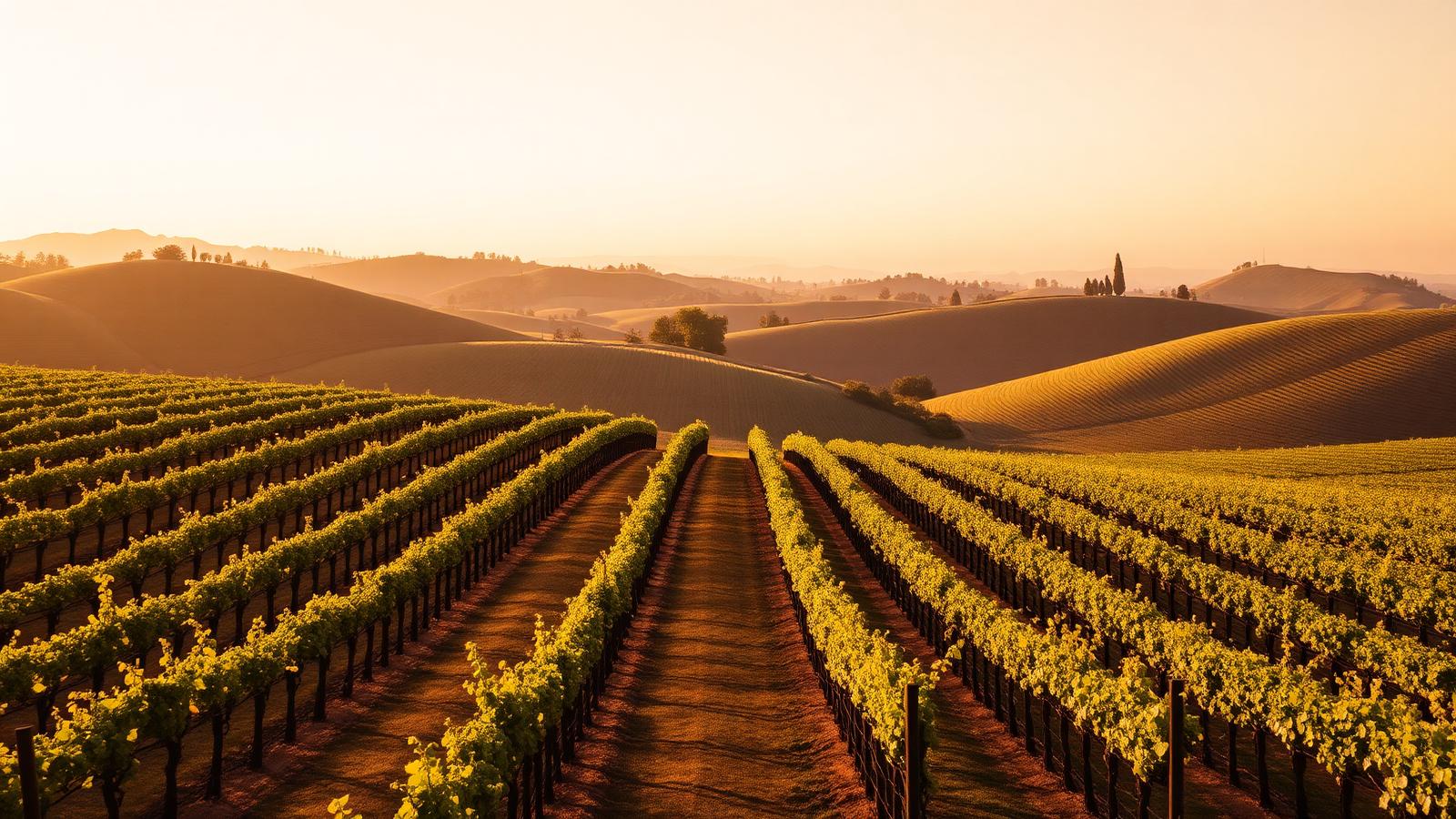
The distinct character of Tokaj begins with its volcanic soils, rich in minerals, born from ancient eruptions. These soils, combined with the region's specific climate — long, warm autumns, and the moisture from the Bodrog and Tisza rivers creating morning mists — are the perfect cradle for . This benevolent fungus gently shrivels the local white grapes, primarily , , and Sárgamuskotály, concentrating their juices into ambrosial nectars. The undulating landscape of hillsides shields the vines, ensuring ideal sun exposure and air circulation, vital for the development of these extraordinary grapes and the wines they yield.
Getting to know Tokaj
What Tokaj tastes like
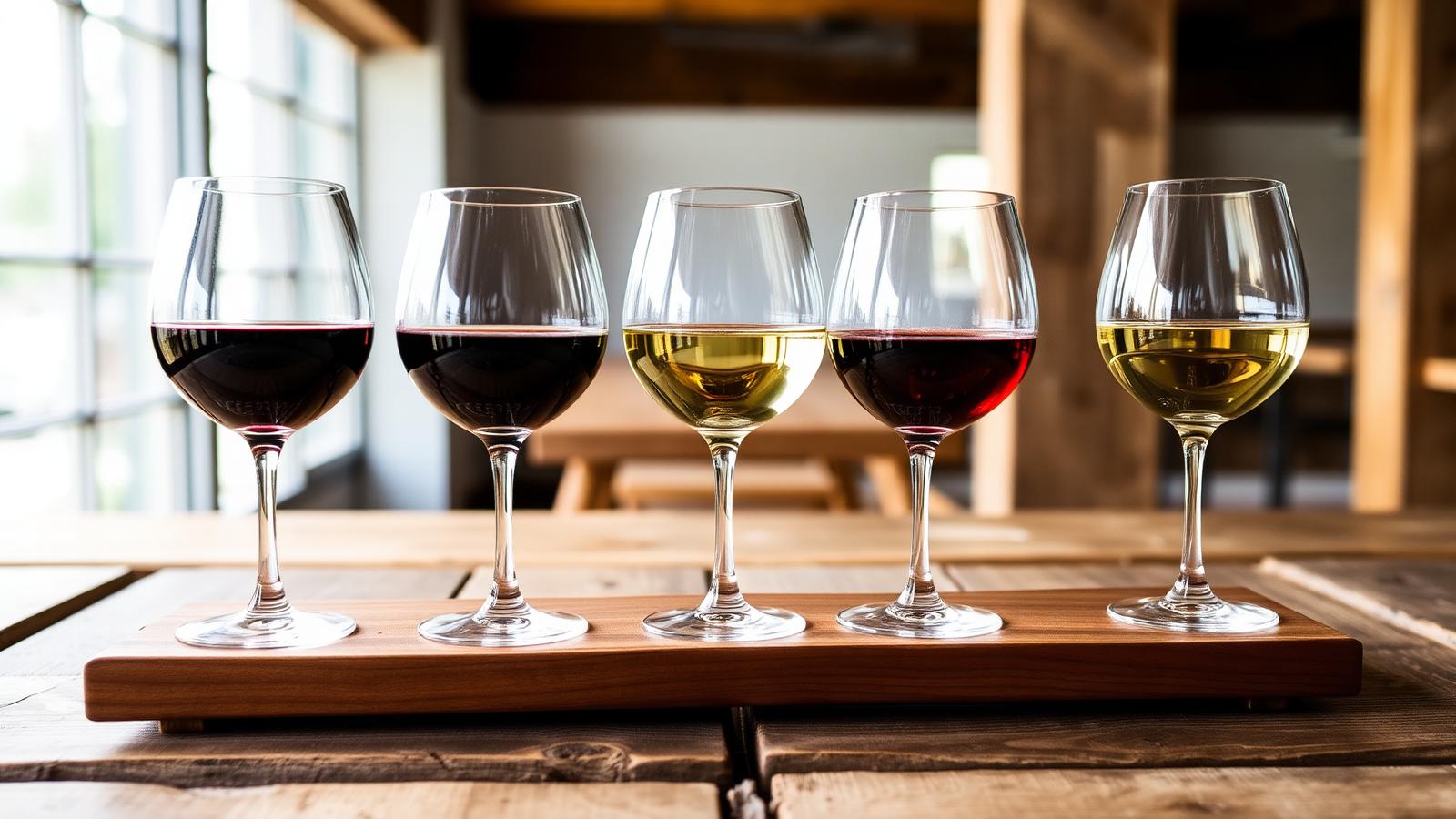
Wines from Tokaj tend to reflect the region's climate and terrain more than any single style. Look for a sense of place in the glass — mineral notes from stony soils, freshness where nights are cool, richer texture where the sun lingers longer. A short flight of local wines is the fastest way to feel the range.
Rhythms of the year
Tokaj moves with the seasons. Spring is quiet and green, summer brings long light and full terraces, harvest is intense and communal, and winter turns the vineyards into a stark, beautiful sculpture. Every season is a good reason to come — they just make very different trips.
Beyond the tasting room
Some of the most memorable moments in Tokaj happen away from the vines: a bakery in the next village over, a viewpoint at sunrise, a slow lunch that turns into a slow afternoon. Leave room in your itinerary for the things you can't plan.
Frequently asked questions
What is the best time of year to visit Tokaj for a wine experience?
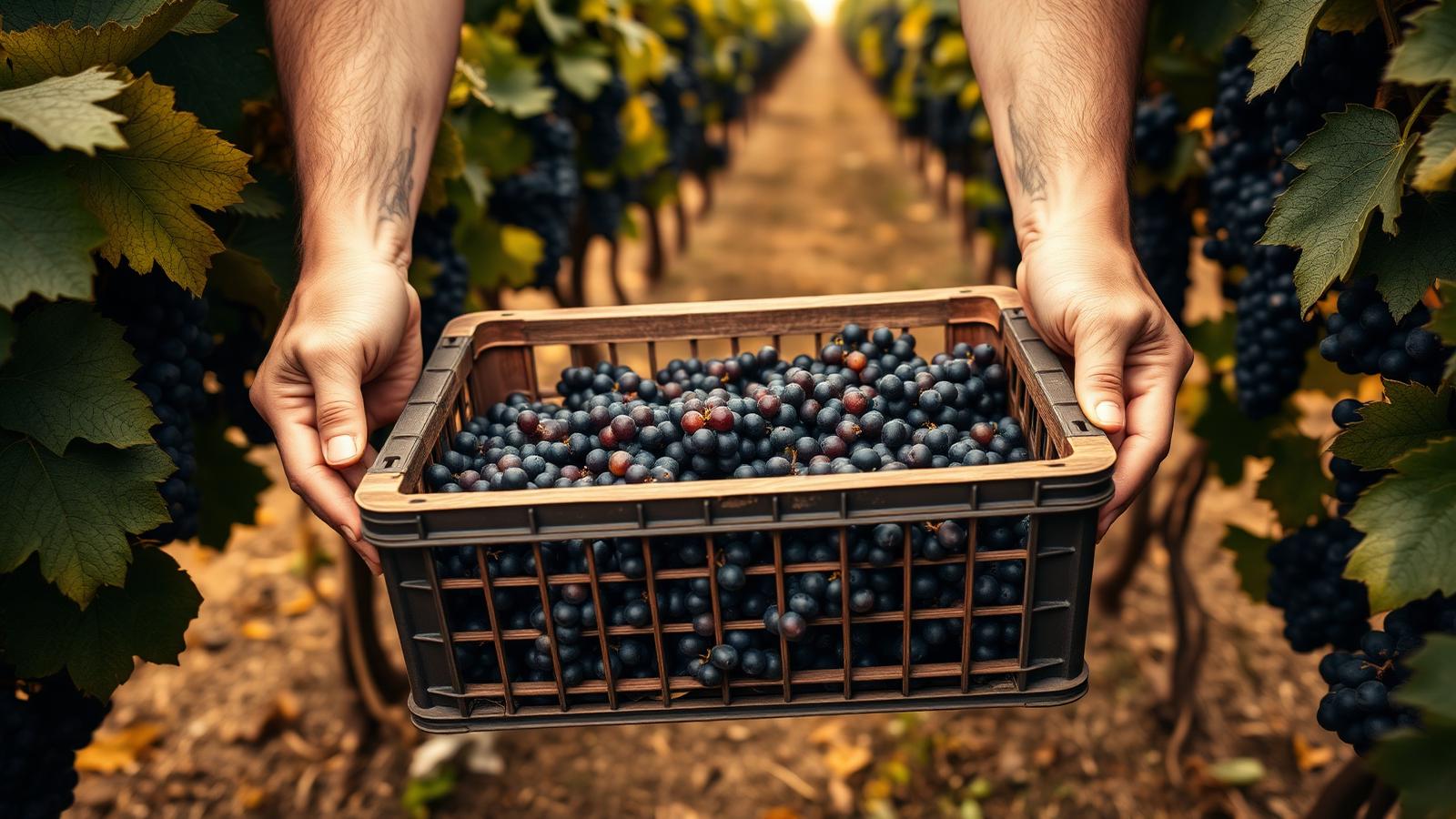
The ideal time to visit Tokaj is during the late summer and autumn, particularly from September to late October. This period coincides with the grape harvest, offering a magical insight into the winemaking process. The weather is generally pleasant, with cooler mornings and warm, sunny afternoons. You'll witness the vibrant activity in the vineyards and cellars, and the autumn foliage paints the landscape in breathtaking hues, making for exceptionally scenic drives and walks through the rolling hills.
What kind of accommodation options are available in Tokaj for travellers?
Tokaj offers a range of charming accommodation options that reflect its authentic character. You'll find beautifully restored guesthouses and boutique hotels nestled within the historic villages, often family-run, providing a personal touch. Many of these have their own small cellars or tasting rooms. For those seeking more rustic charm, there are also farm stays and country houses. It's advisable to book in advance, especially during the peak harvest season, to ensure your preferred choice.
Are there opportunities for activities beyond wine tasting in the Tokaj region?
Absolutely. While wine is central to Tokaj, the region offers plenty of other enriching experiences. You can explore the scenic Zemplén Mountains through hiking or cycling trails, visit the impressive medieval castles that dot the landscape, or take a peaceful boat trip along the Bodrog River. The local villages often have charming markets, and there are opportunities to discover traditional Hungarian crafts. The area's rich history and natural beauty provide a wonderful backdrop for a relaxing and engaging visit.
What should I know about dining and local cuisine when visiting Tokaj?
Dining in Tokaj is a delightful journey into Hungarian gastronomy. Expect hearty, flavorful dishes, with paprika playing a central role. Local specialties often include game, freshwater fish, and slow-cooked stews served with dumplings or fresh bread. Many establishments focus on using seasonal, local ingredients, ensuring freshness and authenticity. It's common for restaurants to offer pairings with local dry and sweet Tokaji wines, enhancing the culinary experience. Don't miss trying local cheeses and cured meats as appetizers.