

Lombardy (Lombardia) Wineries & Wine Tours
Bubbles from the Hills
Lombardy is perhaps most celebrated for its effervescent contributions, particularly the elegant sparkling wines born from its hilly terrains. Crafted with meticulous care, using the traditional method of secondary in the bottle, these wines embody refinement and complexity. Their fine, persistent bubbles and notes of toasted brioche, almond, and crisp orchard fruit speak of extended aging on the lees and the cool, invigorating air of their provenance. These celebrated sparklers are not merely beverages but an experience, perfect for toasting life's moments or simply savoring with the region’s delicate freshwater fish or renowned Risotto alla Milanese. They are a testament to patience and precision.
Alpine Influences & Lake Terroirs
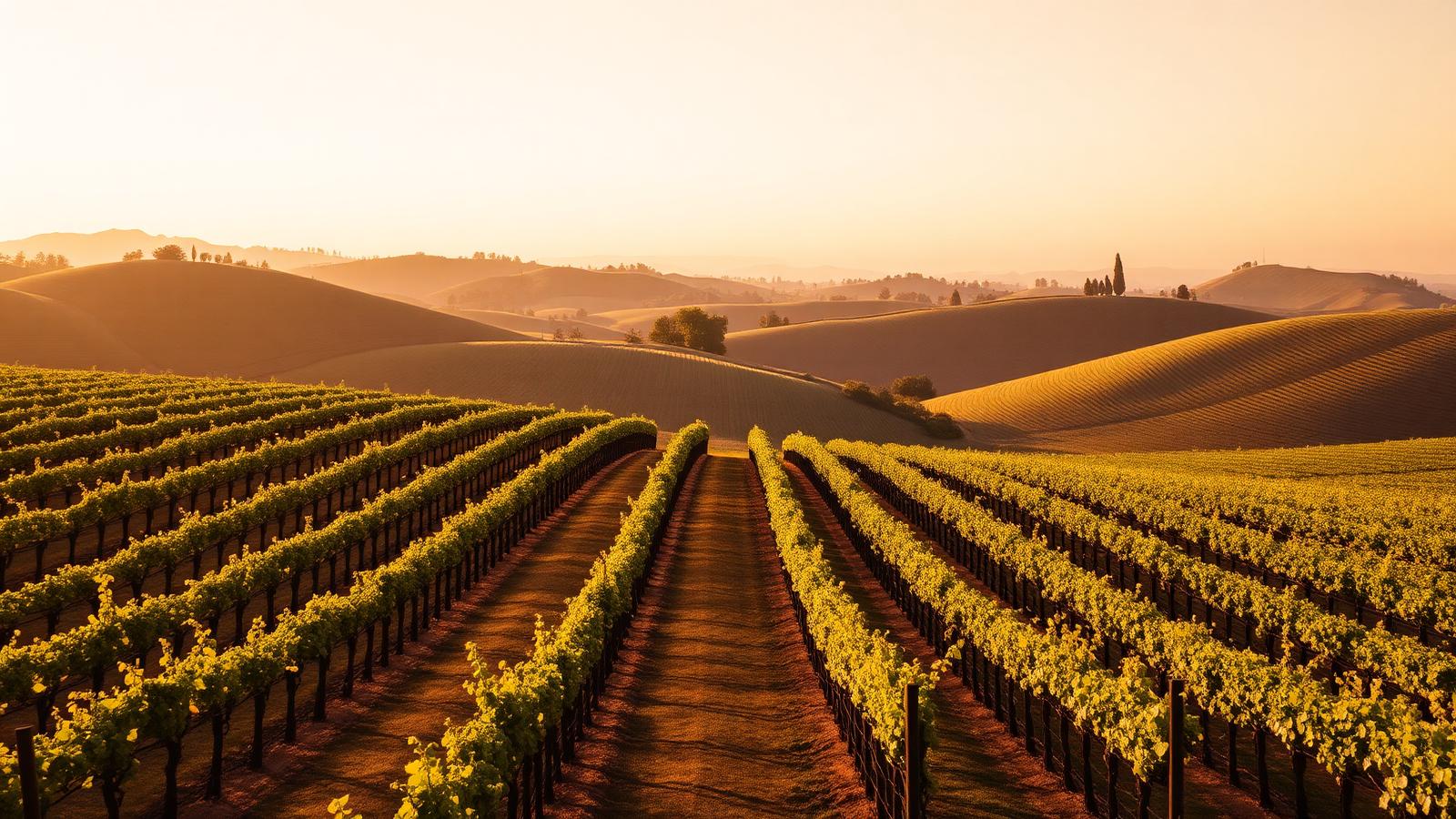
The dramatic geography of Lombardy shapes its viticulture profoundly. In the north, vineyards rise into the foothills of the Alps, where thin, stony soils and a distinct diurnal temperature variation encourage a slow, steady ripening, cultivating grapes with remarkable acidity and perfume. Moving south, the shimmering depths of Lake Garda, Lake Como, and Lake Iseo moderate the climate, protecting vines from harsh extremes and imbuing wines with a gentle warmth and characteristic freshness. This unique interplay of mountain chill and lake warmth creates microclimates unlike anywhere else, fostering a diversity of grape expressions, from delicate white aromatics to structured, age-worthy reds, each reflecting its specific piece of this stunning mosaic.
Flavors of the Lombard Table
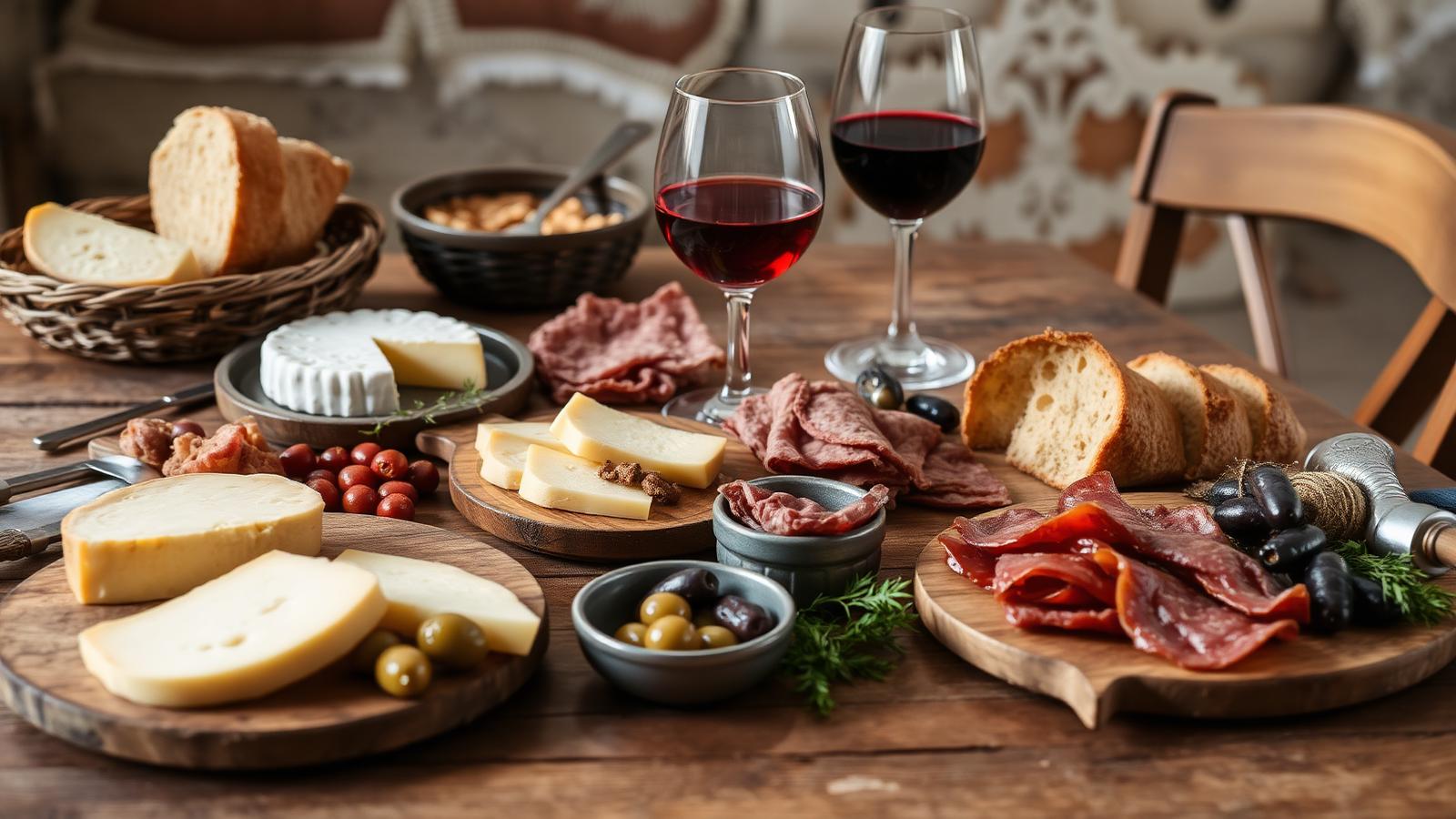
The culinary landscape of Lombardy is as rich and varied as its wines, built on hearty, comforting traditions that perfectly complement the local vintages. Think of creamy risottos, often golden with saffron or adorned with wild mushrooms, or rich, slow-cooked braised meats that melt in the mouth. Polenta, a staple, varies in texture and accompaniment, while the lakes provide exquisite freshwater fish, often simply grilled or baked. Cheeses, too, are a highlight, from mild, fresh varieties to aged, pungent blues. Each dish, prepared with honest, local ingredients, finds its natural partner in a Lombard wine, creating a symphony of flavors that truly defines the region's gastronomic soul.
Getting to know Lombardy (Lombardia)
What Lombardy (Lombardia) tastes like
Wines from Lombardy (Lombardia) tend to reflect the region's climate and terrain more than any single style. Look for a sense of place in the glass — mineral notes from stony soils, freshness where nights are cool, richer texture where the sun lingers longer. A short flight of local wines is the fastest way to feel the range.
Rhythms of the year
Lombardy (Lombardia) moves with the seasons. Spring is quiet and green, summer brings long light and full terraces, harvest is intense and communal, and winter turns the vineyards into a stark, beautiful sculpture. Every season is a good reason to come — they just make very different trips.
Beyond the tasting room
Some of the most memorable moments in Lombardy (Lombardia) happen away from the vines: a bakery in the next village over, a viewpoint at sunrise, a slow lunch that turns into a slow afternoon. Leave room in your itinerary for the things you can't plan.
Frequently asked questions
What is the best time of year to visit Lombardy for wine touring?
The ideal time to explore Lombardy's wine regions is generally from late spring (May-June) through early autumn (September-October). In spring, the vineyards burst with vibrant green, and the weather is pleasantly mild for strolling and outdoor dining. Autumn brings the excitement of the harvest, cooler temperatures, and stunning fall foliage, creating a magical atmosphere. Summer (July-August) can be warm, but the lakes offer a refreshing escape. Winter provides a quiet, serene beauty, though some smaller establishments might have limited hours.
Are vineyard visits and tastings generally accessible, or should I book in advance?
While some larger, more established properties might accommodate spontaneous visits, it is highly recommended to book vineyard tours and tastings in advance, especially during peak seasons or for groups. Many winemakers in Lombardy operate on a smaller scale and prefer to offer a personalized experience, which requires scheduling. A little planning ensures you can visit your preferred locations and avoid disappointment, allowing for a more relaxed and enjoyable exploration of the region's unique offerings.
What are the common grape varieties I'll encounter in Lombardy?
Lombardy boasts an impressive array of grape varieties, reflecting its diverse terroirs. For sparkling wines, expect to find , (Pinot Nero), and (). In its red wines, (locally known as Chiavennasca), , and Croatina are prominent, yielding structured and aromatic reds. White wines often feature local varieties like di Lugana (Turbiana), Erbamat, and Verdea, among others. This rich tapestry of grapes contributes to the region's distinct and varied wine styles, offering something for every palate.
Beyond wine, what other cultural or scenic attractions are worth exploring in Lombardy?
Lombardy offers a wealth of experiences beyond its vineyards. The stunning Italian lakes – Garda, Como, and Iseo – are perfect for scenic drives, boat trips, and exploring charming lakeside towns. Milan, the regional capital, is a hub of fashion, art, and history with architectural marvels and world-class museums. Further afield, explore ancient Roman cities, picturesque medieval villages, and breathtaking alpine landscapes. The region's rich gastronomic heritage, from fine dining to simple trattorias, is also a constant delight, ensuring a truly immersive cultural journey.