

Chianti Wine Guide
Villages and Vistas
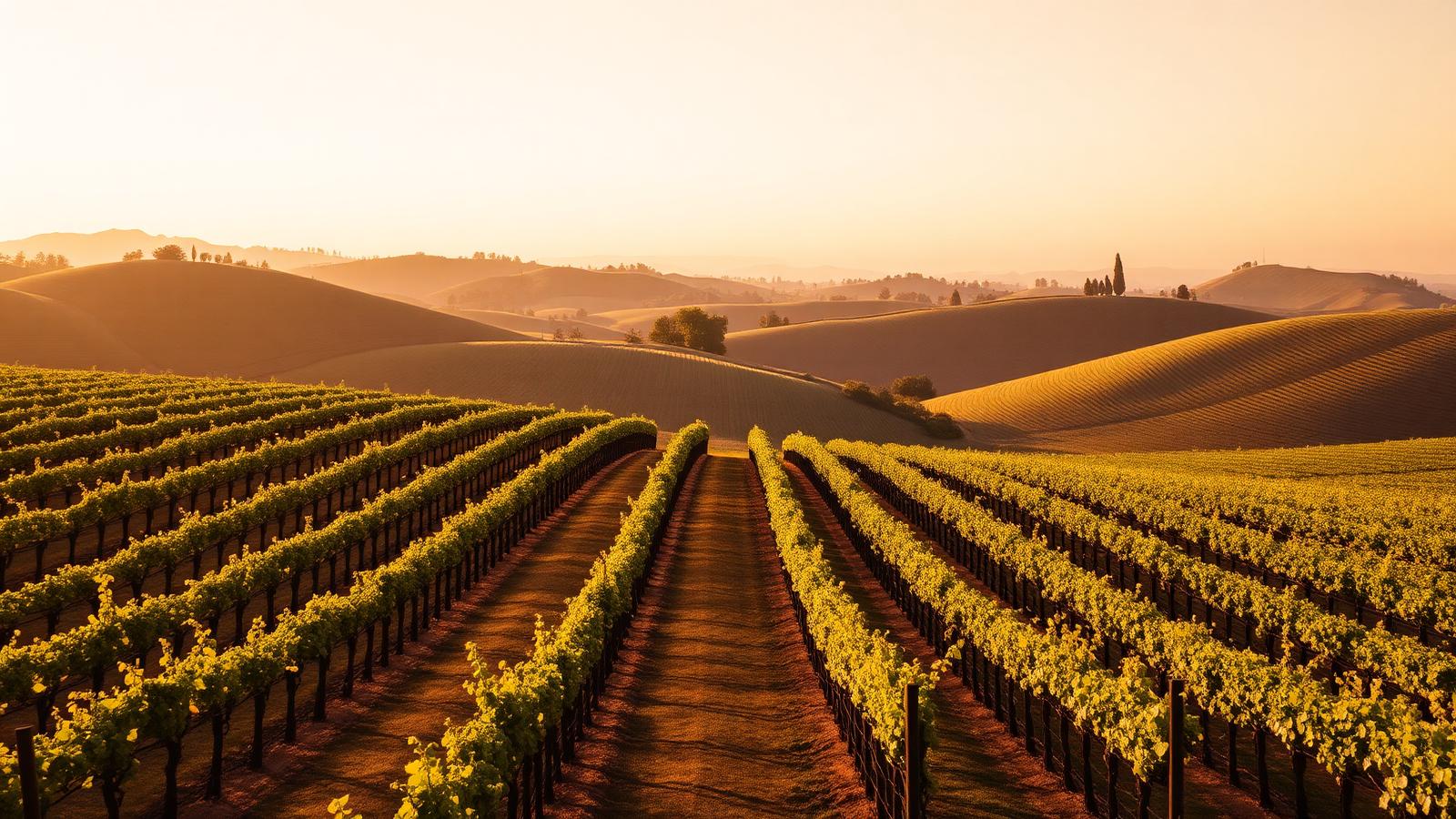
Life in Chianti gracefully follows the contours of the land. Medieval hamlets perch atop strategic hills, their stone walls weathered to a patina of time, offering panoramic views of the verdant countryside. Winding cypress-lined lanes connect these enchanting villages, each a haven of quiet charm with its central piazza, local trattoria, and artisan workshops. A day here might involve lingering over a leisurely lunch in a sun-dappled courtyard, exploring a historic church, or simply finding a quiet spot to gaze at the endless horizons, where rows of vines ripple across the landscape like green waves under the Tuscan sun.
The Terroir's Embrace
Chianti’s distinctive character is born from its varied soils and microclimates. Here, galestro, a marl-schist, and albarese, a limestone-sandstone, conspire beneath the vines, imparting a unique minerality to the grapes. The rolling hills create diverse exposures, from sun-drenched south-facing slopes that intensify grape ripeness to cooler, north-facing sites that preserve vital acidity. This intricate tapestry of earth and sky shapes the grape, allowing it to express itself with unmatched elegance and complexity, yielding wines of vibrant cherry, earthy undertones, and firm, age-worthy tannins. It is a that whispers tales of its ancient geological past.
Planning a visit to Chianti
Best time to visit Chianti
Late spring and early autumn are the choices — comfortable weather, generous light, and vineyards at their most photogenic. Summer is warmer and livelier, with long evenings and outdoor tables everywhere. Winter is peaceful, cellars are quiet, and there's a real intimacy to visits without the crowds.
Where to base yourself
The main village or town in Chianti is usually the easiest base — it puts you in walking distance of restaurants and daily life, with vineyards a short drive away. Staying in the countryside is quieter and more romantic, but you'll rely more on a car or a driver. Both are valid; pick the mood you want your trip to have.
Getting to Chianti
Most travellers reach Chianti by combining a flight into the nearest major city with a train, bus, or rental car for the last leg. Once you arrive, distances are usually short — many memorable days here involve less driving than you'd expect.
Making the most of a day in Chianti
A good day in Chianti tends to have a shape: a slow morning, a couple of unhurried tasting stops, a proper local lunch, and time in the late afternoon to walk, nap, or take in a view. Try not to over-plan — the best moments usually turn up between the ones you scheduled.
Frequently asked questions
What is the best way to get around Chianti to experience its charm fully?
To truly immerse yourself in Chianti's landscape and discover its hidden gems, renting a car is highly recommended. The region's winding, picturesque roads connect villages, wineries, and scenic viewpoints, offering unparalleled flexibility. Public transport options are limited and may not reach all rural areas. For a more leisurely experience in specific villages, walking is delightful, allowing you to appreciate the intricate details of ancient architecture and local life. Consider a combination, driving between locations and exploring on foot once you arrive.
What is the ideal time of year to visit Chianti for pleasant weather and fewer crowds?
The shoulder seasons – late April to early June and September to mid-October – are often considered the most enchanting times to visit. During these months, the weather is pleasantly warm without the intense heat of summer, perfect for exploring. The landscape is vibrant, either with spring blooms or the rich hues of autumn. Crowds are generally thinner than in peak summer, allowing for a more serene experience at popular sites and easier bookings for accommodations and meals. The vineyard activity, from budding to harvest, also adds to the seasonal atmosphere.
Are there specific etiquette considerations when visiting local establishments or enjoying meals in Chianti?
Chianti's charm lies in its relaxed yet respectful culture. When dining, a warm 'Buongiorno' or 'Buonasera' upon entering is appreciated. It's customary to wait to be seated in restaurants. Meals are unhurried, so embrace the slow pace. Tipping is not obligatory as service charges are often included, but rounding up or leaving a few euros for excellent service is a kind gesture. When visiting smaller, family-run establishments, engaging with local proprietors, even with a few Italian phrases, can greatly enhance your experience and is always well-received.
What should one pack for a trip to Chianti to be comfortable for various activities?
For a comfortable Chianti adventure, pack versatile clothing. Breathable fabrics like linen or cotton are ideal for warm days. Include layers for cooler mornings and evenings, especially outside of high summer. Comfortable walking shoes are essential for exploring villages and potentially venturing into vineyards. A light jacket or cardigan is wise even in warmer months. Don't forget a sun hat, sunglasses, and sunscreen, as the Tuscan sun can be strong. Consider a small backpack for daily excursions and perhaps an adaptor for electronics if travelling internationally.