

Chianti Classico Wine Guide
The Soul of Sangiovese
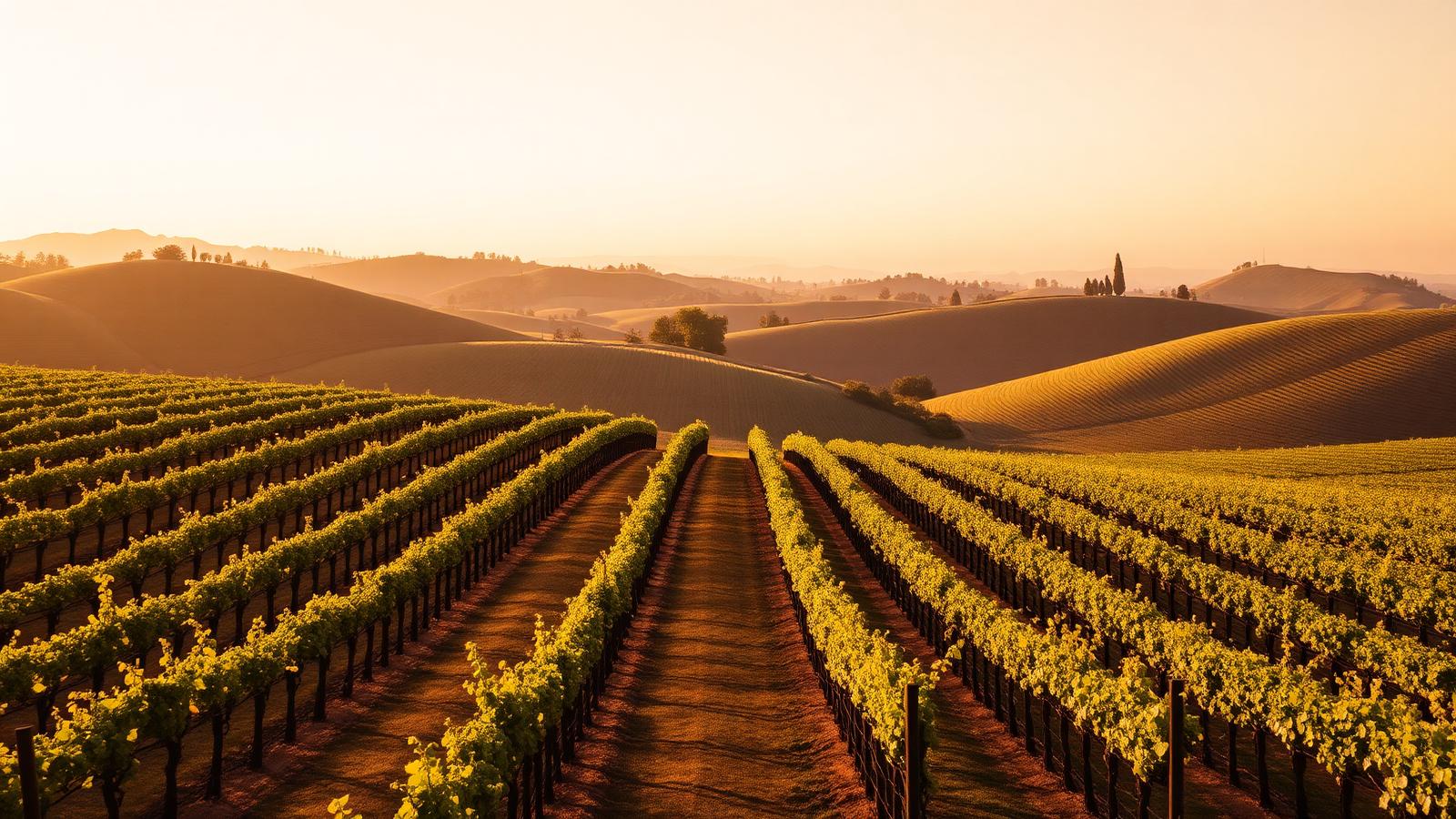
In Chianti , reigns supreme, not as a solitary monarch but as the very soul of the region. This grape, perfectly adapted to the local climate and diverse soils, offers a spectrum of expression, from vibrant, fruit-forward younger wines to complex, age-worthy reserves. Its characteristic acidity and firm tannins provide structure, while aromas of sour cherry, violet, and often a savory, earthy undertone captivate the senses. The nuanced interplay of sunshine and shade across these specific slopes, together with centuries of cultivation, imbues the wine with an unmistakable sense of place, a true reflection of the land from which it springs.
Planning a visit to Chianti Classico
Best time to visit Chianti Classico
Late spring and early autumn are the choices — comfortable weather, generous light, and vineyards at their most photogenic. Summer is warmer and livelier, with long evenings and outdoor tables everywhere. Winter is peaceful, cellars are quiet, and there's a real intimacy to visits without the crowds.
Where to base yourself
The main village or town in Chianti is usually the easiest base — it puts you in walking distance of restaurants and daily life, with vineyards a short drive away. Staying in the countryside is quieter and more romantic, but you'll rely more on a car or a driver. Both are valid; pick the mood you want your trip to have.
Getting to Chianti Classico
Most travellers reach Chianti by combining a flight into the nearest major city with a train, bus, or rental car for the last leg. Once you arrive, distances are usually short — many memorable days here involve less driving than you'd expect.
Making the most of a day in Chianti Classico
A good day in Chianti tends to have a shape: a slow morning, a couple of unhurried tasting stops, a proper local lunch, and time in the late afternoon to walk, nap, or take in a view. Try not to over-plan — the best moments usually turn up between the ones you scheduled.
Frequently asked questions
What is the best way to travel between the charming villages and vineyards within Chianti Classico?
While public transport connects some larger towns, the most enriching way to experience Chianti is by renting a car. This allows you the freedom to explore hidden lanes, picturesque villages, and the more secluded vineyard roads at your own pace. The roads are generally well-maintained, though some can be narrow and winding. Alternatively, several local companies offer private drivers or small-group tours that can customize itineraries, ensuring you can relax and fully immerse yourself in the scenery without the worry of navigation.
When is the most ideal time of year to visit Chianti Classico for a wine-focused trip?
Spring (April to June) and early autumn (September to October) are generally considered the most ideal times. In spring, the landscape bursts into vibrant green, wildflowers bloom, and the temperatures are pleasantly mild for touring and outdoor activities. Early autumn offers the magic of the harvest season, with bustling activity in the vineyards, warm golden light, and comfortable temperatures. Both periods avoid the intense heat and larger crowds of mid-summer, providing a more intimate and atmospheric experience.
Are day trips from Florence or Siena sufficient, or should I consider staying overnight in Chianti Classico itself?
While day trips from Florence or Siena can offer a taste of the region, staying overnight within Chianti itself is highly recommended for a truly immersive experience. This allows you to soak in the tranquil evenings, enjoy unhurried dinners, and wake up to the stunning vineyard sunrises. Many charming agriturismi and boutique accommodations offer a deeper connection to the local lifestyle, making your visit feel less rushed and more like a true Tuscan escape, capturing the peaceful rhythm of the countryside.
What culinary experiences, beyond wine tastings, should I seek out in Chianti Classico?
Beyond wine, Chianti offers a rich tapestry of culinary delights. Seek out cooking classes focused on traditional Tuscan fare, learning to prepare fresh pasta or sauces with local ingredients. Participate in olive oil tastings to appreciate the region's 'liquid gold.' Many small, family-run restaurants offer genuine farm-to-table experiences, highlighting local produce and expertly paired with regional wines. Visiting local markets in larger towns provides an authentic glimpse into the daily life and seasonal offerings of this gastronomic heartland.