

Wineries & Wine Tours in New Zealand
Regions
Across two islands, where green hills meet the deep blue of the Pacific, New Zealand whispers a promise of clarity and vibrant life. Here, the air itself seems to shimmer, carrying the scent of wild herbs and distant ocean spray. It's a land sculpted by ancient forces, where volcanic peaks stand sentinel over glacial valleys and sun-drenched plains, each microclimate a distinct brushstroke on a vast, verdant canvas.
To journey through New Zealand's wine regions is to embark on a pilgrimage of the senses. From the Marlborough Sounds, where cool breezes dance through vines, to the sun-kissed slopes of Hawke's Bay nurturing rich reds, every vista unfolds with breathtaking beauty. The light here is unique, crisp and pure, illuminating the landscape with an intensity that mirrors the wines themselves – bright, expressive, and unforgettable.
This is a place where winemaking is an art guided by nature, a respectful collaboration between human hands and the powerful, untamed spirit of the land. It invites you to slow down, to breathe deeply, and to taste the essence of a place where innovation thrives alongside a profound connection to the earth. It is an exploration not just of exquisite wines, but of the very soul of a dynamic and welcoming country.
An Island Tapestry
The wine regions of New Zealand are as varied and compelling as its dramatic scenery. In the South Island, the famed Marlborough plains spread out like a verdant carpet, their gravelly soils and cool maritime climate perfectly suited to crafting distinctive, aromatic cool-climate wines. Further south, Central Otago's dramatic, mountainous terrain and continental climate offer a stark contrast, producing elegant reds that speak of sun-drenched days and crisp, clear nights. Across the Cook Strait, the North Island presents a different character, with Hawke's Bay's warmer climes yielding wines of depth and structure, while Gisborne basks in early morning sun, fostering rich, textural expressions. This geographical diversity is New Zealand's secret, allowing a stunning array of varietals to flourish, each a pure expression of its unique home.
The Rhythm of Seasons
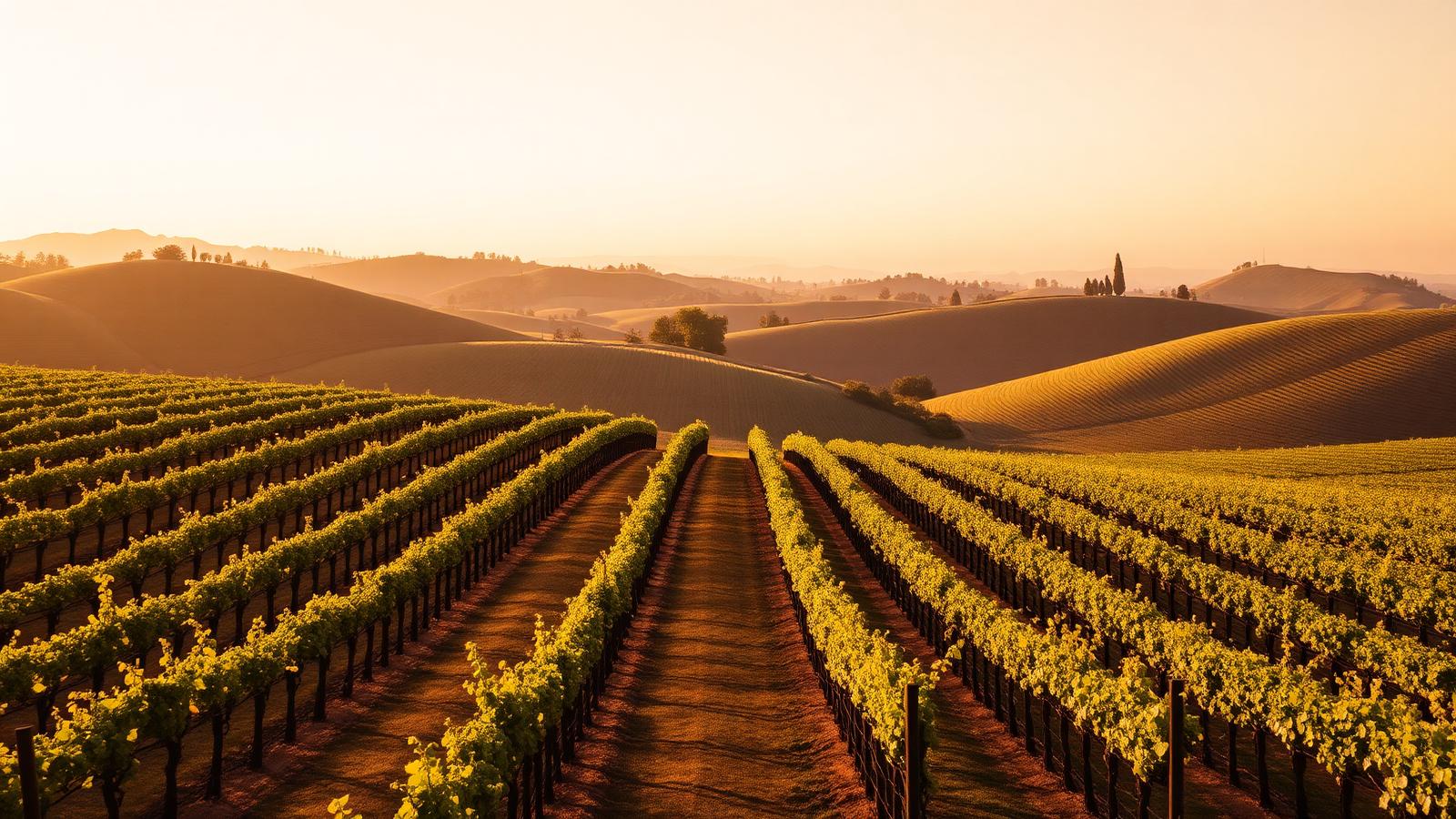
The land here pulses with the rhythm of the seasons, each bringing its own magic to the vineyards. Spring awakens the dormant vines with a burst of new growth, promising a fresh cycle of life. Summer bathes the vineyards in golden light, ripening the grapes under long, gentle days and cool, clear nights, allowing for slow, concentrated flavour development. Autumn arrives with the anticipation of harvest, a period of intense activity and quiet reflection as the fruit is gathered, each berry a testament to a year's dedication. Winter brings a serene hush, a time for the land to rest and rejuvenate, and for the winemakers to nurture their young wines in tranquil cellars. This annual ballet of nature profoundly shapes the character and vitality of every bottle, offering a genuine taste of time and place.
What makes a trip here special
A landscape shaped by the vine
Vineyards in New Zealand follow the geography — rivers, ridgelines, coastlines, and altitude all leave their fingerprints on the wine. Driving between regions is often as memorable as the tastings themselves.
Food that grew up next to the wine
The best pairings for New Zealand's wines are almost always the dishes that grew up alongside them. Local markets, family-run restaurants, and roadside stops turn a wine trip into a full sensory tour of the country.
A calendar worth planning around
Harvest, pruning, spring flowering, and long lazy summers each give New Zealand's wine regions a completely different mood. Choosing when you visit is almost as important as choosing where.
Frequently asked questions
What's the best time of year to visit New Zealand for a wine tour?
The shoulder seasons, spring (September to November) and autumn (March to May), are often ideal. Spring offers vibrant new growth in the vineyards and pleasant weather for exploring, while autumn coincides with the grape harvest, a truly exciting time to witness the winemaking process firsthand. Summer (December to February) brings warm, sunny days perfect for outdoor enjoyment, though it can also be the busiest tourist period. Winter (June to August) is quieter, offering serene landscapes and cozy experiences, especially for those interested in deeper conversations with winemakers.
Do I need a car to explore the wine regions, or are there other transport options?
While having a car offers the most flexibility to explore at your own pace and discover hidden gems, it's not strictly necessary. Many regions, particularly Marlborough and Hawke's Bay, have excellent wine tour operators that offer guided experiences, ensuring you don't have to worry about driving and can fully enjoy the tastings. Bicycle rentals are also popular in some flatter regions for a leisurely exploration. Additionally, a select few towns boast cellar doors within walking or short taxi distance from accommodation, making for a relaxed experience.
What are the essential wine varieties New Zealand is known for that I should try?
When exploring New Zealand's wine country, you absolutely must experience , particularly from Marlborough, for its vibrant and distinctive character. Equally compelling are the Pinot Noirs from Central Otago and Martinborough, known for their elegance and complexity. Don't overlook the , especially those with some barrel influence, which showcase the country's ability to produce world-class expressions. Lastly, explore the aromatic varieties like and , often crafted with beautiful purity, and the emerging red blends from Hawke's Bay, which offer wonderful depth and structure.
Are cellar door visits typically free, or should I expect tasting fees?
Most cellar doors in New Zealand charge a small tasting fee, which is quite standard for premium wine regions worldwide. These fees contribute to the cost of staffing, glassware, and the experience provided. Often, this fee is waived or redeemable against the purchase of a bottle of wine, encouraging visitors to take home a taste of their journey. Some smaller, boutique producers might offer complimentary tastings, particularly if you're engaging in a more in-depth conversation or private appointment. It's always a good idea to check a winery's website or call ahead for their current policy.