

Andalusia Wineries & Wine Tours
Sub-regions
The Soul of Albariza
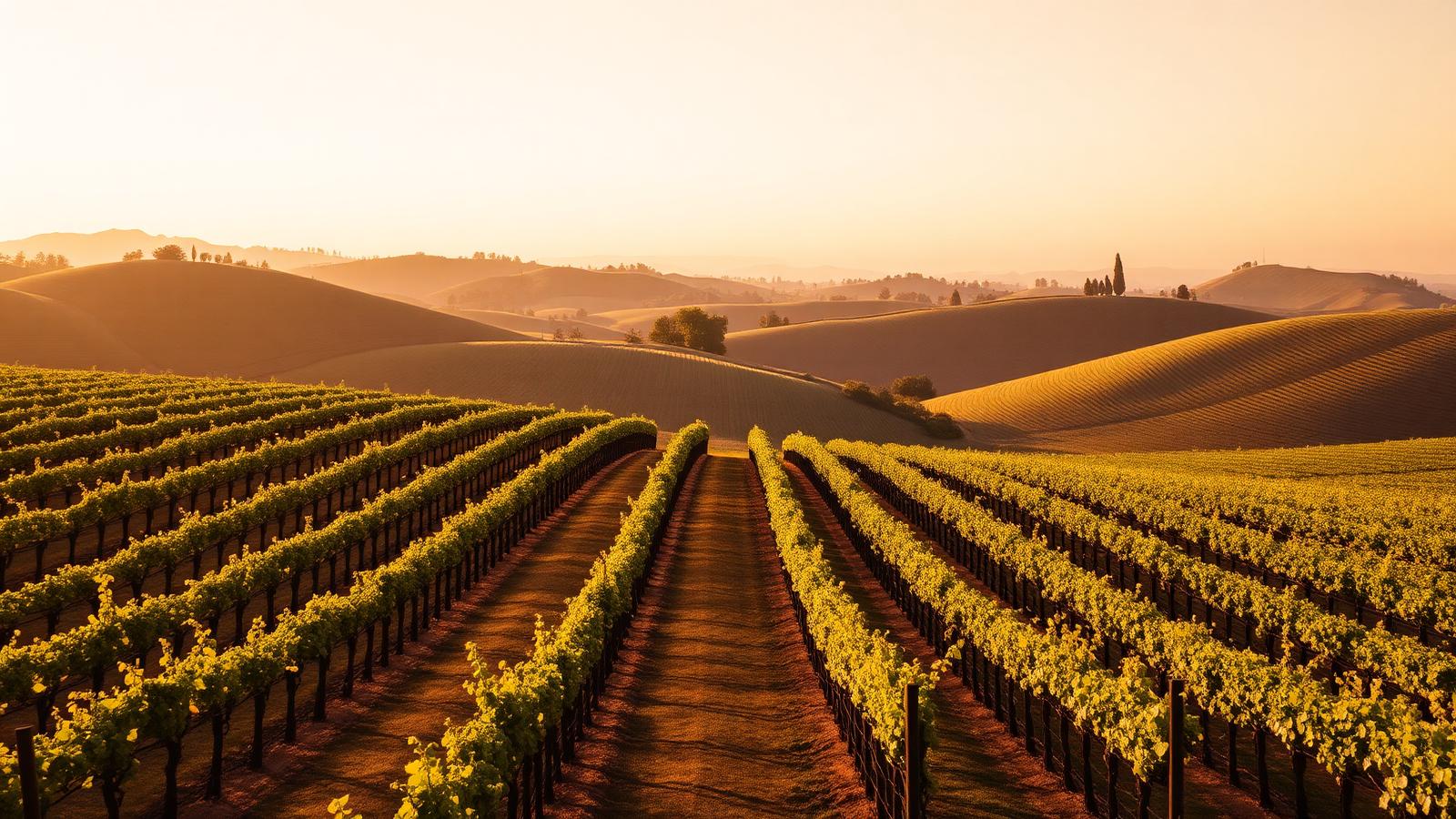
The dazzling white albariza soil is Andalusia’s true treasure, a geological marvel that defines its most iconic wines. This unique blend of marine fossils and chalk acts like a sponge, soaking up the winter rains and slowly releasing moisture during the long, arid summers. It carves the landscape into undulating, sun-reflecting curves, giving the vineyards an ethereal glow. This particular , coupled with the relentless Andalusian sun and cooling Atlantic breezes, creates microclimates perfect for cultivation. The vines push deep, drawing distinctive minerality and saline notes, crafting wines found nowhere else on earth, deeply connected to this specific, luminous land.
Getting to know Andalusia
What Andalusia tastes like
Wines from Andalusia tend to reflect the region's climate and terrain more than any single style. Look for a sense of place in the glass — mineral notes from stony soils, freshness where nights are cool, richer texture where the sun lingers longer. A short flight of local wines is the fastest way to feel the range.
Rhythms of the year
Andalusia moves with the seasons. Spring is quiet and green, summer brings long light and full terraces, harvest is intense and communal, and winter turns the vineyards into a stark, beautiful sculpture. Every season is a good reason to come — they just make very different trips.
Beyond the tasting room
Some of the most memorable moments in Andalusia happen away from the vines: a bakery in the next village over, a viewpoint at sunrise, a slow lunch that turns into a slow afternoon. Leave room in your itinerary for the things you can't plan.
Frequently asked questions
What is the best time of year to visit Andalusia for a wine trip?
The shoulder seasons, spring (April to May) and autumn (September to October), are ideal for a wine trip to Andalusia. In spring, the vineyards are vibrant green, the orange blossoms perfume the air, and the weather is pleasantly warm for exploring. Autumn brings the excitement of harvest, cooler temperatures perfect for walking, and the chance to witness the winemaking process firsthand. Summers can be very hot, sometimes exceeding 40°C inland, which might be less comfortable for extensive outdoor activities or cellar tours.
What kind of transportation should I consider for touring the wine regions?
Renting a car offers the most flexibility for exploring Andalusia’s wine regions, allowing you to discover charming villages and vineyards at your own pace. The road networks are generally excellent. Alternatively, many specialized local tour operators offer guided excursions, which can be a convenient option if you prefer not to drive, especially if you plan to enjoy tastings. Public transport connects major towns, but access to smaller, more rural bodegas might be limited without a car or a guided tour.
Are most wine experiences and tastings accessible to English speakers?
While Spanish is the primary language, many of the larger bodegas and more established wine experiences in Andalusia, particularly in popular wine destinations, will have staff who can conduct tours and tastings in English. However, for smaller, family-run bodegas or less tourist-frequented areas, it’s advisable to inquire in advance or consider a tour with an English-speaking guide. Learning a few basic Spanish phrases will always enhance your experience and endear you to the locals.
Beyond wine, what local culinary experiences should I seek out?
Andalusia is a gastronomic paradise! You must try the regional jamón ibérico, particularly from the Sierra de Huelva, and the incredibly diverse range of tapas – small, flavorful dishes perfect for sharing. Look for fresh seafood on the coasts, especially fried 'pescaíto frito' or grilled prawns. Don't miss sampling the local olive oils, which are among the world's finest, and explore the robust stews and intricate pastries often influenced by Moorish traditions. Finish many meals with a delicate, fruit-driven local dessert wine.