

Aragon Wineries & Wine Tours
Sub-regions
Garnacha's Kingdom Rises
Aragon is, in many ways, the spiritual home of , where this noble grape achieves unparalleled expression. From the gnarled, ancient bush vines clinging to the rocky soils of Calatayud to the gentler slopes of Campo de Borja, Garnacha here reveals a spectrum of personalities. It yields wines of profound depth, vibrant fruit, and often a captivating minerality. These are wines that speak of the sun and the stone, of cool nights after burning days, carrying the essence of a land that has cultivated this grape for centuries, producing reds that are both powerful and elegantly structured, a true reflection of Aragonese .
A Landscape of Contrasts
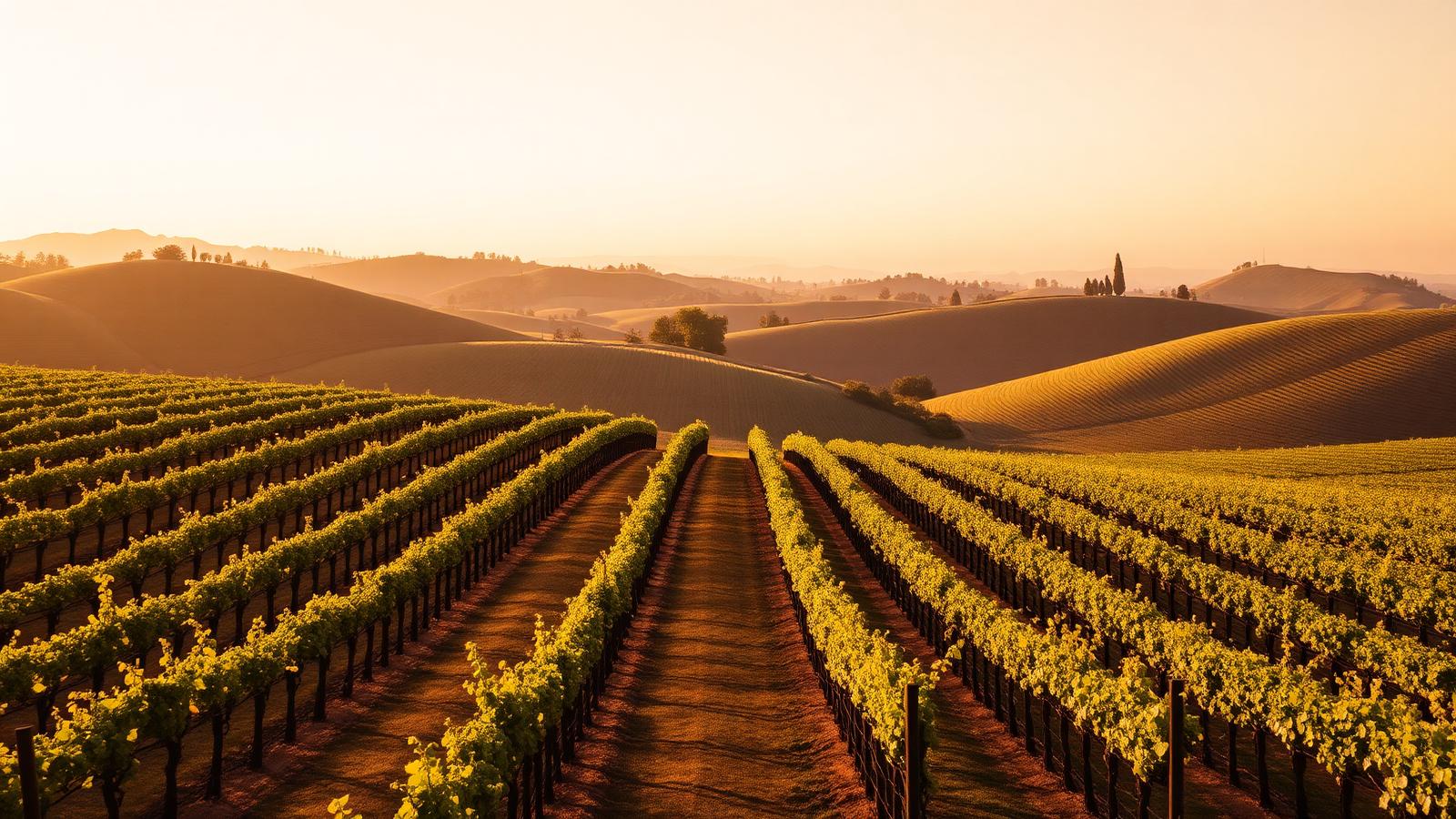
The Aragonese landscape is a dramatic stage where vineyards thrive against a backdrop of imposing mountains and vast plains. The distant Pyrenees cast long shadows, while the Moncayo massif influences the winds and temperatures, creating a unique microclimate essential for grape maturation. This diverse terrain, ranging from stony, iron-rich soils to calcareous clay, imparts distinct characteristics to the wines. Imagine the resilient vines, etched into a land that has seen empires rise and fall, absorbing the ancient wisdom of the earth. The rugged beauty of the countryside, dotted with historic villages, offers a journey through breathtaking vistas and viticultural heritage.
Getting to know Aragon
What Aragon tastes like
Wines from Aragon tend to reflect the region's climate and terrain more than any single style. Look for a sense of place in the glass — mineral notes from stony soils, freshness where nights are cool, richer texture where the sun lingers longer. A short flight of local wines is the fastest way to feel the range.
Rhythms of the year
Aragon moves with the seasons. Spring is quiet and green, summer brings long light and full terraces, harvest is intense and communal, and winter turns the vineyards into a stark, beautiful sculpture. Every season is a good reason to come — they just make very different trips.
Beyond the tasting room
Some of the most memorable moments in Aragon happen away from the vines: a bakery in the next village over, a viewpoint at sunrise, a slow lunch that turns into a slow afternoon. Leave room in your itinerary for the things you can't plan.
Frequently asked questions
What is the best time of year to visit Aragon for a wine tour?
The ideal times to experience Aragon's wine country are spring (April-May) and autumn (September-October). In spring, the vineyards burst with fresh growth, and the weather is pleasantly mild, perfect for exploring. Autumn brings the excitement of harvest, vibrant foliage, and cooler temperatures that are still very comfortable. Summers can be quite hot, especially in July and August, while winters offer a quieter, more contemplative experience, though many wine properties may have reduced visiting hours.
What are the typical transportation options for exploring the wine regions within Aragon?
For truly flexible and immersive exploration of Aragon's wine regions, a rental car is highly recommended. This allows you to navigate the scenic rural roads at your own pace, access smaller villages, and visit various wine properties directly. Public transport can be limited in rural areas. Taxis or private drivers can be arranged for specific excursions, particularly if you plan to enjoy tastings without driving. Some regional tour operators also offer guided excursions from major cities like Zaragoza into the wine areas.
Are most wine properties in Aragon open for drop-in visits, or should I book in advance?
While some larger, more established wine properties may accommodate walk-in visitors for a tasting or purchase, it is highly advisable to book all vineyard visits and tastings in advance. Many smaller, family-run establishments operate with limited staff and appreciate prior notification. Booking ensures availability, allows them to prepare for your arrival, and often guarantees a more personalized and informative experience, possibly even including a tour of their facilities. This is especially true during harvest season or weekends.
What kind of local food specialties should I look for to pair with Aragonese wines?
Aragon's cuisine is hearty and rich, perfectly complementing its wines. Be sure to try `Ternasco de Aragón`, a succulent roast lamb, often cooked with potatoes and herbs. `Borrajas` (borage), a local leafy green, is prepared simply or with ham. Look for `longaniza` (local sausage) and `jamón de Teruel` (cured ham) as starters. For dessert, `Frutas de Aragón`, candied fruits covered in chocolate, are a regional delight. These dishes, rooted in tradition and local produce, truly enhance the experience of Aragonese wines.