

Balearic Islands Wineries & Wine Tours
Sub-regions
The Quiet Charm
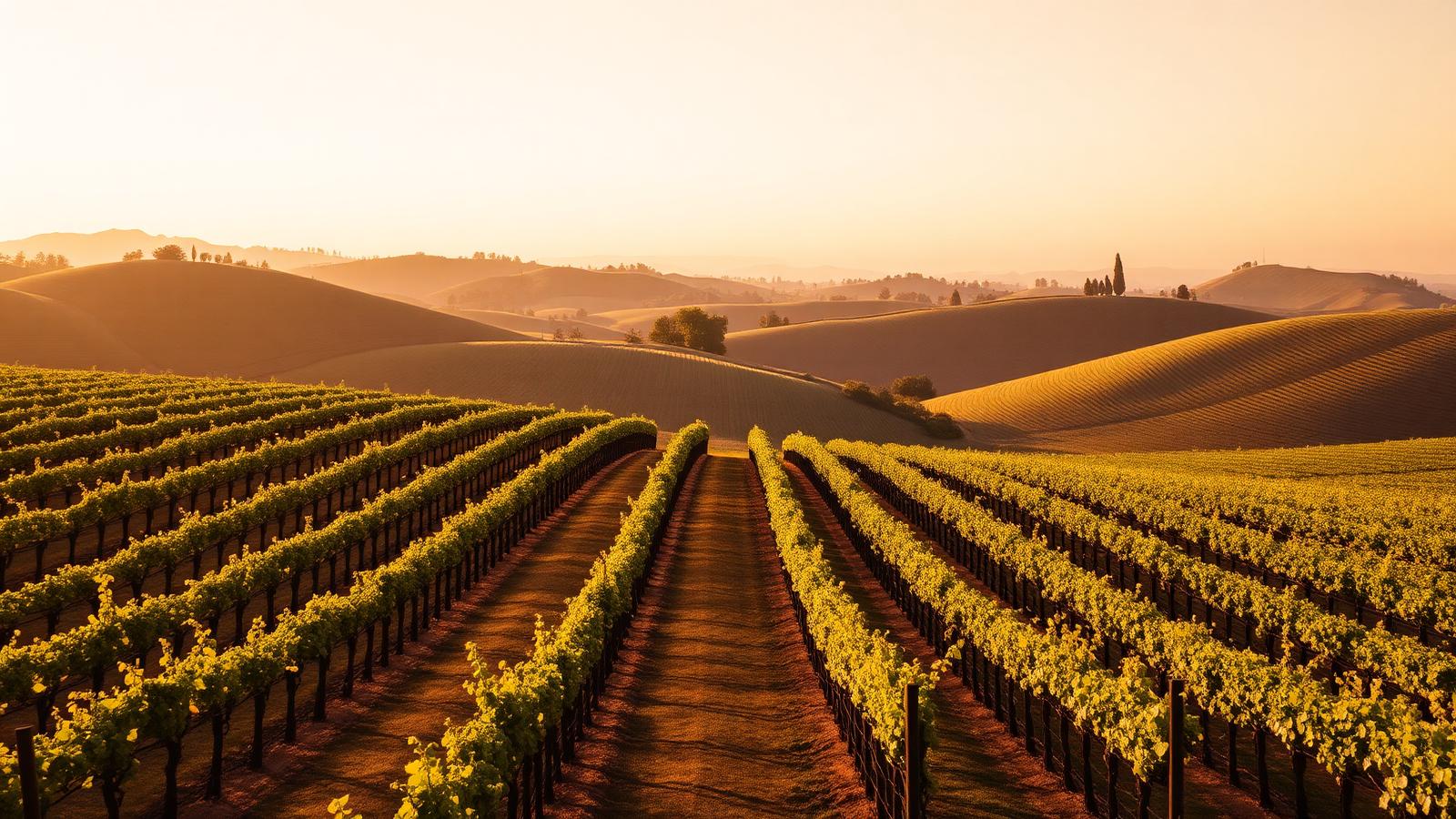
Beyond the bustling coastlines, the true spirit of the Balearics emerges in its interior, in sleepy villages and undulating vineyards. Here, life proceeds at a measured, unhurried pace, much like the slow ripening of grapes under the Mediterranean sun. Exploring these rural landscapes allows for an immersion into the island's authentic culture, where ancient olive groves stand alongside rows of vines. It's an experience of gentle beauty, of warm hospitality, and the quiet satisfaction found in observing the centuries-old dedication to the land and its bounty, far from the madding crowd, beneath a limitless sky.
Island Terroir & Grapes
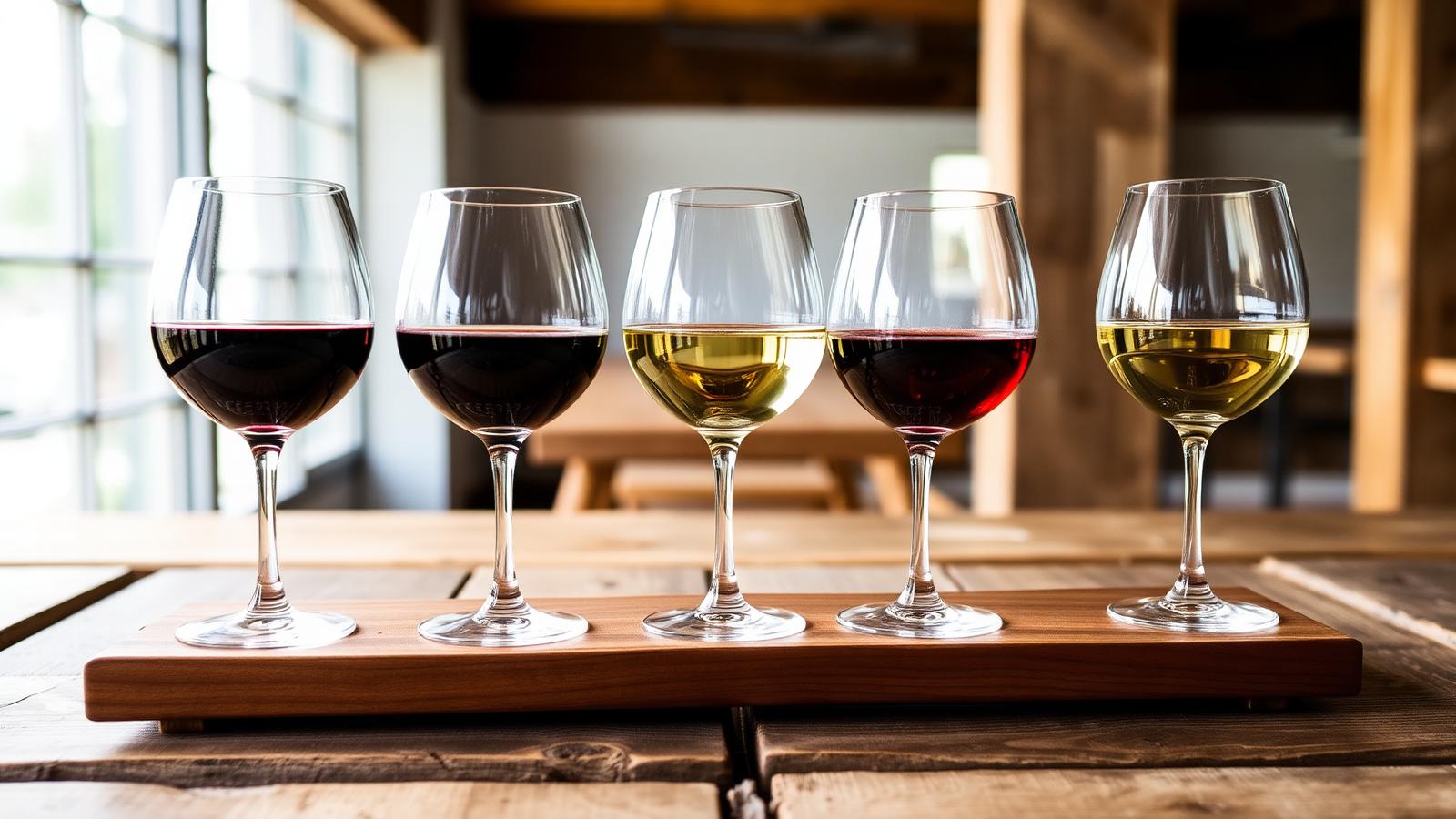
The Balearic is a fascinating blend of iron-rich red soils, limestone, and sandy stretches, all profoundly influenced by the Mediterranean Sea. This unique composition, combined with abundant sunshine and cooling sea breezes, creates ideal conditions for cultivating grapes with distinct character. Indigenous varietals such as Callet and Mantonegro for reds, and Prensal Blanc (also known as Moll) and for whites, are the stars here. These grapes yield wines that are often vibrant and aromatic, with a noticeable minerality and a refreshing salinity that speaks of their maritime origins, truly capturing the essence of the islands in every bottle.
Cuisine & Wine Pairings
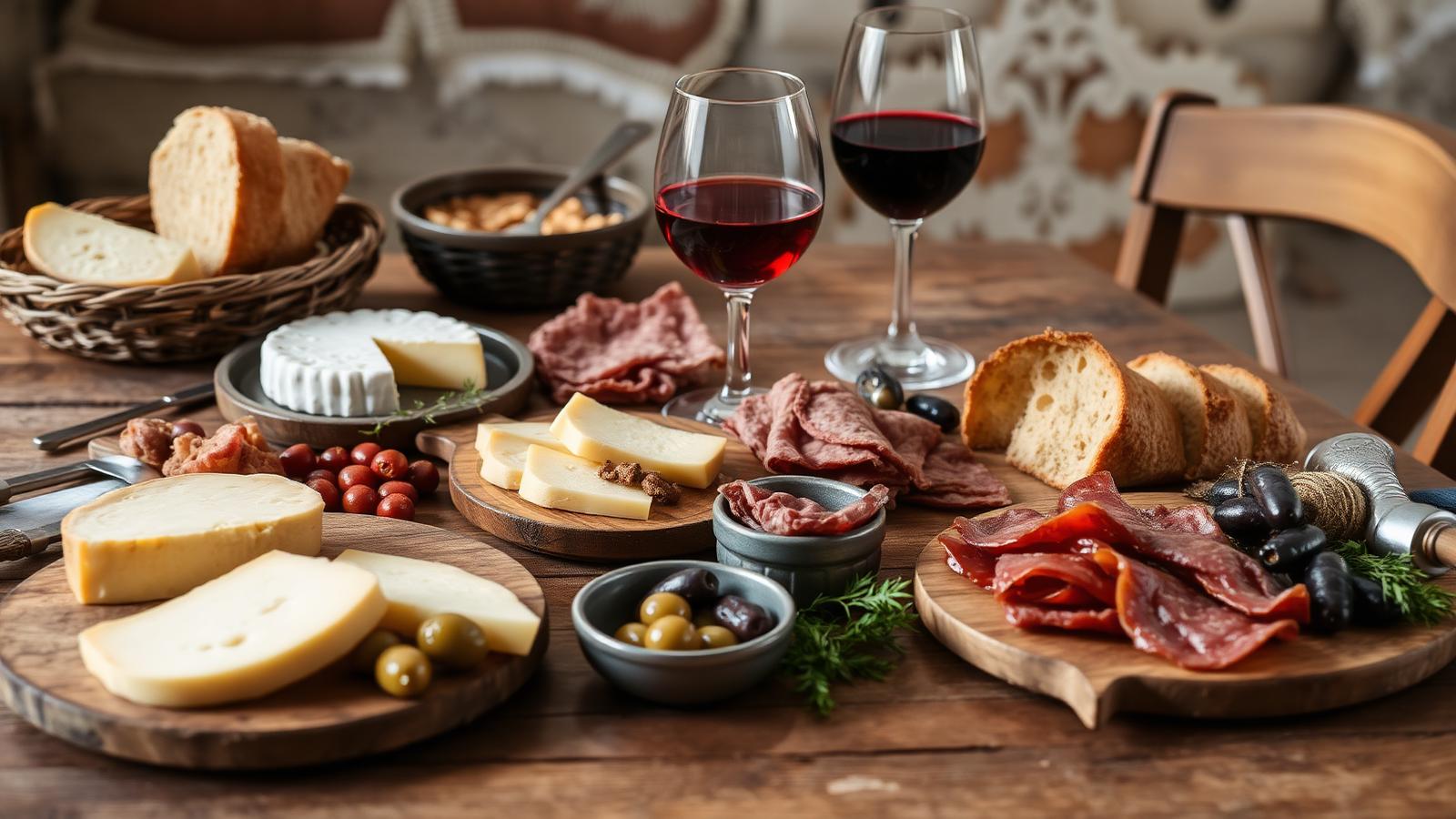
Balearic cuisine is a celebration of fresh, local ingredients, perfectly complementing the island's wines. Picture long, leisurely lunches in sun-dappled courtyards, where dishes like *fideuà*, *sobrassada*, and fresh seafood paella grace the table. The crisp, aromatic white wines, often made from Prensal Blanc or a blend, are a sublime pairing for grilled fish, seafood stews, and light salads. For richer flavors like roast suckling pig or hearty stews, the islands' medium-bodied red wines, with their soft tannins and notes of wild herbs, offer a harmonious counterpoint, enhancing rather than overpowering the meal.
Getting to know Balearic Islands
What Balearic Islands tastes like
Wines from Balearic Islands tend to reflect the region's climate and terrain more than any single style. Look for a sense of place in the glass — mineral notes from stony soils, freshness where nights are cool, richer texture where the sun lingers longer. A short flight of local wines is the fastest way to feel the range.
Rhythms of the year
Balearic Islands moves with the seasons. Spring is quiet and green, summer brings long light and full terraces, harvest is intense and communal, and winter turns the vineyards into a stark, beautiful sculpture. Every season is a good reason to come — they just make very different trips.
Beyond the tasting room
Some of the most memorable moments in Balearic Islands happen away from the vines: a bakery in the next village over, a viewpoint at sunrise, a slow lunch that turns into a slow afternoon. Leave room in your itinerary for the things you can't plan.
Frequently asked questions
When is the best time of year to visit the Balearic Islands for a wine-focused trip?
The shoulder seasons, spring (April-May) and autumn (September-October), are ideal for a Balearic wine trip. In spring, the islands are lush and green, with pleasant temperatures perfect for exploring vineyards, and many estates are preparing for the new vintage. Autumn offers the excitement of the harvest season, with the air filled with the scent of fermenting grapes and winemakers actively engaged in production. Summers can be quite hot, making vineyard walks less comfortable, while winter can be quiet, with some smaller producers operating on reduced hours.
What kind of transportation is recommended for exploring the wine regions across the islands?
Renting a car is highly recommended for exploring the Balearic wine regions. While some larger towns have public transport links, many vineyards and charming rural villages are nestled off the main routes and are best accessed independently. This provides the freedom and flexibility to set your own pace, linger longer at a picturesque spot, or spontaneously detour down a scenic country lane. Ensure you are comfortable with narrow, winding roads in some areas, especially in the more mountainous parts of the islands.
Are private wine tastings and tours easily arranged, or should I book far in advance?
While some larger estates may offer walk-in tastings, it's generally advisable to book private wine tastings and tours in advance, especially if you have specific producers or experiences in mind. Many smaller, family-run vineyards prioritize a personal touch and may require appointments to ensure someone is available to host you. Booking ahead, particularly during peak season or for group visits, will guarantee availability and allow for a more intimate, tailored experience. Local tourism offices can also be a good resource for finding reputable vineyard tours.
What unique cultural experiences, beyond wine, can I integrate into my Balearic Islands itinerary?
Beyond the vineyards, the Balearic Islands offer a rich tapestry of cultural experiences. Explore the charming old towns of Palma or Ciutadella, with their narrow cobblestone streets, Gothic cathedrals, and vibrant markets. Discover ancient Talayotic ruins, remnants of the islands' prehistoric past, or hike along picturesque coastal paths with breathtaking sea views. Indulge in the local gastronomy, from traditional *ensaimadas* to fresh seafood, and immerse yourself in the island's relaxed pace of life, perhaps by simply enjoying a long, unhurried meal overlooking the Mediterranean.