

Canary Islands Wineries & Wine Tours
Sub-regions

Indigenous Grape Varietals
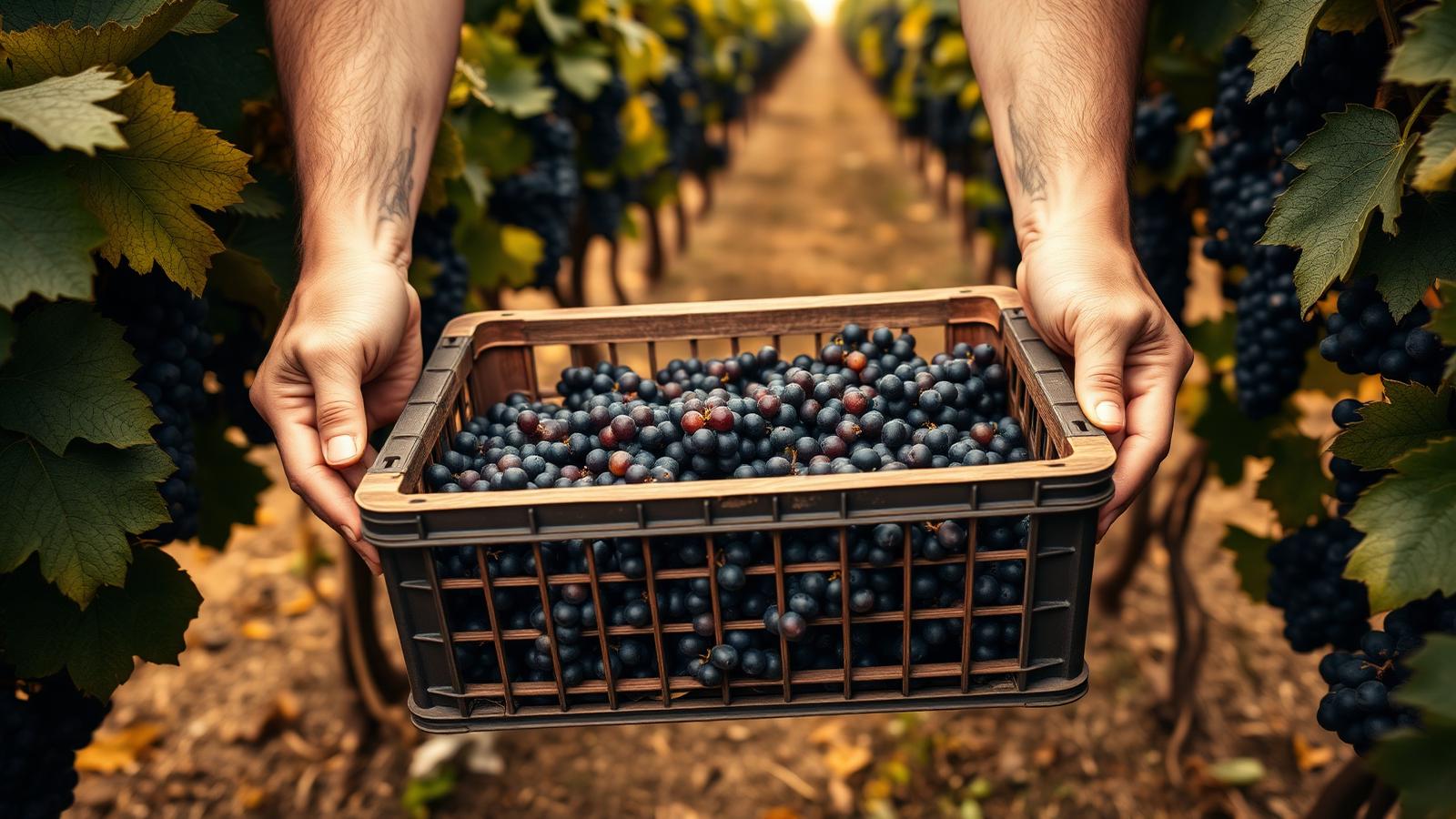
The isolation of the Canary Islands has preserved a treasure trove of indigenous grape varieties, many found nowhere else in the world. Listán Negro, the islands' most planted red grape, offers wines with vibrant red fruit, floral notes, and often a distinctive volcanic minerality. For whites, Malvasía Volcánica (also known as Malvasía de Lanzarote) yields aromatic, saline, and intensely mineral wines, while Listán Blanco ( Fino relative) provides body and freshness. These ancient vines, often ungrafted, tell a story of resilience and unique adaptation, producing wines with unparalleled personality and a sense of place.

Volcanic Terroir & Climate
The Canary Islands present a fascinating study in winemaking, where the dramatic volcanic geology forms the very foundation of the vines. Dark, porous soils, rich in minerals, impart a distinctive character to the wines, a subtle salinity and a palpable freshness. The constant caress of the Alisios, the trade winds, brings moisture and moderates temperatures, preventing extremes. This unique interaction of sun, wind, and earth allows grapes to mature slowly, developing complexity and nuance that resonate in every sip, a true expression of this extraordinary island environment. The elevation creates a breathtaking, multi-layered climate.
Island Cuisine & Wine Pairings
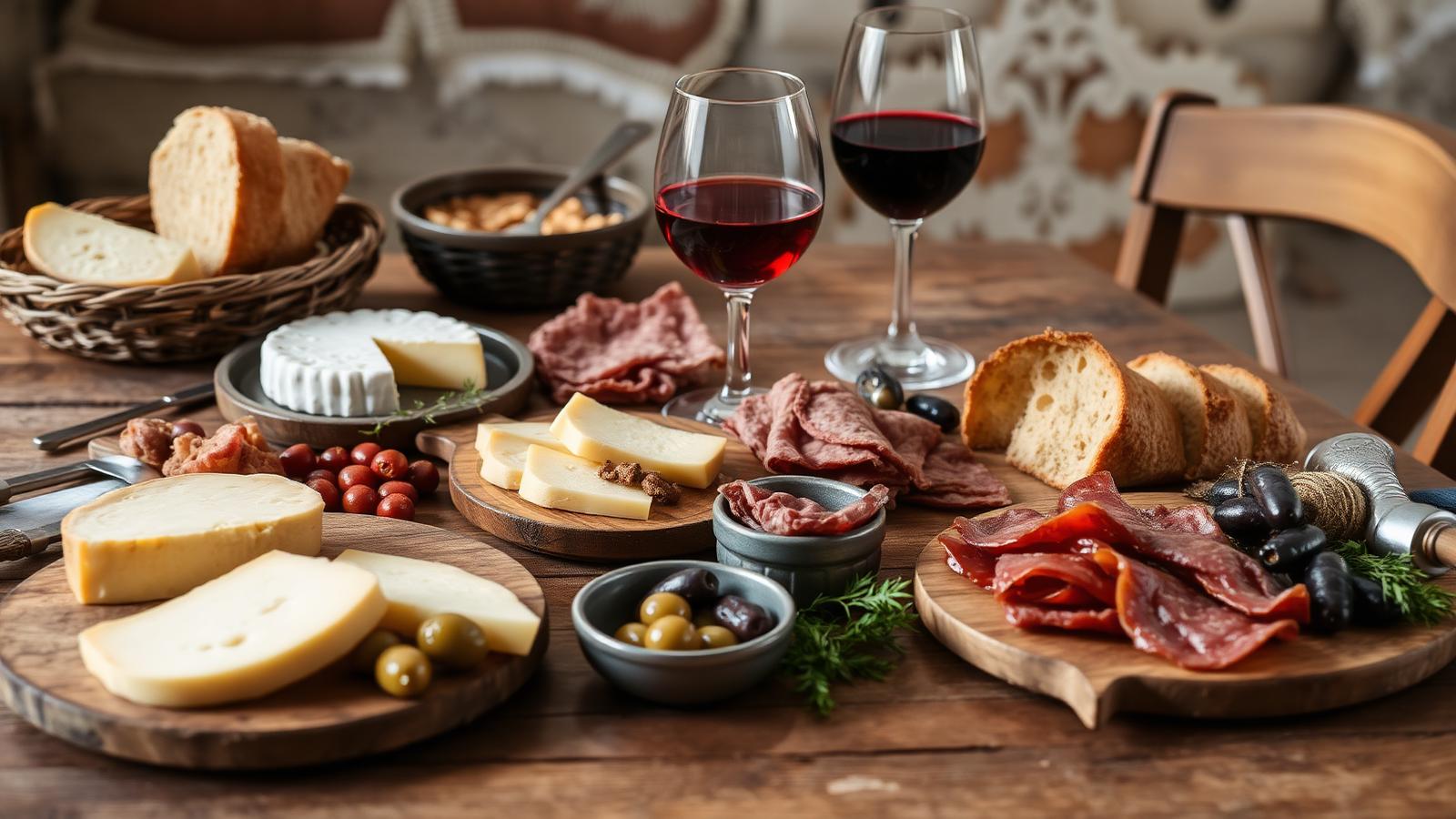
The culinary tapestry of the Canary Islands is deeply intertwined with its volcanic landscape and Atlantic bounty. Freshly caught seafood, simply grilled or prepared with mojo sauces, finds its perfect match in the crisp, mineral-driven white wines, particularly those made from Malvasía Volcánica. Heartier stews, goat meat, and slow-cooked pork belly beautifully complement the aromatic red wines crafted from Listán Negro, their bright acidity cutting through richness. The islands' unique cheeses and even the sweet potato desserts can find delightful harmony with the intriguing fortified wines, creating a truly authentic gastronomic experience.
Getting to know Canary Islands
What Canary Islands tastes like
Wines from Canary Islands tend to reflect the region's climate and terrain more than any single style. Look for a sense of place in the glass — mineral notes from stony soils, freshness where nights are cool, richer texture where the sun lingers longer. A short flight of local wines is the fastest way to feel the range.
Rhythms of the year
Canary Islands moves with the seasons. Spring is quiet and green, summer brings long light and full terraces, harvest is intense and communal, and winter turns the vineyards into a stark, beautiful sculpture. Every season is a good reason to come — they just make very different trips.
Beyond the tasting room
Some of the most memorable moments in Canary Islands happen away from the vines: a bakery in the next village over, a viewpoint at sunrise, a slow lunch that turns into a slow afternoon. Leave room in your itinerary for the things you can't plan.
Frequently asked questions
What is the best time of year to visit the Canary Islands for a wine-focused trip?
The Canary Islands enjoy a mild climate year-round, making them suitable for visits almost any time. However, for a wine-focused trip, late spring (April-May) and early autumn (September-October) are ideal. In spring, the vineyards are lush and green, and the weather is pleasantly warm without being overly hot. Autumn offers the excitement of the harvest season, with winemakers busy in the cellars and the air filled with the scent of fermenting grapes. These periods also tend to be less crowded than the peak summer and winter holiday seasons, allowing for a more intimate experience.
Are the Canary Islands accessible for travelers who prefer not to drive?
While having a car offers the most flexibility to explore the more remote vineyard areas and picturesque villages, it is certainly possible to experience the Canary Islands' wine scene without driving. Many of the main wine-producing regions on islands like Lanzarote, Tenerife, and La Palma are served by local bus routes, though these can be infrequent. Taxis and ride-sharing services are available in more populated areas. For a curated experience, consider joining small group tours that include transportation to several vineyards, allowing you to relax and fully enjoy the tastings without the worry of navigating.
What kind of clothing should I pack for a wine trip to the Canary Islands?
Due to the varying altitudes and microclimates across the islands, it's wise to pack layers. While coastal areas are generally warm and sunny, higher elevations can be cooler, especially in the evenings. Lightweight, comfortable clothing for daytime explorations is essential, along with a light jacket or cardigan for cooler mornings and evenings. Comfortable walking shoes are a must, as many vineyards are on uneven terrain. Don't forget sun protection – hats, sunglasses, and high-factor sunscreen – as the sun can be intense even on cloudy days, particularly when spending time outdoors in the vineyards.
What is the typical cost range for wine tastings and winery visits?
The cost of wine tastings and winery visits in the Canary Islands can vary widely depending on the establishment and the type of experience offered. Smaller, family-run producers might offer tastings for a modest fee, sometimes even integrated with a meal or local snack. Larger, more established bodegas often have structured tasting menus that can range from 15 to 40 Euros per person, sometimes including a tour of the facilities. More exclusive experiences, such as private tastings or food pairings, will naturally be higher. It's always advisable to check the specific winery's website or contact them directly for current pricing and to make reservations in advance.