

Castilla-La Mancha Wineries & Wine Tours
Sub-regions
Culinary Tapestry
The cuisine of Castilla-La Mancha is a hearty, flavorsome reflection of its agricultural bounty and pastoral heritage. Robust dishes like *migas*, a rustic fried bread dish, and *asadillo*, a vibrant roasted pepper and tomato stew, are staples. The region's sheep's milk cheese, Manchego, with its characteristic basket-weave rind, is world-renowned and pairs exquisitely with the local wines. Game meats, such as venison and partridge, feature prominently, often prepared in rich stews or roasted. This is food designed to nourish, to be savored slowly, echoing the unhurried pace of life and the deep, authentic flavors drawn from the land itself.
Grapes of the Plains
While known for the ubiquitous Airén, which yields remarkably crisp and refreshing white wines, Castilla-La Mancha is increasingly celebrated for its reds. , locally known as Cencibel, thrives here, producing wines of rich fruit, balanced acidity, and often a pleasant earthiness that reflects its origins. also finds a home, adding layers of spice and warmth. Beyond these, a burgeoning embrace of international varieties like and demonstrates the region's dynamic evolution. Still, it is the indigenous grapes, particularly Airén and Cencibel, that truly articulate the ancient soul and sunny spirit of this sprawling winemaking heartland.
The Sun-Kissed Terroir
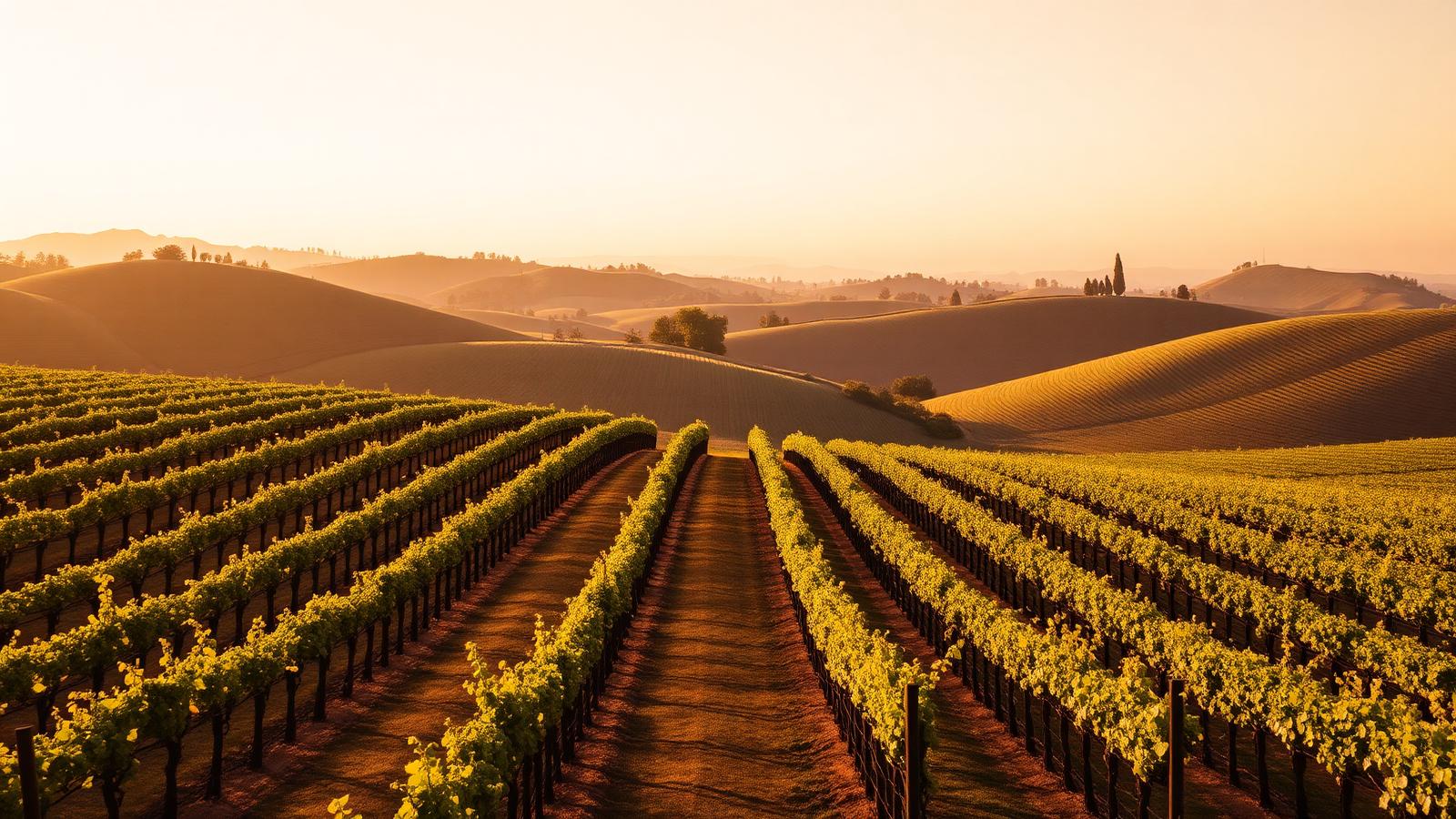
The sheer scale of Castilla-La Mancha's landscape is breathtaking, a vast central plateau where vineyards stretch almost infinitely under a dramatic sky. This high-altitude expanse experiences extreme continental weather – scorching, dry summers and cold winters. The soils, often calcareous or clay-limestone, are poor but well-drained, forcing the vines to delve deep, drawing complexity and resilience from their formidable environment. This unique , coupled with the relentless sun, is the crucible where grapes develop their intense character, ready to become wines that speak of endurance and a profound connection to the sun-baked earth. It is a land of elemental beauty and powerful viticulture.
Getting to know Castilla-La Mancha
What Castilla-La Mancha tastes like
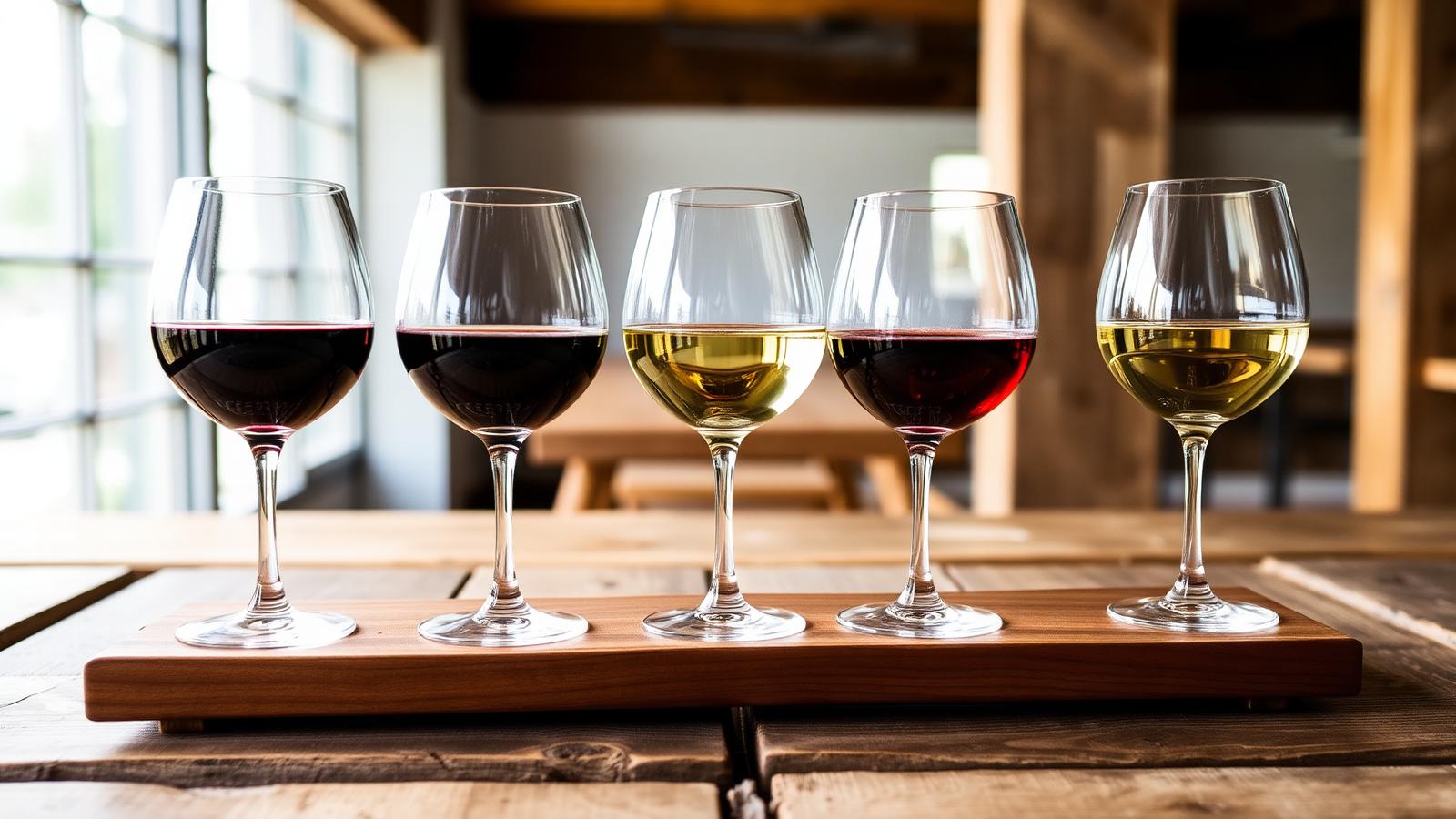
Wines from Castilla-La Mancha tend to reflect the region's climate and terrain more than any single style. Look for a sense of place in the glass — mineral notes from stony soils, freshness where nights are cool, richer texture where the sun lingers longer. A short flight of local wines is the fastest way to feel the range.
Rhythms of the year
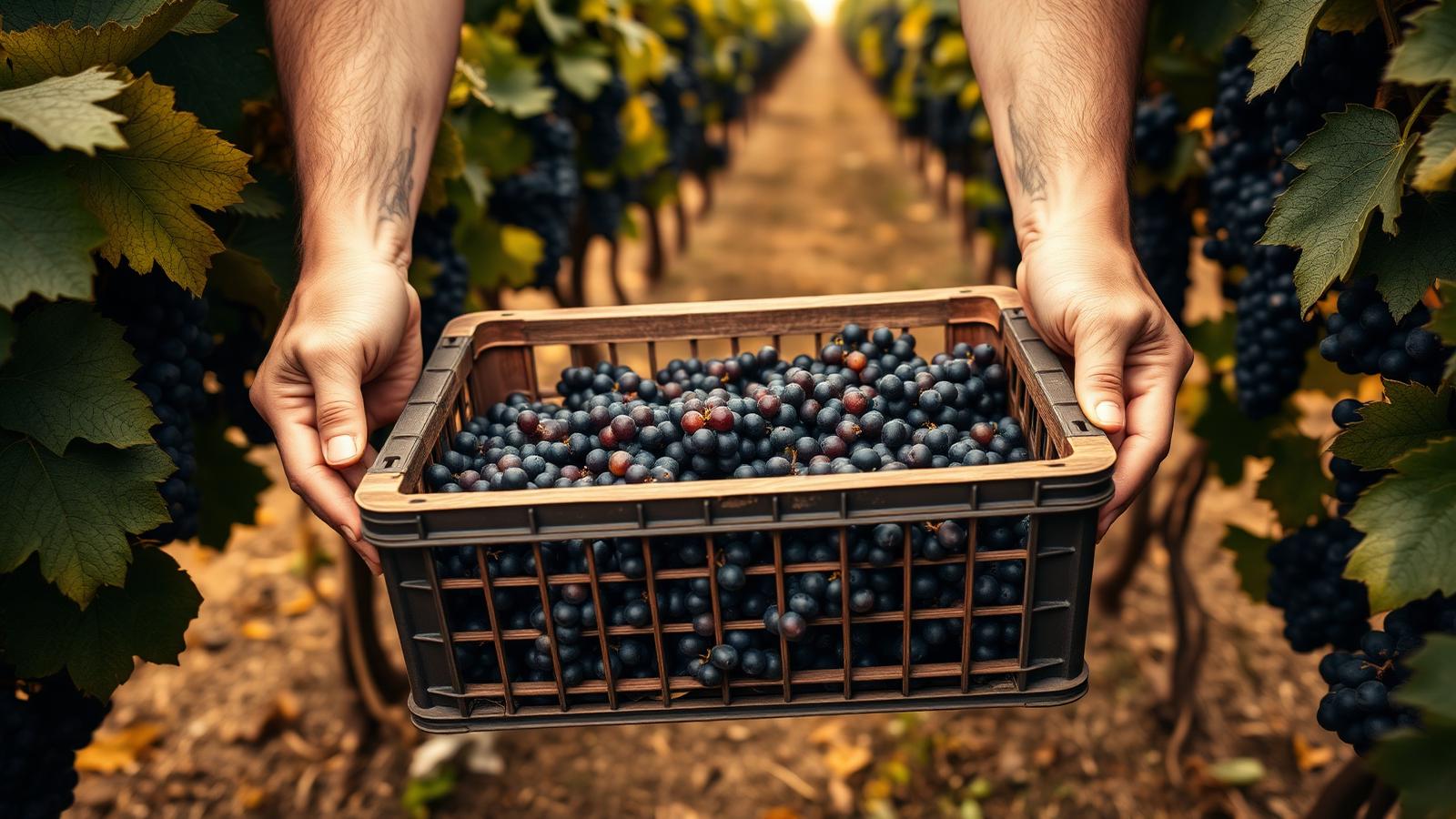
Castilla-La Mancha moves with the seasons. Spring is quiet and green, summer brings long light and full terraces, harvest is intense and communal, and winter turns the vineyards into a stark, beautiful sculpture. Every season is a good reason to come — they just make very different trips.
Beyond the tasting room
Some of the most memorable moments in Castilla-La Mancha happen away from the vines: a bakery in the next village over, a viewpoint at sunrise, a slow lunch that turns into a slow afternoon. Leave room in your itinerary for the things you can't plan.
Frequently asked questions
What is the best way to travel between different wine villages and bodegas in Castilla-La Mancha?
Renting a car is by far the most practical and flexible option for exploring Castilla-La Mancha's wine regions. Public transport can be limited between smaller towns and bodegas, making a car essential for reaching more remote areas and truly immersing yourself in the countryside. The roads are generally well-maintained and offer scenic drives through vast vineyards and plains. Consider a GPS or a detailed map, as cell service can be spotty in some rural pockets, ensuring a smooth and enjoyable journey through this expansive region.
When is the ideal time of year to visit Castilla-La Mancha for a wine trip?
The shoulder seasons, spring (April-May) and autumn (September-October), are generally ideal for a visit. In spring, the vineyards awaken with lush green growth, and the weather is pleasantly mild, perfect for touring. Autumn, particularly September, offers the excitement of the grape harvest, a truly vibrant and sensory experience. Summer can be intensely hot, especially in July and August, while winters can be cold and stark. For comfortable exploration and full appreciation of the landscape and its activities, spring and early autumn are highly recommended.
Are most wine tours and tastings in Castilla-La Mancha conducted in English, or should I brush up on my Spanish?
While some of the larger, more established bodegas and visitor centers may offer tours and tastings in English, especially if booked in advance, many smaller, family-run establishments will primarily operate in Spanish. It is highly recommended to have some basic Spanish phrases at your disposal, or consider hiring a local guide who can facilitate communication. A willingness to engage in Spanish will greatly enhance your experience, offering a more authentic and personal connection with the local winemakers and their stories.
What kind of accommodation options can I expect to find in Castilla-La Mancha's wine country?
Accommodation in Castilla-La Mancha ranges from charming rural *casas rurales* (country houses) and boutique hotels in historic villages to options within larger towns that serve as regional hubs. You'll find rustic elegance in restored farmhouses, offering a tranquil escape, and comfortable, modern choices. Many offer traditional architecture and a warm, hospitable atmosphere. It's advisable to book ahead, especially if you're traveling during peak harvest season or local festivals, to secure your preferred stay amidst the rolling vineyards and quiet towns.