

Castilla y León Wineries & Wine Tours
Sub-regions
The Land's Embrace
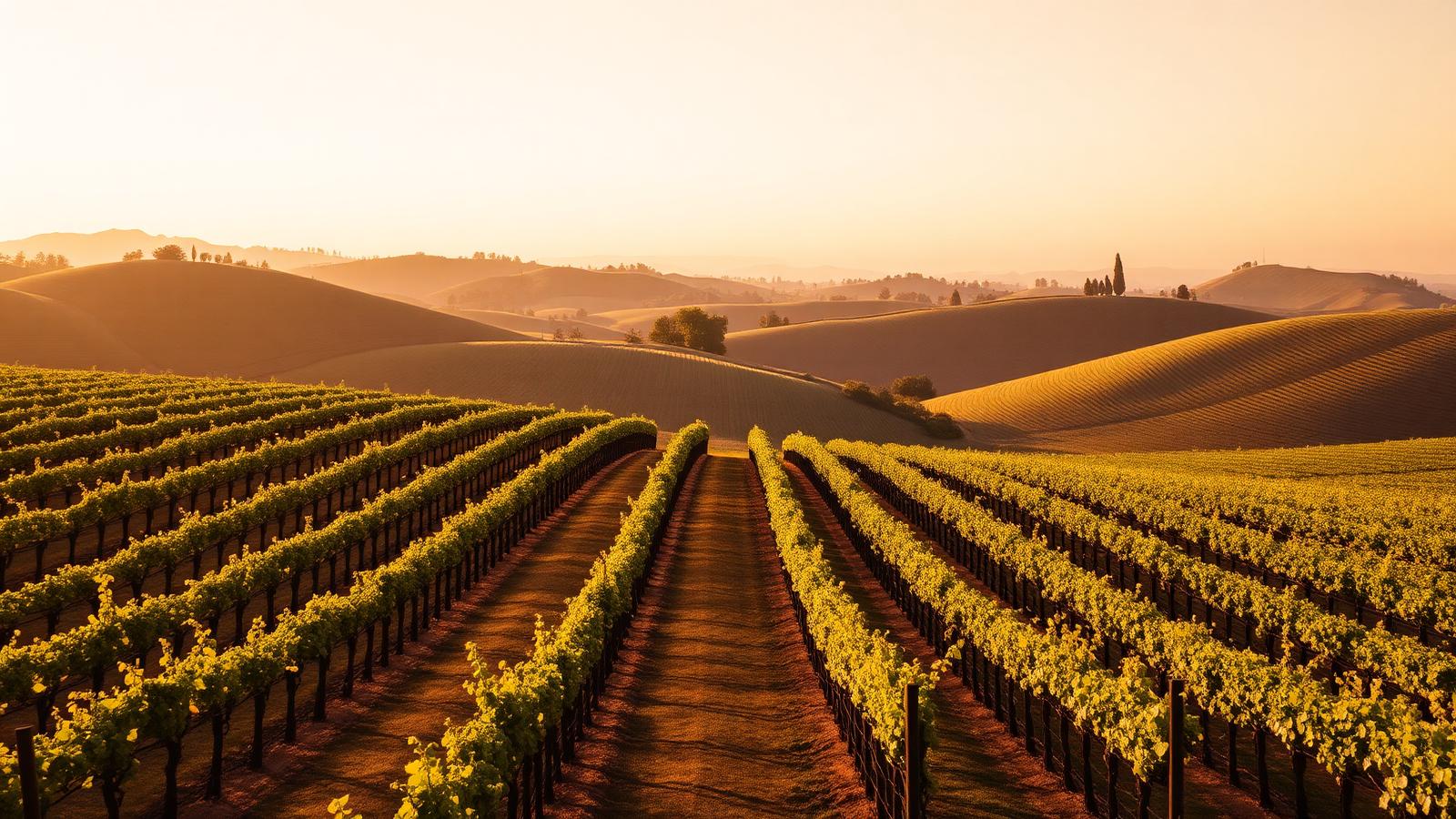
The high plains and river valleys of Castilla y León are a testament to nature's profound influence on viticulture. At elevations often exceeding 800 meters, vines endure a continental climate marked by stark contrasts: baking summers kissed by cool nocturnal breezes, and winters that blanket the land in a crisp chill. This diurnal shift is crucial, allowing grapes to ripen slowly and accumulate intense flavor while preserving vital acidity. The varied soils—from stony riverbeds to sandy and clay-rich plots—contribute to a spectrum of wine styles, each expressing its unique with clarity and distinction. It is a landscape that demands resilience from its vines, and rewards them with character.
Cuisine and Culture
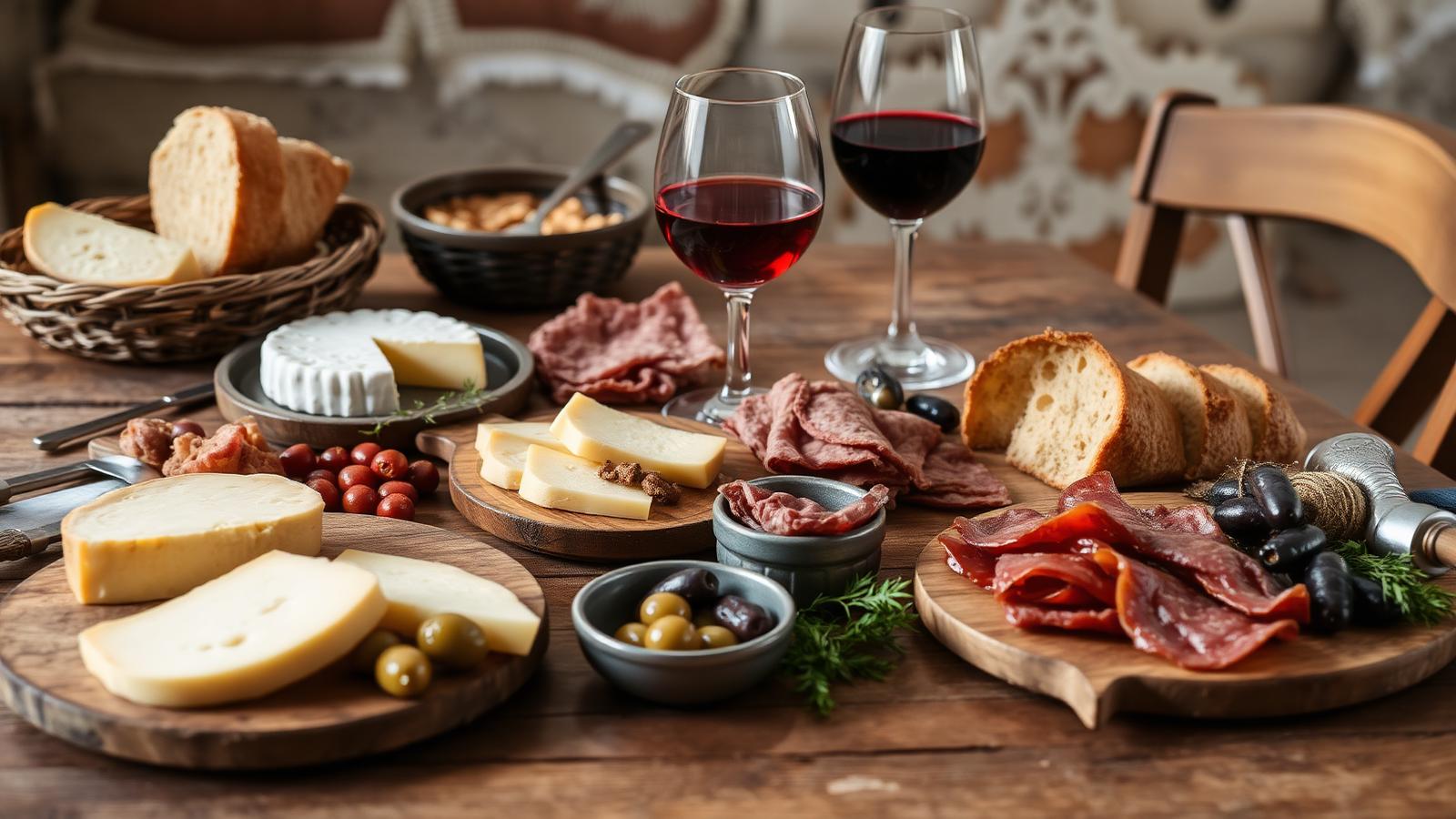
The culinary heart of Castilla y León beats with a comforting, rustic rhythm, perfectly echoing its wines. Roasts take center stage, particularly cordero asado (roast lamb) and cochinillo (suckling pig), cooked slowly until the skin crackles and the meat falls from the bone. These rich, flavorful dishes find their ideal companion in the region’s robust red wines. Beyond the roasts, hearty stews, traditional cheeses from ewe's milk, and cured meats like Cecina de León (smoked beef) reflect the region's agricultural heritage. Long, unhurried meals shared amongst friends and family are a cornerstone of the culture, embodying the unpretentious warmth of the Castilian spirit.
Getting to know Castilla y León
What Castilla y León tastes like
Wines from Castilla y León tend to reflect the region's climate and terrain more than any single style. Look for a sense of place in the glass — mineral notes from stony soils, freshness where nights are cool, richer texture where the sun lingers longer. A short flight of local wines is the fastest way to feel the range.
Rhythms of the year
Castilla y León moves with the seasons. Spring is quiet and green, summer brings long light and full terraces, harvest is intense and communal, and winter turns the vineyards into a stark, beautiful sculpture. Every season is a good reason to come — they just make very different trips.
Beyond the tasting room
Some of the most memorable moments in Castilla y León happen away from the vines: a bakery in the next village over, a viewpoint at sunrise, a slow lunch that turns into a slow afternoon. Leave room in your itinerary for the things you can't plan.
Frequently asked questions
When is the best time of year to visit Castilla y León for wine touring?
The ideal time for a wine tour in Castilla y León is generally during spring (April to June) or autumn (September to October). Spring offers pleasant temperatures for exploring vineyards and historic sites before the intense summer heat, with the vines bursting into lush green. Autumn, particularly September, brings the magic of the grape harvest, a truly vibrant period to witness the winemaking process firsthand, though some facilities may be busier. Summers can be very hot, and winters can be quite cold, which might limit some outdoor activities.
What kind of transportation should I plan for a wine trip in this region?
Renting a car is highly recommended for exploring Castilla y León’s wine regions. While some larger towns are connected by public transport, vineyards and rural villages are much more accessible by car, offering flexibility to explore at your own pace. Roads are generally well-maintained. Alternatively, consider hiring a private driver for specific touring days, especially if you plan to enjoy tastings responsibly. Some local tour operators also offer guided excursions if you prefer not to drive yourself.
What should I pack for a wine tour in Castilla y León?
Given the continental climate, layers are essential. Even in summer, evenings can be cool, especially at higher elevations, so a light jacket or sweater is wise. For spring and autumn, pack warmer layers, including a good jacket. Comfortable walking shoes are a must, as you’ll likely be exploring cellars, vineyards, and historic towns. Don't forget sun protection—a hat, sunglasses, and sunscreen—as the sun can be strong. A reusable water bottle is also a good idea for staying hydrated during your explorations.
Are there opportunities to stay overnight within or very close to vineyard areas?
Absolutely. Many of Castilla y León's wine regions offer charming accommodation options, including beautifully restored rural houses, boutique hotels in historic villages, and even some lodges directly associated with wine estates. Staying in these settings provides an immersive experience, allowing you to wake up amidst the vineyards and enjoy the tranquil pace of rural life. Booking in advance, especially during peak harvest season or local festivals, is always advisable to secure your preferred accommodation and ensure availability.