

Catalonia Wineries & Wine Tours
Sub-regions
Culinary Harmonies
The culinary traditions of Catalonia are inextricably linked to its wines. Picture long, leisurely lunches where fresh seafood from the coast meets hearty stews from the hinterlands, all artfully paired with local vintages. The region's cuisine, rich in fresh, seasonal ingredients – from sun-ripened tomatoes and fragrant olive oil to mountain meats and roasted vegetables – finds its perfect complement in the diversity of its wines. Whether it’s the crisp acidity of a white cutting through the richness of a seafood paella, or the earthy notes of a red echoing a slow-cooked casserole, Catalan food and wine are designed to be enjoyed together, a joyful symphony of flavors.
Signature Sips and Grapes
While known globally for its brilliant sparkling wines, crafted from the traditional trio of , , and , Catalonia's still wines are equally compelling. Beyond these, a wealth of indigenous grapes thrives, such as the hardy and for robust, sun-drenched reds, and the aromatic White Garnacha, which contributes to full-bodied, complex whites. These unique varietals, deeply adapted to the Mediterranean climate, produce wines that echo the region's character – vibrant, expressive, and imbued with a sense of place that sets them apart within the broader Spanish wine landscape.
Terroir's Rich Tapestry
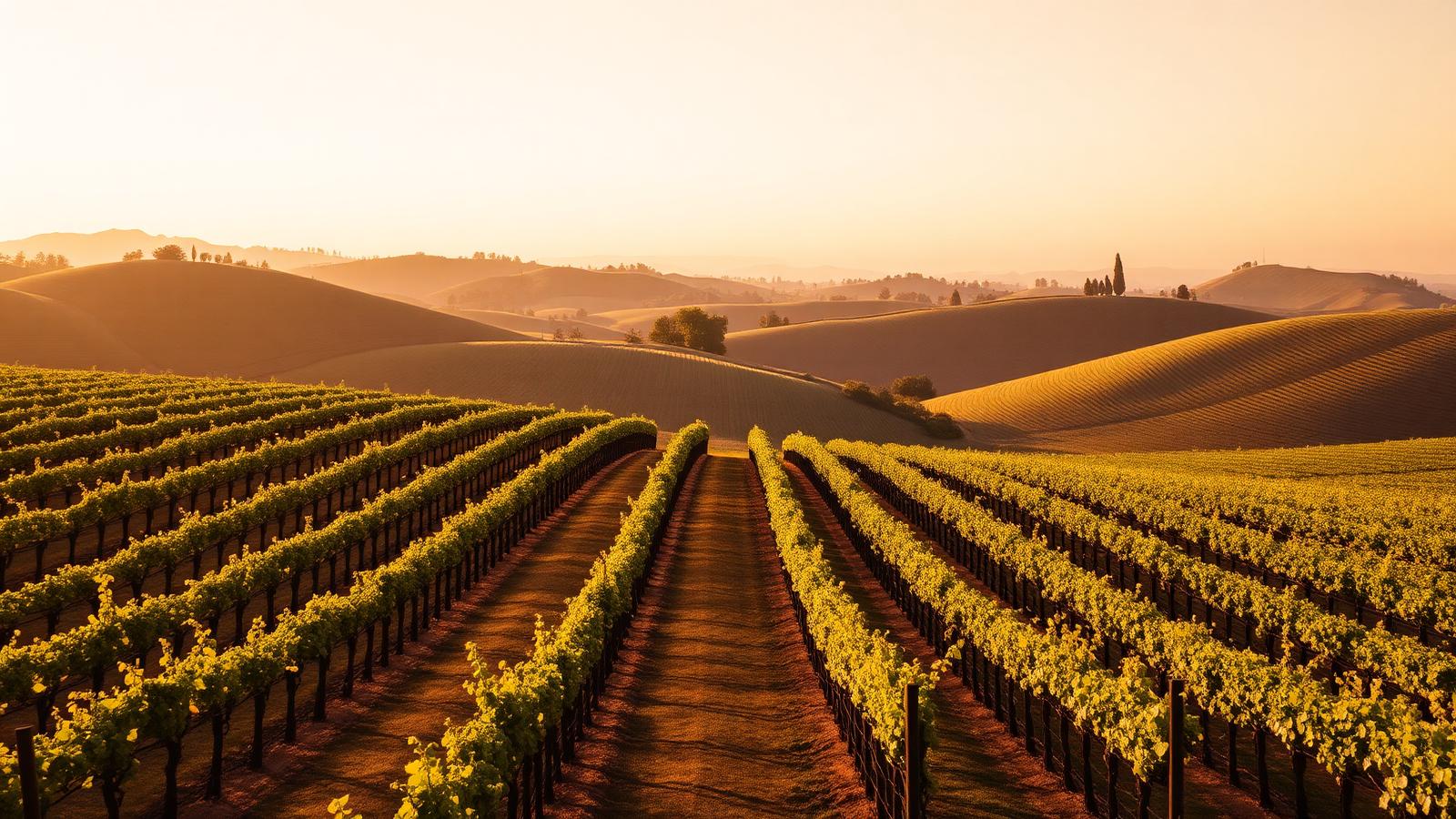
Catalonia's geography is as varied as its wine, presenting a breathtaking panorama that shapes every vine. From the dramatic slate soils of mountainous zones, yielding wines of intense mineral character, to the fertile plains closer to the coast where the earth is softer and sunlight abundant, the landscape dictates the grape's destiny. The interplay of altitude, proximity to the sea, and diverse soil types – clay, limestone, and granite – creates a multitude of microclimates, fostering an astounding array of indigenous and international varietals. This complex gives birth to wines of profound depth and distinctive regional expression, reflecting the very ground from which they spring.
Getting to know Catalonia
What Catalonia tastes like
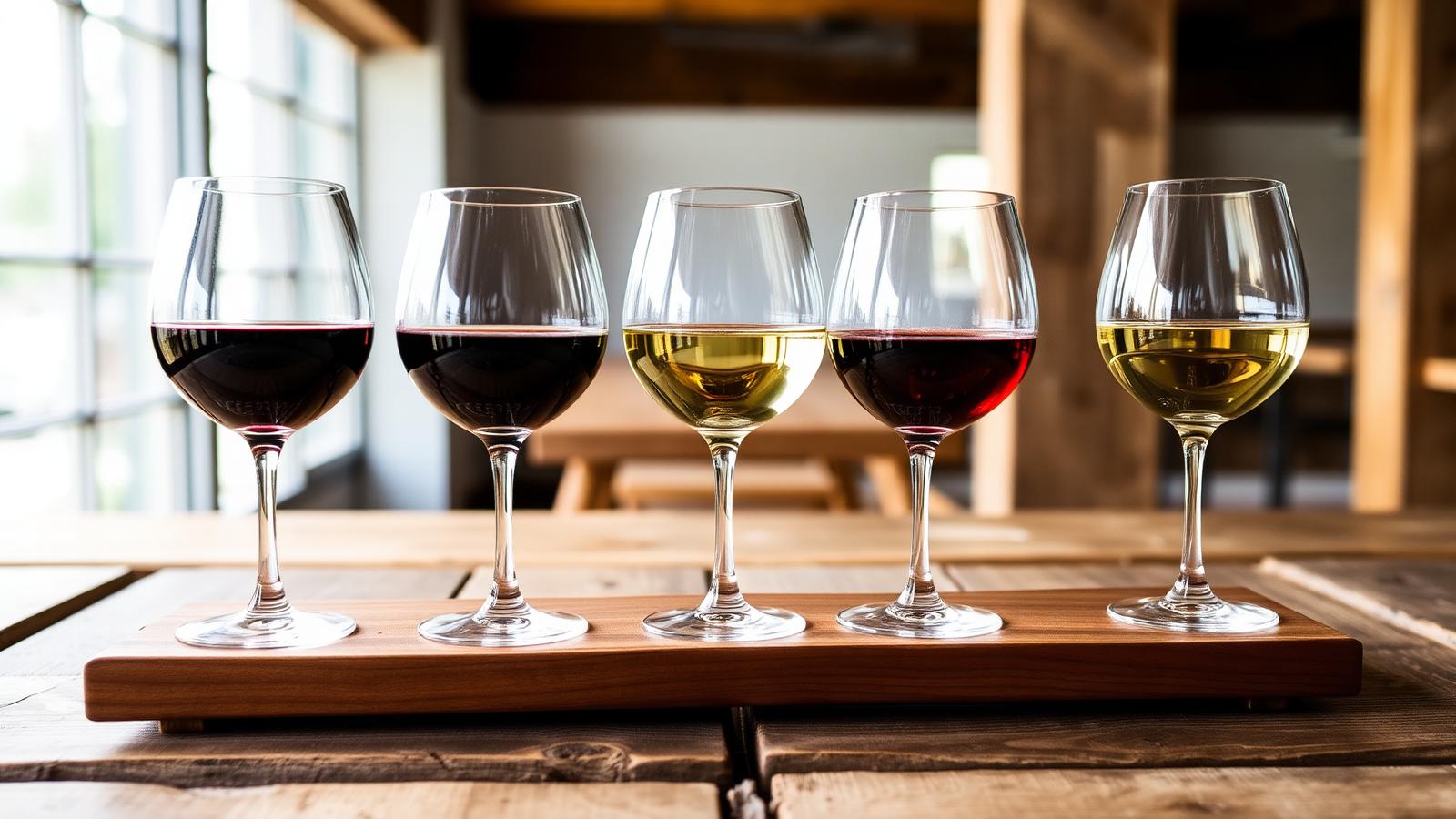
Wines from Catalonia tend to reflect the region's climate and terrain more than any single style. Look for a sense of place in the glass — mineral notes from stony soils, freshness where nights are cool, richer texture where the sun lingers longer. A short flight of local wines is the fastest way to feel the range.
Rhythms of the year
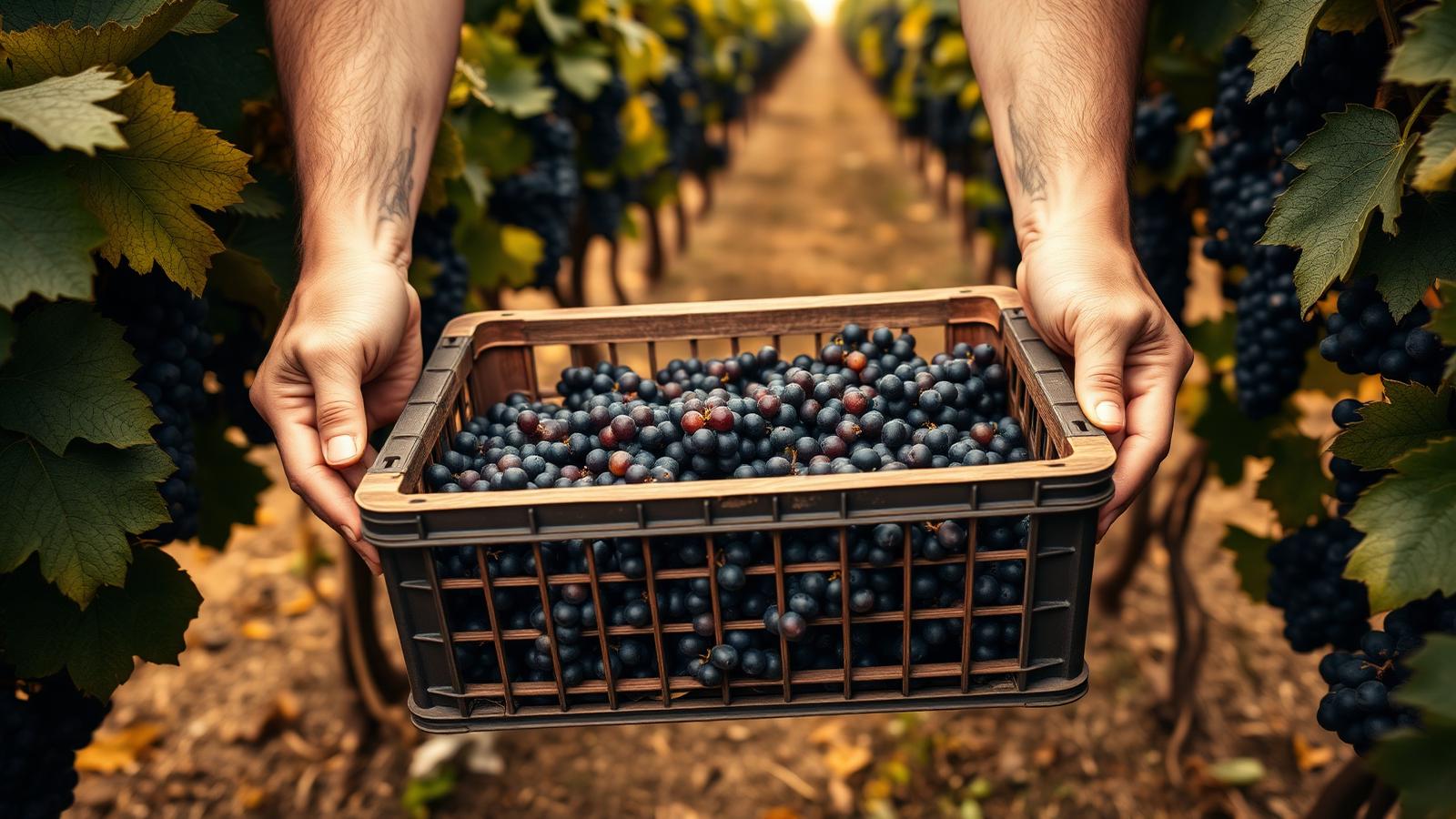
Catalonia moves with the seasons. Spring is quiet and green, summer brings long light and full terraces, harvest is intense and communal, and winter turns the vineyards into a stark, beautiful sculpture. Every season is a good reason to come — they just make very different trips.
Beyond the tasting room
Some of the most memorable moments in Catalonia happen away from the vines: a bakery in the next village over, a viewpoint at sunrise, a slow lunch that turns into a slow afternoon. Leave room in your itinerary for the things you can't plan.
Frequently asked questions
When is the best time of year to visit Catalonia for a wine tour?
The shoulder seasons, spring (April-May) and autumn (September-October), are often ideal. In spring, the vineyards burst with vibrant green new growth, and the weather is pleasantly mild for outdoor exploration. Autumn offers the exciting atmosphere of harvest, with grapes being gathered and the air filled with the scent of fermenting must, complemented by comfortably warm days and cooler evenings. Summer can be quite warm, especially inland, while winter, though quieter, provides a different, more serene beauty of dormant vines and cozy cellar experiences.
What kind of transport is recommended for exploring the wine regions?
While public transport can connect you to larger towns, exploring the more remote vineyards and smaller villages is best done with a rental car. This provides the flexibility to follow scenic routes at your own pace, stopping at picturesque viewpoints or quaint local eateries as you wish. Alternatively, many specialized tour operators offer guided excursions, which can be a convenient option if you prefer not to drive, ensuring all transportation and tastings are arranged for you.
Are most wine experiences in English, or should I brush up on my Spanish/Catalan?
Many of the larger, more established estates and those catering to international visitors will offer experiences and information in English. However, in smaller, family-run establishments, especially in less-touristed areas, English may be less common. Learning a few basic phrases in both Spanish and Catalan – a simple 'hola' or 'bon dia,' 'gracias' or 'gràcies,' and 'por favor' or 'si us plau' – will be greatly appreciated by your hosts and will certainly enhance your interactions and overall immersion in the local culture.
What are some practical considerations for wine tasting in Catalonia?
It is always a good idea to book your tastings and visits in advance, especially during peak season, as many establishments operate by appointment. Dress comfortably, as you might be walking in vineyards or cellars, and consider layers as temperatures can vary. Hydration is key, so remember to drink water between tastings. Most importantly, designate a sober driver if you are self-driving, or utilize tour services, taxis, or ride-sharing options to ensure a safe and enjoyable experience.