

Extremadura Wineries & Wine Tours
Sub-regions
The Land's Embrace
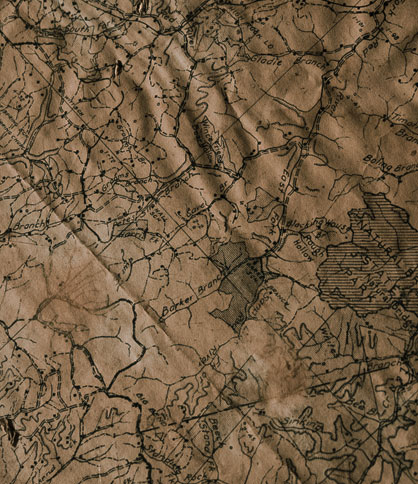
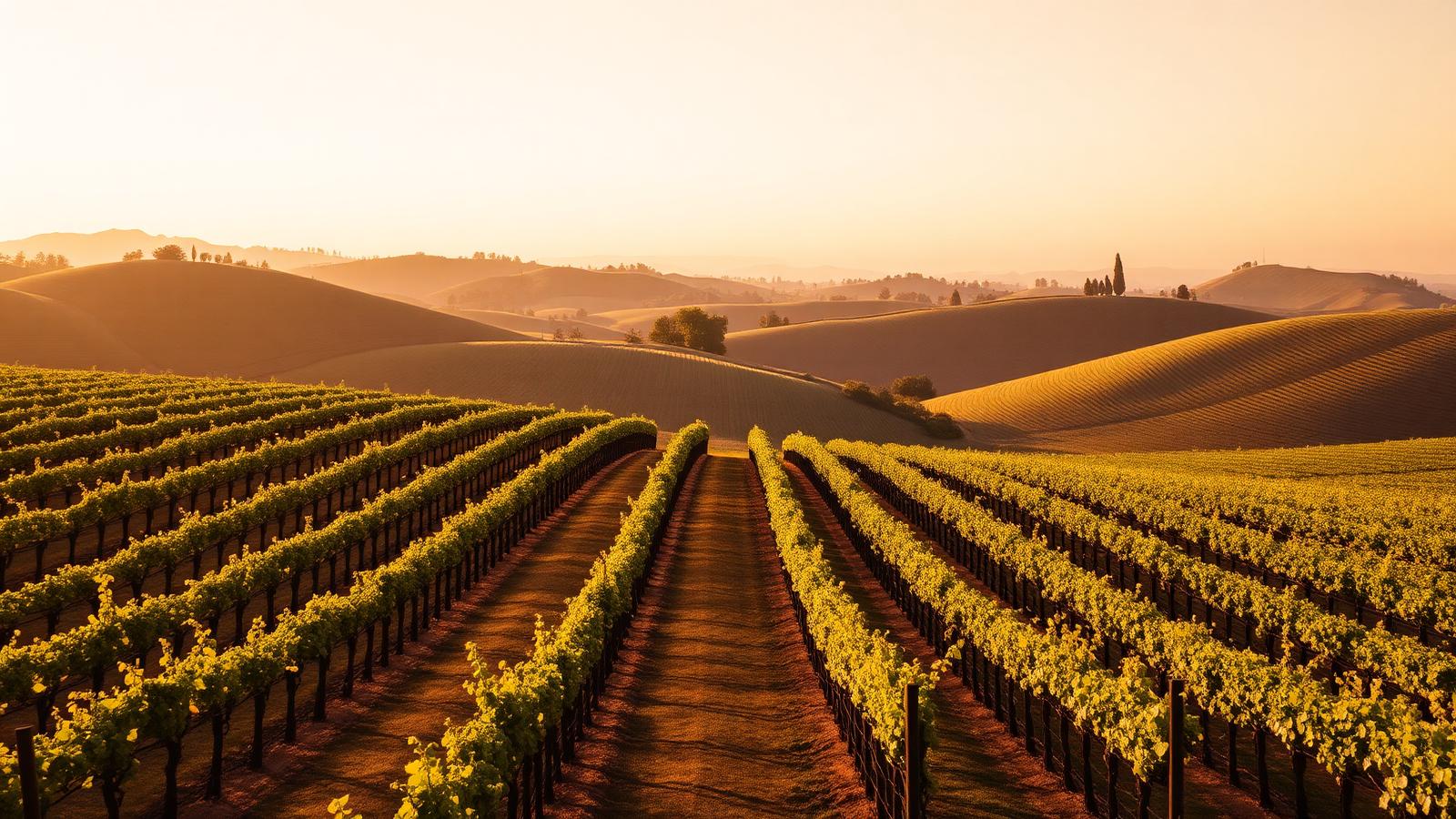
The Extremaduran terrain is a spectacle of gentle undulations and broad plains, punctuated by low-lying mountain ranges. This diverse topography, coupled with its continental climate, creates a viticultural mosaic. Hot, dry summers ensure optimal ripeness, while cooler nights preserve essential acidity. The soils, often granite and slate-rich, contribute a mineral backbone to the wines, providing a distinct sense of place. This interplay of earth and sky shapes grapes like the ubiquitous Cayetana Blanca and the elegant Tintorera, yielding wines of impressive depth and character, reflecting the region's raw, unadorned beauty.
Getting to know Extremadura
What Extremadura tastes like
Wines from Extremadura tend to reflect the region's climate and terrain more than any single style. Look for a sense of place in the glass — mineral notes from stony soils, freshness where nights are cool, richer texture where the sun lingers longer. A short flight of local wines is the fastest way to feel the range.
Rhythms of the year
Extremadura moves with the seasons. Spring is quiet and green, summer brings long light and full terraces, harvest is intense and communal, and winter turns the vineyards into a stark, beautiful sculpture. Every season is a good reason to come — they just make very different trips.
Beyond the tasting room
Some of the most memorable moments in Extremadura happen away from the vines: a bakery in the next village over, a viewpoint at sunrise, a slow lunch that turns into a slow afternoon. Leave room in your itinerary for the things you can't plan.
Frequently asked questions
What is the best time of year to visit Extremadura for a wine trip?
The ideal time to visit Extremadura for a wine-focused trip is during the spring (April-May) or early autumn (September-October). Spring offers pleasant temperatures, vibrant green landscapes, and the chance to see vineyards awakening, while early autumn provides a slightly cooler climate and the excitement of the harvest season. Summer can be quite hot, especially in July and August, which might make extensive vineyard tours less comfortable, but evenings are long and luminous, perfect for al fresco dining.
What kind of local cuisine should I expect to pair with the wines?
Extremadura boasts a rich, hearty cuisine perfect for pairing with its wines. You absolutely must try the regional Jamón Ibérico, often accompanied by rustic breads. Other staples include 'Migas' (fried breadcrumbs with various additions), 'Caldereta Extremeña' (a rich lamb or goat stew), and a variety of pork dishes, as pig farming is central to the local economy. Locally produced cheeses, often from sheep or goats, are also excellent with a glass of crisp white or a lighter red. Expect wholesome, flavorful, and generously portioned meals.
Is it easy to navigate the wine regions and reach the villages without a car?
While public transport connects the larger towns within Extremadura, having a car is highly recommended for exploring the wine regions and smaller villages properly. Many of the most charming vineyards and traditional eateries are located off the main routes, in areas not easily accessible by bus or train. A car provides the flexibility to explore at your own pace, discover hidden gems, and fully immerse yourself in the rural landscape. Roads are generally well-maintained, and the scenic drives are part of the experience.
What are some of the dominant grape varieties and wine styles I'll encounter?
You'll primarily encounter robust red wines and refreshing whites. For reds, (known locally as Cencibel) is prevalent, yielding structured wines often with notes of dark fruit and spice. Tintorera is another key red grape, producing deeply colored wines with good acidity. Among the whites, the native Cayetana Blanca is common, offering light, fruity, and aromatic wines. Pardina and also contribute to the region's fresh and approachable white wine styles. Expect a range from easy-drinking daily wines to more complex, barrel-aged selections.