

Galicia Wineries & Wine Tours
Sub-regions
The Granite Soul of Galicia
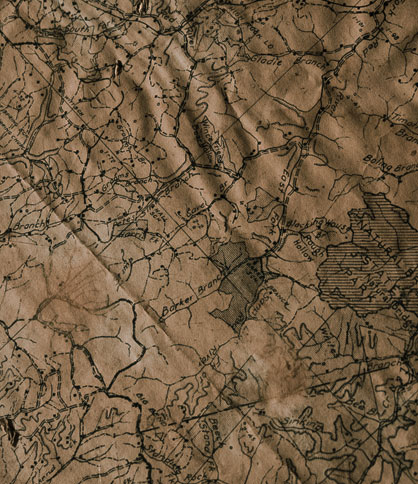
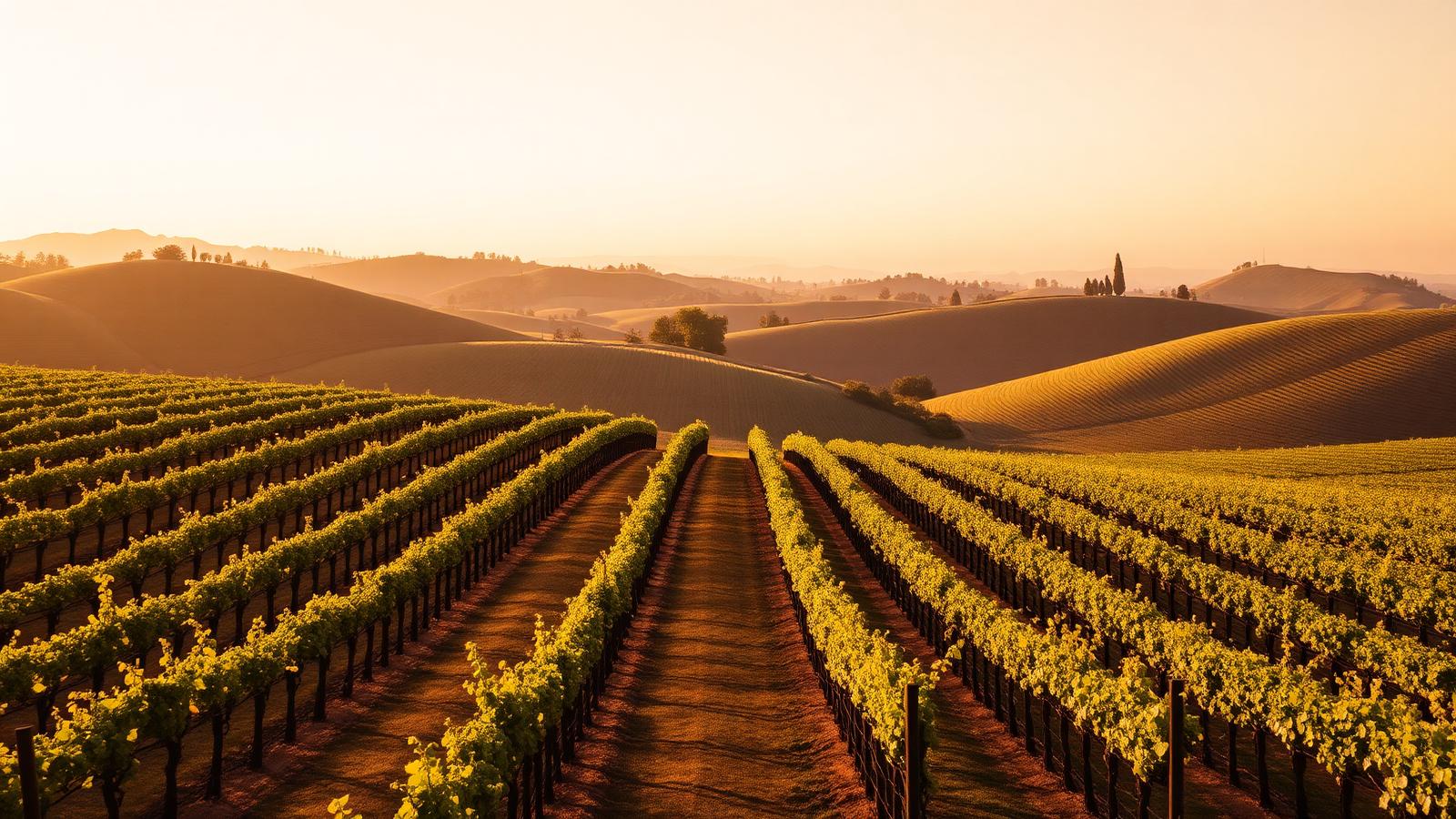
Galicia's terrain is a dramatic symphony of granite formations, winding river gorges, and terraced vineyards that rise steeply from the banks of its many rivers. This rugged landscape, sculpted by millennia of geological forces and Atlantic weather, provides a unique canvas for viticulture. The ancient, mineral-rich soils, predominantly granite and slate, impart a distinctive character to the wines. Rainfall is abundant, nurturing lush greenery, a stark contrast to the drier regions further south. The Atlantic influence is crucial, bringing cool breezes and a moderating effect on temperatures, ensuring a long, slow ripening period for the grapes, which contribute to the wines' renowned acidity and aromatic complexity.
Getting to know Galicia
What Galicia tastes like
Wines from Galicia tend to reflect the region's climate and terrain more than any single style. Look for a sense of place in the glass — mineral notes from stony soils, freshness where nights are cool, richer texture where the sun lingers longer. A short flight of local wines is the fastest way to feel the range.
Rhythms of the year
Galicia moves with the seasons. Spring is quiet and green, summer brings long light and full terraces, harvest is intense and communal, and winter turns the vineyards into a stark, beautiful sculpture. Every season is a good reason to come — they just make very different trips.
Beyond the tasting room
Some of the most memorable moments in Galicia happen away from the vines: a bakery in the next village over, a viewpoint at sunrise, a slow lunch that turns into a slow afternoon. Leave room in your itinerary for the things you can't plan.
Frequently asked questions
What is the best time of year to visit Galicia for a wine tour?
The ideal time to experience Galicia's wine country is during the late spring (May to early June) or early autumn (September to October). In spring, the landscape is vibrantly green, and temperatures are pleasantly mild, perfect for exploring. Autumn, especially September, offers the excitement of the harvest season, often with festivities, and the weather remains agreeable. Summers can be warm, but the Atlantic breezes keep it more temperate than much of Spain. Winters, while beautiful with their dramatic mists, can be quite cool and damp, with some establishments having reduced hours.
What kind of transportation options are available for exploring the wine regions?
While public transport connects many Galician towns, exploring the more rural wine regions is best done with a rental car. This provides the most flexibility to visit various vineyards, scenic viewpoints, and charming villages at your own pace. Alternatively, several local tour operators offer guided wine excursions that include transportation, often in comfortable vans, allowing you to relax and enjoy the tastings fully without worrying about driving. Taxis are available in larger towns, but can be costly for extended touring through the countryside.
Are there specific etiquette considerations when visiting wineries in Galicia?
When visiting wineries in Galicia, it's generally appreciated to make appointments in advance, especially for smaller, family-run establishments, to ensure a personalized experience. Dress is usually smart casual, practical for walking through cellars or vineyards. While English may be spoken at some larger wineries, learning a few basic Spanish or Galician phrases will greatly enhance your interactions. It's polite to offer honest, constructive feedback on the wines, and remember that these are often family livelihoods, so a respectful and appreciative attitude goes a long way.
Beyond wine, what other cultural experiences does Galicia offer a visitor?
Galicia is rich in cultural experiences that extend far beyond its excellent wines. The region is the historic endpoint of the Camino de Santiago, offering a glimpse into ancient pilgrimage routes and the magnificent Cathedral in Santiago de Compostela. Its Celtic roots are evident in its music, folklore, and even some architectural styles. Explore the dramatic coastline, dotted with charming fishing villages and breathtaking cliffside views. The local gastronomy, famed for its seafood and rustic comforting dishes, is an experience in itself. Additionally, delve into the quiet beauty of its monasteries, Roman ruins, and vibrant local markets for a truly authentic encounter.