

Madrid Wineries & Wine Tours
Sub-regions
Culinary Harmonies
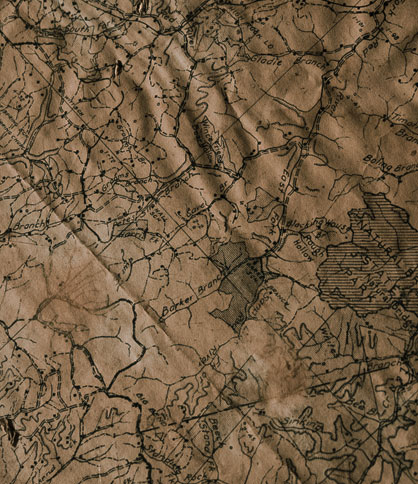
Madrid's wine country is an extension of its robust culinary traditions, where simple, high-quality ingredients are revered. Imagine rich, slow-cooked stews, roasted meats, and earthy mushroom dishes perfectly complementing the nuanced reds of the region. The fresh, crisp Albillo Real wines cut through the richness of local cheeses or enhance the delicate flavors of river fish. Long, leisurely lunches in sun-dappled courtyards, accompanied by a local pour, are not merely meals but celebrations of life, culture, and the profound connection between the land and its bounty.
Grapes of Distinction
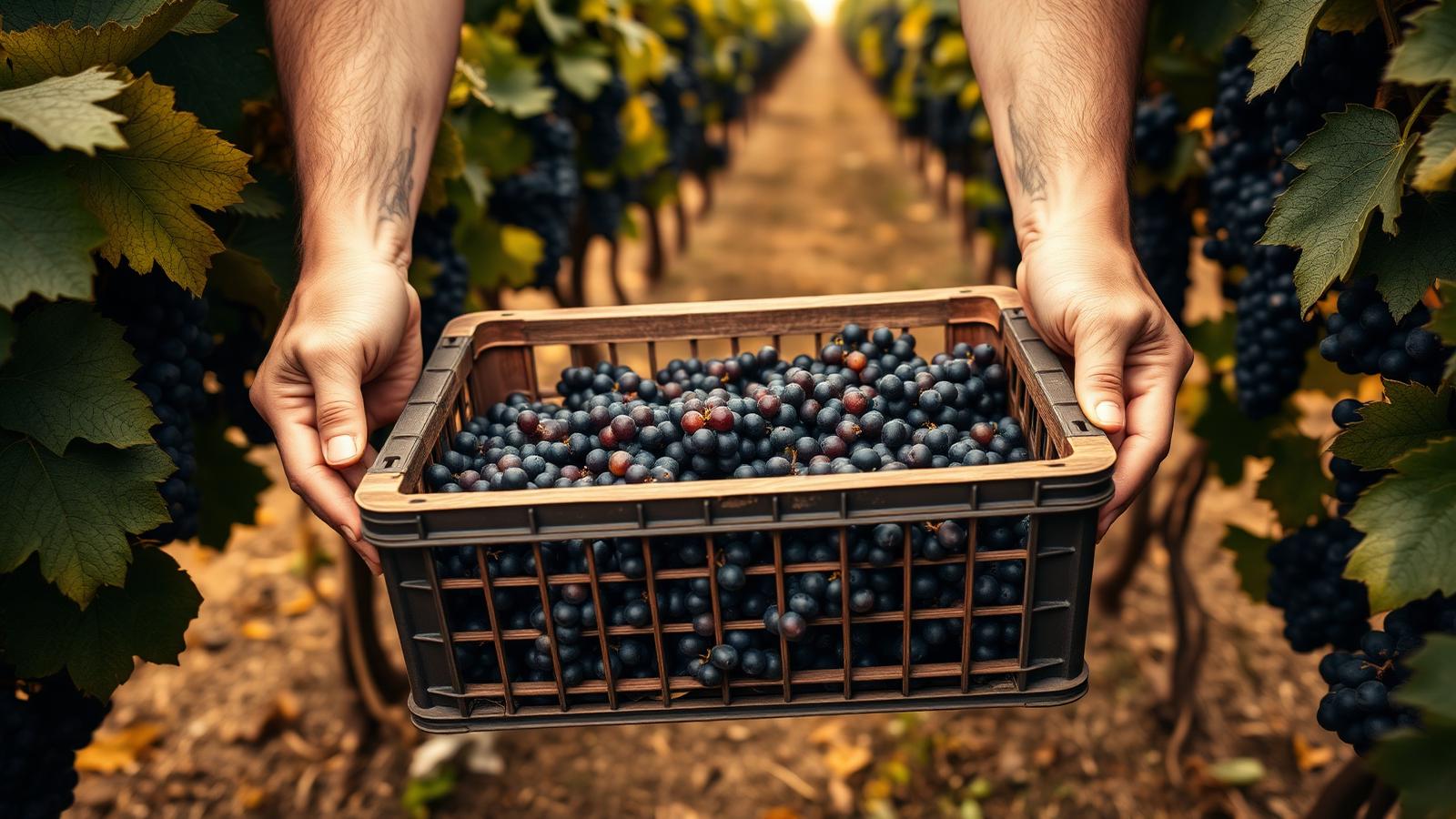
While often takes center stage, particularly in the higher-altitude vineyards, it is not the sole star here. This versatile grape expresses itself with remarkable clarity, offering red fruit, floral notes, and often a mineral backbone. , too, finds a home, producing wines of structure and depth. Intriguing white varieties like Albillo Real thrive, yielding full-bodied, aromatic wines with hints of stone fruit and a distinctive texture. These grapes, often from ancient, bush-trained vines, are true reflections of their , speaking of the land with every sip.
The Terroir's Embrace
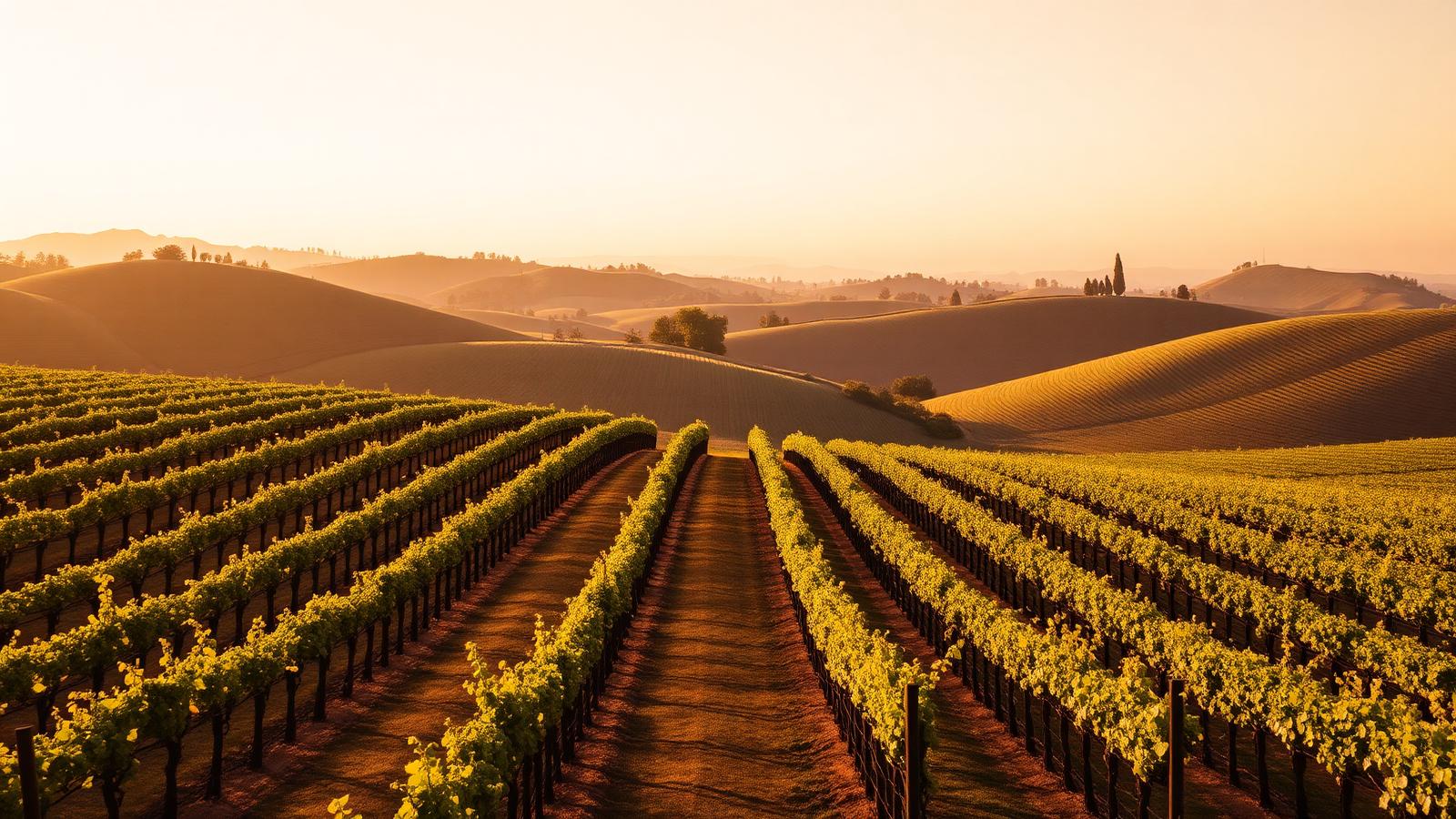
The wine-growing areas around Madrid boast a captivating diversity, from thegranitic sands and slate closer to the mountains to the clay and limestone of the central plains. This varied geology, combined with a continental climate characterized by scorching summers and cold winters, creates a dramatic arena for the vines. High elevations contribute to significant diurnal temperature variations, allowing grapes to ripen slowly and accumulate complex aromas while retaining acidity. The Gredos mountains serve as a majestic backdrop, influencing microclimates and offering unique conditions that lend elegance and freshness to the wines grown within their shadow.
Getting to know Madrid
What Madrid tastes like
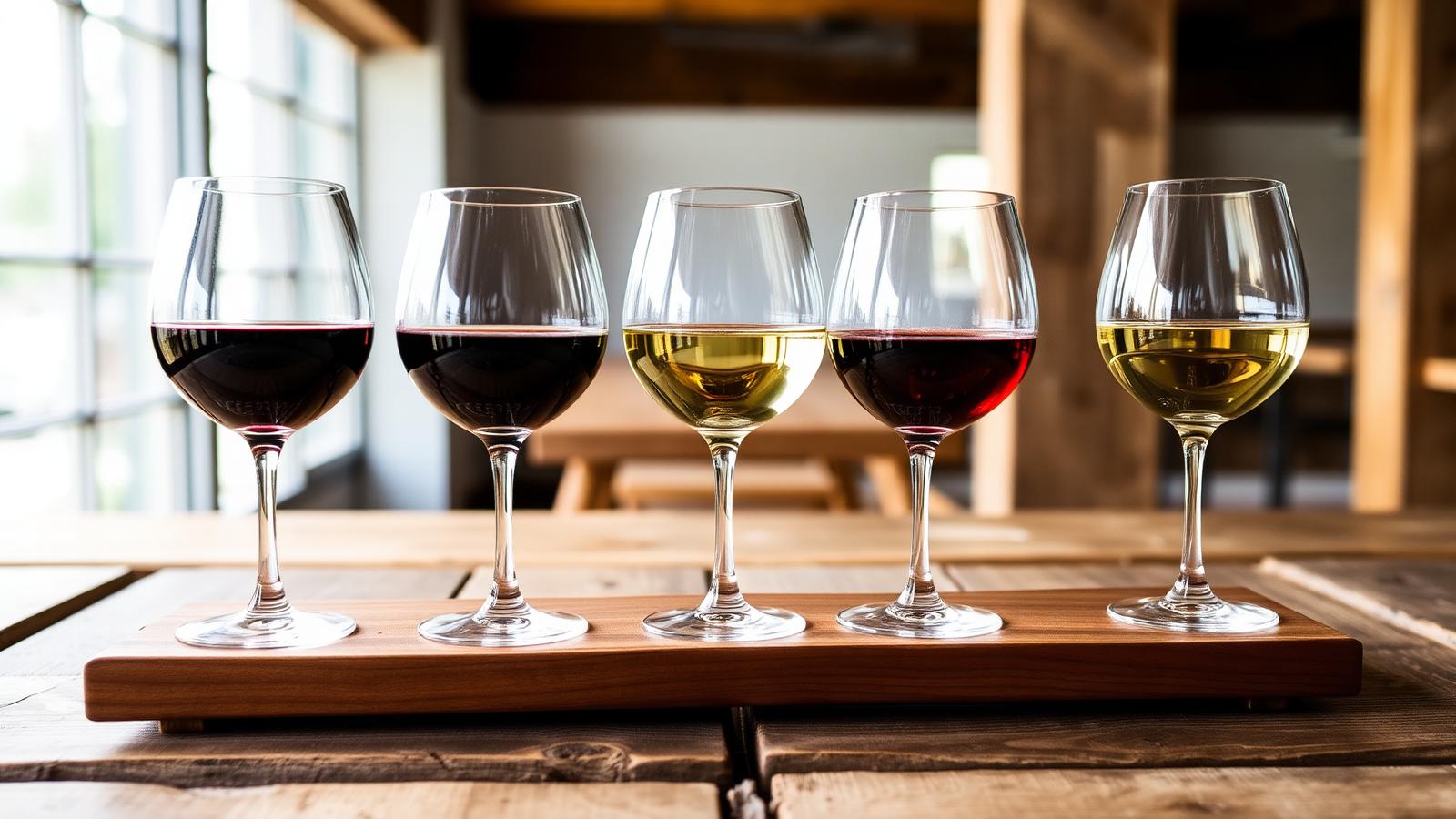
Wines from Madrid tend to reflect the region's climate and terrain more than any single style. Look for a sense of place in the glass — mineral notes from stony soils, freshness where nights are cool, richer texture where the sun lingers longer. A short flight of local wines is the fastest way to feel the range.
Rhythms of the year
Madrid moves with the seasons. Spring is quiet and green, summer brings long light and full terraces, harvest is intense and communal, and winter turns the vineyards into a stark, beautiful sculpture. Every season is a good reason to come — they just make very different trips.
Beyond the tasting room
Some of the most memorable moments in Madrid happen away from the vines: a bakery in the next village over, a viewpoint at sunrise, a slow lunch that turns into a slow afternoon. Leave room in your itinerary for the things you can't plan.
Frequently asked questions
What is the best time of year to visit Madrid's wine region?
Spring (April-May) and autumn (September-October) are generally ideal. In spring, the vineyards burst with life, and the temperatures are pleasantly mild for exploring. Autumn brings the excitement of harvest, vibrant foliage, and comfortable weather. While July and August can be very hot, if you prefer less crowded experiences and sunny days, early summer might appeal, focusing on morning visits and enjoying long, shaded lunches. Winter offers a quieter, more introspective experience, often with a crisp beauty, though some smaller establishments might have reduced hours.
How can I get around the wine region from Madrid city?
While public transport can reach some of the larger towns, exploring the vineyards and smaller villages is best done by car. Renting a car provides the flexibility to follow scenic routes, stop at charming hamlets, and visit different wine-producing areas at your own pace. Alternatively, several local tour operators offer guided day trips from Madrid, which can be a relaxing option if you prefer not to drive. Consider engaging a private driver for a completely tailored and comfortable experience, allowing you to fully enjoy the tastings.
Are the wineries generally open to visitors, or do I need to book in advance?
It is highly recommended to book your visits in advance, especially if you plan to visit smaller, family-run producers or wish to have a guided tasting. While some larger establishments might accommodate walk-ins, pre-booking ensures availability, allows them to prepare for your arrival, and often provides a more personalized experience. You can typically find contact information on their websites or through regional wine tourism offices. During harvest season, advanced reservations are essential due to increased activity and demand.
What kind of local cuisine should I look for to pair with the wines?
When in Madrid's wine country, seek out the hearty, traditional Castilian dishes that beautifully complement the local reds. Look for roasted lamb or suckling pig, or slow-cooked stews like 'cocido madrileño' or 'callos a la madrileña.' For the local white wines, try marinated olives, a plate of local cheeses – especially varieties made from goat or sheep's milk – or perhaps some river fish if you are near an area with fresh water. Don't miss out on local cured meats and artisanal breads, which are perfect for a relaxed picnic amidst the vines.