

Murcia Wineries & Wine Tours
Sub-regions

The Heart of Monastrell
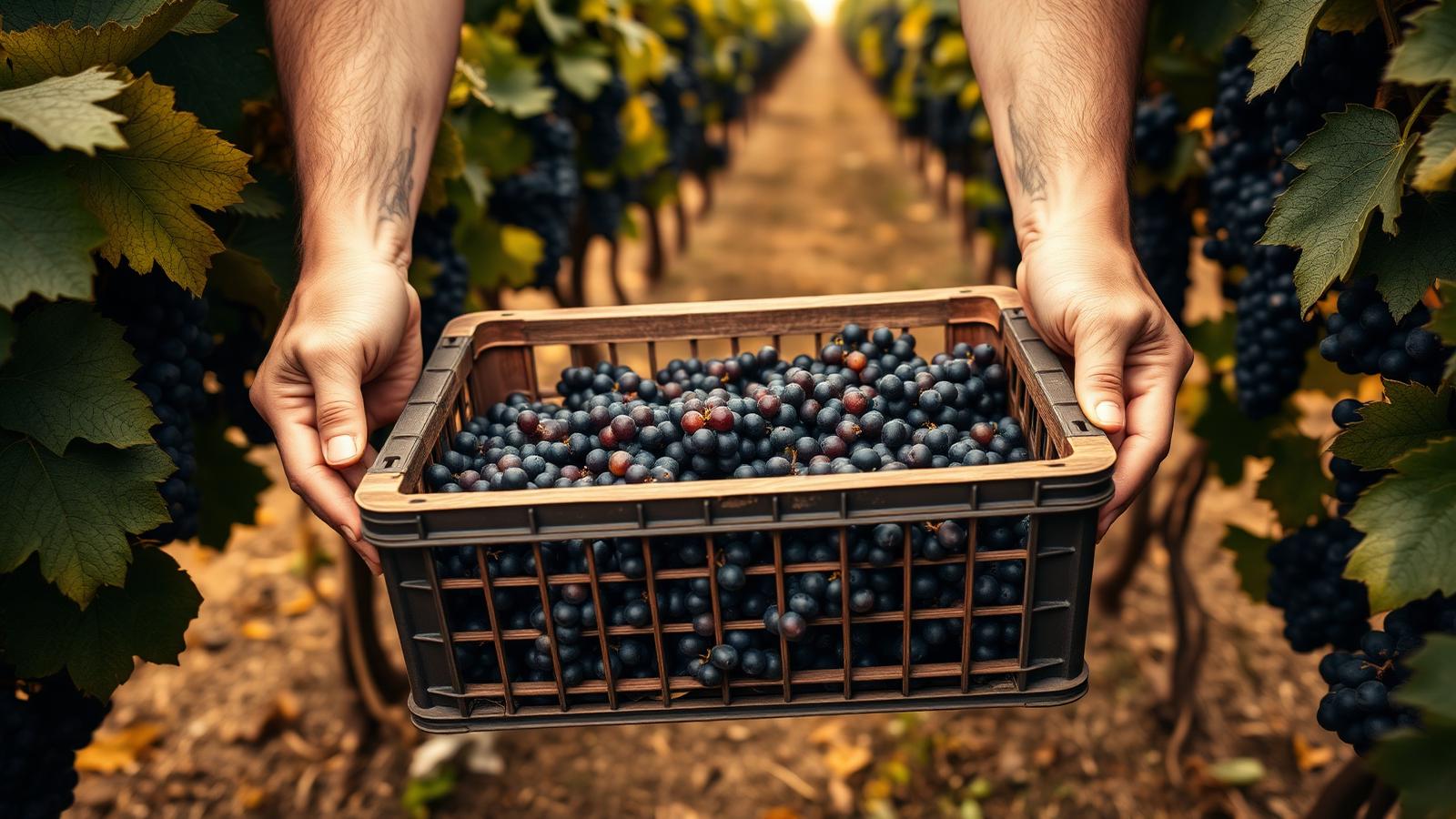
Murcia is almost synonymous with , a grape that thrives in its warm, dry embrace. These thick-skinned berries, known elsewhere as , find their truest expression here, yielding wines of deep color, intense fruit, and often a savory, garrigue-like complexity. Old, bush-trained vines, some a century old, dig deep into the poor, stony soils, concentrating their essence into every cluster. The resulting wines are robust, with notes of blackberry, plum, and a hint of spice, reflecting the very soul of the Murcian landscape. While Monastrell reigns supreme, other varieties also contribute to a diverse and compelling wine scene.
A Landscape of Extremes
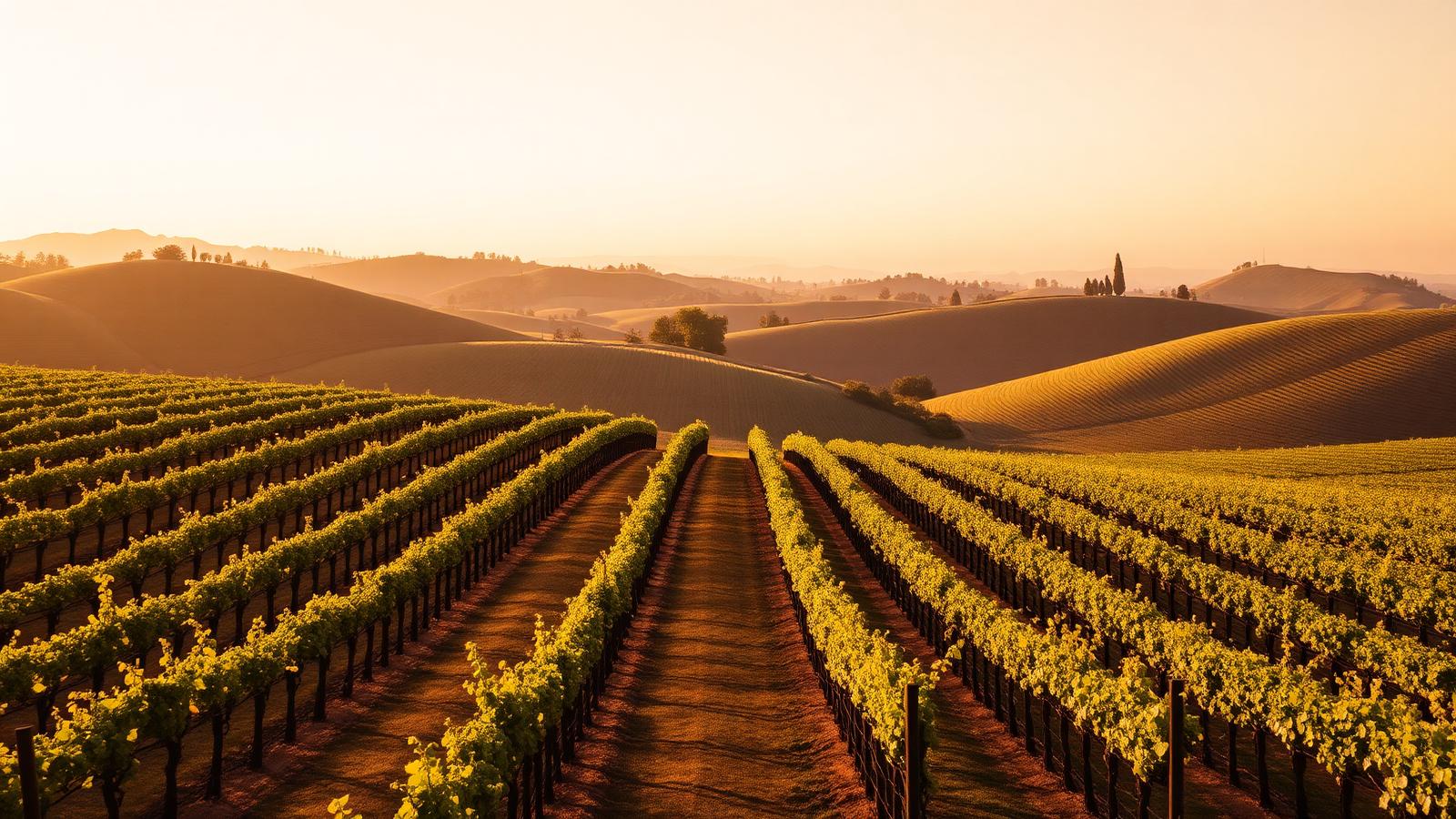
The Murcian terrain is a study in contrasts, from the coastal plains kissed by the Mediterranean breeze to the rugged, sun-baked interior mountains. This dramatic topography, coupled with a fiercely continental climate in the higher altitudes, creates a mosaic of microclimates. Days are long and intensely sunny, fostering full ripeness, while nights can bring significant cooling, preserving vital acidity. This diurnal shift is crucial for developing the nuanced flavors and aromas that define the region's wines, allowing for both power and finesse to emerge from the challenging environment.
Cuisine Rooted in the Land
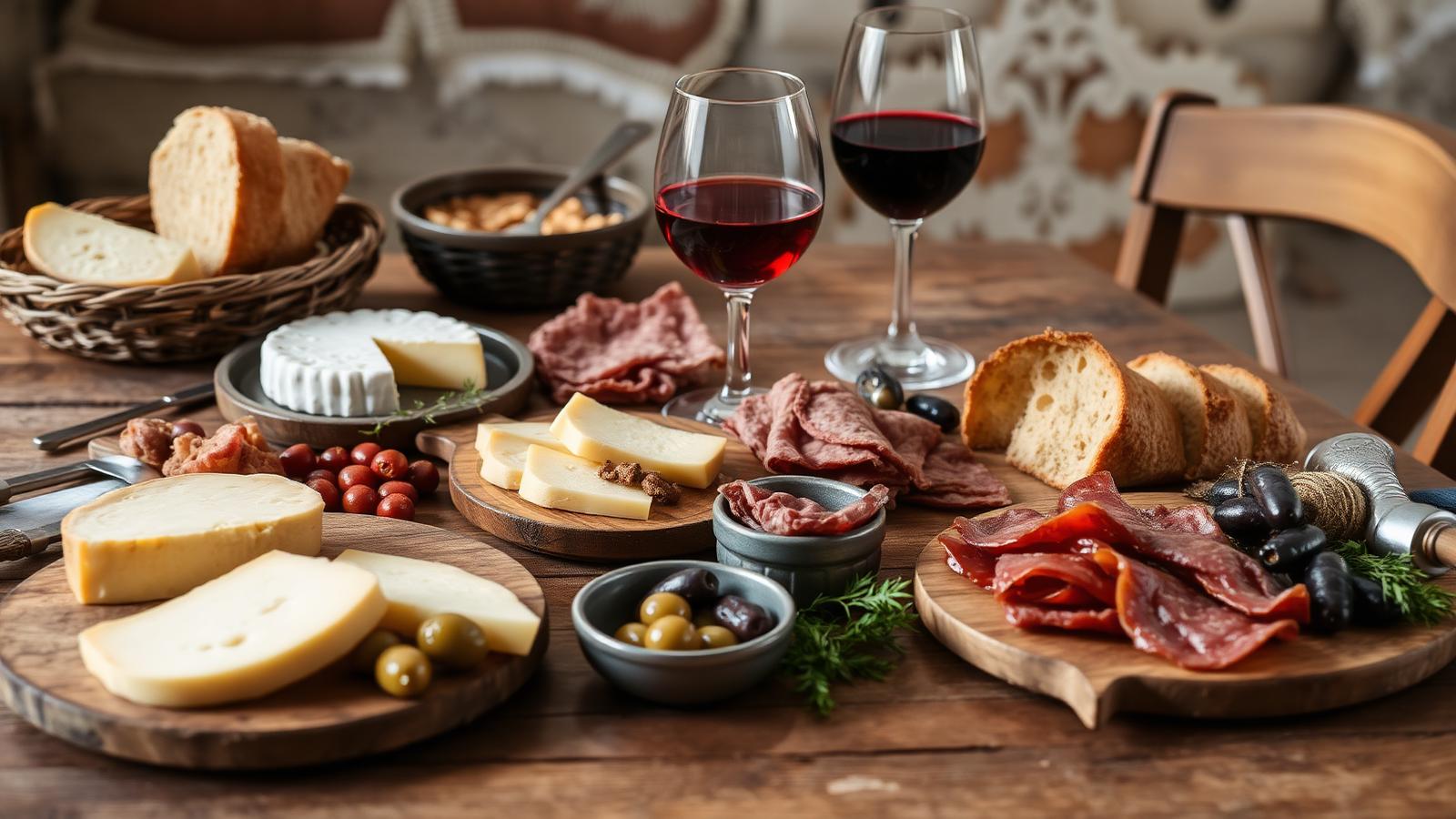
Murcian gastronomy is a direct reflection of its agricultural bounty and its proximity to the sea. The same sun that ripens the grapes also nurtures succulent rice, vibrant vegetables, and sun-dried fruits. Dishes like "arroz con conejo" (rice with rabbit) or hearty stews brimming with local produce pair exquisitely with the region's robust red wines. "Paparajotes," a kind of lemon leaf fritter, offer a sweet counterpoint. Meals are unhurried affairs, often accompanied by lively conversation, embodying the convivial spirit and deep connection to the land that permeates Murcian culture.
Getting to know Murcia
What Murcia tastes like
Wines from Murcia tend to reflect the region's climate and terrain more than any single style. Look for a sense of place in the glass — mineral notes from stony soils, freshness where nights are cool, richer texture where the sun lingers longer. A short flight of local wines is the fastest way to feel the range.
Rhythms of the year
Murcia moves with the seasons. Spring is quiet and green, summer brings long light and full terraces, harvest is intense and communal, and winter turns the vineyards into a stark, beautiful sculpture. Every season is a good reason to come — they just make very different trips.
Beyond the tasting room
Some of the most memorable moments in Murcia happen away from the vines: a bakery in the next village over, a viewpoint at sunrise, a slow lunch that turns into a slow afternoon. Leave room in your itinerary for the things you can't plan.
Frequently asked questions
When is the best time of year to visit Murcia for a wine-focused trip?
The shoulder seasons, spring (April to June) and autumn (September to October), are generally ideal. In spring, the landscape is lush and green, with pleasant temperatures perfect for exploring. Autumn brings the excitement of the harvest, and the air is crisp and comfortable, offering a wonderful atmosphere for tasting. Summers can be intensely hot, especially in July and August, which might make extensive outdoor exploration less comfortable. Winters are mild and quiet, offering a peaceful, less crowded experience, though some smaller establishments might have reduced hours.
What is the typical pace of life and culture like for a visitor in Murcia?
Life in Murcia unfolds at a wonderfully relaxed, unhurried pace, especially outside of the bustling city centers. Villages are tranquil, with a strong sense of community and traditional values. You'll find mealtimes are a central part of the day, often extending into leisurely afternoons. Siestas are still a common practice, particularly in smaller towns, meaning some businesses may close during midday. Embrace the slower rhythm, enjoy long meals, and allow yourself to soak in the genuine warmth and hospitality of the local people; it’s part of the region’s charm.
Are there good options for accommodation when exploring the wine regions of Murcia?
Yes, accommodation in Murcia's wine areas ranges from charming rural guesthouses and boutique hotels within traditional villages to comfortable haciendas and even some establishments offering rooms on properties dedicated to wine production. For a truly immersive experience, seek out a "casa rural" or a quaint inn in towns like Jumilla, Yecla, or Bullas. These options often provide a more authentic taste of local life and culture, complementing the region's wine offerings perfectly, and serving as an excellent base for daily excursions.
What kind of local cuisine should I look for to pair with the region's Monastrell wines?
Murcia's cuisine pairs beautifully with its robust wines. Look for hearty, flavorful dishes like slow-cooked stews, often featuring game or lamb, and traditional rice dishes such as "arroz con conejo y caracoles" (rice with rabbit and snails), or vegetable-rich preparations. Local cheeses, cured meats, and robust grilled vegetables also make excellent companions. The wines' structure and fruit intensity stand up well to these rich flavors, creating a harmonious dining experience that truly reflects the region's culinary heritage and its connection to the land.