

Navarre Wineries & Wine Tours
Sub-regions
A Land of Contrasts
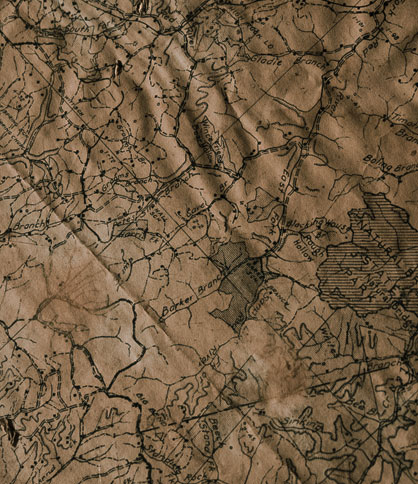
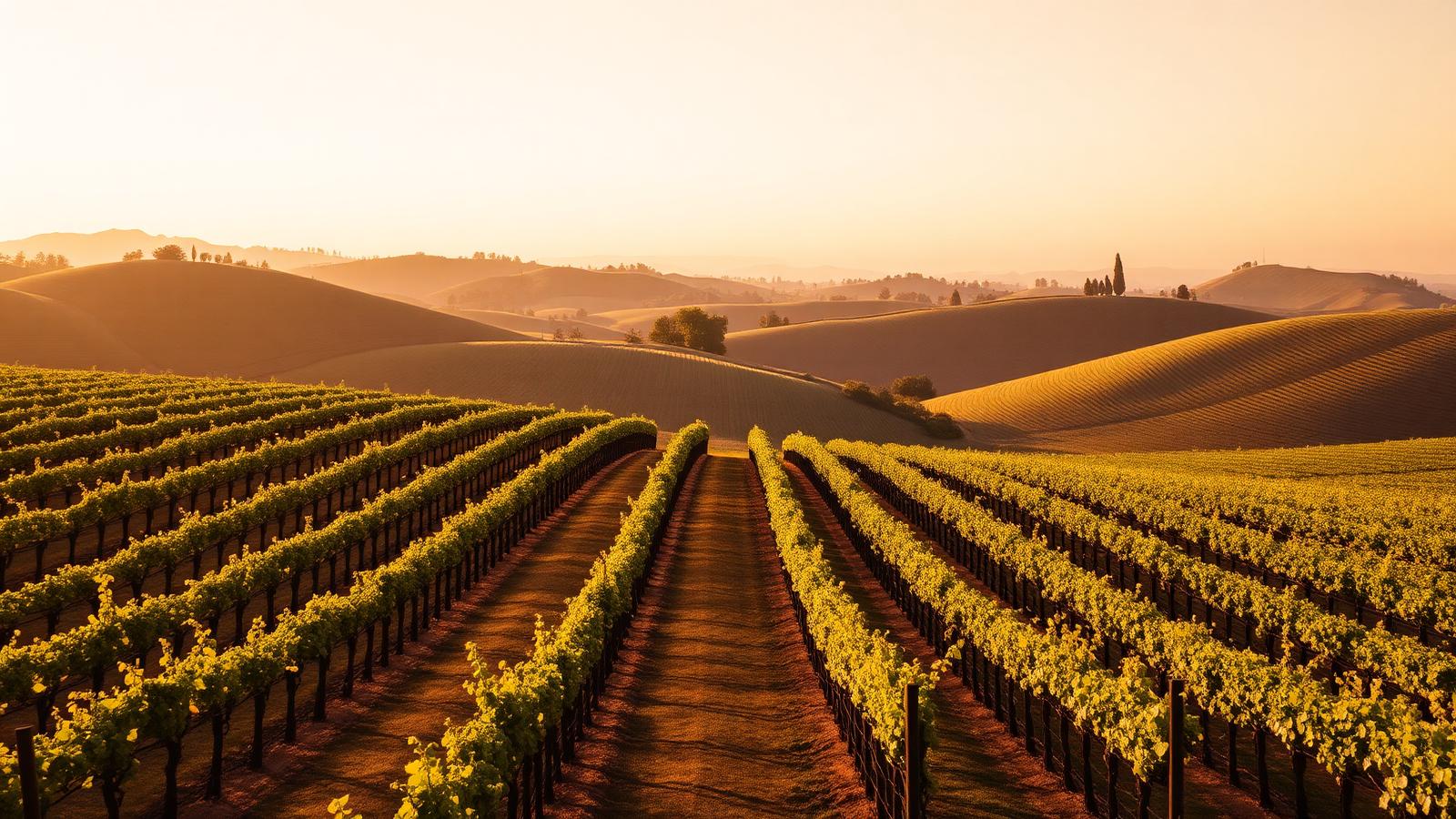
Navarre’s striking diversity is its very essence. Travel a short distance and you move from the arid, almost lunar landscapes of the south, perfect for robust reds, to the green, rolling foothills in the north where white grapes thrive. This unique geographical position, caught between oceanic breezes and continental warmth, gifts the vineyards with distinct microclimates. Grapes ripen with a nuanced complexity, revealing layers of flavor that speak of sunny days and cool nights, of ancient soils formed by river and mountain. This convergence crafts wines of remarkable character and versatility, a true testament to the region’s natural bounty.
Signature Styles and Grapes
While renowned for its delightful rosé wines, particularly those crafted from —a vibrant, fruit-forward expression with characteristic salmon hues—Navarre’s spectrum extends far beyond. The region excels in rich, age-worthy reds from , often blended with Grenache, , or , yielding wines with structure and depth. Keep an eye out for the intriguing indigenous Graciano, contributing elegance and herbaceous notes, and the lively . White wines, from to (), also find their voice, especially in the cooler northern zones, offering crispness and aromatic complexity suited for the region’s diverse cuisine.
Getting to know Navarre
What Navarre tastes like
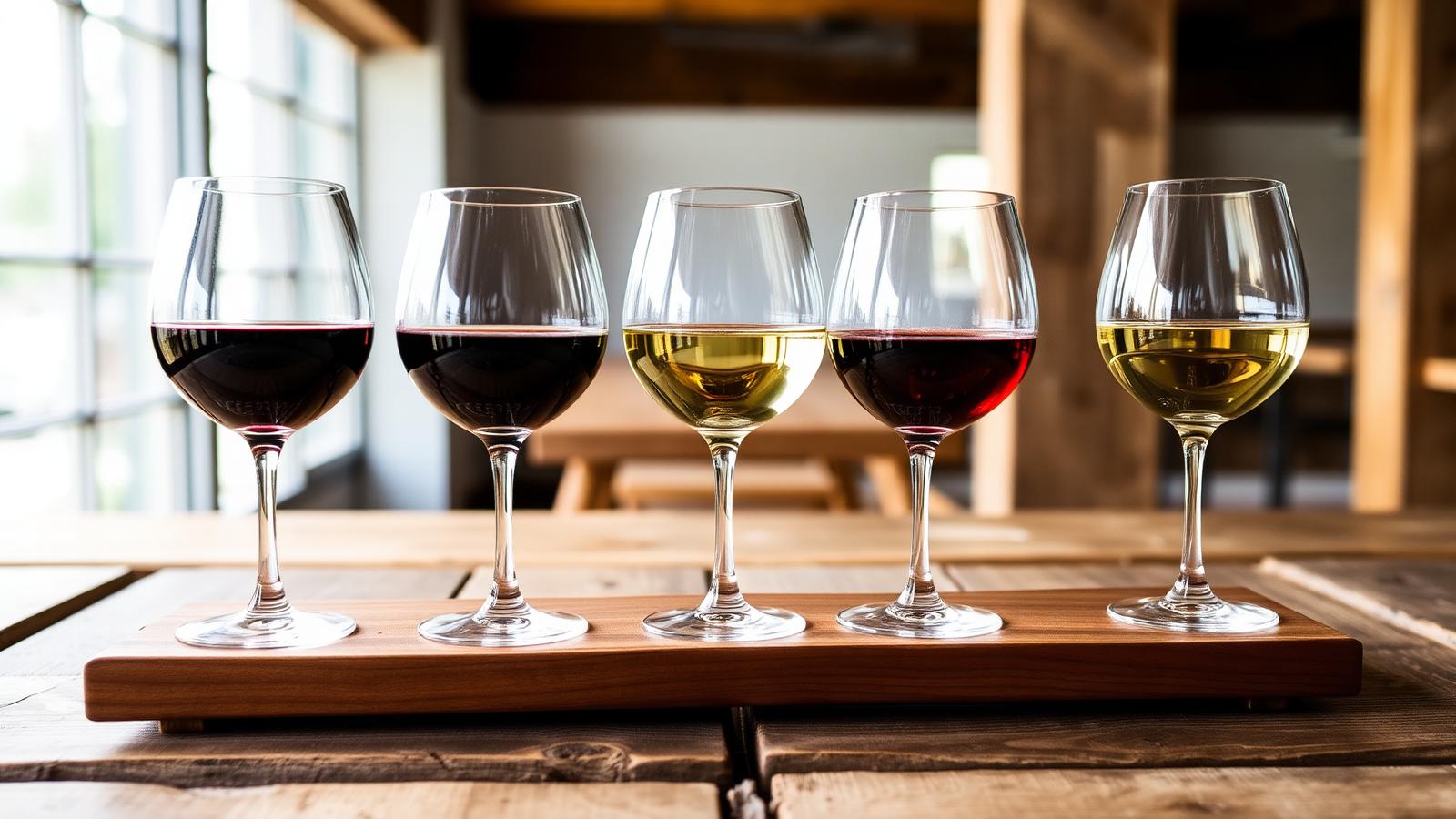
Wines from Navarre tend to reflect the region's climate and terrain more than any single style. Look for a sense of place in the glass — mineral notes from stony soils, freshness where nights are cool, richer texture where the sun lingers longer. A short flight of local wines is the fastest way to feel the range.
Rhythms of the year
Navarre moves with the seasons. Spring is quiet and green, summer brings long light and full terraces, harvest is intense and communal, and winter turns the vineyards into a stark, beautiful sculpture. Every season is a good reason to come — they just make very different trips.
Beyond the tasting room
Some of the most memorable moments in Navarre happen away from the vines: a bakery in the next village over, a viewpoint at sunrise, a slow lunch that turns into a slow afternoon. Leave room in your itinerary for the things you can't plan.
Frequently asked questions
When is the best time to visit Navarre for a wine trip?
The ideal times to explore Navarre’s wine country are late spring (May-June) or early autumn (September-October). In spring, the vineyards are lush and green, and the weather is pleasantly mild for outdoor exploration. Autumn offers the exciting atmosphere of the harvest, with vibrant colours across the landscape and cooler, crisp air perfect for long walks. Summers can be quite warm, especially in the southern parts, while winters are chillier but offer a quieter, more intimate experience.
What is the primary language spoken, and do I need to know Spanish?
Spanish is the predominant language spoken throughout Navarre, so having some basic Spanish phrases will greatly enhance your experience. In some northern areas and around Pamplona, Basque is also spoken. While many people in the tourism industry may speak some English, particularly in larger towns or more frequented establishments, venturing into smaller villages or family-run bodegas will be much smoother with a little Spanish under your belt. A phrasebook or translation app can be very helpful.
What kind of transportation is best for exploring the wine regions?
Renting a car is highly recommended for exploring Navarre’s wine regions. Public transport options between vineyards and smaller villages are limited, and having your own vehicle offers the flexibility to discover hidden gems at your own pace. The roads are generally well-maintained, and the scenic drives through the countryside are part of the charm. Ensure you have a designated driver if you plan on indulging in tastings, or consider hiring a local driver for dedicated tasting days.
Are there particular dishes or local products I should seek out in Navarre?
Absolutely! Navarre is a culinary treasure. You must try the white asparagus from Tudela, often served simply with vinaigrette. The red Piquillo peppers, either roasted or stuffed, are another regional specialty. Seek out artisan sheep’s cheeses like Roncal, and the local chistorra sausage. For something more substantial, look for `cordero al chilindrón` (lamb stew). Don't forget `trucha a la Navarra` (Navarran-style trout) and, of course, pair everything with the local wines, especially the famous rosados.