

Valencia Wineries & Wine Tours
Sub-regions
The Heart of the Land
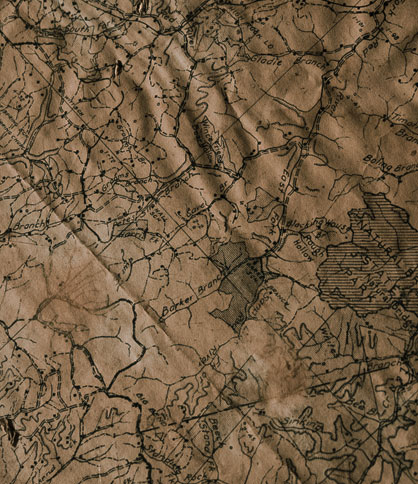
The Valencian winemaking landscape is a tapestry woven from diverse threads. Towards the coast, you find the gentle undulations and alluvial soils, moderating the climate, while moving inland, the terrain elevates into more rugged, sun-drenched plateaus where ancient vineyards cling to the hillsides. Here, the struggle of the vine against a more arid environment deepens the character of the grapes. It’s a region shaped by both the Mediterranean's placid influence and the sierra's formidable presence, fostering a mosaic of microclimates that give rise to a rich spectrum of wine styles. This interplay of sea, sun, and soil defines the very essence of Valencian wine.
Grapes of the Sun and Sea
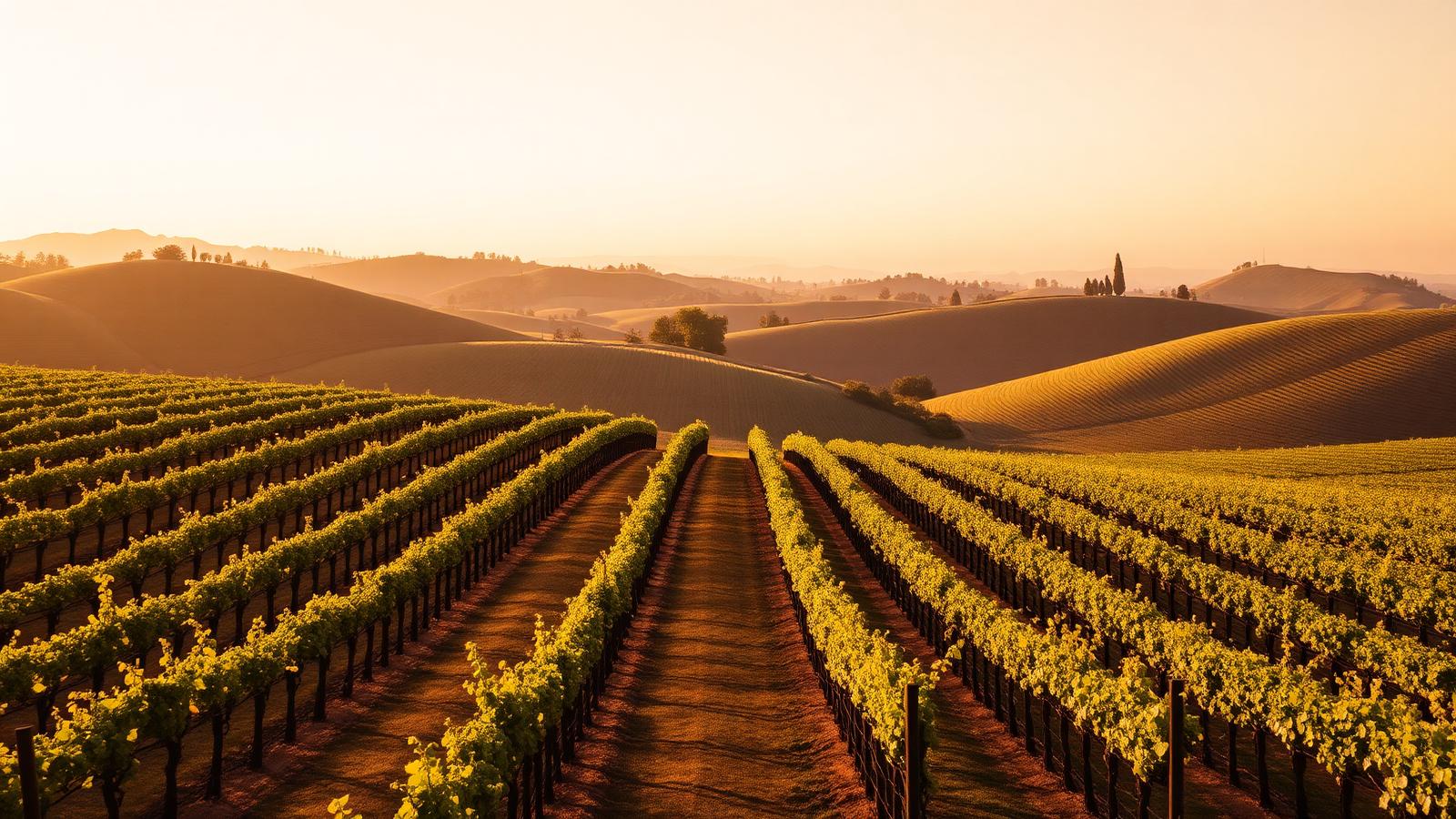
Valencia's vineyards are home to an array of indigenous grapes that flourish under the generous Mediterranean sun. , a powerful red grape, thrives in the sun-drenched interior, yielding wines of deep color and structure, often with notes of dark fruit and spice. For whites, Merseguera offers a unique local expression, producing refreshing wines with aromatic complexity and a delicate balance. and Malvasía also contribute to the region's diverse white wine profile, providing crispness and floral notes. These grapes, nurtured by the unique Valencian climate, embody the region's distinct winemaking identity, capturing its sunshine and fresh breezes in every bottle.
Getting to know Valencia
What Valencia tastes like
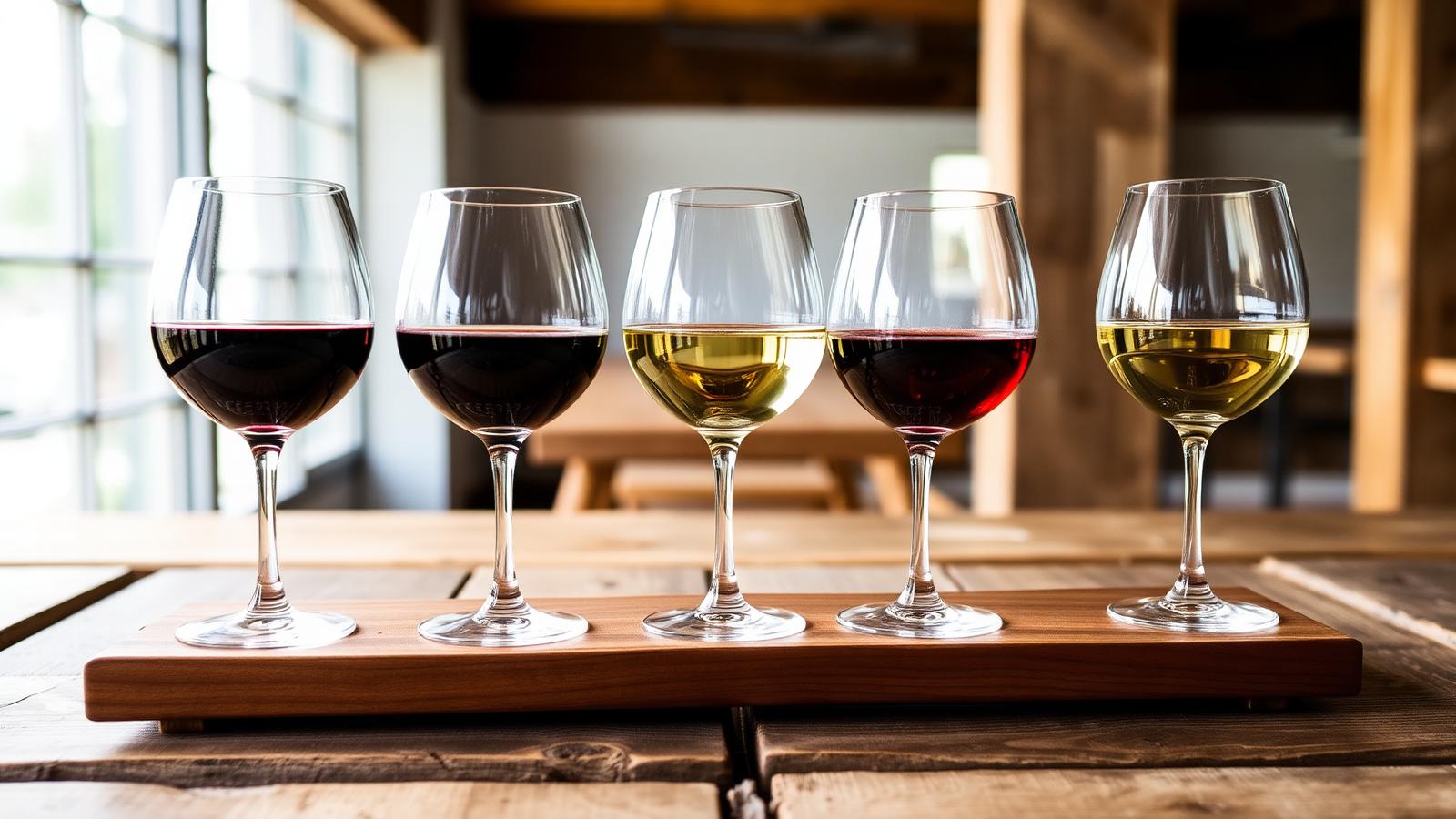
Wines from Valencia tend to reflect the region's climate and terrain more than any single style. Look for a sense of place in the glass — mineral notes from stony soils, freshness where nights are cool, richer texture where the sun lingers longer. A short flight of local wines is the fastest way to feel the range.
Rhythms of the year
Valencia moves with the seasons. Spring is quiet and green, summer brings long light and full terraces, harvest is intense and communal, and winter turns the vineyards into a stark, beautiful sculpture. Every season is a good reason to come — they just make very different trips.
Beyond the tasting room
Some of the most memorable moments in Valencia happen away from the vines: a bakery in the next village over, a viewpoint at sunrise, a slow lunch that turns into a slow afternoon. Leave room in your itinerary for the things you can't plan.
Frequently asked questions
What is the best time of year to visit Valencia's wine regions?
The spring months of April and May offer pleasant temperatures and vibrant landscapes, perfect for touring and experiencing the vineyards in bloom. Autumn, particularly September and October, brings the excitement of harvest season, with slightly cooler weather and the opportunity to witness winemaking activities firsthand. Summer can be quite warm, especially inland, but offers long, bright days, while winter is mild and offers a quieter, more contemplative experience, though some cellar doors may have reduced hours. Each season offers a distinct charm for the wine traveller.
How accessible are the wine regions from Valencia city?
The main winemaking areas are generally quite accessible from the city of Valencia. Many regions are within an hour's to an hour-and-a-half drive, making day trips feasible. Rental cars offer the most flexibility to explore at your own pace and reach more secluded spots. There are also local bus services to some of the larger towns within the wine regions, though these often require careful planning for connections. Consider guided tours if you prefer not to drive, as they handle transport and appointments, offering a seamless experience.
Are English speakers common in the smaller wine villages and cellars?
While Spanish is the predominant language, particularly in smaller, more traditional villages, you will increasingly find English speakers, especially at larger, more established cellars and in areas accustomed to international visitors. It's always helpful to learn a few basic Spanish phrases, as it's greatly appreciated. Many tasting rooms will have staff with at least some English proficiency, and if you book a guided tour, your guide will often be bilingual, ensuring a smooth and informative visit. Don't let language barriers deter you from exploring this beautiful region.
What is the general style and cost of accommodation in Valencia's wine country?
Accommodation in Valencia's wine regions ranges from charming guesthouses and rural retreats (casas rurales) that offer an intimate, local experience, to boutique hotels often set within renovated historic buildings or near vineyard properties. You might also find agriturismo-style stays providing a deeper connection to the agricultural landscape. Prices are generally more moderate than in major European cities, with a good range of options to suit various budgets. Booking directly with properties often allows for a more personalized experience, and choosing places with local character enhances your immersion into the region's culture.