

Kent Wine Guide
Wineries in Kent
View all 18 wineries →Savouring the Kentish Day
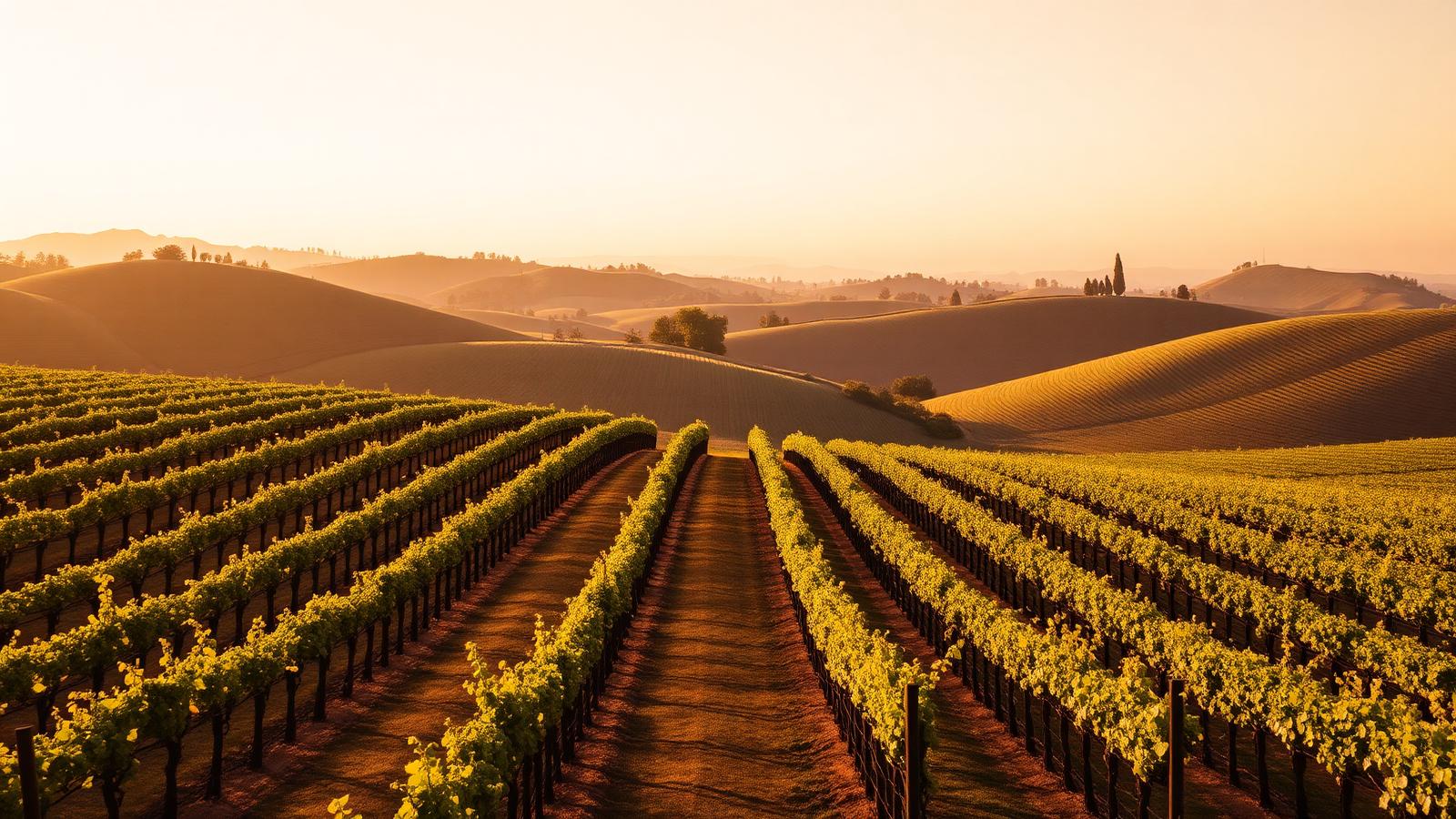
A day in Kent wine country unfolds with unhurried grace. Imagine mornings steeped in the fresh, dewy air, perhaps strolling through a quiet vineyard as the mist burns off the fields. Lunch might be a leisurely affair at a local eatery or a charming pub, featuring seasonal Kentish produce – perhaps fresh samphire, Romney Marsh lamb, or robust oysters from the coast – perfectly paired with a local . Afternoons are for gentle exploration: visiting a historic garden, discovering a quaint village, or simply enjoying the panoramic views of the vine-clad hills. Evenings descend with a soft glow, inviting reflection over a final glass, the quiet hum of the countryside a soothing backdrop.
Grapes of English Character
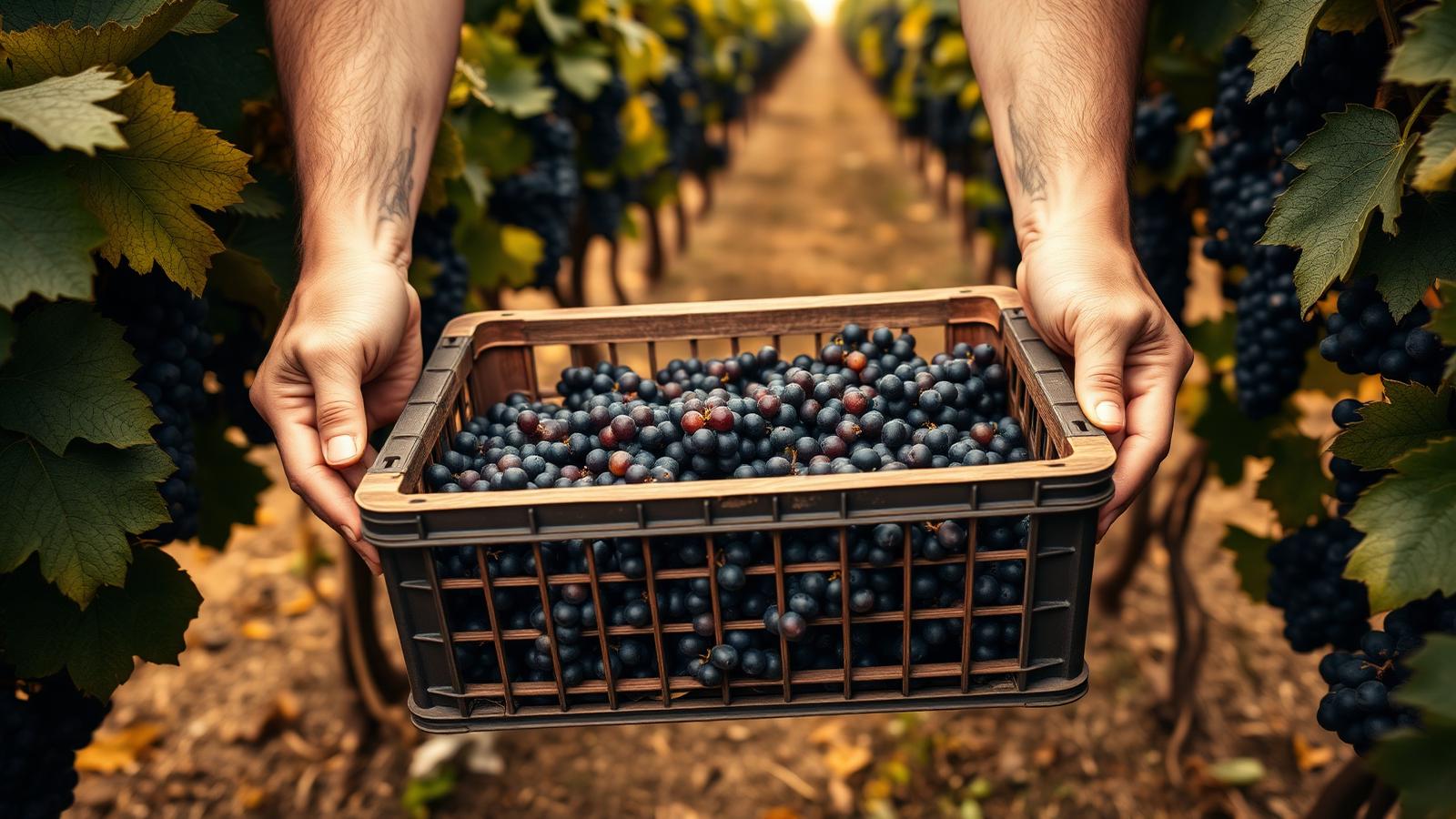
While tradition often points to the Champagne varieties – , , and Pinot Meunier – as the stars of Kent's sparkling reputation, the region also champions still wines with elegance and poise. Delicate Pinot Noirs, with their whisper of red berry and earthy undertones, are emerging, alongside crisp, aromatic , often likened to for its Elderflower and nettle notes. The cooler climate ensures the grapes retain a refreshing acidity, which is crucial for crafting wines of balance and longevity, whether effervescent or still. These varieties capture the very essence of the English vineyard.

The Chalky Kiss of Terroir
The geological heart of Kent beats with the same chalk seam that stitches through Champagne, lending its vineyards a distinct personality. This ancient bedrock, overlaid with varying topsoils of clay, loam, and greensand, provides excellent drainage and imparts a unique minerality to the grapes. The gentle slopes of the North Downs offer ideal aspects, cradling the vines and optimising sun exposure, while the maritime influence moderates temperatures, protecting against harsh frosts and ensuring a prolonged, consistent ripening period. This intricate dance of soil, slope, and sea air is the true architect of Kent's refined sparkling and increasingly sophisticated still wines.
Planning a visit to Kent
Best time to visit Kent
Late spring and early autumn are the choices — comfortable weather, generous light, and vineyards at their most photogenic. Summer is warmer and livelier, with long evenings and outdoor tables everywhere. Winter is peaceful, cellars are quiet, and there's a real intimacy to visits without the crowds.
Where to base yourself
The main village or town in Kent is usually the easiest base — it puts you in walking distance of restaurants and daily life, with vineyards a short drive away. Staying in the countryside is quieter and more romantic, but you'll rely more on a car or a driver. Both are valid; pick the mood you want your trip to have.
Getting to Kent
Most travellers reach Kent by combining a flight into the nearest major city with a train, bus, or rental car for the last leg. Once you arrive, distances are usually short — many memorable days here involve less driving than you'd expect.
Making the most of a day in Kent
A good day in Kent tends to have a shape: a slow morning, a couple of unhurried tasting stops, a proper local lunch, and time in the late afternoon to walk, nap, or take in a view. Try not to over-plan — the best moments usually turn up between the ones you scheduled.
Frequently asked questions
What is the best time of year to visit Kent for a wine-focused trip?
The most picturesque times to visit Kent are late spring through early autumn, typically May to October. In spring, the vineyards burst with fresh green growth and the air is crisp. Summer offers longer, warmer days ideal for leisurely tours and outdoor dining. Early autumn, particularly September and October, is harvest season, a truly vibrant time when the countryside is alive with activity, and many estates offer special events. The cooler shoulder seasons also mean fewer crowds and often more intimate experiences.
Are most of Kent's wine estates easily accessible or do I need a car?
While some estates are reachable by public transport (trains from London are efficient to major Kentish towns), having a car offers the greatest flexibility to explore the diverse landscape and smaller, more secluded vineyards at your own pace. The region is delightfully rural, with winding country lanes connecting charming villages and estates. For those preferring not to drive, organised wine tours often provide transport from key locations, allowing you to relax and fully enjoy the tastings without concern.
Beyond wine, what local culinary delights should I seek out in Kent?
Kent is celebrated as the 'Garden of England' for good reason, boasting an abundance of fresh, seasonal produce. Be sure to savour local specialities such as Romney Marsh lamb, known for its distinct flavour. The coastal areas offer exceptional seafood, including fresh oysters from Whitstable. You'll also find a delightful array of artisanal cheeses, Kentish apples and pears, and traditional Kentish 'huffkins' (a local bread). Many farm shops and village pubs showcase these regional treasures, offering a truly authentic taste of Kent.
What type of accommodation is common in Kent's wine region?
Accommodation options in Kent's wine regions are charming and varied, catering to different preferences. You'll find beautifully restored country pubs with rooms, offering a quintessential English experience. Boutique bed and breakfasts nestled in historic villages provide a personal touch. For a more expansive stay, there are elegant manor houses and small, independently run hotels. Some vineyards themselves offer on-site lodging, allowing for an immersive wine country experience. Booking in advance, especially during peak season, is always recommended.