

Sussex Wine Guide
Wineries in Sussex
View all 6 wineries →A Culinary Dance with the Coast
Sussex cuisine is a celebration of the season and the sea, a perfect companion to the region's bright wines. Imagine fresh catch hauled from the Channel – succulent cod, sea bass, or crab – prepared simply to let its natural flavors shine. Farm-to-table is not a trend here, but a way of life, with local produce, artisanal cheeses, and heritage meats gracing menus across the countryside. Long, leisurely lunches unfold in sun-drenched courtyards or cozy pubs, where plates of seasonal vegetables, often from nearby market gardens, complement robust lamb or delicate pork. A glass of crisp local wine elevates these authentic flavors, creating a harmonious dialogue between the glass and the plate, rooted deeply in the land.

Chalky Terroir, Sparkling Soul
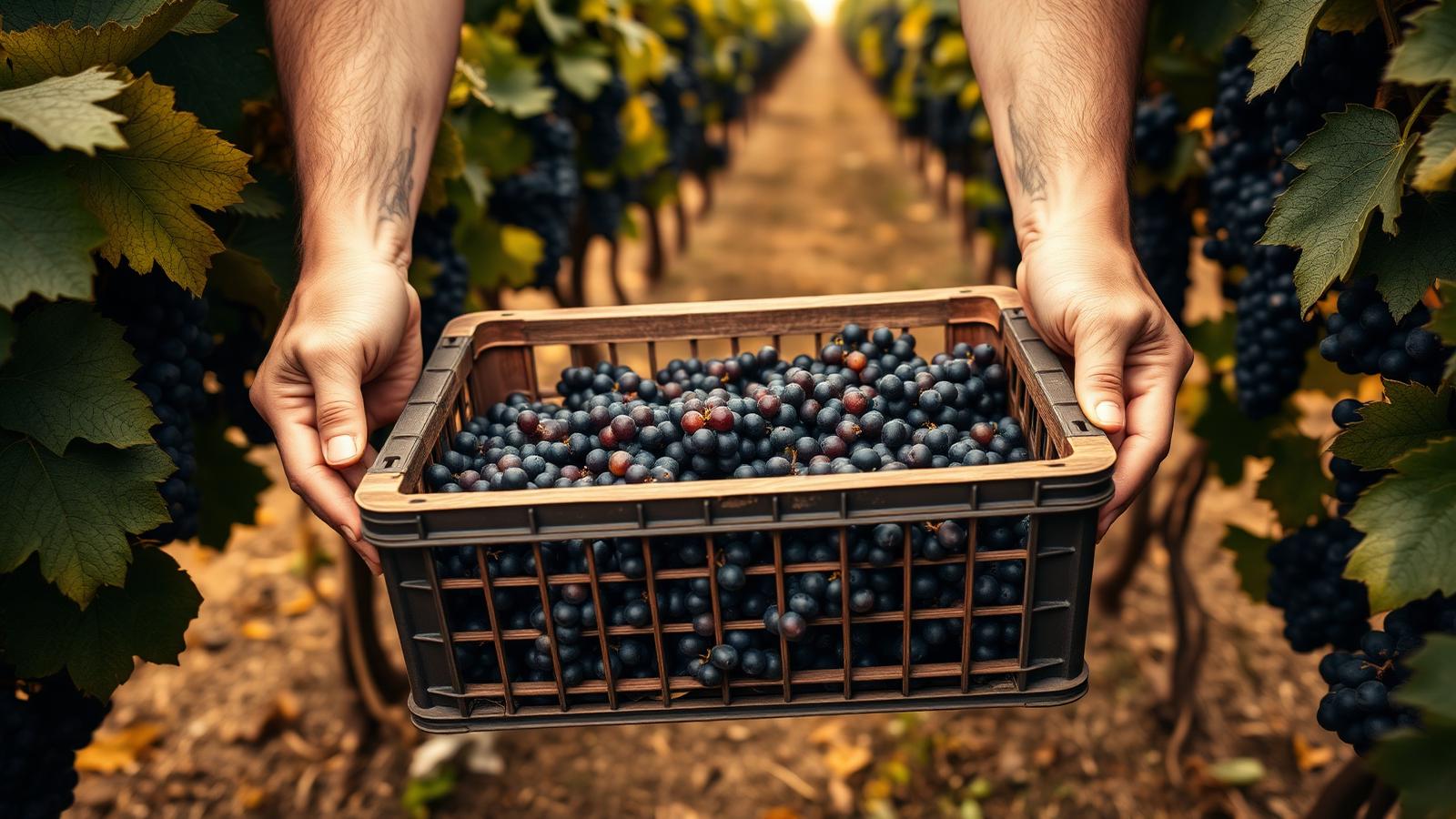
The bedrock of Sussex's vinous identity lies literally beneath its surface: a seam of Cretaceous chalk, a westward extension of the same geological formation found in France's most prestigious regions. This ancient marine deposit, rich in minerals, provides excellent drainage and imparts a distinct finesse to the grapes, particularly , , and Pinot Meunier. These varietals flourish in the sheltered valleys and south-facing slopes, drawing deep nourishment from the chalk to yield wines with vibrant acidity, precise fruit characters, and an exquisite minerality. The cool, temperate climate helps to preserve these delicate aromatics, creating the perfect canvas for crafting world-class sparkling wines that truly sing of their Sussex origins.
Planning a visit to Sussex
Best time to visit Sussex
Late spring and early autumn are the choices — comfortable weather, generous light, and vineyards at their most photogenic. Summer is warmer and livelier, with long evenings and outdoor tables everywhere. Winter is peaceful, cellars are quiet, and there's a real intimacy to visits without the crowds.
Where to base yourself
The main village or town in Sussex is usually the easiest base — it puts you in walking distance of restaurants and daily life, with vineyards a short drive away. Staying in the countryside is quieter and more romantic, but you'll rely more on a car or a driver. Both are valid; pick the mood you want your trip to have.
Getting to Sussex
Most travellers reach Sussex by combining a flight into the nearest major city with a train, bus, or rental car for the last leg. Once you arrive, distances are usually short — many memorable days here involve less driving than you'd expect.
Making the most of a day in Sussex
A good day in Sussex tends to have a shape: a slow morning, a couple of unhurried tasting stops, a proper local lunch, and time in the late afternoon to walk, nap, or take in a view. Try not to over-plan — the best moments usually turn up between the ones you scheduled.
Frequently asked questions
What is the best way to travel between vineyards in Sussex, and are they generally accessible?
Many of Sussex's wine estates are nestled in the countryside, often requiring a car to reach efficiently, particularly if you plan to visit multiple locations in a day. However, some larger estates are well-served by public transport links, such as local bus routes or train stations a short taxi ride away. Consider exploring guided tours if you prefer not to drive, as they often handle transportation and offer insightful commentary. Cycling can also be a wonderful option for exploring vineyards in closer proximity, offering an intimate connection with the rolling landscape and often revealing charming backroads.
What is the ideal time of year to experience Sussex's wine region?
The most enchanting time to visit Sussex for its wine is typically from late spring (May) through early autumn (October). In spring, the vineyards burst into vibrant green, and the countryside awakens with blossoms. Summer offers warmer weather ideal for outdoor tastings and long, sunlit evenings. Early autumn, particularly September and October, brings the magic of harvest, with bustling activity and often glorious golden light, and is generally considered prime time for wine enthusiasts. Winter offers a quieter, more intimate experience, perhaps focusing on cellar visits and cozy fireside meals.
Are there dining options available at or near the vineyards in Sussex, or should I pack a picnic?
Sussex is increasingly renowned for its excellent regional produce, and many wine estates now feature superb on-site restaurants, cafes, or farm shops where you can enjoy local fare paired with their wines. These range from casual light lunches to more formal dining experiences with stunning vineyard views. Alternatively, packing a delightful picnic filled with local cheeses, charcuterie, and artisanal breads from a nearby village market is always a wonderful option, providing the freedom to enjoy it amidst the beautiful Sussex scenery. Always check the specific estate's offerings in advance, as some have limited food service.
What kind of clothing should I pack for a visit to the Sussex wine region?
Layering is key when visiting Sussex, regardless of the season, due to the often-changeable English weather. Even in summer, evenings can be cool. Pack comfortable walking shoes, as you may wish to explore vineyards or stroll through charming villages. A waterproof or water-resistant jacket is advisable year-round, as are sunglasses and a hat for sunnier days. During cooler months, warm sweaters, a good coat, and perhaps a scarf and gloves will ensure your comfort. The overall style is generally smart casual, embracing comfort and practicality for exploring both rural landscapes and welcoming establishments.