

Ireland Wineries & Wine Tours
Sub-regions
Culinary Harmonies
The wines of Ireland find their natural companions in the island's rich and comforting cuisine. Picture a crisp, aromatic white wine alongside freshly shucked oysters from the Atlantic coast, the wine's bright acidity cutting through the briny sweetness. Or imagine a light-bodied red, perhaps with earthy undertones, pairing beautifully with slow-cooked lamb stew, its herbs mingling with the wine's subtle fruit. These are not wines for overpowering dishes but for enhancing the wholesome, often farm-to-table, ingredients that are the hallmark of Irish cooking. Long, unhurried meals in cozy village pubs or by roaring fires are the perfect setting for these harmonious pairings.
Grapes of the Green Isle
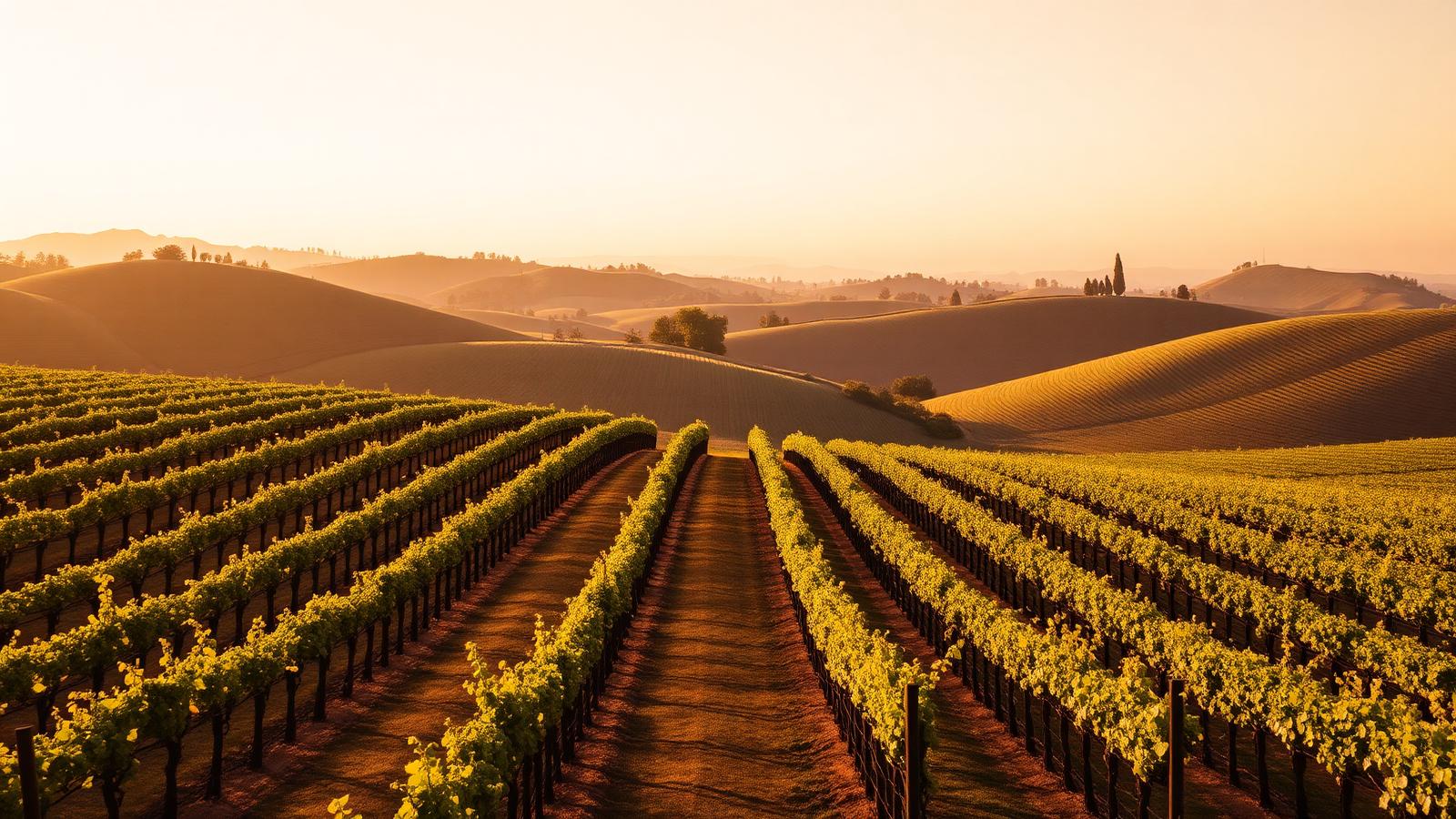
While the scale is boutique, the pioneering spirit of Irish winemakers has led to intriguing grape selections. Cool-climate varieties like Rondo, Solaris, and , renowned for their hardiness and ability to ripen in more challenging conditions, have found a sympathetic home here. These grapes contribute to wines with vibrant acidity and often crisp, aromatic profiles, from sparkling wines that capture the island's effervescence to still whites and reds of intriguing complexity. The focus is on quality over quantity, with each bottle embodying a distinct sense of place and the dedication required to coax flavour from this exceptional .
The Emerald Terroir
The Irish landscape, defined by its temperate maritime climate, presents a fascinating challenge and opportunity for viticulture. The ground, often a mix of limestone, shale, and glacial deposits, is deeply enriched, nurturing vines that brave the cooler conditions. Sunlight, though less intense than sunnier climes, is prolonged during the growing season, allowing for slow, deliberate ripening. This unique , far from the traditional wine strongholds, fosters grapes that express remarkable freshness and often a delicate aromatic profile, a true reflection of the island's verdant, rain-kissed character. It is a testament to the resilience of both the vines and the vintners who tend them.
Getting to know Ireland
What Ireland tastes like
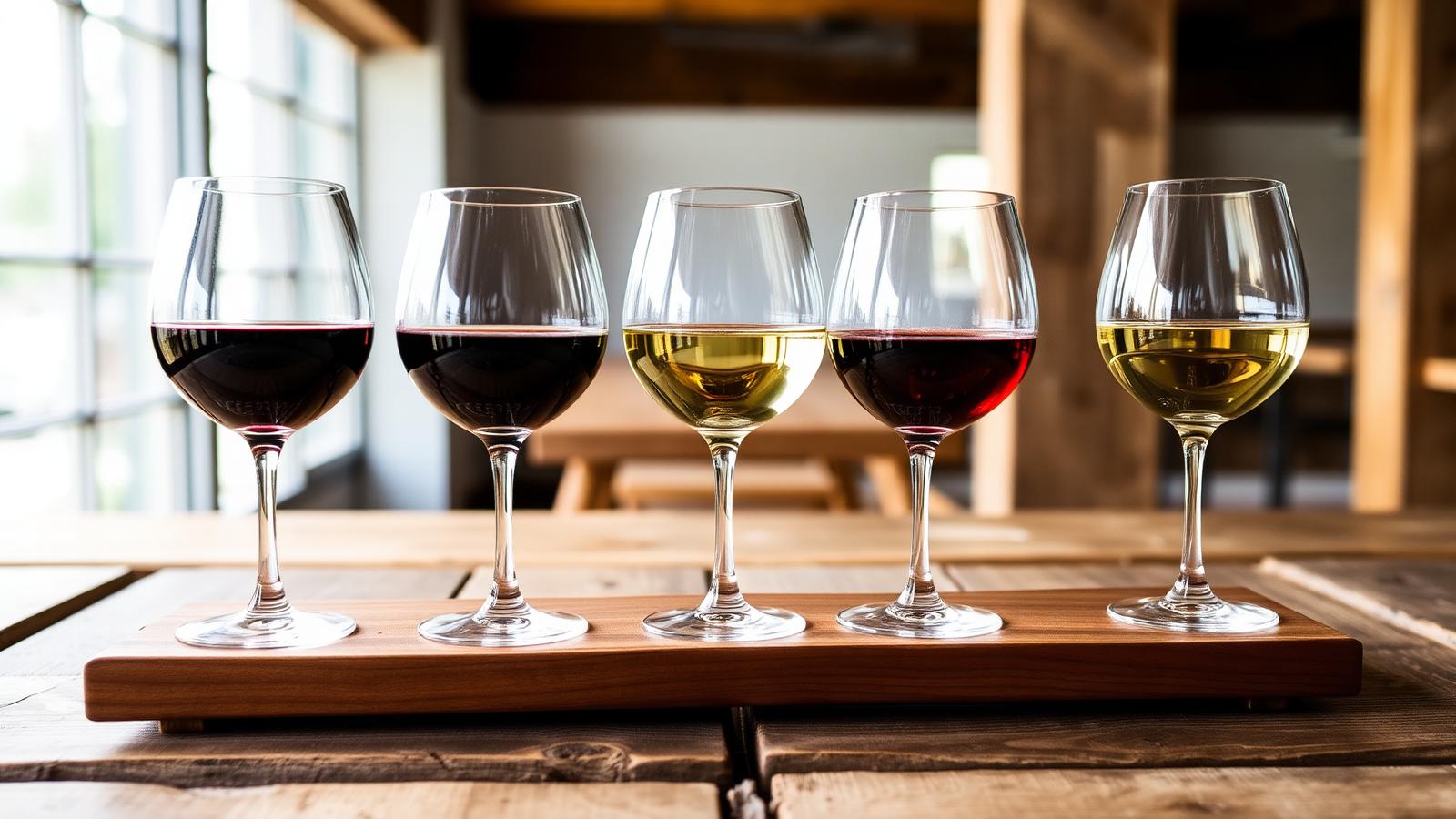
Wines from Ireland tend to reflect the region's climate and terrain more than any single style. Look for a sense of place in the glass — mineral notes from stony soils, freshness where nights are cool, richer texture where the sun lingers longer. A short flight of local wines is the fastest way to feel the range.
Rhythms of the year
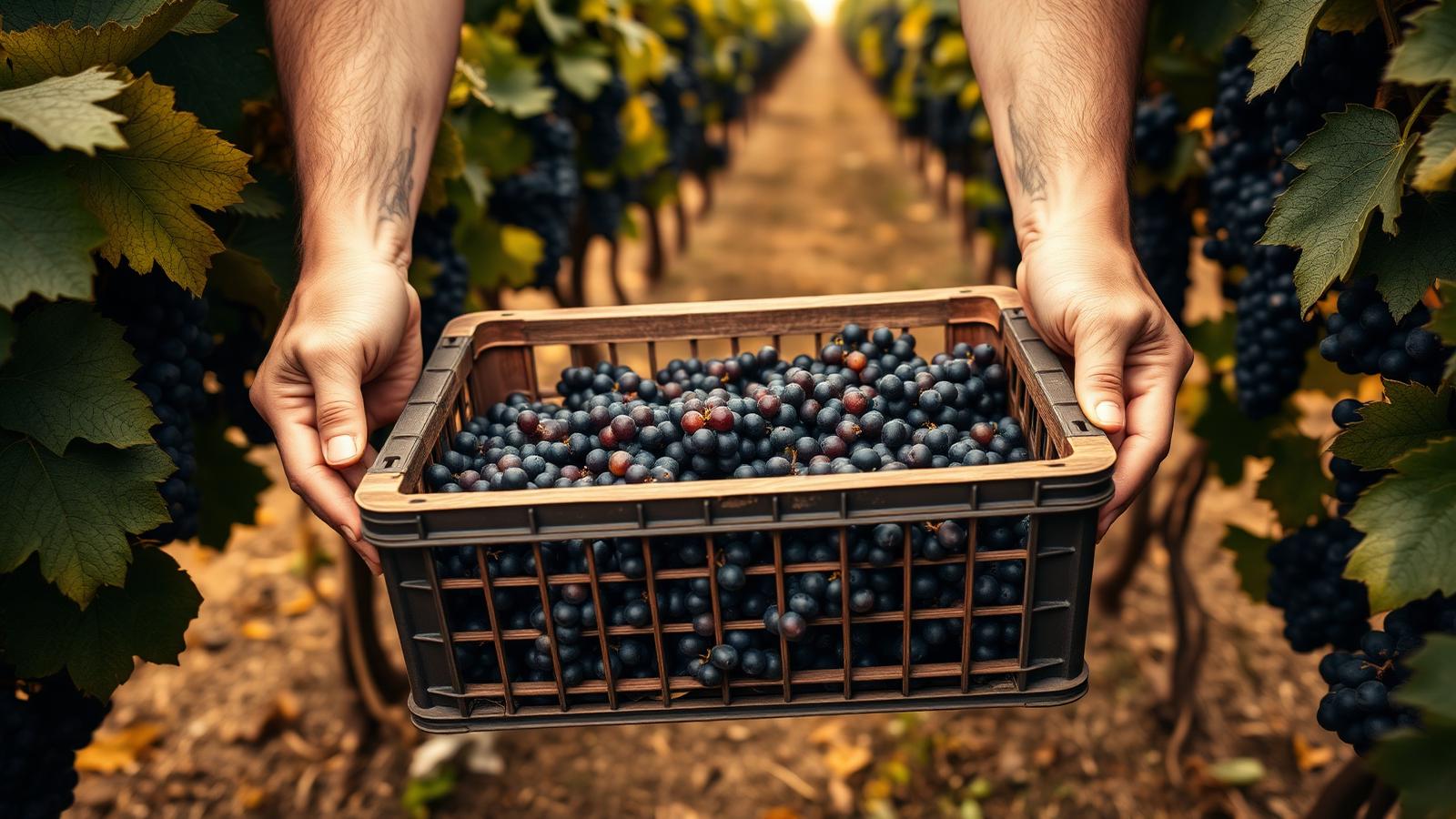
Ireland moves with the seasons. Spring is quiet and green, summer brings long light and full terraces, harvest is intense and communal, and winter turns the vineyards into a stark, beautiful sculpture. Every season is a good reason to come — they just make very different trips.
Beyond the tasting room
Some of the most memorable moments in Ireland happen away from the vines: a bakery in the next village over, a viewpoint at sunrise, a slow lunch that turns into a slow afternoon. Leave room in your itinerary for the things you can't plan.
Frequently asked questions
What is the best time of year to visit Ireland for a wine-focused trip?
The most pleasant time to visit is typically from late spring through early autumn, roughly May to October. During these months, the weather is milder, the days are longer, and the vineyards are lush with growth. While harvest (usually September-October) is a very exciting time, any visit during this period allows for comfortable exploration of the countryside, the chance to enjoy outdoor scenery, and makes for a more leisurely experience. Bear in mind that Irish weather can be unpredictable, so packing layers is always a good idea regardless of the season.
Are day trips to vineyards feasible from major cities like Dublin or Cork?
Yes, day trips are certainly feasible, though the number of vineyards is smaller and they are more dispersed than in traditional wine regions. Many of the emerging wine producers are located within accessible driving distance of major urban centers, often requiring a scenic drive through the countryside. Planning ahead is crucial; contacting producers directly to arrange visits or tours is highly recommended, as many operate on a smaller scale and may require appointments. Public transport options to vineyards are limited, so renting a car is often the most practical way to explore.
What kind of wine experiences can I expect in Ireland?
Expect intimate and often highly personal experiences. Irish viticulture is a burgeoning field, so you're more likely to encounter passionate boutique producers and family-run ventures rather than large-scale operations. This means opportunities for genuine conversation with the winemakers themselves, gaining insight into their unique challenges and triumphs. Tastings are often private or semi-private, perhaps in a rustic or a charming farm setting. The focus is on the story, the innovation, and the surprising quality of wines born from this verdant island.
Beyond wine, what other local drinks or culinary delights should I seek out in Ireland?
Ireland offers a wealth of gastronomic experiences. Of course, a pint of stout is iconic, and a visit to a local pub for traditional music and hearty fare is a must. Explore the burgeoning craft beer scene, or delve into the world of Irish whiskey with a distillery visit. Culinary delights include fresh seafood, especially oysters and salmon, artisan cheeses, soda bread, and hearty stews. Don't miss seeking out farmers' markets in small villages for local produce and homemade treats, which perfectly showcase the island’s rich agricultural heritage.