

Scotland Wineries & Wine Tours
Sub-regions
Northern Vineyards
Scotland’s nascent vineyards are often found in surprising pockets, seeking the warmest microclimates where the sun lingers longest. Picture them nestled on south-facing slopes, often near the coast or beside large bodies of water that moderate temperatures, offering protection from the harshest elements. These sites are chosen with meticulous care, each plot a testament to a deep understanding of the land. The here is diverse, ranging from glacial till to well-drained loamy soils, all contributing to the unique expression of the grapes. The air, often fresh with a hint of salt, plays its part in shaping the character of these high-latitude wines, imbuing them with a distinct freshness that speaks of the wild, untamed beauty surrounding them.
Grapes of Resilience
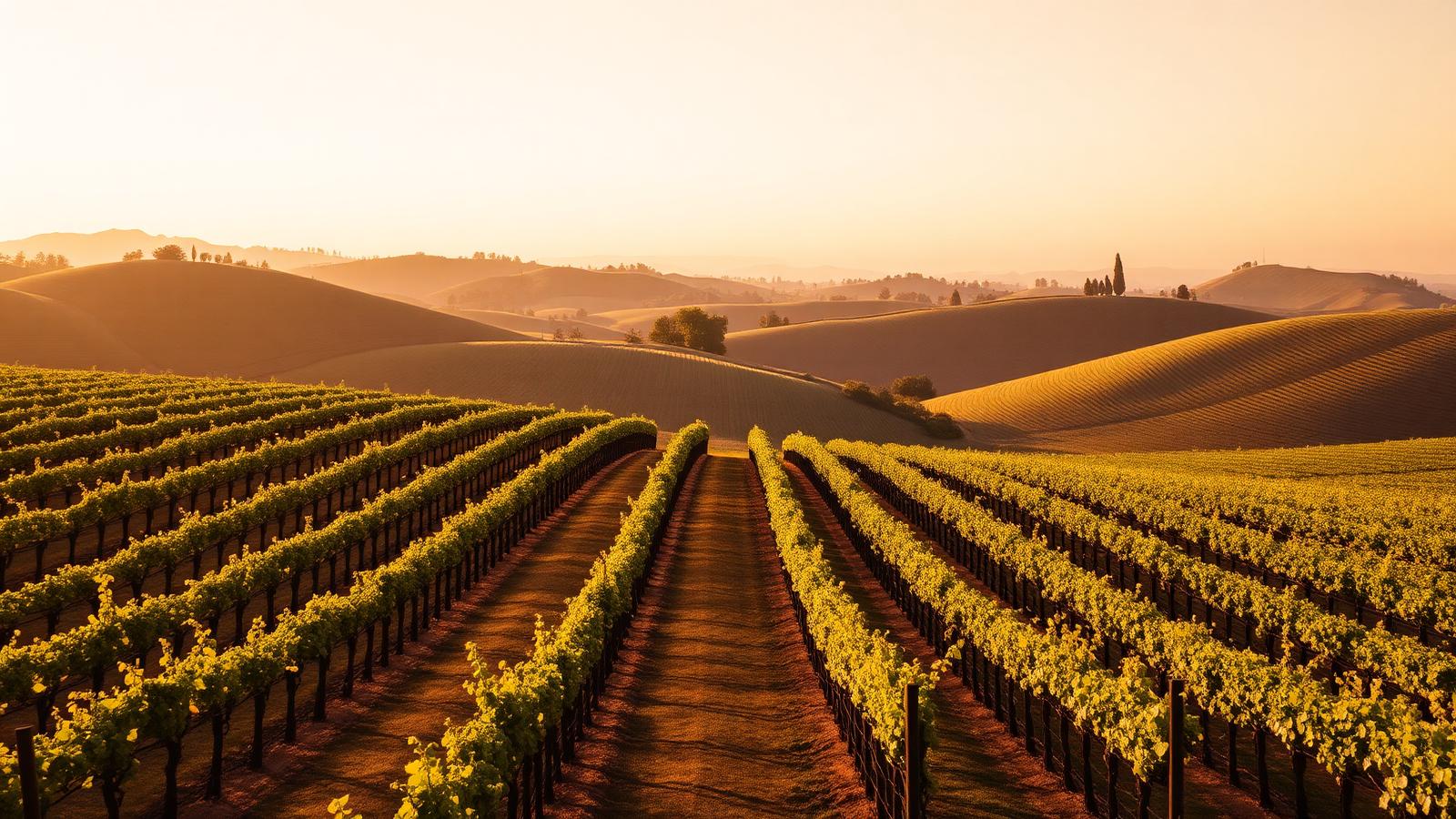
While more common varietals might struggle, pioneering vintners in Scotland are cultivating resilient grapes specifically adapted to cooler climates. Expect to encounter hardier, early-ripening grapes, often hybrids or crosses, carefully selected for their ability to thrive in the northern latitudes. These varieties yield wines with a distinct profile: often lighter-bodied, with vibrant acidity and delicate aromatics. Sparkling wines are a notable success, their crisp bubbles reflecting the refreshing air of the Scottish countryside. Still wines can range from bone-dry and mineral-driven to elegantly aromatic, showcasing unexpected notes of orchard fruit, hedgerow botanicals, and sometimes a whisper of the region's unique maritime influence, all imbued with a compelling freshness.
Getting to know Scotland
What Scotland tastes like
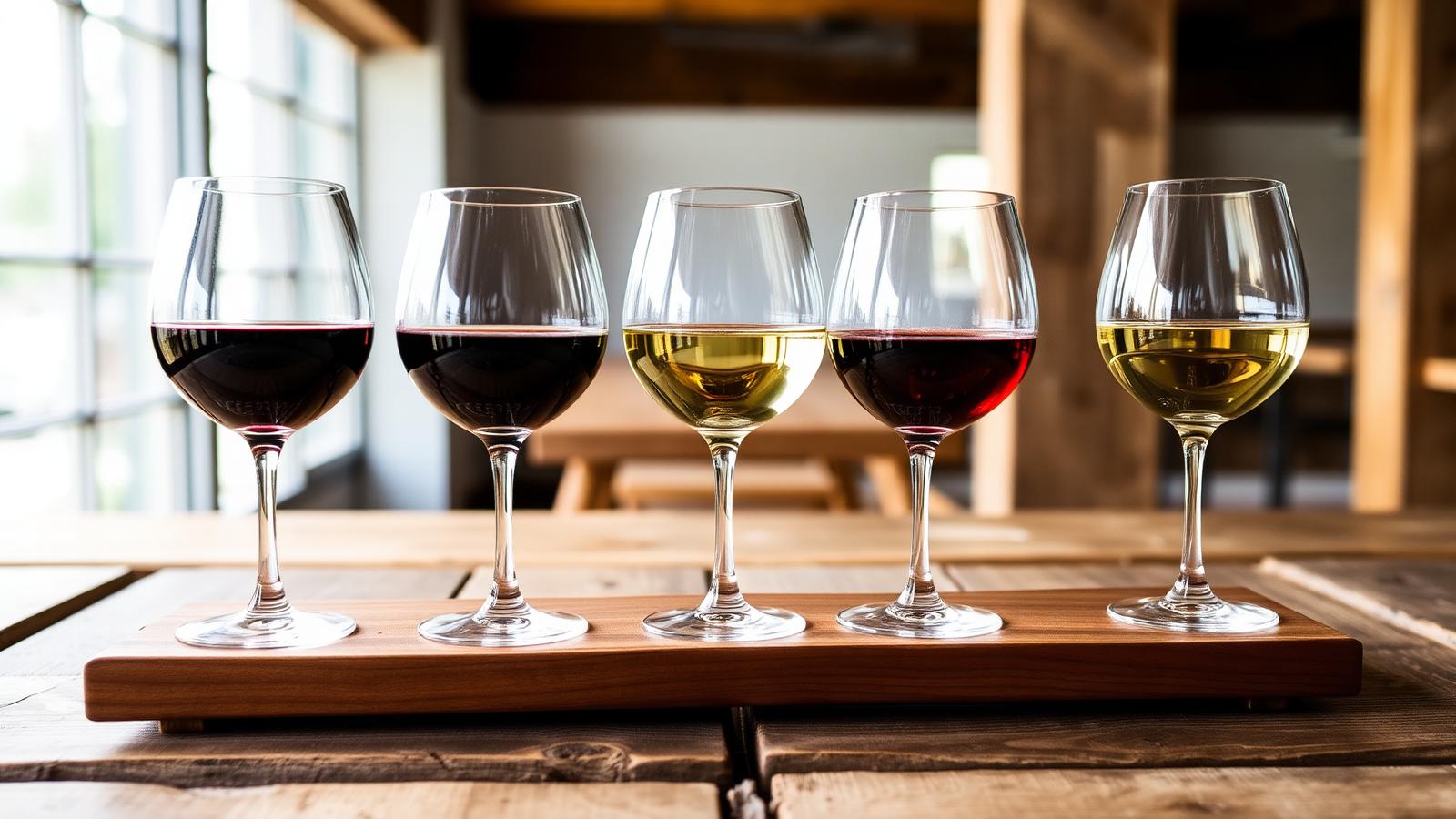
Wines from Scotland tend to reflect the region's climate and terrain more than any single style. Look for a sense of place in the glass — mineral notes from stony soils, freshness where nights are cool, richer texture where the sun lingers longer. A short flight of local wines is the fastest way to feel the range.
Rhythms of the year
Scotland moves with the seasons. Spring is quiet and green, summer brings long light and full terraces, harvest is intense and communal, and winter turns the vineyards into a stark, beautiful sculpture. Every season is a good reason to come — they just make very different trips.
Beyond the tasting room
Some of the most memorable moments in Scotland happen away from the vines: a bakery in the next village over, a viewpoint at sunrise, a slow lunch that turns into a slow afternoon. Leave room in your itinerary for the things you can't plan.
Frequently asked questions
What is the best time of year to visit Scotland for a wine-focused trip?
The ideal time to experience Scotland's vineyards is during the late spring to early autumn, roughly May through September. This period offers the mildest weather for exploring the rolling landscapes and the vineyards themselves. Late summer, August and September, provides the added excitement of pre-harvest activity, with the vines heavy with fruit and the anticipation of vintage in the air. While the wine 'industry' is relatively small, visiting during warmer months allows for more comfortable outdoor experiences and a greater chance of interacting with those cultivating the grapes.
Will I find large, established wineries with extensive tasting rooms, or is the experience different in Scotland?
Expect a more intimate and pioneering experience. Scotland's wine scene is still in its emergent phase, meaning you'll likely encounter smaller, often family-run operations rather than grand commercial estates. Many producers focus on quality over quantity and offer a very personal welcome. Tastings might occur in charming, rustic settings, perhaps even guided by the grower themselves, offering a unique insight into their passion and the challenges and triumphs of cultivating grapes in this distinctive climate. This offers a truly personal and memorable exploration.
What kind of wine experiences can I expect beyond just tastings?
Beyond dedicated tasting experiences, many of Scotland’s vineyards are part of broader agricultural or tourism ventures. You might find properties that also produce other local goods like ciders or spirits, or even offer farm stays. The beauty of visiting these regions is the holistic experience: combining a wine visit with explorations of historic sites, scenic walks through national parks, or enjoying traditional Scottish hospitality in charming villages. Often, these small wine producers are keen to share their story, and you might even find opportunities to see the vines up close and understand the passion behind these northern wines.
Are there specific 'wine regions' in Scotland, or are the vineyards more spread out?
Unlike traditional, well-defined wine regions, Scotland's vineyards are currently quite scattered, found in pockets across the Lowlands, and even further north, wherever suitable microclimates exist. They are often nestled in sheltered spots, leveraging specific aspects, soil types, and proximity to water for thermal moderation. While there isn't a concentrated 'wine route' as one might find in Burgundy or Tuscany, part of the charm lies in discovering these hidden gems. Planning your visits will involve selecting individual vineyards that pique your interest, often requiring a car to navigate the picturesque, but sometimes remote, country roads between them.