

Wales Wineries & Wine Tours
Sub-regions
From Shore to Rolling Hills
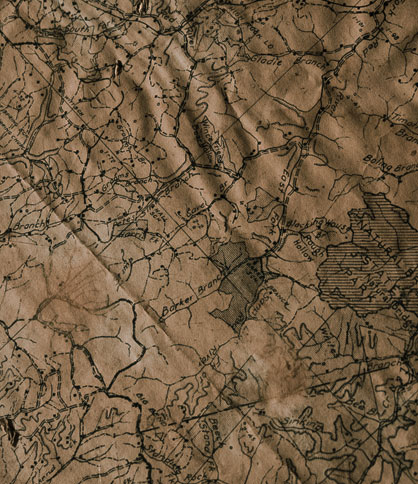
The of Wales is a tapestry woven from diverse soils and microclimates. Along the coastal fringes, the influence of the sea air infuses the grapes with a subtle salinity. Inland, the vineyards often cling to well-drained, south-facing slopes, benefiting from glacial deposits and ancient rocky foundations. This geological variety contributes to the complexity of the wines. The landscape itself dictates the rhythms of vineyard life: careful site , diligent canopy management, and a deep respect for sustainable practices are hallmarks of this region, all harmonizing with the undulating terrain, from the Brecon Beacons to the Gower Peninsula, crafting unique wines from this dramatic backdrop.
Grapes of the Green Valleys
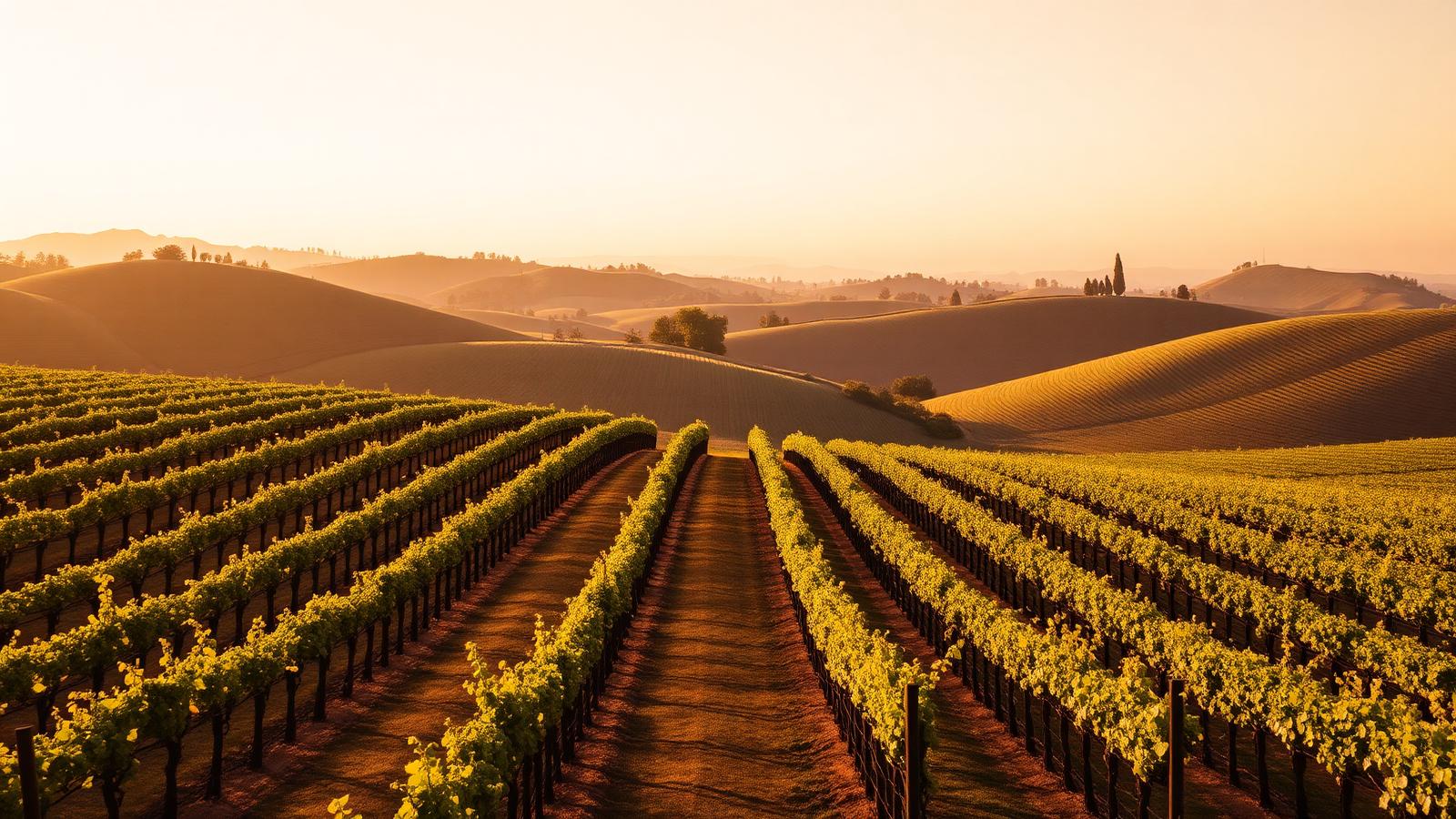
The Welsh climate, with its gentle rains and temperate summers, favors a particular array of cool-climate varietals. thrives here, its hardy nature producing wines with vibrant acidity and notes of green apple and citrus, often blossoming into delightful sparkling expressions. Rondo, with its deep hue and robust character, offers red wines that are light-bodied and fruit-forward, while Solaris emerges as a star for its aromatic white wines, hinting at elderflower and apricot. These plantings reflect a careful understanding of the land, showcasing grapes that flourish in the unique microclimates found within Wales' sheltered valleys and south-facing slopes, yielding distinctive local flavors.

Getting to know Wales
What Wales tastes like
Wines from Wales tend to reflect the region's climate and terrain more than any single style. Look for a sense of place in the glass — mineral notes from stony soils, freshness where nights are cool, richer texture where the sun lingers longer. A short flight of local wines is the fastest way to feel the range.
Rhythms of the year
Wales moves with the seasons. Spring is quiet and green, summer brings long light and full terraces, harvest is intense and communal, and winter turns the vineyards into a stark, beautiful sculpture. Every season is a good reason to come — they just make very different trips.
Beyond the tasting room
Some of the most memorable moments in Wales happen away from the vines: a bakery in the next village over, a viewpoint at sunrise, a slow lunch that turns into a slow afternoon. Leave room in your itinerary for the things you can't plan.
Frequently asked questions
What is the best time of year to visit Wales for wine touring?
The ideal time to explore Welsh wine country is typically from late spring (May-June) through early autumn (September-October). During these months, the weather is generally milder, the vineyards are in full leaf and perhaps even sporting ripening grapes, and the countryside is vibrant. This period also often coincides with harvest activities in September and October, offering a chance to see the wine-making process firsthand. Winter can be beautiful but many smaller cellar doors may have reduced hours, and the weather can be more challenging for travel on rural roads.
How should I plan my itinerary to visit multiple vineyards in Wales?
Planning a Welsh wine itinerary requires a bit of foresight due to the often rural locations of the vineyards. It's highly recommended to book tastings and tours in advance, as many are family-run and operate by appointment. Consider grouping vineyards geographically to minimise travel time; focus on areas like the Vale of Glamorgan, Monmouthshire, or pockets in the west. Renting a car offers the most flexibility for exploring the winding country roads and reaching diverse vineyards, allowing you to immerse yourself fully in the landscape at your own pace.
What kind of wine styles should I expect to find in Wales?
Welsh vineyards primarily specialise in cool-climate grape varieties, resulting in a distinct range of styles. You can anticipate crisp, aromatic white wines, often made from grapes like or Solaris, displaying notes of green apple, elderflower, and citrus. Rosé wines are increasingly popular, offering delicate red berry flavours. Sparklings wines, frequently produced using the traditional method, are also a highlight, known for their bright acidity and fine bubbles. For reds, expect lighter-bodied, fruit-forward expressions, as the climate generally supports elegance over heavy structure, often from varietals like Rondo or Précoce.
Are there other attractions or activities I can combine with a wine trip to Wales?
Absolutely! Wales is rich in history and natural beauty, making it perfect for combining wine exploration with other experiences. You could visit impressive medieval castles like Caerphilly or Raglan, explore the stunning coastline and hike parts of the Wales Coast Path, or delve into the mining heritage in places like Blaenavon. The Brecon Beacons National Park offers breathtaking landscapes for walking and stargazing. Quaint market towns provide opportunities to discover local crafts and farmers' markets. Don't forget to sample traditional Welsh food and perhaps even enjoy a hearty pub lunch alongside a locally brewed ale or cider, further enriching your sensory journey.