

Catamarca Wineries & Wine Tours
Sub-regions
Torrontés and a Red Heart
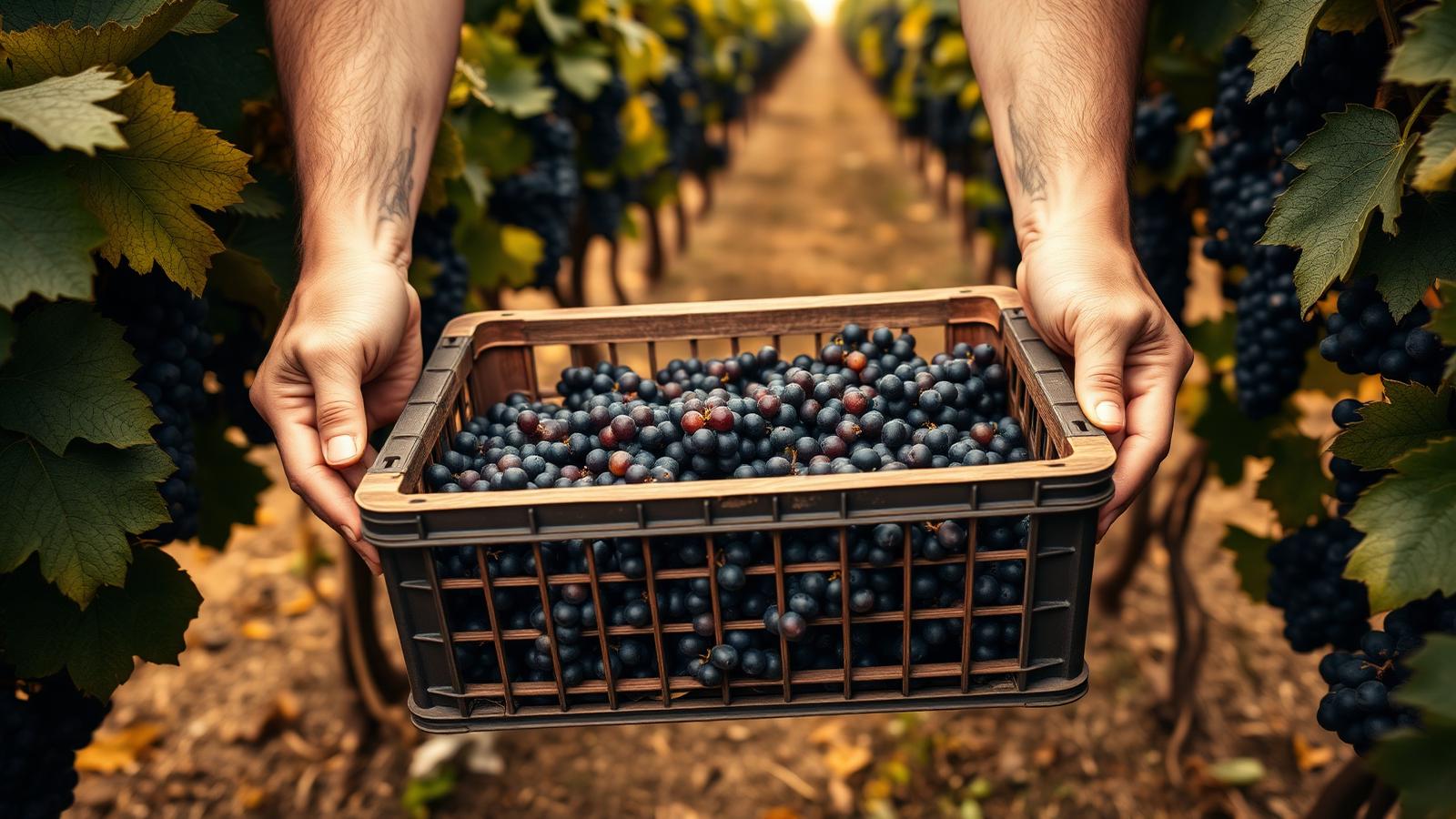
While Argentina is famed for its , Catamarca offers a delightful detour into the aromatic splendor of . Here, this indigenous white grape yields wines bursting with floral notes of jasmine and rose, balanced by zesty citrus and a refreshing finish, a perfect companion to the region's warm climate. Beyond the fragrant whites, Catamarca also nurtures robust red varieties. Deeply colored Malbec and find a distinct expression here, often showcasing concentrated berry flavors, firm tannins, and an earthy minerality that reflects the ancient, mountain-fed soils. These wines are a testament to the region's diverse viticultural potential.
Altitude's Embrace
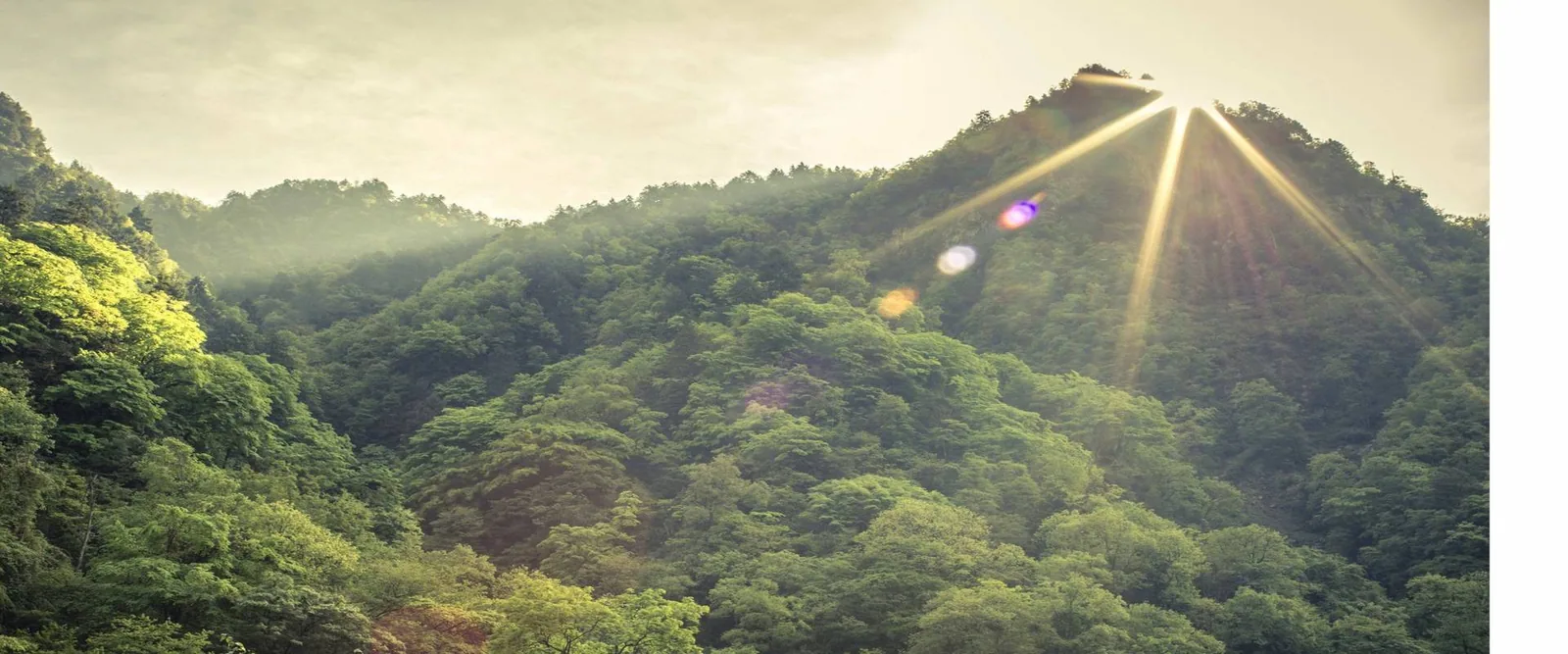
Catamarca's vineyards thrive in the upper echelons of the Andes, often stretching beyond 1,500 meters above sea level. This dizzying altitude creates an intense diurnal range, with scorching desert days giving way to surprisingly cool nights. This dramatic temperature swing is a blessing for the grapes, allowing them to develop vibrant acidity and complex aromatic profiles while ensuring slow, even ripening. The pure, unfiltered sunlight at these heights also contributes to thicker skins and richer color, producing wines that speak eloquently of their mountain origins and the clear, high desert air that surrounds them.
Getting to know Catamarca
What Catamarca tastes like
Wines from Catamarca tend to reflect the region's climate and terrain more than any single style. Look for a sense of place in the glass — mineral notes from stony soils, freshness where nights are cool, richer texture where the sun lingers longer. A short flight of local wines is the fastest way to feel the range.
Rhythms of the year
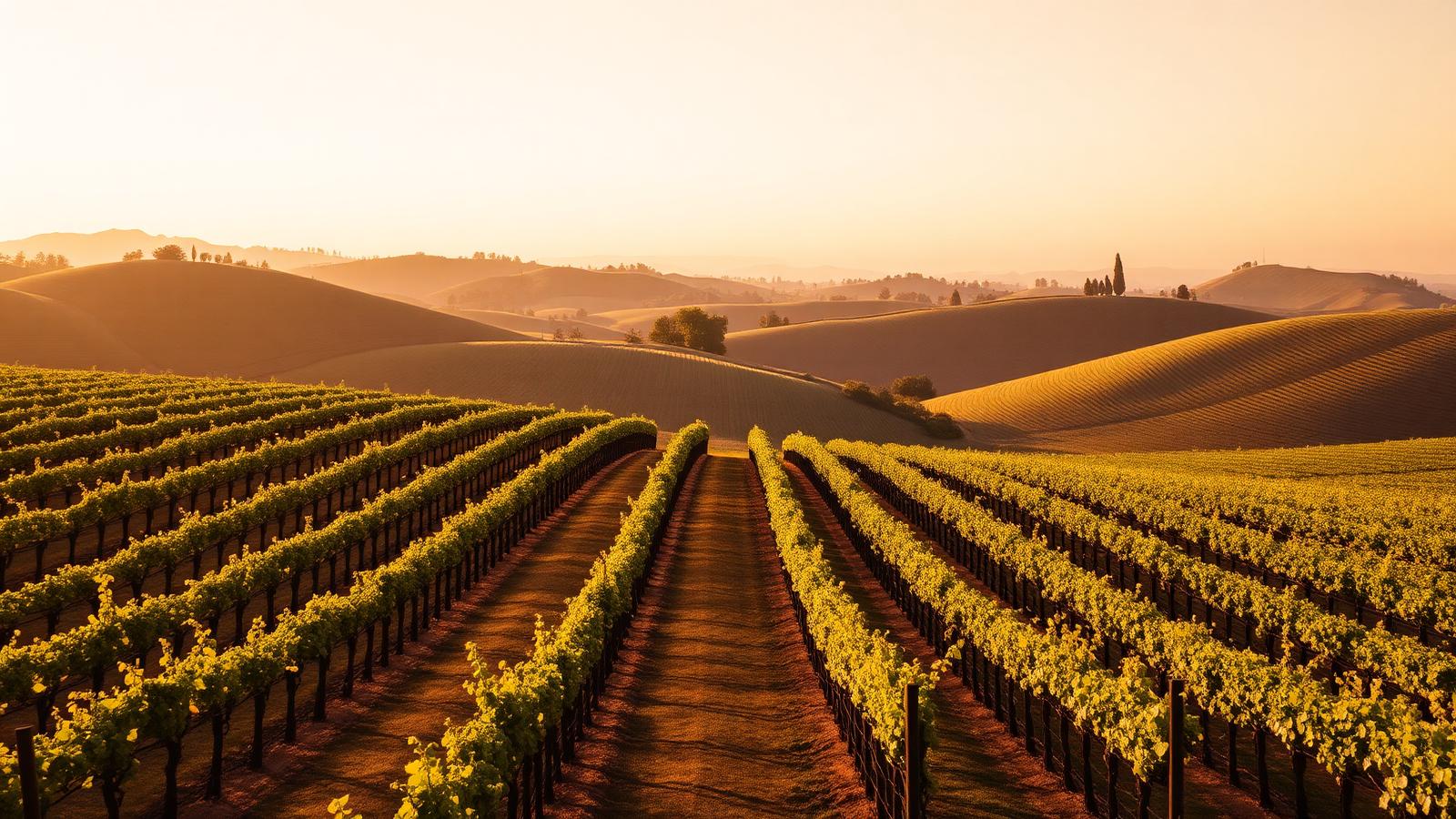
Catamarca moves with the seasons. Spring is quiet and green, summer brings long light and full terraces, harvest is intense and communal, and winter turns the vineyards into a stark, beautiful sculpture. Every season is a good reason to come — they just make very different trips.
Beyond the tasting room
Some of the most memorable moments in Catamarca happen away from the vines: a bakery in the next village over, a viewpoint at sunrise, a slow lunch that turns into a slow afternoon. Leave room in your itinerary for the things you can't plan.
Frequently asked questions
What is the best time to visit Catamarca for wine touring?
The ideal time to explore Catamarca's wine country is during the shoulder seasons, typically April to June (autumn) or September to November (spring). During these months, the weather is pleasantly mild, with clear skies perfect for vineyard treks. Autumn offers the spectacle of harvest, a time of vibrant activity, while spring brings blooming vineyards and temperate days. Summer (December-March) can be very hot, and winter (July-August) can be quite chilly, especially in the higher altitude areas, though the quiet serenity can also be appealing.
How should I plan my transportation for visiting wineries in Catamarca?
Due to the often dispersed nature of the vineyards and the varied terrain, renting a car offers the greatest flexibility for exploring Catamarca's wine region at your own pace. A sturdy vehicle, perhaps with higher clearance, is recommended for some of the more remote, unpaved roads. Alternatively, arranging a private driver or joining a small, local tour can provide a stress-free experience, allowing you to fully enjoy the tastings without concerns about navigation. Confirming appointments with smaller producers in advance is always wise.
Are there opportunities to learn about local culture and history alongside wine tasting?
Absolutely. Catamarca is steeped in pre-Columbian history and rich Argentine culture. Many producers are eager to share not just their wines, but also insights into the local way of life, traditional farming methods, and the historical significance of their land. You'll find opportunities to visit ancient archaeological sites, explore charming colonial villages, and witness traditional crafts. The pace of life here encourages deeper connections and understanding, making for a truly immersive journey that extends far beyond the glass.
What type of accommodation should I expect in Catamarca's wine region?
Accommodation in Catamarca's wine regions often prioritizes a more intimate and authentic experience over large, resort-style hotels. You can expect charming boutique hotels, cozy guesthouses, and estancias that may offer a deeper connection to the local agricultural life. These options typically provide a tranquil retreat, often with stunning views of the surrounding mountains and vineyards. It's advisable to book in advance, especially if you're traveling during peak seasons, as choices can be more limited compared to larger, more developed tourist areas.