

La Pampa Wineries & Wine Tours
Sub-regions
Culinary Harmonies
The culinary traditions of La Pampa are intrinsically woven with its ranching heritage and the bounty of its land. Meat, particularly grass-fed beef cooked over an open fire in the traditional asado style, takes center stage, offering a rich, smoky experience that harmonizes beautifully with the region’s robust red wines. Beyond the grill, local ingredients inform comforting, rustic dishes. Think of empanadas filled with tender meats and savory spices, or slow-cooked stews that speak of the countryside. Enjoying these authentic flavors, paired with a local vintage, often alongside warm, hospitable company, creates an unforgettable, deeply sensory connection to the heart of La Pampa.
Grapes of the Pampas
While Argentina is synonymous with , La Pampa offers a nuanced array of varietals that thrive in its unique conditions. Here, Malbec unveils a distinctive identity – often softer, with luscious dark fruit and floral notes, underpinned by a vibrant freshness. emerges as another star, celebrated for its finesse, refined tannins, and aromatic complexity, frequently displaying notes of green pepper, graphite, and wild berries. Smaller plantings of and also find their voice in these soils, creating expressive reds. Among whites, and offer crisp, aromatic expressions, perfectly balanced by the region's bright acidity, reflecting the pristine character of the landscape.
The Terroir's Whispers
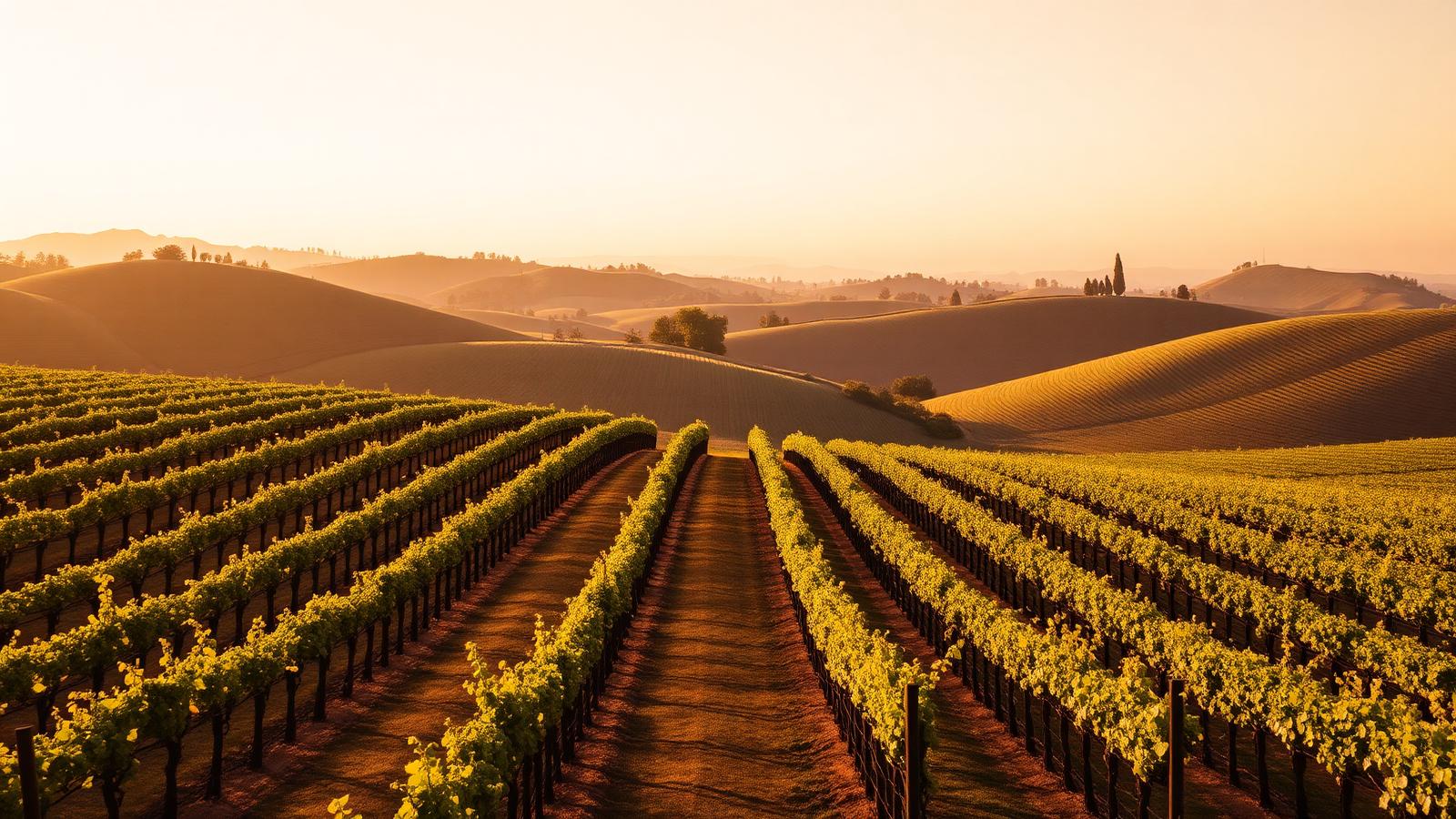
The soul of La Pampa’s wines is written in its distinctive . Beneath the surface, ancient calcareous soils, rich in marine sediments from epochs long past, provide a unique foundation. The region experiences a semi-arid continental climate, marked by intense sunlight during the lengthy growing season and significant diurnal temperature shifts. These sharp evening coolings preserve natural acidity and encourage the slow, deliberate ripening of grapes, concentrating their flavors and aromas. The ever-present pampas winds add another layer, ensuring good air circulation and contributing to the health and character of the vines, yielding wines of elegant structure and surprising complexity.
Getting to know La Pampa
What La Pampa tastes like
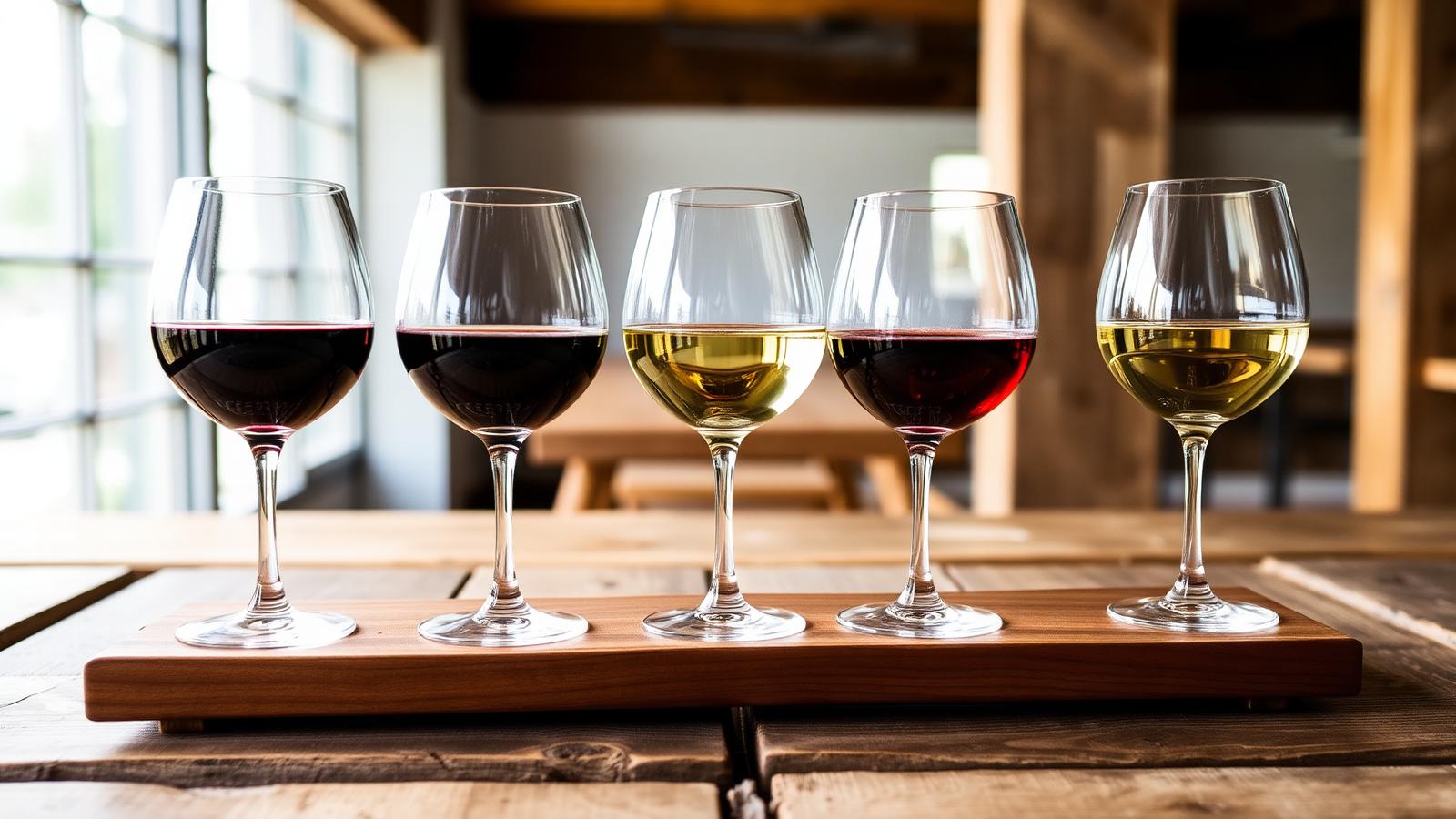
Wines from La Pampa tend to reflect the region's climate and terrain more than any single style. Look for a sense of place in the glass — mineral notes from stony soils, freshness where nights are cool, richer texture where the sun lingers longer. A short flight of local wines is the fastest way to feel the range.
Rhythms of the year
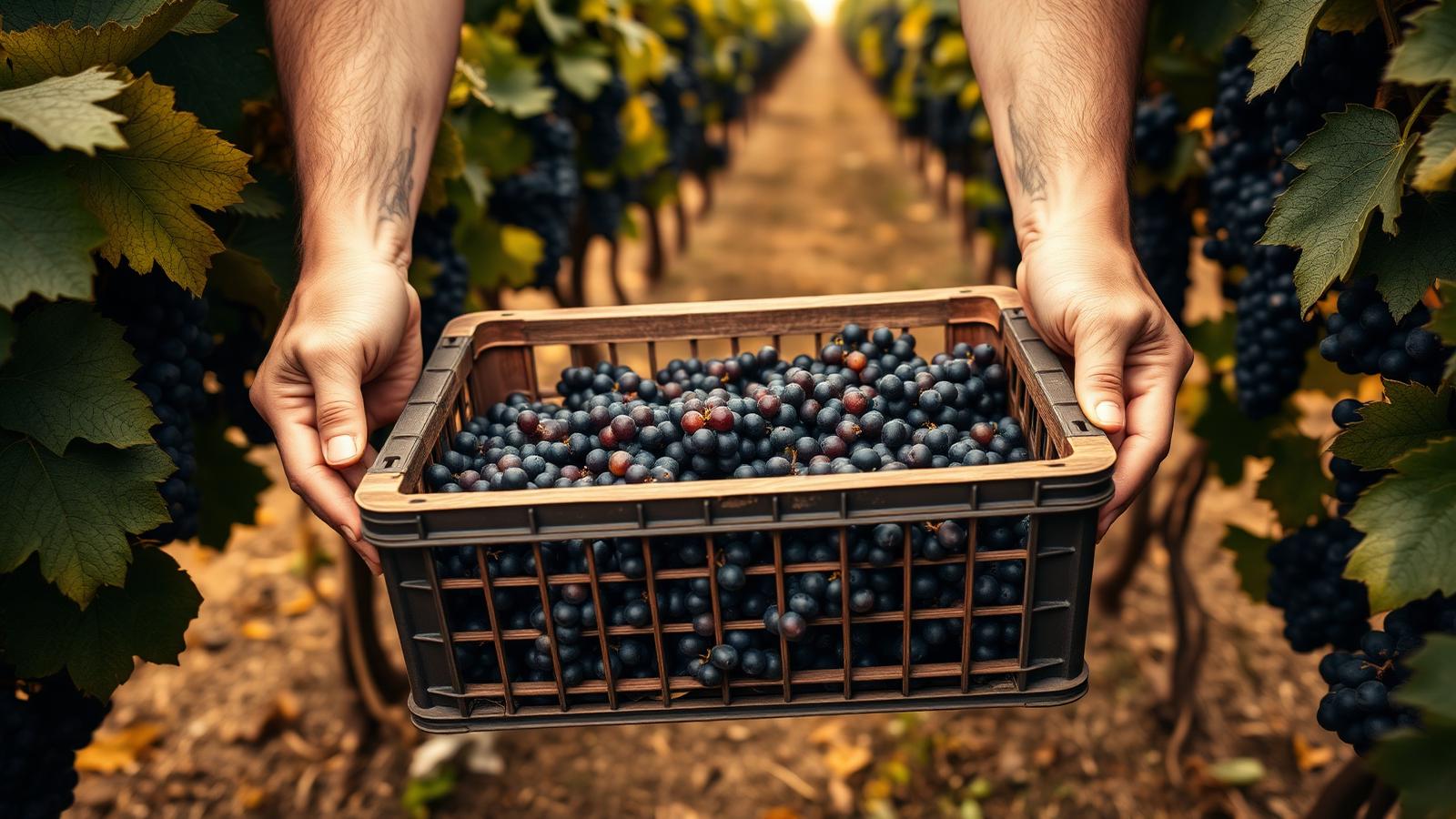
La Pampa moves with the seasons. Spring is quiet and green, summer brings long light and full terraces, harvest is intense and communal, and winter turns the vineyards into a stark, beautiful sculpture. Every season is a good reason to come — they just make very different trips.
Beyond the tasting room
Some of the most memorable moments in La Pampa happen away from the vines: a bakery in the next village over, a viewpoint at sunrise, a slow lunch that turns into a slow afternoon. Leave room in your itinerary for the things you can't plan.
Frequently asked questions
What is the best time of year to visit La Pampa for wine tasting?
The ideal time to explore La Pampa's wine country is during the shoulder seasons, particularly autumn (March to May) or spring (September to November). In autumn, you'll experience the bustling energy of harvest, with pleasant, mild temperatures perfect for vineyard strolls and outdoor tastings. Spring offers blooming landscapes and wonderfully fresh weather, allowing for comfortable exploration before the peak summer heat. Winter (June to August) can be chilly, but often brings clear, crisp days and a tranquil atmosphere for a more intimate experience, especially around a warming fire with a glass of red.
How do I get to La Pampa's wine regions, and what is the best way to travel around?
The primary gateway to La Pampa is Santa Rosa, the provincial capital, accessible via domestic flights from Buenos Aires. From Santa Rosa, the nascent wine regions are typically reached by car. Renting a vehicle is highly recommended, as it offers the flexibility to explore the dispersed vineyards at your own pace, soaking in the expansive pampas scenery. Roads are generally well-maintained, but having your own transport allows for spontaneous stops at local eateries or simply to admire the vast, open land. Some smaller, specialized operators may offer guided tours, but these are less common than in more established regions.
Are there many places to stay within the wine-producing areas of La Pampa?
Accommodations directly within La Pampa's wine-producing areas are more intimate and distinctive, often reflecting the region's tranquil character. You'll find charming rural guesthouses, occasionally integrated within working estancias, or small, family-run hotels offering a personalized experience. Options are not as numerous or large-scale as in more frequented wine regions, which contributes to a sense of peaceful discovery. Many visitors choose to stay in or around Santa Rosa, which offers a broader range of amenities and then venture out for day trips to the surrounding vineyards. Booking in advance, especially during harvest, is always a good idea.
What unique experiences can I expect beyond wine tasting in La Pampa?
Beyond superb , La Pampa invites you to immerse yourself in the authentic Argentine countryside. Embrace the region's strong Gaucho culture by visiting a traditional estancia, where you might witness skilled horsemanship demonstrations or enjoy a asado. The vast, open plains are perfect for birdwatching, with diverse species inhabiting the lagoons and grasslands. Explore small, quiet villages, discovering local artisan crafts and savoring regional cuisine. The tranquil landscapes encourage a slower pace of travel, offering a chance to truly disconnect and connect with the raw, expansive beauty of the pampas, far from the bustling crowds.