

La Rioja Wineries & Wine Tours
Sub-regions
The Soul of Torrontés
While various grapes flourish in La Rioja, it is the grape that truly defines the region's white wines. This aromatic finds its most expressive voice in these sun-drenched valleys, yielding wines known for their captivating floral bouquets of jasmine and rose, intertwined with notes of citrus and white peach. The resulting wines are bright, crisp, and wonderfully refreshing, offering a taste of La Rioja's unique character. Beyond Torrontés, red varietals also thrive, crafted into full-bodied, fruit-forward expressions that resonate with the region's warmth and generous spirit.
Mountain-Kissed Terroir
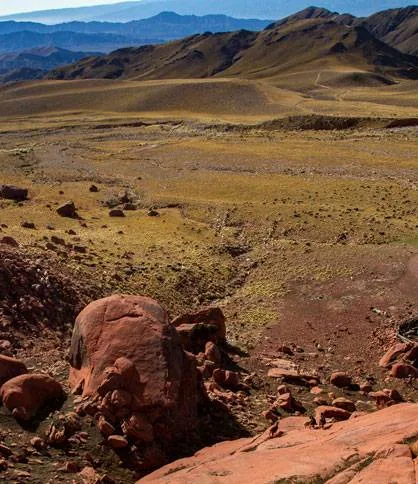
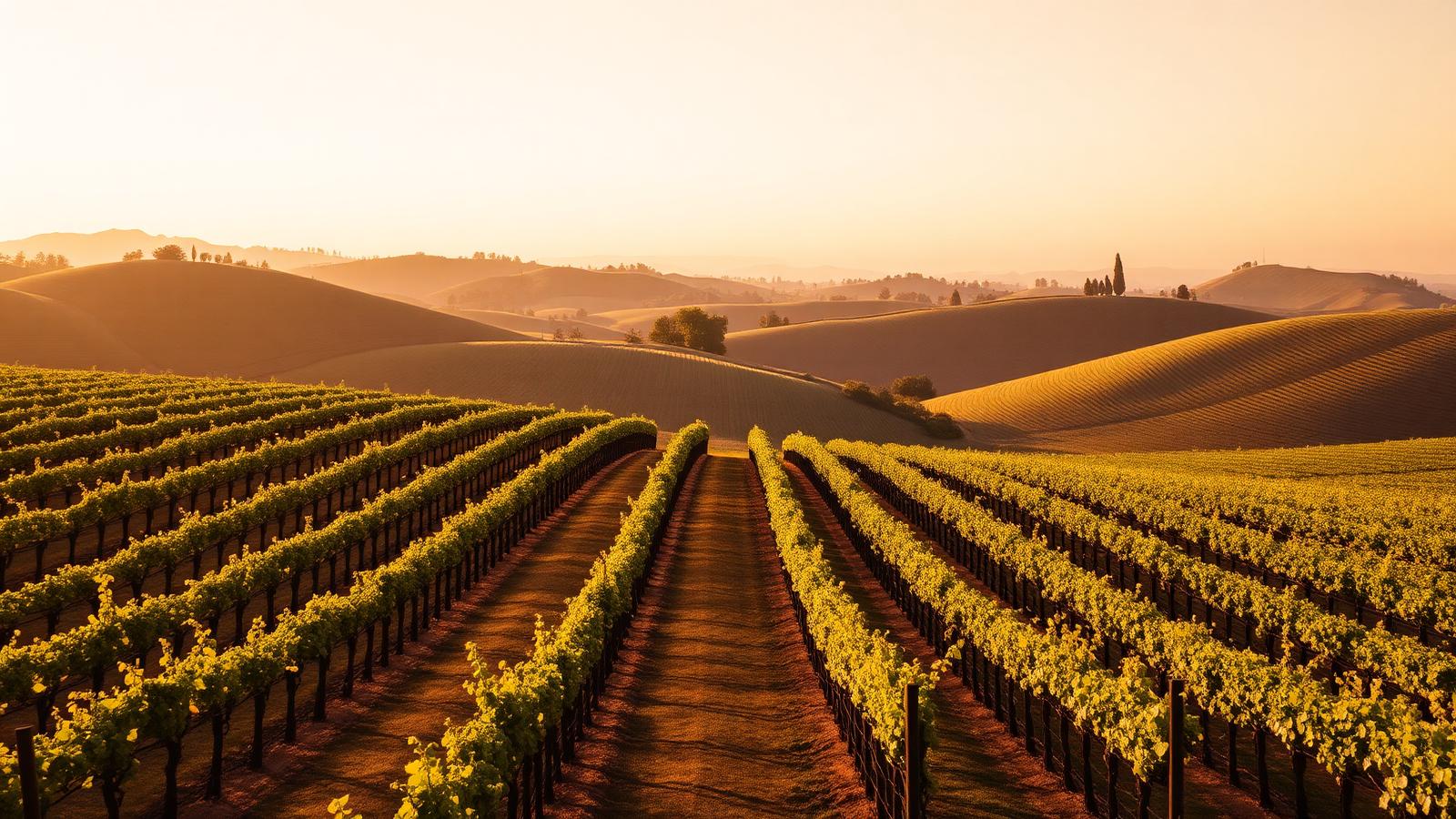
La Rioja's wine country is cradled by the Andean foothills, where elevation plays a crucial role in shaping its distinct wines. The vineyards climb to significant heights, benefiting from intense sunlight exposure and cool mountain breezes that sweep through the valleys. This dramatic diurnal temperature variation, where days are hot and nights are refreshingly cool, allows grapes to develop complex flavors and aromas while retaining vibrant acidity. The soils, often sandy and alluvial, are excellent for drainage, forcing the vines to delve deep, drawing out a unique mineral essence that speaks of this rugged, yet generous, landscape.
Getting to know La Rioja
What La Rioja tastes like
Wines from La Rioja tend to reflect the region's climate and terrain more than any single style. Look for a sense of place in the glass — mineral notes from stony soils, freshness where nights are cool, richer texture where the sun lingers longer. A short flight of local wines is the fastest way to feel the range.
Rhythms of the year
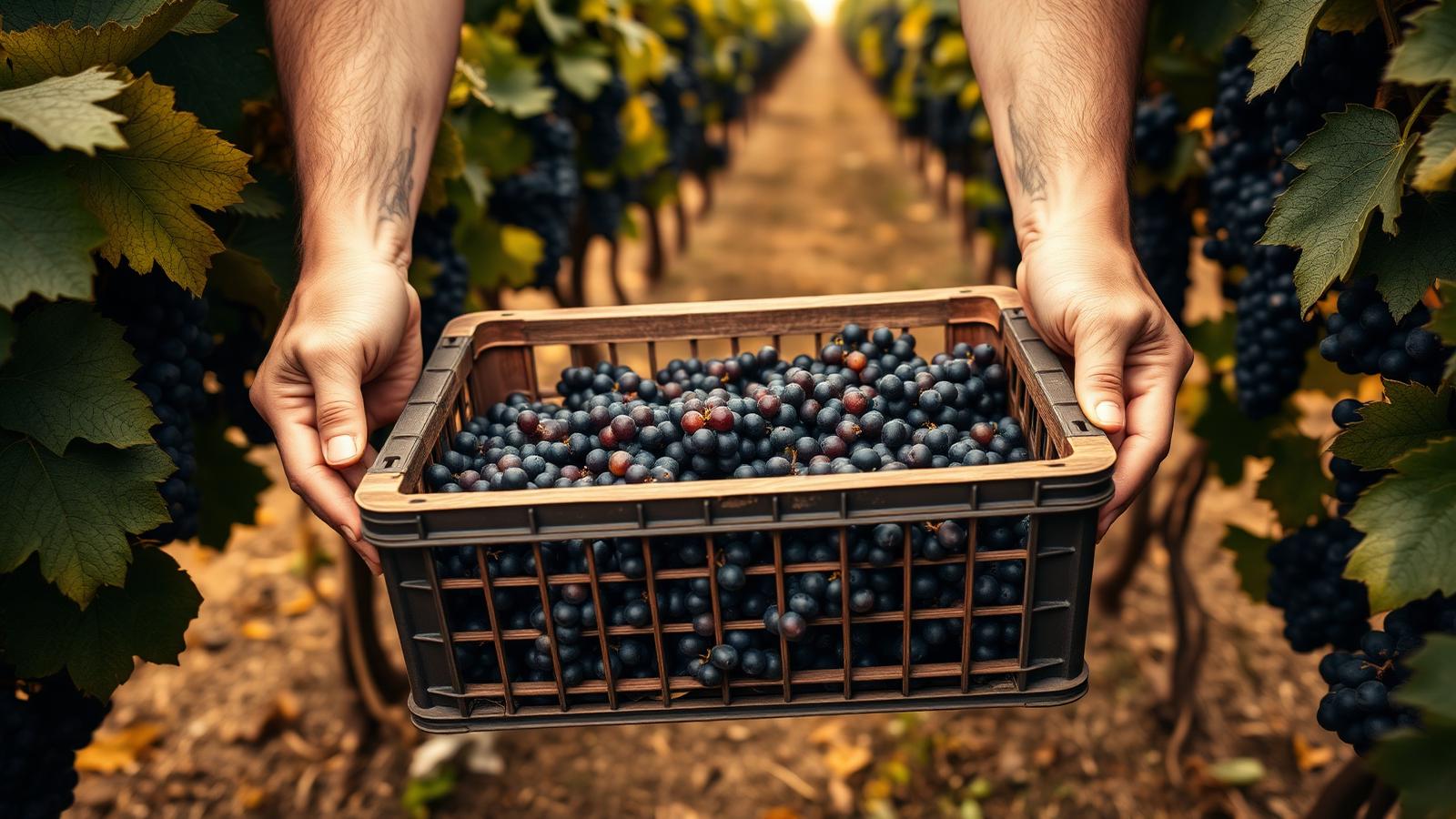
La Rioja moves with the seasons. Spring is quiet and green, summer brings long light and full terraces, harvest is intense and communal, and winter turns the vineyards into a stark, beautiful sculpture. Every season is a good reason to come — they just make very different trips.
Beyond the tasting room
Some of the most memorable moments in La Rioja happen away from the vines: a bakery in the next village over, a viewpoint at sunrise, a slow lunch that turns into a slow afternoon. Leave room in your itinerary for the things you can't plan.
Frequently asked questions
What is the best time of year to visit La Rioja for wine tourism?
The ideal time to experience La Rioja's wine region is during the spring (September to November) when the vineyards awaken with vibrant green and blossoms, or in the autumn (March to May) for magnificent fall foliage and the excitement of harvest season. Summers (December to February) can be very hot, though the intense sunshine is beautiful, while winters (June to August) are mild and pleasant, offering a tranquil escape. Each season reveals a different facet, but spring and autumn offer a comfortable and engaging atmosphere for exploration.
What kind of transportation should I plan for visiting the vineyards?
Given the distances between wine-producing areas and the desire for flexibility, renting a car is highly recommended for exploring La Rioja's wine routes. This offers the freedom to linger at village markets or spontaneously visit scenic overlooks. Alternatively, arranging for a local driver or a pre-booked tour through a reputable travel company provides a comfortable and safe option, allowing you to fully enjoy tastings without concern for navigation or driving. Public transportation within smaller wine regions is generally limited.
Are there opportunities for activities beyond wine tasting in La Rioja?
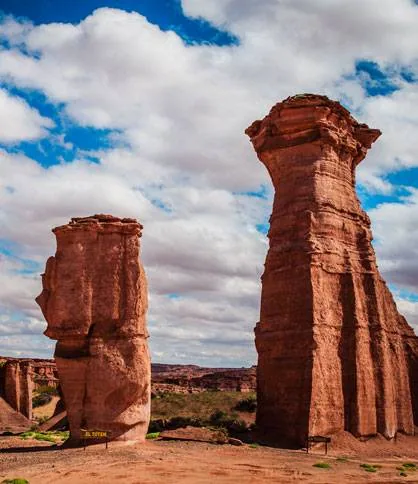
Absolutely. La Rioja is rich in natural beauty and cultural experiences. Consider exploring the striking red rock formations and ancient paleontological sites like Talampaya National Park or the adjacent Ischigualasto Provincial Park, both UNESCO World Heritage sites, which offer breathtaking landscapes and a glimpse into prehistoric times. Hiking, trekking, and photography are popular activities. The region also boasts charming historical towns with colonial architecture, vibrant local markets, and opportunities to learn about indigenous cultures and their traditions, offering a holistic travel experience.
What should I pack for a wine trip to La Rioja?
Given the region's climate, layers are key. Pack light, breathable clothing for warm days, especially during spring and summer, along with a wide-brimmed hat, sunglasses, and high-factor sunscreen. Evenings, particularly at higher elevations, can be cool, so a light jacket or sweater is essential. Comfortable walking shoes are a must for vineyard tours and exploring towns or parks. Don't forget your camera to capture the stunning landscapes, and perhaps a small notebook for tasting notes. A refillable water bottle is also advisable to stay hydrated in the dry climate.