

Mendoza Wineries & Wine Tours
Sub-regions
The Mountain's Embrace
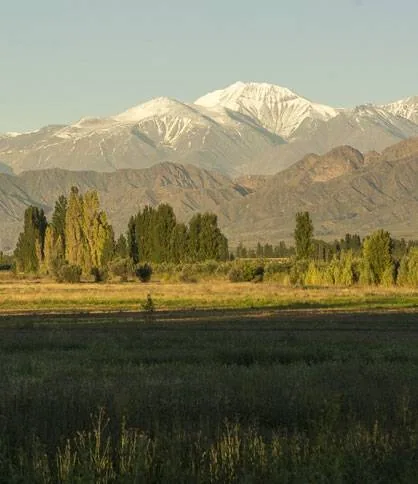
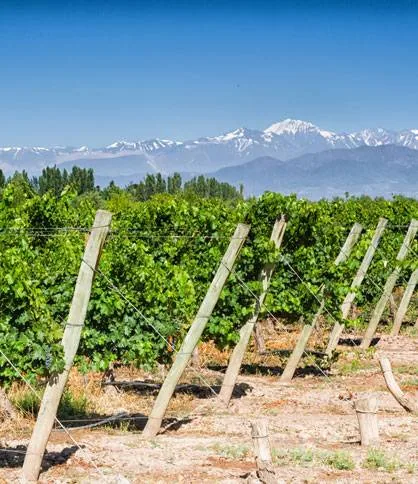
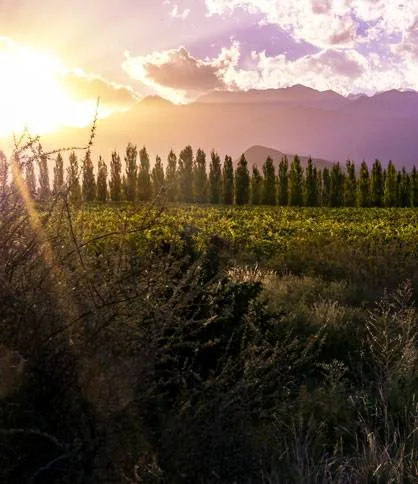
The towering presence of the Andes is not merely a scenic backdrop; it is the very architect of Mendoza's distinct viticulture. Glacial meltwater, channeled through an intricate system of acequias, irrigates the vineyards, transforming this naturally arid high desert into an agricultural marvel. These high altitudes, ranging from around 2,000 to over 5,000 feet above sea level, create a dramatic diurnal temperature variation – scorching days followed by refreshingly cool nights – which is crucial for the slow, steady ripening of grapes. This unique combination of elevation, intense sunlight, and pristine irrigation fosters wines of exceptional concentration, vibrant acidity, and elegant tannic structure, defining the region's character.
Getting to know Mendoza
What Mendoza tastes like
Wines from Mendoza tend to reflect the region's climate and terrain more than any single style. Look for a sense of place in the glass — mineral notes from stony soils, freshness where nights are cool, richer texture where the sun lingers longer. A short flight of local wines is the fastest way to feel the range.
Rhythms of the year
Mendoza moves with the seasons. Spring is quiet and green, summer brings long light and full terraces, harvest is intense and communal, and winter turns the vineyards into a stark, beautiful sculpture. Every season is a good reason to come — they just make very different trips.
Beyond the tasting room
Some of the most memorable moments in Mendoza happen away from the vines: a bakery in the next village over, a viewpoint at sunrise, a slow lunch that turns into a slow afternoon. Leave room in your itinerary for the things you can't plan.
Frequently asked questions
What is the best time of year to visit Mendoza for wine touring?
The prime time to experience Mendoza's wine country is during the spring (October-November) when the vineyards burst into vibrant green, or during the autumn harvest season (March-April), which brings a palpable energy to the region and beautiful fall foliage. Summers (December-February) are warm and sunny, perfect for enjoying outdoor activities, while winters (June-August) offer clear skies and majestic views of the snow-capped Andes, with fewer crowds. Each season offers a distinct charm, so consider what kind of experience you're seeking.
What are the typical transportation options for exploring the wine regions?
While some areas are walkable from certain village centers, exploring the diverse sub-regions of Mendoza generally requires transportation. Taxis and ride-sharing services are available but can become costly for day-long tours. Many visitors opt for private drivers, which offer flexibility and local insights, or join guided group tours that provide comfortable transport and pre-arranged visits. Renting a car is another option, offering independence, but ensure you have a designated, sober driver, especially after wine tastings, to fully enjoy the experience.
What kind of clothing should I pack for a Mendoza wine trip?
Due to Mendoza's high-desert climate and significant diurnal temperature shifts, layering is key, especially outside of peak summer. Even on warm days, evenings can be cool. Pack comfortable, breathable clothing for daytime activities, including light long sleeves for sun protection. A light jacket or sweater is essential for cooler mornings and evenings. If visiting in winter, warmer coats and sweaters will be needed. Comfortable walking shoes are a must for exploring vineyards and cellars. Don't forget a hat, sunglasses, and high-SPF sunscreen, as the sun at altitude is intense.
Are most wine tastings and cellar tours conducted in English?
In Mendoza's prominent wine-producing areas, especially those frequented by international visitors, you will find that many cellar doors and tour operators offer tastings and guided tours in English. It is always a good idea to confirm language availability when making reservations, particularly for smaller, family-run establishments. While Spanish is the primary language, the wine community is generally very welcoming and accommodating to English-speaking guests, eager to share their passion and knowledge of the region's wines.