

Vienna (Wien) Wineries & Wine Tours
Sub-regions
Culinary Harmonies
Viennese cuisine, renowned for its hearty yet refined character, finds perfect partners in the local wines. Imagine savoring a crisp Wiener Schnitzel, its golden crust giving way to tender veal, perfectly complemented by the bright acidity of a . Or perhaps a rich Tafelspitz, subtly enhanced by the nuanced layers of a Gemischter Satz. The wine taverns, or Heuriger, are central to this experience, offering simple, fresh, and seasonal dishes that echo the agricultural rhythms of the region. This is where tradition, flavor, and local bounty converge in a delightful, unhurried fashion.
Grapes of the Capital
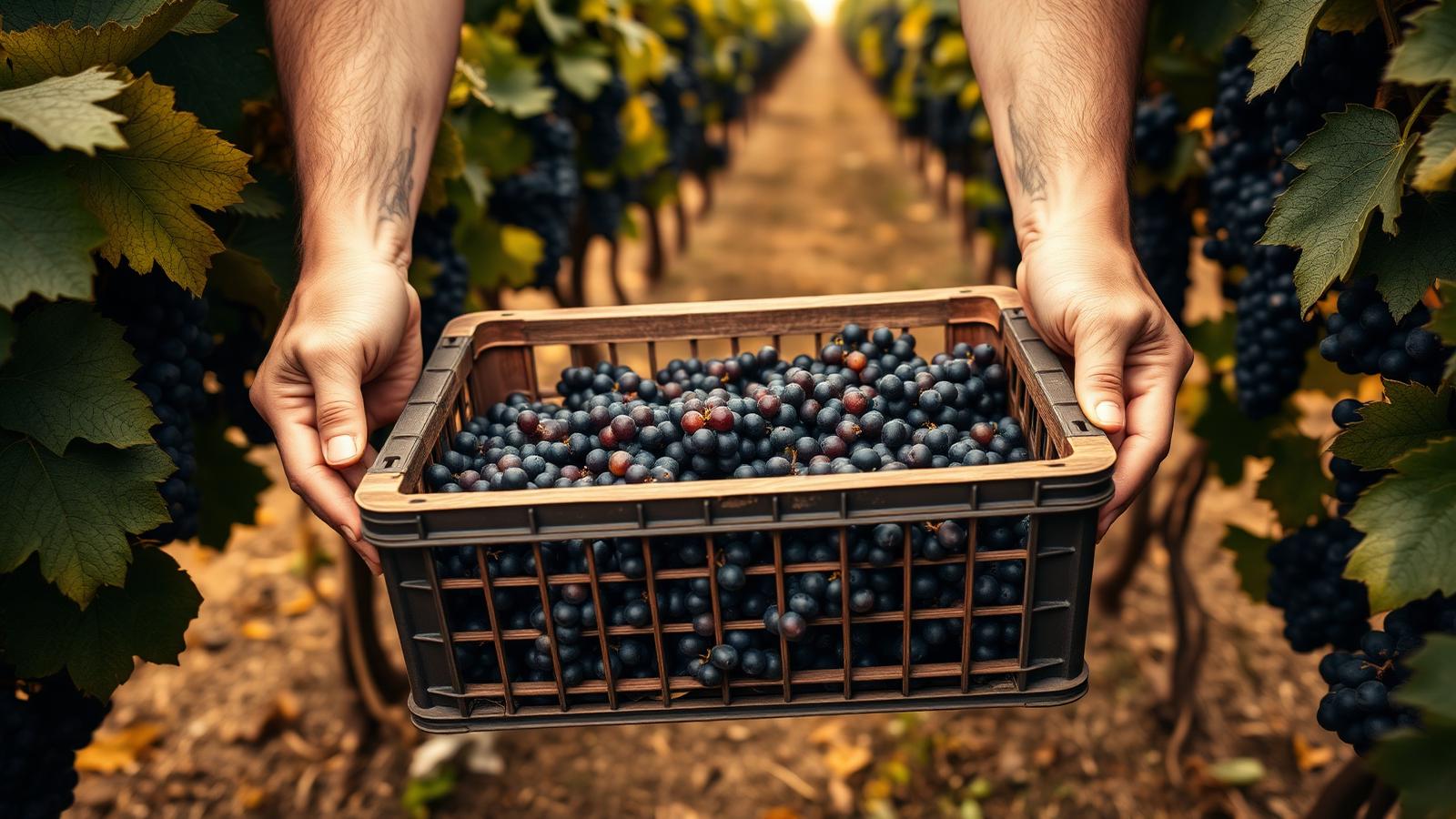
While , with its vibrant peppery notes and brisk acidity, finds a proud home here, the true star of Vienna is the Gemischter Satz. This traditional field blend, where multiple grape varieties are planted, harvested, and pressed together, yields a wine of unparalleled complexity and charm. Often featuring Grüner Veltliner, , , and Traminer, among others, it embodies the spirit of shared bounties from a single vineyard. Beyond these, elegant Rieslings, crisp Weissburgunders, and even lighter reds like add further depth to the region's diverse offerings, each expressing Vienna's characteristic finesse.
The Terroir's Embrace
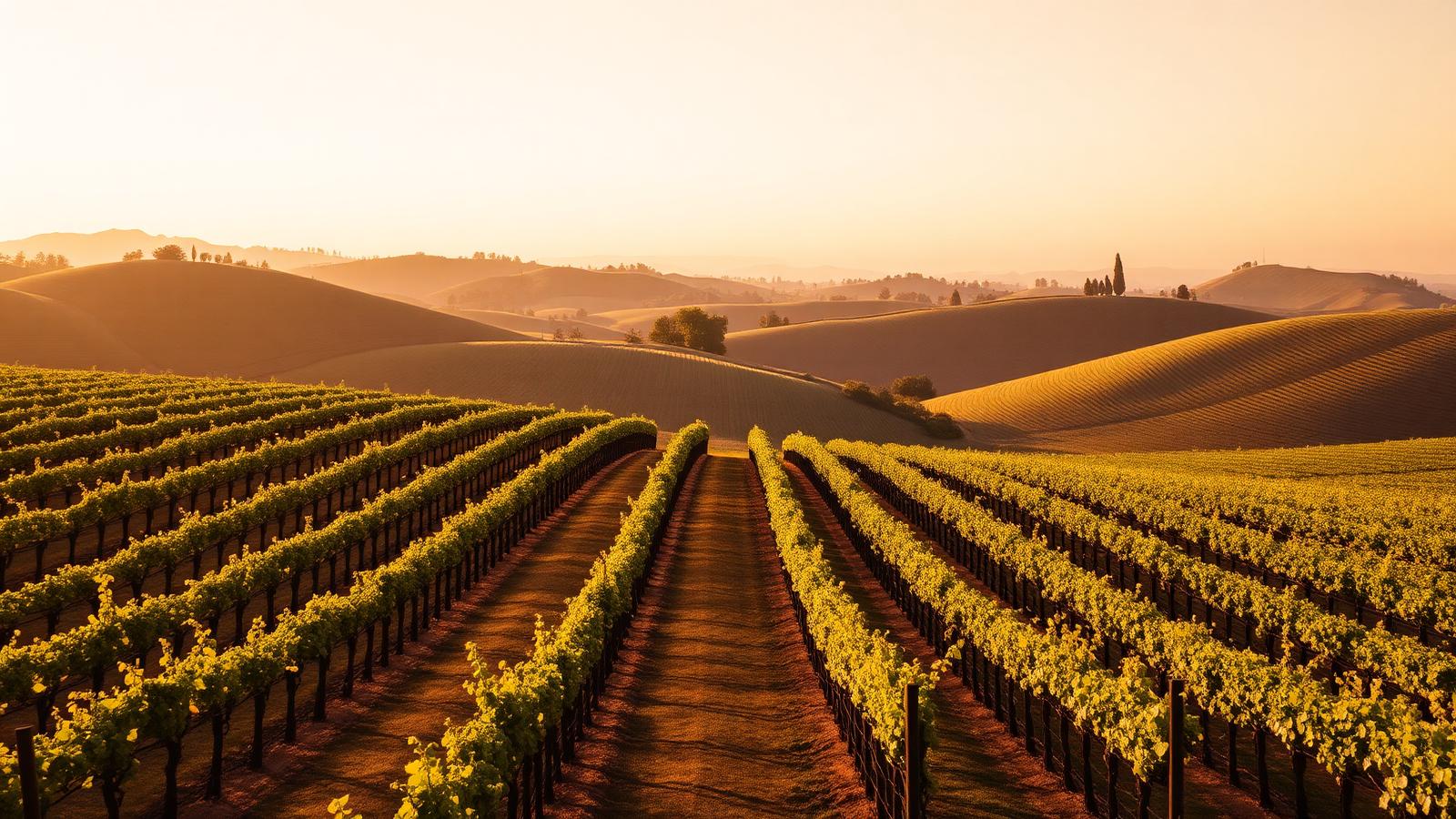
The geological tapestry of Vienna's wine-growing areas is remarkably diverse, ranging from ancient marine sediments and sandy loess to mineral-rich primary rock. These varied soils, coupled with the city's unique microclimate, create an ideal environment for a spectrum of grape varieties. The cooling breezes from the Vienna Woods descend upon vineyards nestled on slopes, balancing the warmth from the Pannonian influence. This interplay results in wines imbued with a delicate freshness and an elegant structure, capturing the very essence of their origins. The gentle undulations of the landscape offer picturesque settings for viticulture, marrying natural beauty with agricultural purpose.
Getting to know Vienna (Wien)
What Vienna (Wien) tastes like
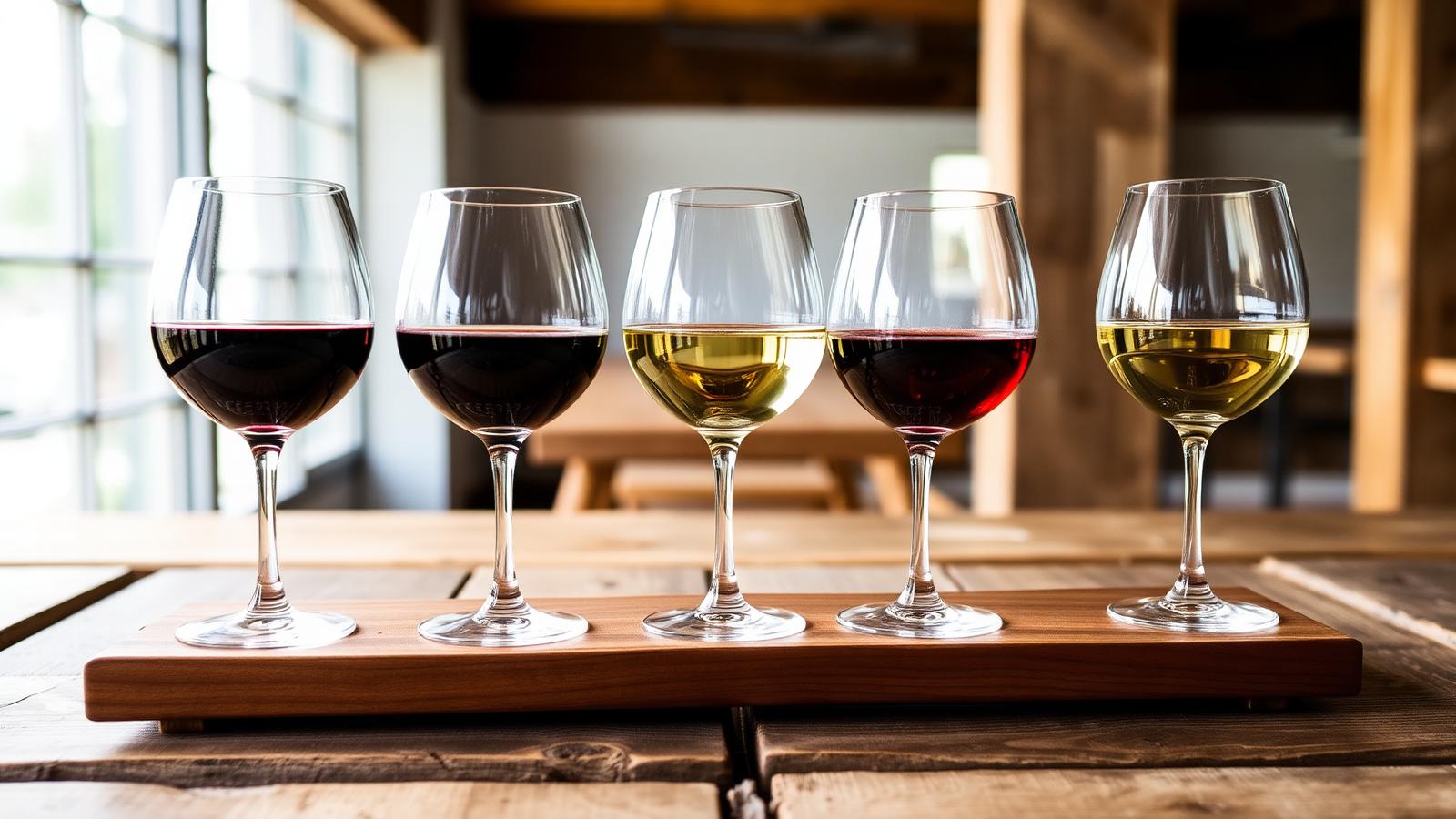
Wines from Vienna (Wien) tend to reflect the region's climate and terrain more than any single style. Look for a sense of place in the glass — mineral notes from stony soils, freshness where nights are cool, richer texture where the sun lingers longer. A short flight of local wines is the fastest way to feel the range.
Rhythms of the year
Vienna (Wien) moves with the seasons. Spring is quiet and green, summer brings long light and full terraces, harvest is intense and communal, and winter turns the vineyards into a stark, beautiful sculpture. Every season is a good reason to come — they just make very different trips.
Beyond the tasting room
Some of the most memorable moments in Vienna (Wien) happen away from the vines: a bakery in the next village over, a viewpoint at sunrise, a slow lunch that turns into a slow afternoon. Leave room in your itinerary for the things you can't plan.
Frequently asked questions
When is the best time to visit Vienna for a wine-focused trip?
The ideal time to immerse yourself in Vienna's wine culture is typically from late spring (May-June) through early autumn (September-October). In spring, the vineyards are lush and green, while early autumn brings the excitement of harvest season, known as 'Weinlese,' and the chance to taste young, fermenting must, or 'Sturm.' The weather during these months is generally pleasant, perfect for leisurely strolls through the vineyards and enjoying outdoor wine taverns. Even winter has its charm, with cozy indoor tastings and festive markets, though vineyard visits might be less frequent.
How can I best experience the wine culture within Vienna?
To truly experience Vienna's wine culture, dedicate time to visiting the numerous wine taverns, known as Heuriger, located on the city's outskirts. Many are easily accessible by public transport. Look for the 'Ausg'steckt' sign, a green branch or bush, indicating open hours. Consider a picturesque walk or bike ride along vineyard paths in areas like Grinzing, Nussdorf, or Stammersdorf. You can also explore specialized wine stores in the city center or attend local wine festivals which are often held during the warmer months, offering opportunities to taste a wide range of local wines.
Do I need to book vineyard tours or tastings in advance?
For individual visits to a Heuriger, booking is generally not required, especially during the day or on weekdays – simply arrive and find a table. However, if you plan to visit a specific viticultural estate for a more intimate tasting experience, or if you're traveling with a larger group, it is highly recommended to contact them in advance. This ensures availability and allows them to prepare for your visit properly. During peak season or for special events, booking ahead for any planned activity is always a good idea to avoid disappointment and ensure a smooth experience.
What is the best way to travel between Vienna's wine regions?
Vienna's unique advantage is the proximity of its vineyards. Many wine-growing areas are well-served by the city's efficient public transportation network, including trams and buses. For instance, areas like Grinzing and Nussdorf are easily reachable from the city center. For a more immersive experience, consider renting a bicycle to explore the smaller paths that wind through the vineyards, offering breathtaking views. Taxis are also an option for convenience, and for longer distances or a curated experience, a private driver or a pre-arranged wine tour can be a comfortable choice, especially if you plan to taste extensively.