

Wineries & Wine Tours in Austria
Regions

In the heart of Europe, where ancient Roman roads still trace paths through rolling hills and the Danube carves its course, Austria unfurls a tapestry woven with centuries of viticulture. Here, wine is not merely a drink; it is a narrative, a reflection of the land's stoic mountains, generous rivers, and whispered histories. From the cool embrace of the Waldviertel to the sun-drenched Pannonian basin, each sip echoes the meticulous hand of generations, a testament to a deep-rooted connection between people and place.
Imagine mornings where mist still clings to trellised vines, yielding to a sun that warms the sloped vineyards to perfection. Picture afternoons spent in quiet courtyards, the gentle clink of glasses accompanying conversations that stretch into golden evenings. Austria invites a slower rhythm, an unhurried exploration where the journey between a in Wachau and a fiery in Burgenland reveals not just diverse wines, but the very soul of a country.
This is a place where tradition meets innovation with a quiet confidence. The land shapes the grape, and the grape, in turn, flavors the culture. To travel here for wine is to immerse oneself in a landscape of elegant precision, an experience that transcends the palate to touch the spirit, leaving an impression as lingering and complex as a mature from a sun-kissed terrace above the river.
From Alpine Foothills to Pannonian Plains
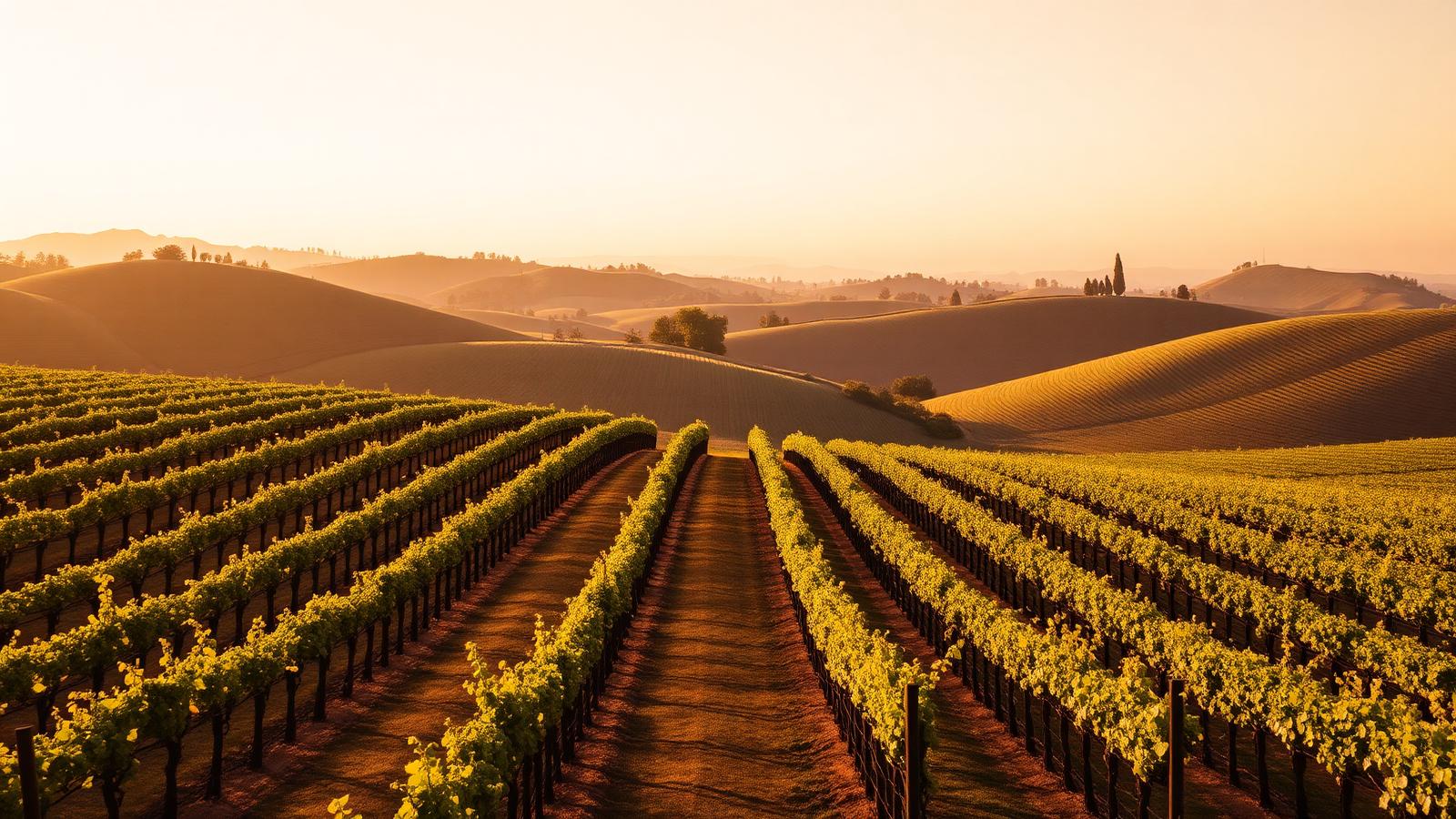
Austria's winemaking landscape is a remarkable testament to its diverse geology and microclimates. Majestic Alpine foothills shelter many vineyards, creating dramatic terraces carved into steep slopes above winding rivers. Further east, the gentle undulations of the Pannonian plains offer warmer conditions, cradling unique salt-pans and lakes that influence grape ripening. This varied terrain, from crystalline primary rock to fertile loess and ancient marine sediments, imparts distinct mineral expressions to the wines. The interplay of cool northern air currents and warm eastern influences ensures a long, steady ripening period, fostering the aromatic complexity and crisp acidity for which Austrian wines are celebrated.
Culinary Tapestry and Grape Harmony
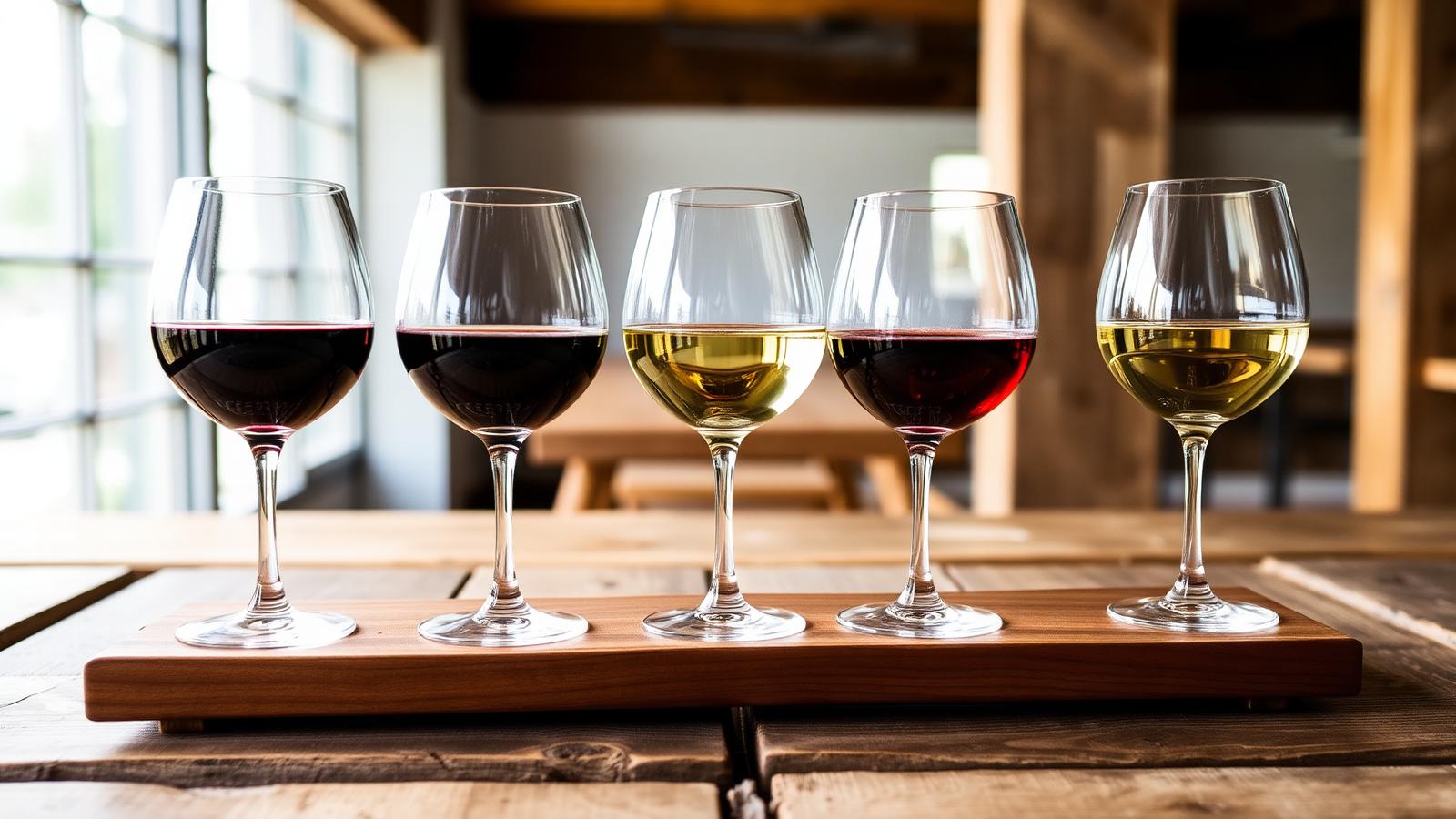
Austrian cuisine and its wines are intrinsically linked, each elevating the other in a symphony of flavors. The bright, peppery notes of a , with its characteristic 'white pepper' finish and vibrant acidity, find a perfect partner in traditional Wiener Schnitzel or fresh asparagus dishes. Richer, fuller-bodied reds like or , with their dark fruit and earthy undertones, beautifully complement hearty goulash, roasted meats, or game from the forests. Even the exquisite, honeyed sweetness of a wine from the Neusiedlersee region finds its match in delicate cheese courses or traditional apple strudel, creating a truly holistic gastronomic experience.
The Rhythm of the Seasons
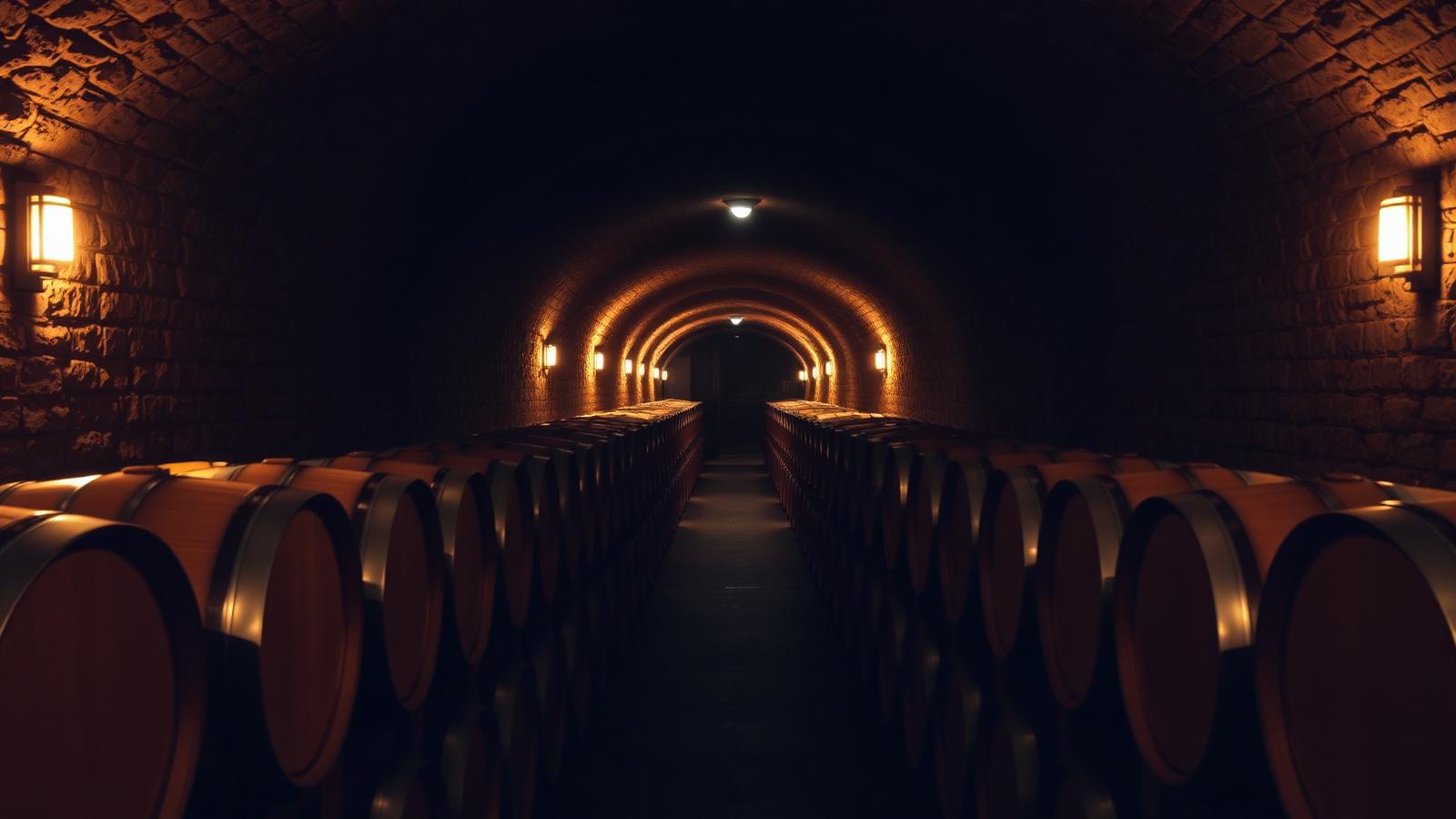
The wine regions of Austria pulse with the rhythm of the seasons, each bringing its unique charm. Spring awakens the vines with a delicate freshness, the promise of new growth in the air, perfect for quiet walks through nascent vineyards. Summer bathes the hills in warmth, ripening the grapes under a generous sun, inviting long, leisurely afternoons with crisp white wines. Autumn erupts in a spectacle of golden hues, culminating in the joyous bustle of harvest, a time of communal celebration and hard work, culminating in the first sips of young wine. Even winter holds its allure, with quieter cellars offering reflective tastings of aged treasures by a crackling fire.
What makes a trip here special
A landscape shaped by the vine
Vineyards in Austria follow the geography — rivers, ridgelines, coastlines, and altitude all leave their fingerprints on the wine. Driving between regions is often as memorable as the tastings themselves.
Food that grew up next to the wine
The best pairings for Austria's wines are almost always the dishes that grew up alongside them. Local markets, family-run restaurants, and roadside stops turn a wine trip into a full sensory tour of the country.
A calendar worth planning around
Harvest, pruning, spring flowering, and long lazy summers each give Austria's wine regions a completely different mood. Choosing when you visit is almost as important as choosing where.
Frequently asked questions
What are the essential Austrian grape varieties I should look out for?
When exploring Austrian wines, you'll definitely want to seek out , the country's flagship white grape, known for its vibrant acidity, notes of white pepper, citrus, and often a distinctive minerality. For reds, offers a wonderful journey into dark fruit, spice, and savory earthiness, while provides a lighter, fruitier red, often with cherry and berry notes. Don't overlook , which here produces elegant, precise wines with stunning longevity, particularly from the steep terraces along the Danube. There's a treasure trove of distinctive flavors waiting to be discovered.
When is the best time of year to visit Austria's wine regions?
The ideal time to visit depends on the experience you're seeking. Spring, from April to June, offers beautiful blossoming vineyards and fewer crowds, perfect for enjoying lighter wines outdoors. Summer, July and August, is wonderfully warm for leisurely afternoons, though it can be quite busy. Autumn, notably September and October, is arguably the most captivating period, as it brings the magic of harvest season and vibrant fall foliage, with many wineries celebrating the new vintage. Even winter can be charming for cozy cellar visits and enjoying hearty cuisine with robust reds.
Is it easy to navigate the wine regions using public transport?
While some main towns within the wine regions are accessible by train and bus, having a car generally offers the most flexibility for exploring Austria's wine country, especially if you wish to venture off the beaten path to smaller villages and more secluded vineyards. However, many regions, particularly the Wachau, offer excellent options like cycle paths along the Danube, and some areas provide local shuttle services or wine taxis during peak season. Always check local transport options for specific regions, and consider day tours from larger cities for a stress-free experience.
What kind of budget should I plan for a wine trip to Austria?
Austria offers a range of options for every budget. Accommodation can vary from charming guesthouses (often vineyard-owned) to luxurious hotels. Wine tastings at cellars are typically affordable, sometimes even complimentary with a purchase. Dining can range from delightful traditional taverns (Heuriger or Buschenschank) offering local fare and wine for a modest price, to fine dining establishments. Transportation costs depend on your chosen method. Generally, Austria provides excellent value, allowing for a rich and authentic wine experience without necessarily breaking the bank, especially if you embrace local eateries and smaller, family-run establishments.