

Styria (Steiermark) Wineries & Wine Tours
Sub-regions
Culinary Delights & Pace
Styrian cuisine is a hearty, understated affair, perfectly complementing its wines. Dishes often feature pumpkin seed oil, a regional specialty, drizzled over salads or even ice cream, lending a nutty richness. Expect to find succulent cured hams, savory brown bread, and rustic farm cheeses, all celebrated for their honest, local origins. The rhythm of life here is unhurried, reflecting the steady cycles of viticulture. Days are structured around long, leisurely meals, punctuated by strolls through sun-drenched vineyards or quiet moments of contemplation in charming village squares, a true escape from the bustle of modern life.
Aromatic White Wines
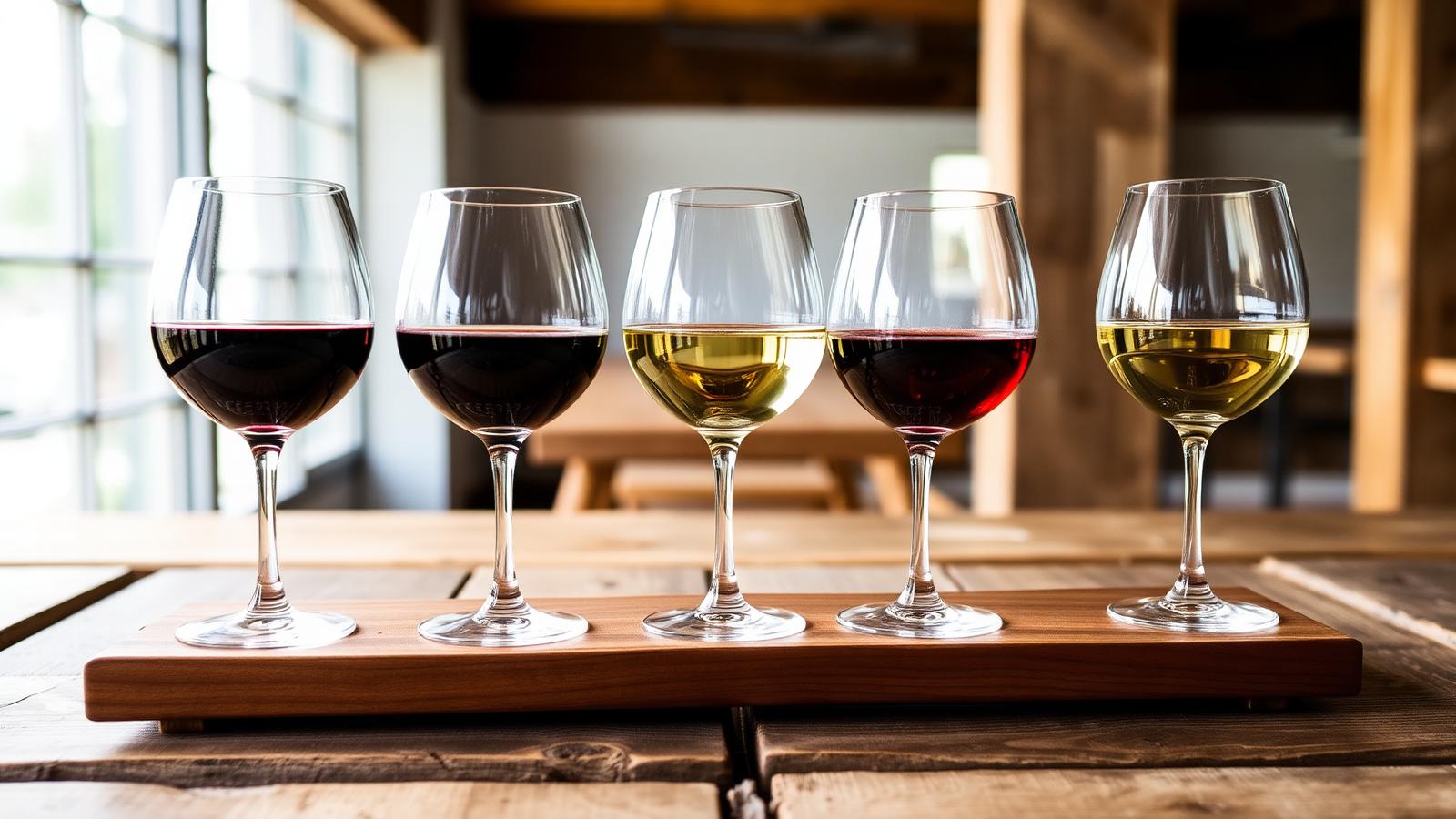
Styria is celebrated for its precise and aromatic white wines, particularly the ubiquitous , known locally as "Gelber Muskateller." These wines dazzle with crisp acidity, notes of elderflower, gooseberry, and a tantalizing freshness. Alongside, the elegant offers delicate apple and citrus nuances, while the rare and intriguing Gelber Muskateller bursts with heady floral and grapey aromas. Even the region's unique rosé, Schilcher, crafted from the indigenous Blauer Wildbacher grape, presents a tart, refreshing experience, a true expression of the Styrian spirit in a glass.
The Undulating Terroir
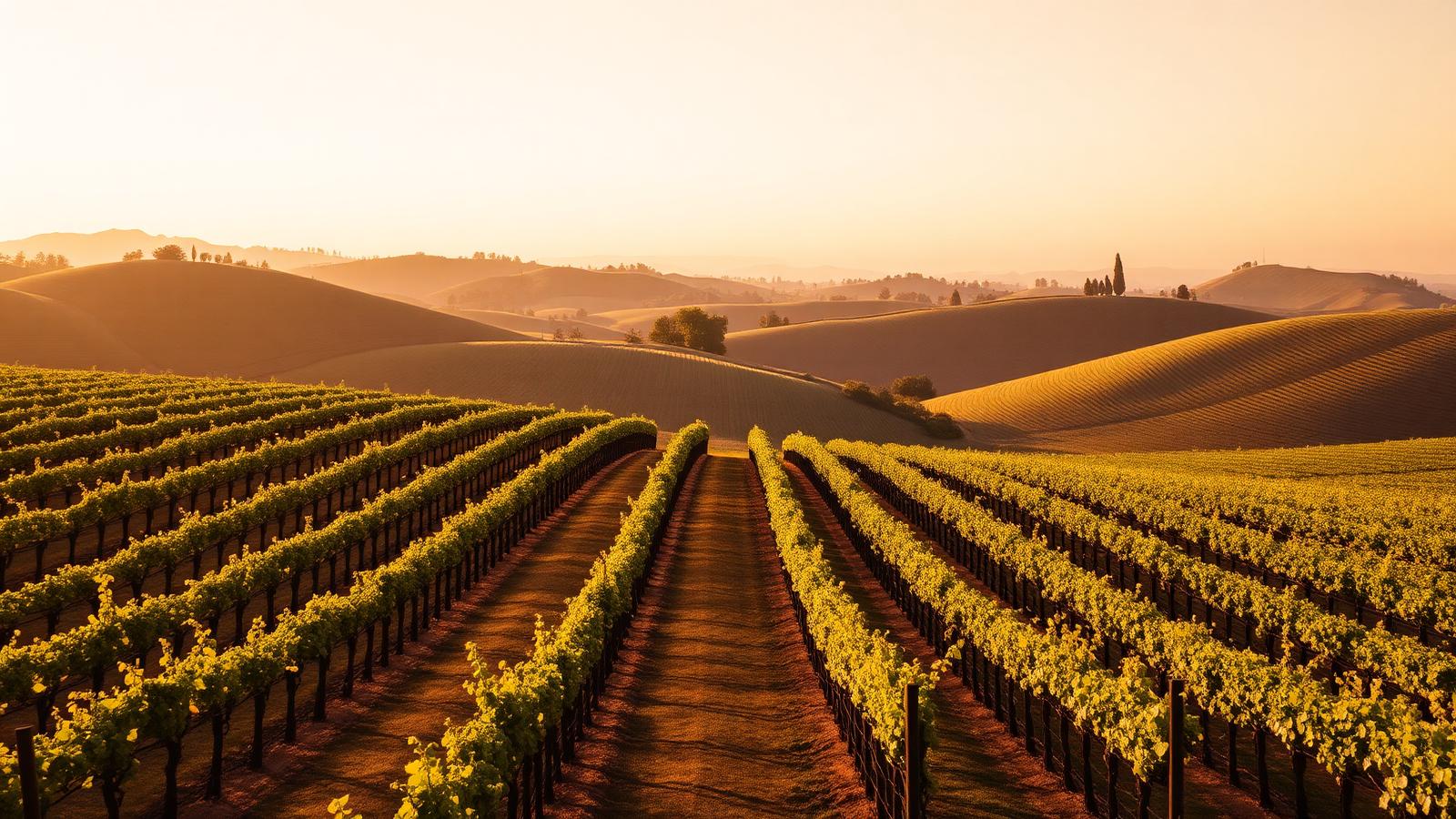
The Styrian landscape is a symphony of gentle undulations, where vineyards cling to precipitous hillsides, sometimes at dazzling angles. This dramatic topography, sculpted by ancient geological forces, offers a complex mosaic of soils. Volcanic origins lend a characteristic minerality to the wines, echoing the earth's fiery past, while calcareous marl and sandy loam create distinct pockets of flavor. The region's cool, continental climate, tempered by warm Pannonian influences, ensures a slow, extended ripening period, allowing white grapes to develop intense aromatic profiles and a vibrant acidity that defines Styrian wines.
Getting to know Styria (Steiermark)
What Styria (Steiermark) tastes like
Wines from Styria (Steiermark) tend to reflect the region's climate and terrain more than any single style. Look for a sense of place in the glass — mineral notes from stony soils, freshness where nights are cool, richer texture where the sun lingers longer. A short flight of local wines is the fastest way to feel the range.
Rhythms of the year
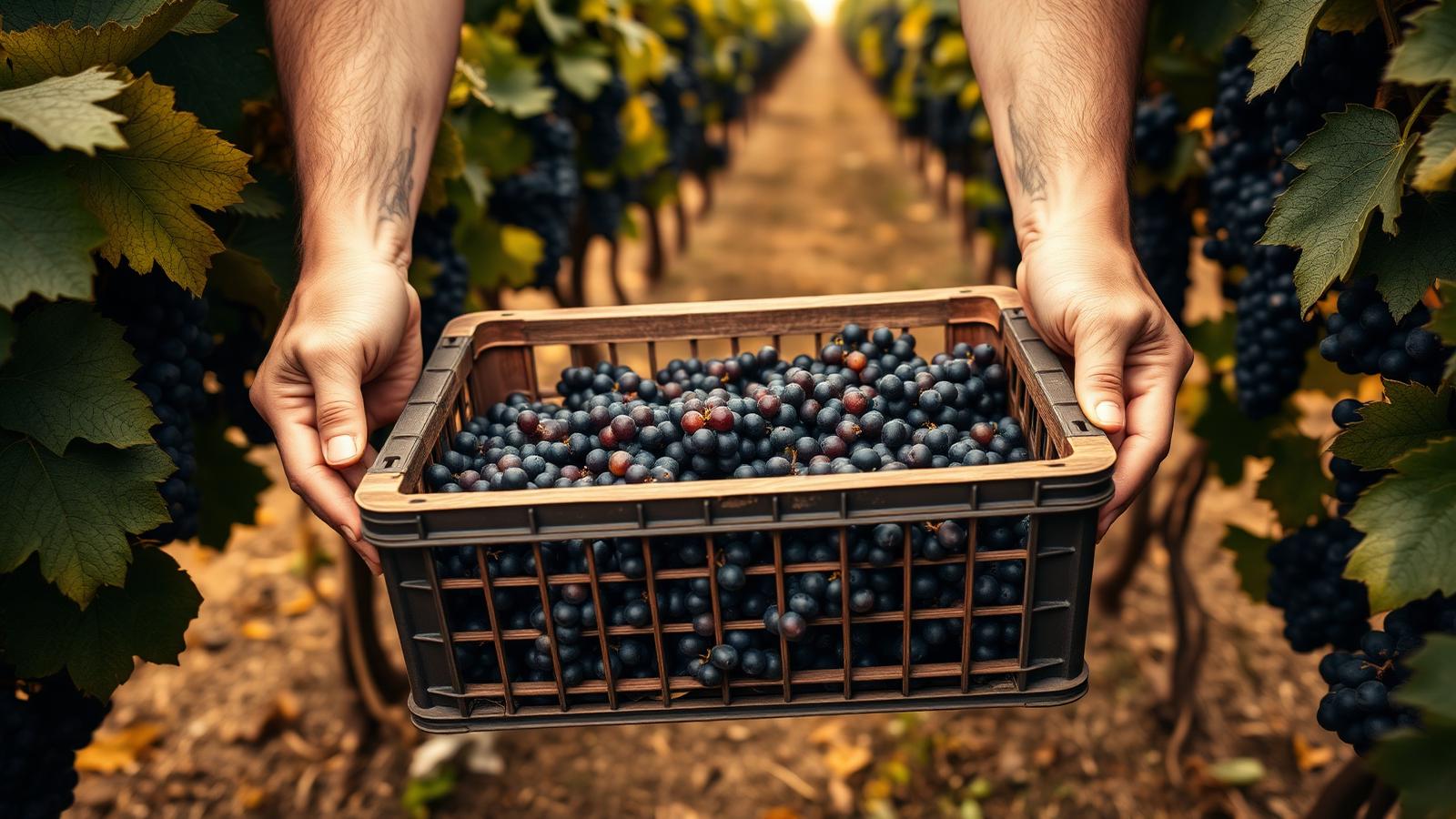
Styria (Steiermark) moves with the seasons. Spring is quiet and green, summer brings long light and full terraces, harvest is intense and communal, and winter turns the vineyards into a stark, beautiful sculpture. Every season is a good reason to come — they just make very different trips.
Beyond the tasting room
Some of the most memorable moments in Styria (Steiermark) happen away from the vines: a bakery in the next village over, a viewpoint at sunrise, a slow lunch that turns into a slow afternoon. Leave room in your itinerary for the things you can't plan.
Frequently asked questions
When is the best time of year to visit Styria for a wine trip?
The most enchanting times to visit Styria are late spring (May-June) or early autumn (September-October). In spring, the vineyards are a vibrant green, coming to life, and the temperatures are pleasantly mild for exploring. Autumn brings the spectacle of harvest, golden hues across the landscape, and many local wine festivals celebrating the new vintage. August can be warm, perfect for evening wine garden visits, while winter, though quiet, offers a serene beauty and the chance to enjoy robust local cuisine by a crackling fire.
What kind of transportation is best for exploring the Styrian wine region?
While public transport connects the larger towns, a car offers the most flexibility for truly delving into the Styrian wine country. Many of the most charming wine villages and vineyard-dotted routes are best accessed by personal vehicle, allowing you to stop at picturesque viewpoints and smaller, family-run wine taverns at your leisure. Alternatively, renting an e-bike is a wonderful way to navigate the scenic, rolling hills and enjoy the fresh air, with many dedicated wine routes designed for cyclists.
What is the typical style of accommodation found in the Styrian wine region?
Accommodation in Styria often leans towards charming, family-run guesthouses, often directly on or adjacent to a vineyard. You'll find rustic-chic farm stays, quaint bed and breakfasts, and smaller, elegant hotels that embody the regional character. Many offer simple, comfortable rooms with breathtaking views of the surrounding hills and vineyards, and often include a delicious regional breakfast. Expect warmth, hospitality, and a genuine connection to the local way of life, rather than large, impersonal chain hotels.
Are there specific wine paths or routes recommended for visitors?
Absolutely! Styria is crisscrossed with well-marked wine routes designed for both drivers and cyclists. The most famous is the 'South Styrian Wine Road,' often considered one of the most beautiful in Austria, winding through picturesque villages and offering stunning vistas. The 'Schilcher Wine Route' focuses on the Blauer Wildbacher grape, while the 'Southeastern Styrian Volcanic Land Wine Route' explores areas with unique volcanic soils. These routes are clearly signposted and offer numerous opportunities to pause, taste, and soak in the breathtaking scenery.