

Weststeiermark Wine Guide
Wineries in Weststeiermark
View all 38 wineries →The Soul of Schilcher
The very heart of Weststeiermark beats with the rhythm of the Blauer Wildbacher grape, yielding the famed Schilcher. Its distinctive, onion-skin hue and vivacious acidity are a direct reflection of the region's unique microclimate and slate-rich soils. Imagine a wine that captures the zing of wild berries, a whisper of mountain herbs, and a bracing minerality that cleanses the palate. This is a wine born of challenge, thriving in conditions that test other varietals, resulting in a lively, refreshing rosé that pairs exquisitely with the rustic, honest cuisine of the region, embodying the spirit of its origins.
Landscape and Light
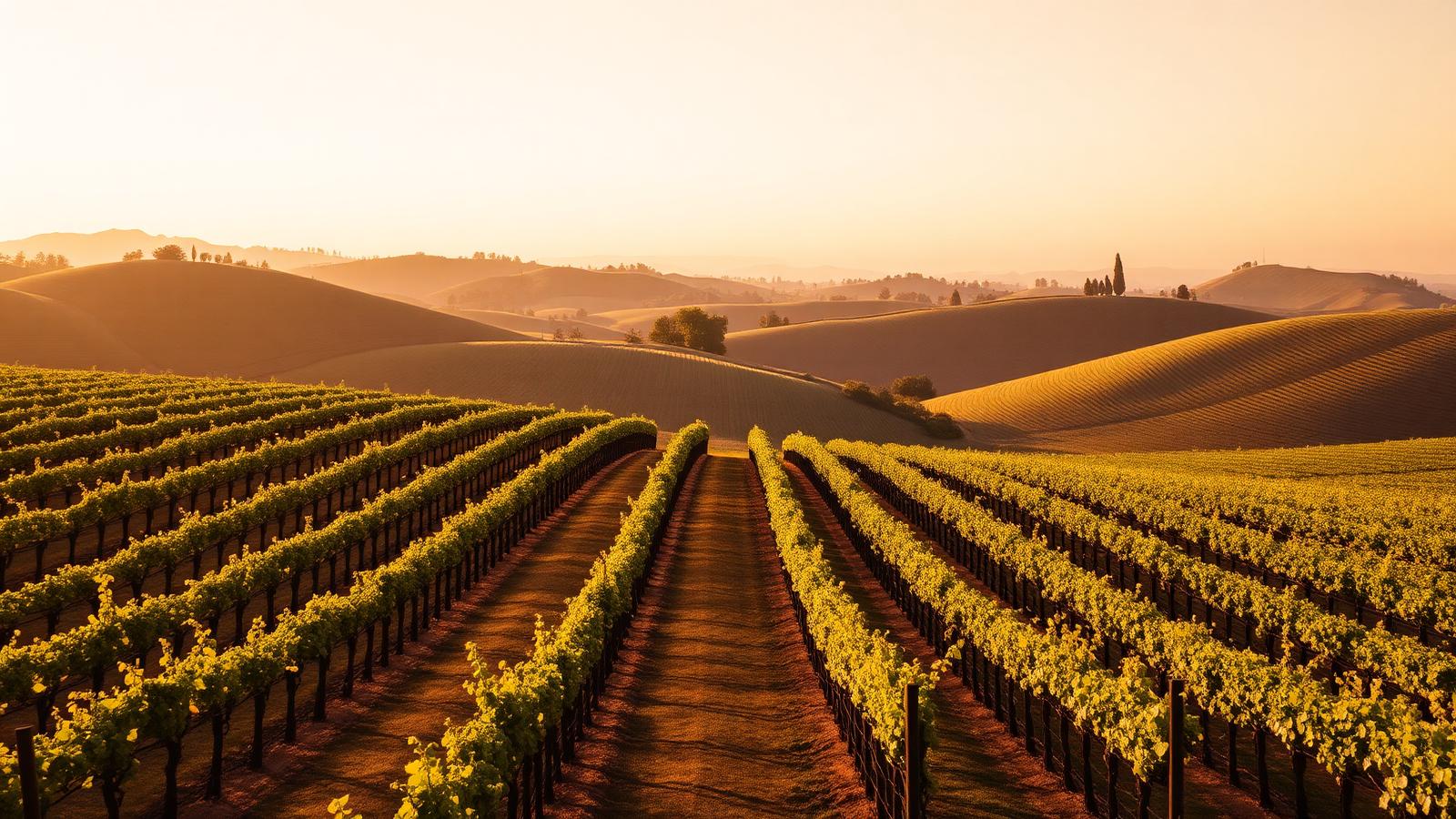
The topography of Weststeiermark is an intricate dance of rolling hills and steep vineyards, carved by ancient rivers. The light here plays a starring role, especially in the early mornings when mists cling to the valleys before burning off to reveal rows of vines shimmering under the sun. This interplay of cool air from the Koralm mountains and bright, almost Mediterranean sunshine during the day creates the ideal conditions for slow, balanced ripening. The landscape itself feels intimate, a mosaic of small parcels where every slope and exposure contribute to the distinctiveness of the final wine.
Planning a visit to Weststeiermark
Best time to visit Weststeiermark
Late spring and early autumn are the choices — comfortable weather, generous light, and vineyards at their most photogenic. Summer is warmer and livelier, with long evenings and outdoor tables everywhere. Winter is peaceful, cellars are quiet, and there's a real intimacy to visits without the crowds.
Where to base yourself
The main village or town in Weststeiermark is usually the easiest base — it puts you in walking distance of restaurants and daily life, with vineyards a short drive away. Staying in the countryside is quieter and more romantic, but you'll rely more on a car or a driver. Both are valid; pick the mood you want your trip to have.
Getting to Weststeiermark
Most travellers reach Weststeiermark by combining a flight into the nearest major city with a train, bus, or rental car for the last leg. Once you arrive, distances are usually short — many memorable days here involve less driving than you'd expect.
Making the most of a day in Weststeiermark
A good day in Weststeiermark tends to have a shape: a slow morning, a couple of unhurried tasting stops, a proper local lunch, and time in the late afternoon to walk, nap, or take in a view. Try not to over-plan — the best moments usually turn up between the ones you scheduled.
Frequently asked questions
What is the best way to explore the wine-growing villages and countryside in Weststeiermark?
The most enchanting way to discover Weststeiermark is by car, allowing you the freedom to meander along the scenic Weinstrassen that wind through vineyards and charming villages. Many wine producers offer experiences, though it’s always wise to call ahead to ensure they are open for visitors. For a more active exploration, consider renting an e-bike; the rolling hills become effortlessly enjoyable, and you can pause frequently to soak in the views and savour a glass of the local rosé. Walking paths also connect many areas, offering a slower, more immersive perspective of the landscape.
Are tastings typically formal, or can I expect a more casual experience?
In Weststeiermark, wine tastings tend to be wonderfully unpretentious and warm. Many family-run establishments welcome visitors into their homes or rustic tasting rooms, eager to share their passion and knowledge. Expect a personal touch, often with the winemakers themselves guiding you through their portfolio. While sophisticated, the atmosphere remains relaxed, encouraging genuine conversation and a deeper understanding of their craft. It’s an authentic experience that feels less like a transaction and more like a friendly encounter, often accompanied by local bread and pumpkin seed oil.
What are some practical considerations for visiting during various seasons?
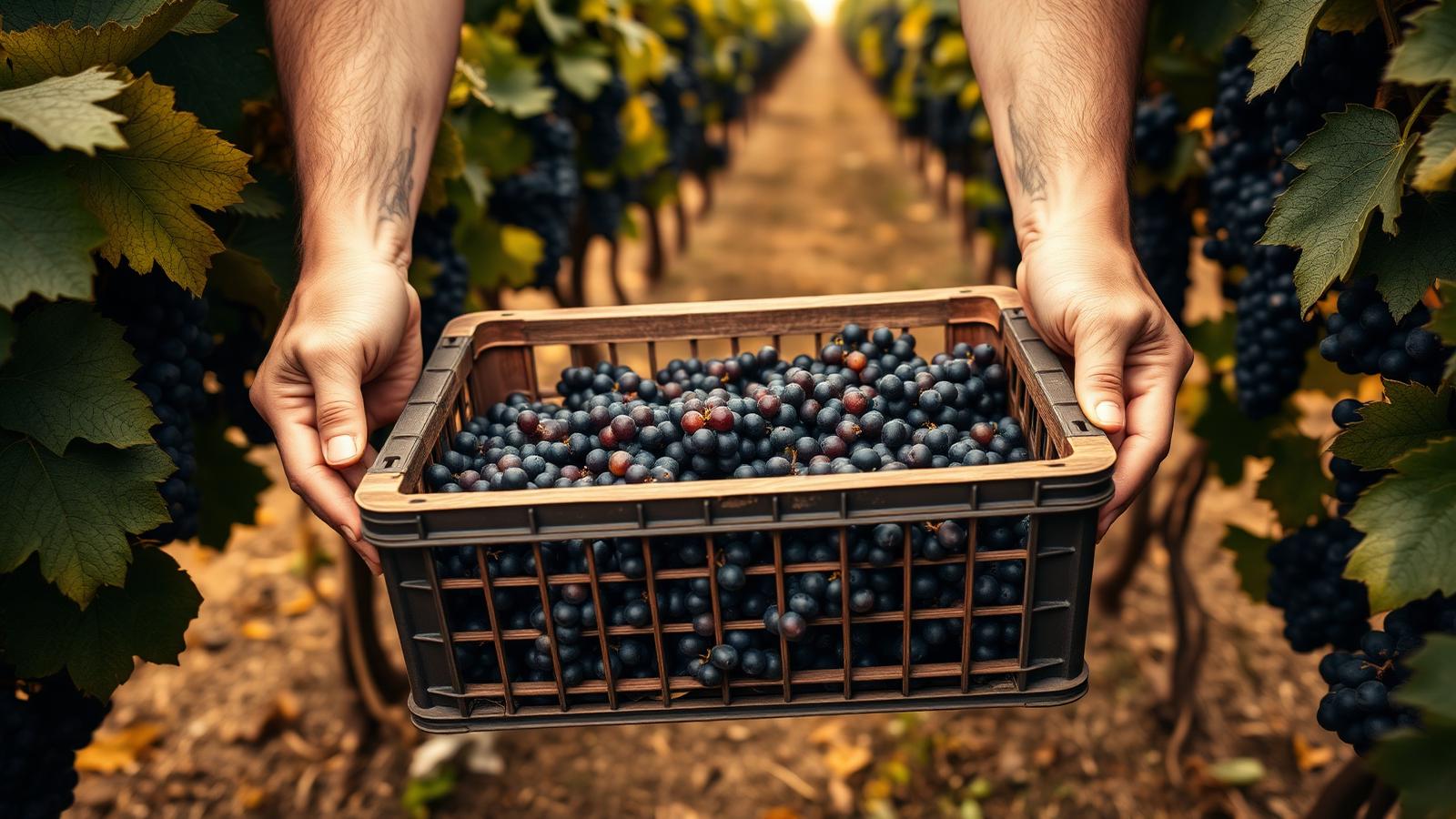
Each season offers a unique charm. Spring brings vibrant blossoms and awakening vineyards, ideal for hiking and gentle exploration. Summer is wonderful for long, sun-drenched days, enjoying outdoor terraces, but can be warm. Autumn is spectacular, with the harvest in full swing and the hillsides ablaze with colour, offering a bustling, festive atmosphere. Winter, while quieter, can present a serene, snow-dusted landscape, though some smaller establishments might have reduced hours. Always check local opening times before venturing out, particularly outside of the main tourist season.
Beyond wine, what other local products or crafts should I look out for?
Weststeiermark is rich in artisanal traditions. Foremost among them is the region's famous pumpkin seed oil, a gourmet delight often referred to as 'green gold.' You'll find it for sale directly from local farms. Keep an eye out for regional honeys, apple juices, and even schnapps made from local fruits like elderflower or plums. The area also boasts charming rural markets where you can discover handcrafted goods, local cheeses, and other edible souvenirs that reflect the authentic, wholesome character of this beautiful Austrian wine region.