

Vulkanland Steiermark Wine Guide
Culinary Reflections of the Land
The cuisine of Vulkanland Steiermark is a direct, heartfelt expression of its fertile land, deeply intertwined with the agrarian rhythm. Pumpkins, especially the prized Styrian oil pumpkin, are celebrated, yielding their emerald-green oil that graces salads and local specialities with its nutty flavour. Hearty, wholesome dishes feature local produce, often simply prepared to let the quality of the ingredients shine. Air-dried hams, artisanal cheeses, and freshly baked bread are staples, enjoyed perhaps after a stroll through an autumn-coloured forest. The culinary experience here is one of authentic connection to place, often perfectly paired with a crisp local white wine, enhancing the earthy, honest flavours of the region.
Volcanic Terroir & Distinctive Grapes
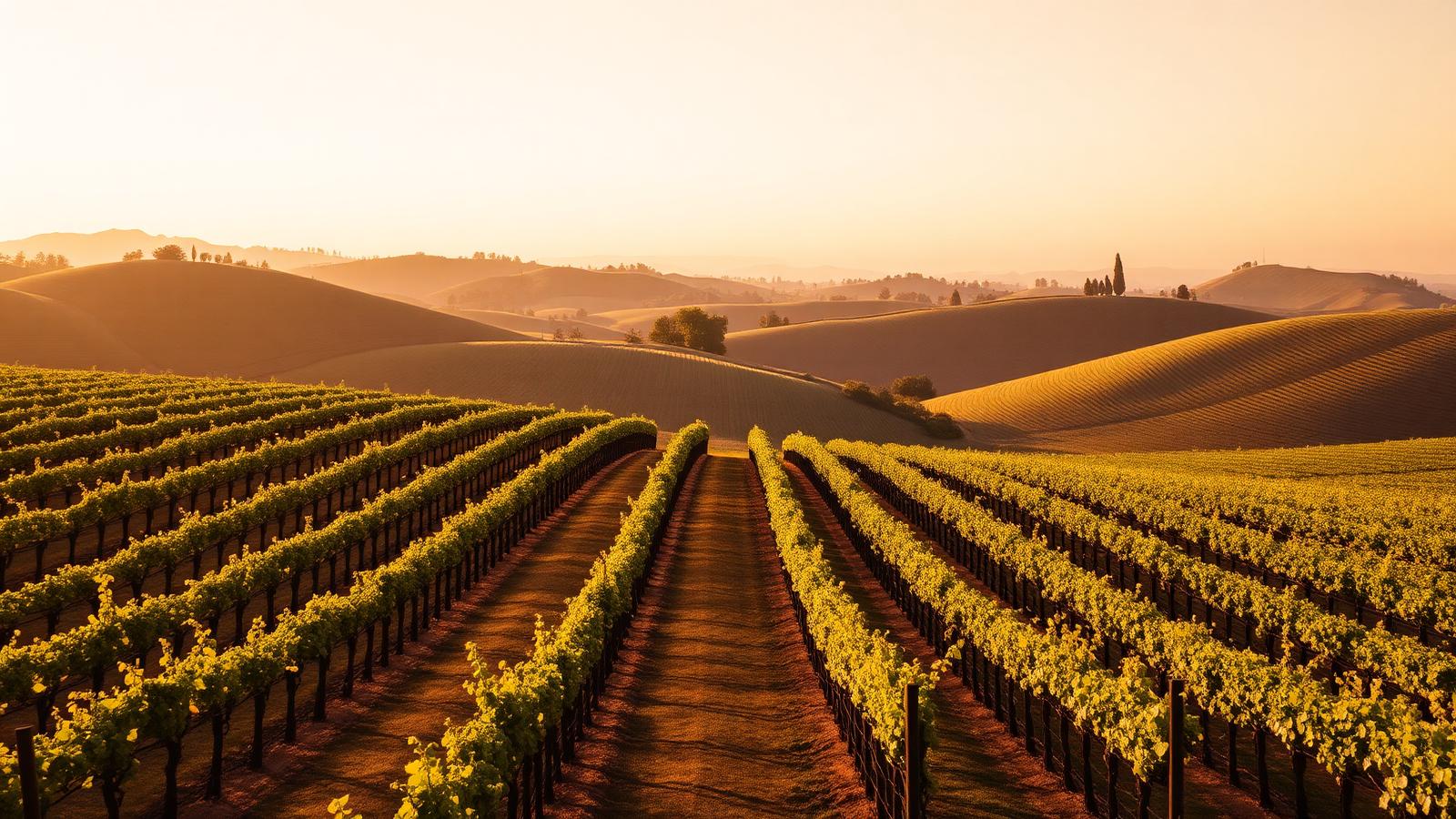
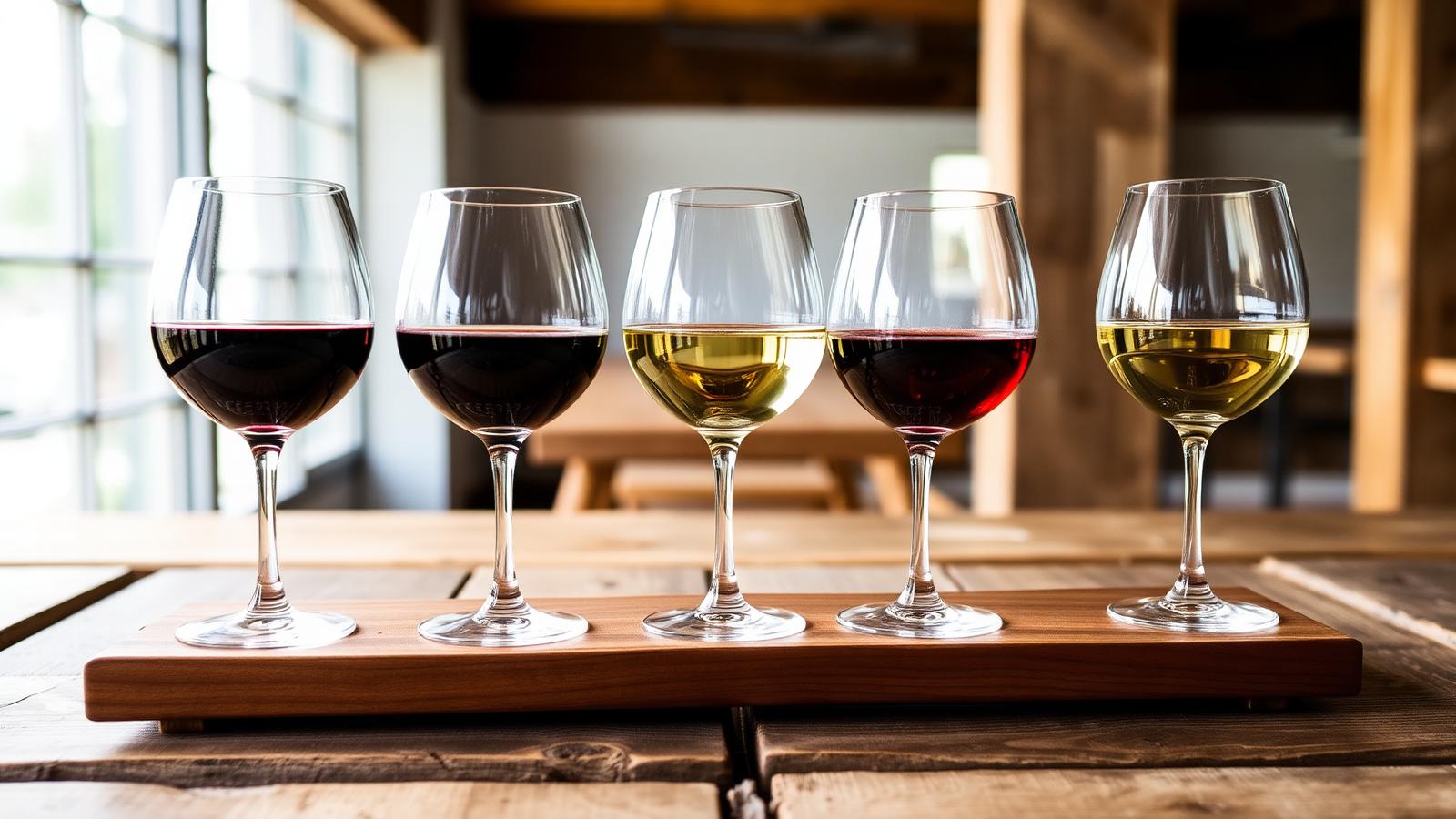
The very soul of Vulkanland Steiermark resides in its dramatic geology. Ancient volcanic activity left behind a remarkable mosaic of soils: basalt, tufa, and weathered bedrock contribute complex minerals, imbuing the wines with a signature minerality and a subtle, smoky depth. This unique foundation, coupled with a distinct Pannonian climate that brings warmth and often generous sunshine balanced by cool nights, creates an ideal environment for grapes like , which thrives here, expressing notes of gooseberry, elderflower, and an invigorating spice. offers lively acidity and delicate fruit, while local rarities like Traminer and Muskateller add perfumed complexity, each sip a taste of the earth's fiery past and vibrant present.
A Landscape of Intimate Discovery
The countryside here is one of gentle undulations rather than dramatic peaks, a mosaic of vineyards, pumpkin fields, and orchards where each turn of the lane reveals a new, charming tableau. Villages are built into the landscape, their terracotta roofs echoing the warm tones of the soil. Winding trails invite unhurried exploration, leading to viewpoints that offer panoramic vistas of rolling hills cloaked in green. This is a place for quiet contemplation, where one can truly connect with the rhythm of rural life and the patient cultivation that defines the region. Lunches often spill out onto sunny terraces, savouring simple, seasonal dishes amidst the silent beauty of the vineyards.
Planning a visit to Vulkanland Steiermark
Best time to visit Vulkanland Steiermark
Late spring and early autumn are the choices — comfortable weather, generous light, and vineyards at their most photogenic. Summer is warmer and livelier, with long evenings and outdoor tables everywhere. Winter is peaceful, cellars are quiet, and there's a real intimacy to visits without the crowds.
Where to base yourself
The main village or town in Vulkanland Steiermark is usually the easiest base — it puts you in walking distance of restaurants and daily life, with vineyards a short drive away. Staying in the countryside is quieter and more romantic, but you'll rely more on a car or a driver. Both are valid; pick the mood you want your trip to have.
Getting to Vulkanland Steiermark
Most travellers reach Vulkanland Steiermark by combining a flight into the nearest major city with a train, bus, or rental car for the last leg. Once you arrive, distances are usually short — many memorable days here involve less driving than you'd expect.
Making the most of a day in Vulkanland Steiermark
A good day in Vulkanland Steiermark tends to have a shape: a slow morning, a couple of unhurried tasting stops, a proper local lunch, and time in the late afternoon to walk, nap, or take in a view. Try not to over-plan — the best moments usually turn up between the ones you scheduled.
Frequently asked questions
What is the best way to explore the wine-growing villages and vineyards in Vulkanland Steiermark?
The most rewarding way to immerse yourself in the Vulkanland Steiermark’s vineyards and charming villages is by car, allowing you the freedom to explore scenic wine routes at your own pace. Many local roads wind through the hills, offering breathtaking views and easy access to small, family-run estates. For a more leisurely experience, consider renting an e-bike; the gentle slopes are perfect for cycling, and dedicated routes often lead through picturesque vineyards and past hidden culinary gems. Walking trails also abound, offering intimate glimpses into the landscape that only foot travel can provide, often connecting one beautiful hamlet to the next.
What kind of local food should I expect to find and where is the best place to enjoy it?
Vulkanland Steiermark’s cuisine is wonderfully authentic and seasonal. You'll find a strong emphasis on pumpkin seed oil, used in salads and even as a finishing touch for soups. Look for dishes featuring regional pork, often in the form of thinly sliced air-dried ham, or hearty stews. Trout from local streams is also a delicacy. The best places to savour these local delights are at a 'Buschenschank,' a traditional rustic eatery usually attached to a wine farm. They offer simple, cold dishes and their own wines, served in a relaxed, convivial atmosphere, often with stunning vineyard views.
When is the ideal time of year to visit Vulkanland Steiermark for a wine-focused trip?
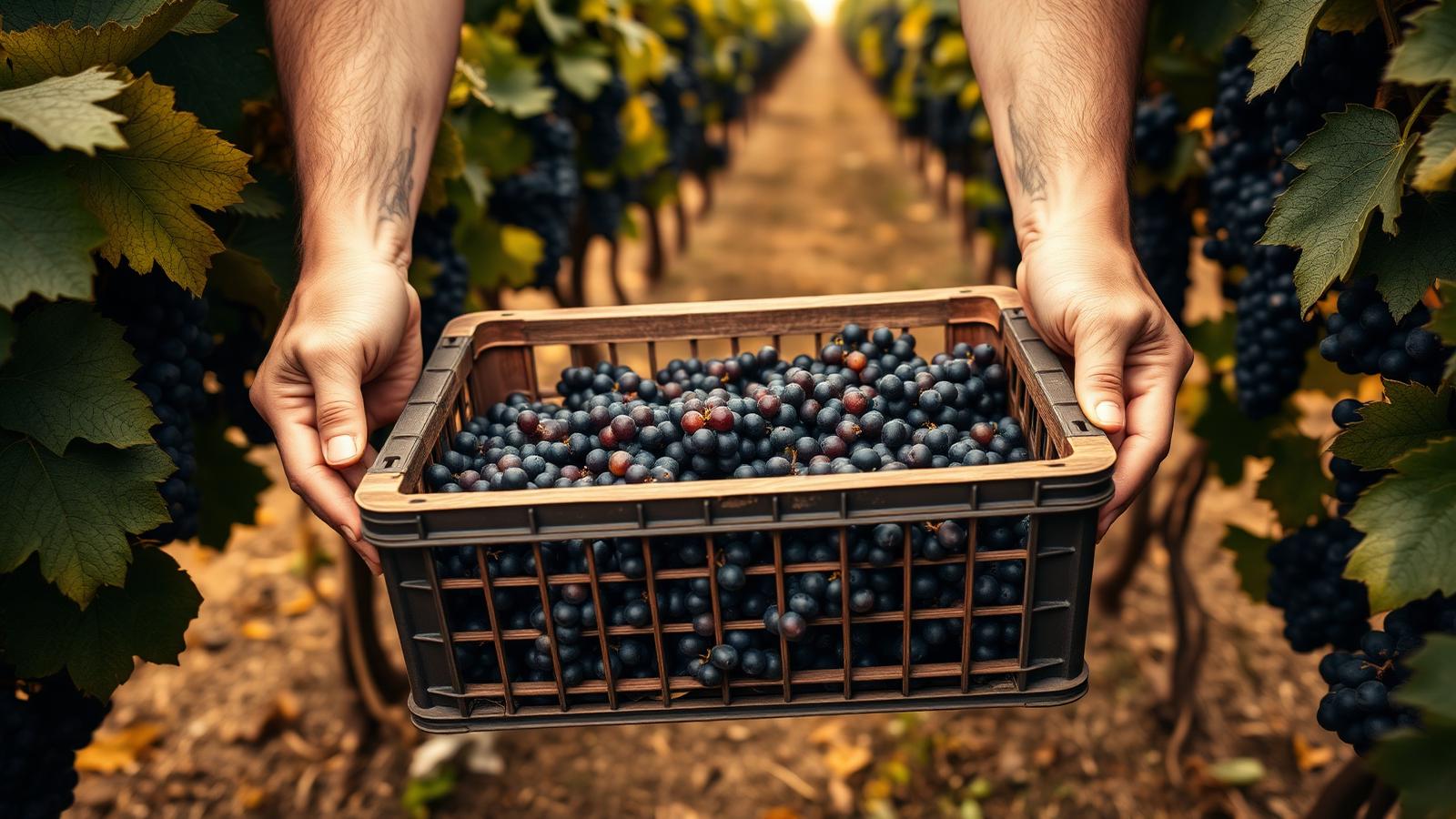
While Vulkanland Steiermark offers beauty throughout the year, the spring (April to June) and autumn (September to October) are particularly enchanting for a wine-focused visit. In spring, the vineyards burst with fresh green growth, and the air is filled with the scent of blossoms, offering a beautiful backdrop for exploring. Autumn, especially during harvest, is vibrant; the landscape transforms with golden hues, and there’s an exciting energy as grapes are brought in. Both seasons offer pleasant temperatures for walking and outdoor activities, and the Buschenschank are traditionally open to welcome visitors.
Are there opportunities for activities beyond wine tasting in the region?
Absolutely. Vulkanland Steiermark offers a variety of experiences that complement its wine culture. The volcanic landscape is dotted with historical castles and fortifications, some offering fascinating insights into the region’s past. Thermal spas, drawing on the earth’s natural warmth, provide opportunities for relaxation and wellness. The region is also celebrated for its 'Kernölstraße' or Pumpkin Seed Oil Route, where you can learn about the production of this local treasure. Furthermore, excellent hiking and cycling trails crisscross the area, inviting you to explore the gentle rolling hills, forests, and charming villages at your own pace.