

Burgenland Wineries & Wine Tours
Sub-regions
Culinary Traditions and Village Charm
Life in Burgenland unfolds at a gentle pace, inviting visitors to immerse themselves in its rich culinary heritage. The local cuisine is hearty, flavorful, and deeply connected to the land and its Hungarian-influenced traditions. Expect to find dishes featuring fresh lake fish, succulent beef, and seasonal vegetables, often paired with the region's robust red wines. The villages themselves, with their whitewashed walls and vibrant floral displays, offer a charming glimpse into rural Austrian life. Each small community possesses a unique character, often clustered around a historic church or castle ruin, inviting tranquil exploration and unhurried enjoyment.
Grapes of the Golden Triangle
Burgenland is often referred to as the land of red wines, with reigning supreme. This indigenous grape yields deeply colored, vibrant wines with a structure that speaks of age-worthiness and a captivating array of dark berry and spice notes. Companion reds like and add layers of fruit and subtlety, rounding out the region's robust portfolio. Yet, the region also excels in its sweet wines, crafted from grapes like Welshriesling and , transformed by the ethereal touch of into liquid gold, shimmering with honeyed complexity and a refreshing acidity that belies their sweetness.
Terroir and Lakeside Influence
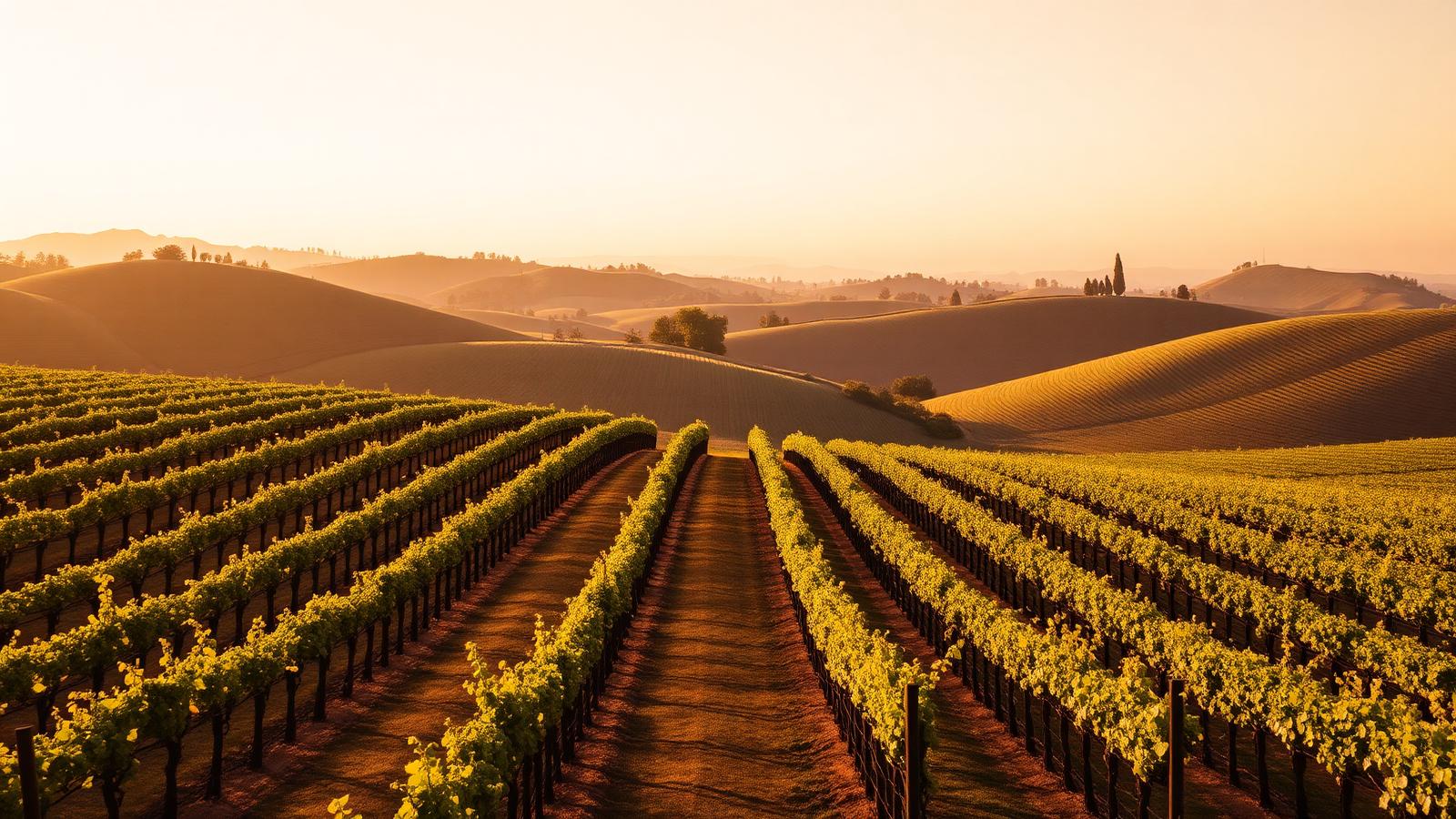
The heart of Burgenland's distinctiveness lies in its Pannonian climate, a warm, continental embrace tempered by the vast, shallow surface of its iconic lake. This expansive body of water acts as a natural climate regulator, moderating extremes and fostering the perfect conditions for , leading to some of the world's most exquisite sweet wines. The varied soils, from slate and limestone in the west to gravel and loam nearer the lake, provide a diverse canvas for the vines. This intricate interplay of sun, water, and earth imparts a character to the region's wines that is both deeply rooted and expressively nuanced.
Getting to know Burgenland
What Burgenland tastes like
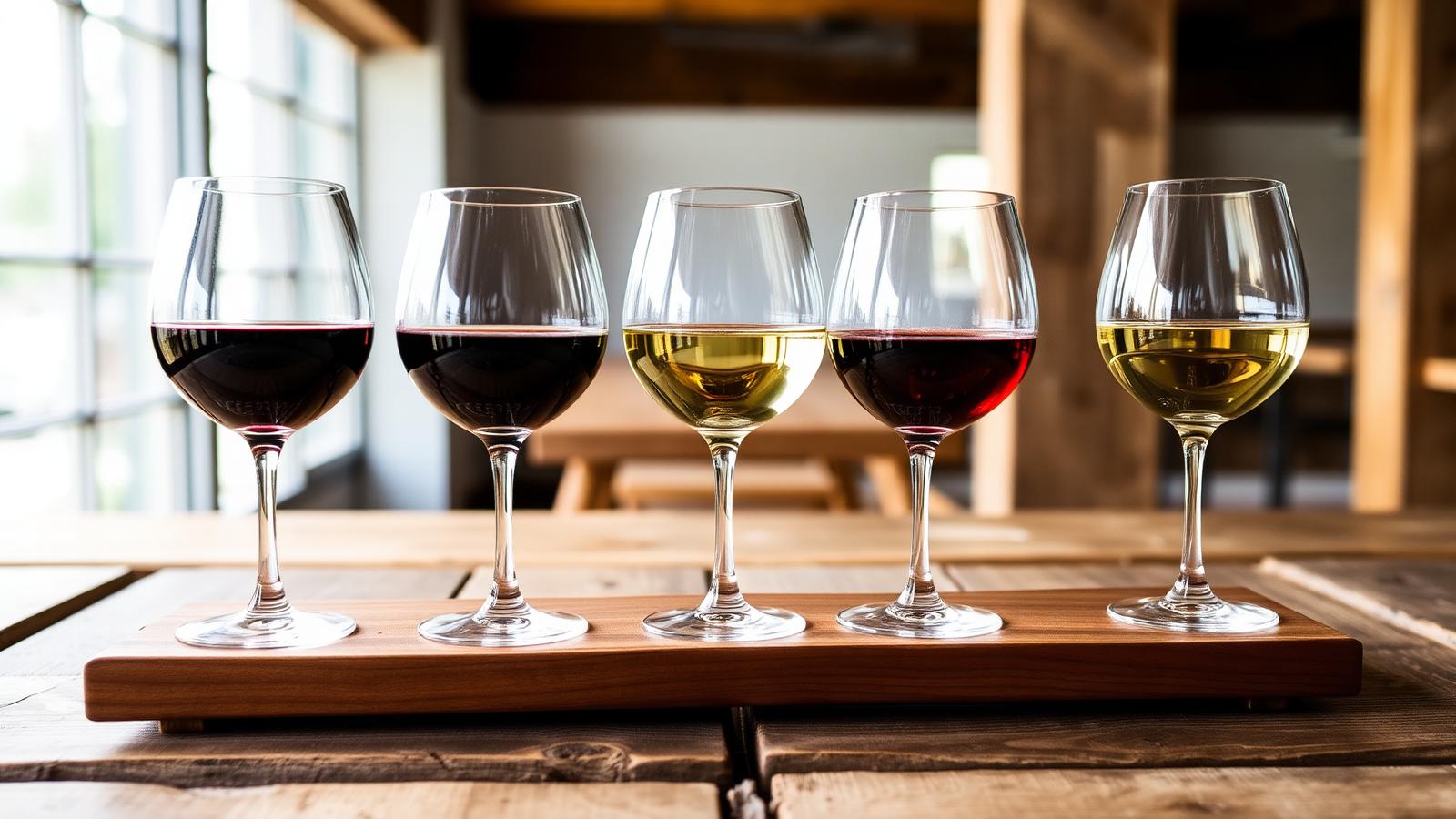
Wines from Burgenland tend to reflect the region's climate and terrain more than any single style. Look for a sense of place in the glass — mineral notes from stony soils, freshness where nights are cool, richer texture where the sun lingers longer. A short flight of local wines is the fastest way to feel the range.
Rhythms of the year
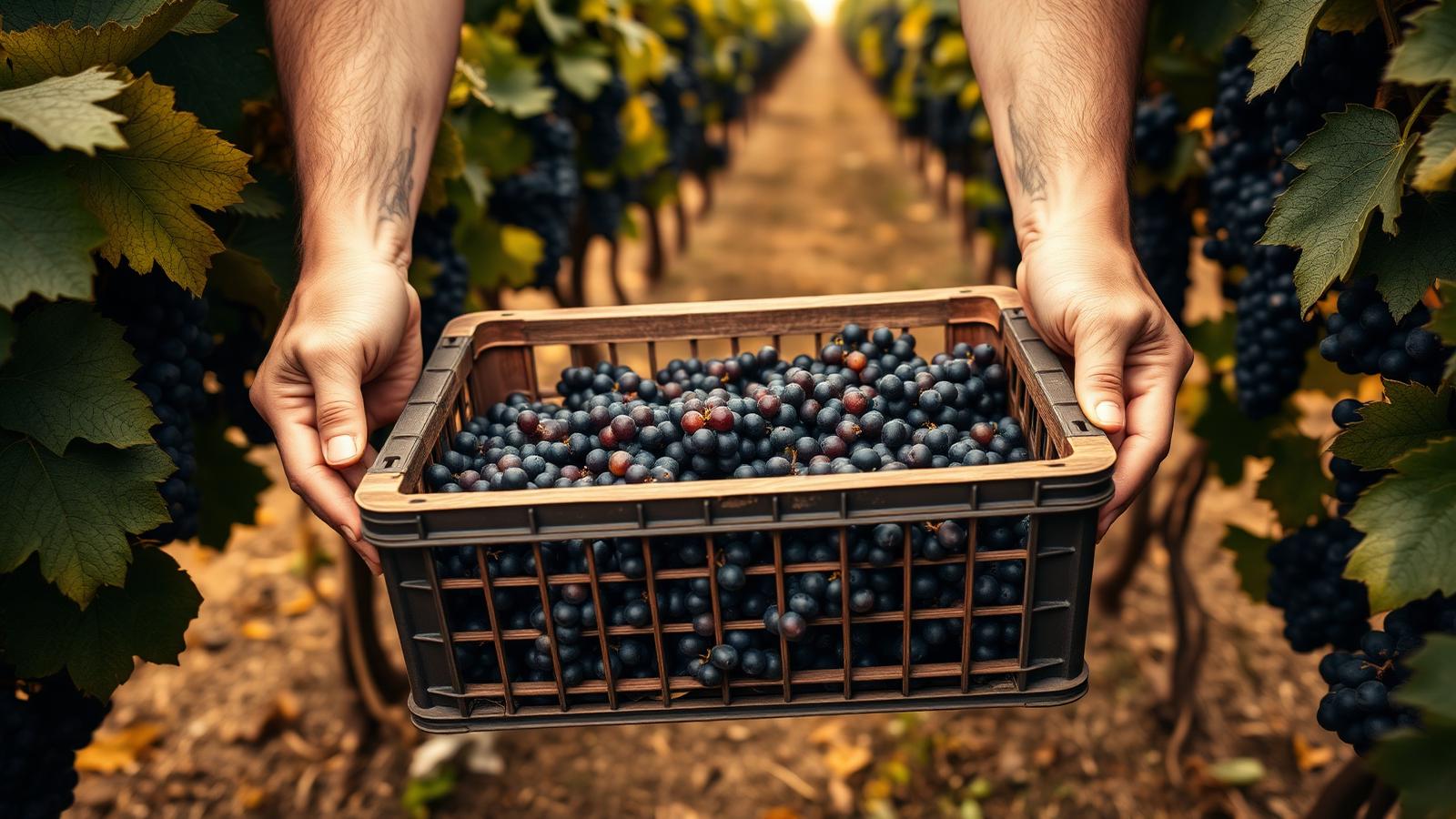
Burgenland moves with the seasons. Spring is quiet and green, summer brings long light and full terraces, harvest is intense and communal, and winter turns the vineyards into a stark, beautiful sculpture. Every season is a good reason to come — they just make very different trips.
Beyond the tasting room
Some of the most memorable moments in Burgenland happen away from the vines: a bakery in the next village over, a viewpoint at sunrise, a slow lunch that turns into a slow afternoon. Leave room in your itinerary for the things you can't plan.
Frequently asked questions
When is the best time of year to visit Burgenland for a wine experience?
The most enchanting times to visit Burgenland are late spring (May-June) and early autumn (September-October). In spring, the vineyards burst into vibrant green, and the air is fresh and mild, perfect for gentle exploration. Autumn brings the excitement of harvest, when the air hums with activity and the leaves turn to a breathtaking palette of golds and reds, offering a truly immersive experience of the wine cycle. The weather during these periods is generally pleasant, conducive to both vineyard walks and sampling the latest vintages.
What is the typical length of a good wine trip to Burgenland?
To truly appreciate Burgenland's diverse wine offerings and serene landscapes, we recommend a trip lasting at least 3 to 5 days. This allows ample time to explore the various sub-regions, delve into the unique red and sweet wine styles, enjoy some leisurely meals, and perhaps take a boat trip on the lake. A longer stay of a week would allow for a deeper immersion, with time to discover more hidden gems and less-traveled paths, fully embracing the unhurried local pace.
What are the common transport options for exploring the wine region?
For maximum flexibility and to access the more rural vineyards and villages, renting a car is highly recommended when visiting Burgenland. The roads are well-maintained, and driving allows you to set your own pace. Alternatively, many wineries are accessible by bicycle, as the region boasts an excellent network of cycling paths, especially around the lake. Public transport can be limited in some areas, so planning routes in advance is advisable if you choose not to drive. Consider local taxi services for evening tastings.
Are there opportunities for activities beyond wine tasting in Burgenland?
Absolutely. Burgenland offers a wealth of experiences beyond the . The vast, shallow lake is a paradise for birdwatching and water sports, with opportunities for sailing, windsurfing, or simply enjoying a peaceful stroll along its shores. The region is also crisscrossed with scenic cycling and hiking trails, winding through vineyards, nature parks, and charming villages. Historic castles and opulent palaces dot the landscape, offering a glimpse into the rich history of the area. Additionally, the local cuisine provides a delicious exploration of Pannonian flavors.