

Mittelburgenland Wine Guide
Wineries in Mittelburgenland
View all 45 wineries →The Soul of Blaufränkisch
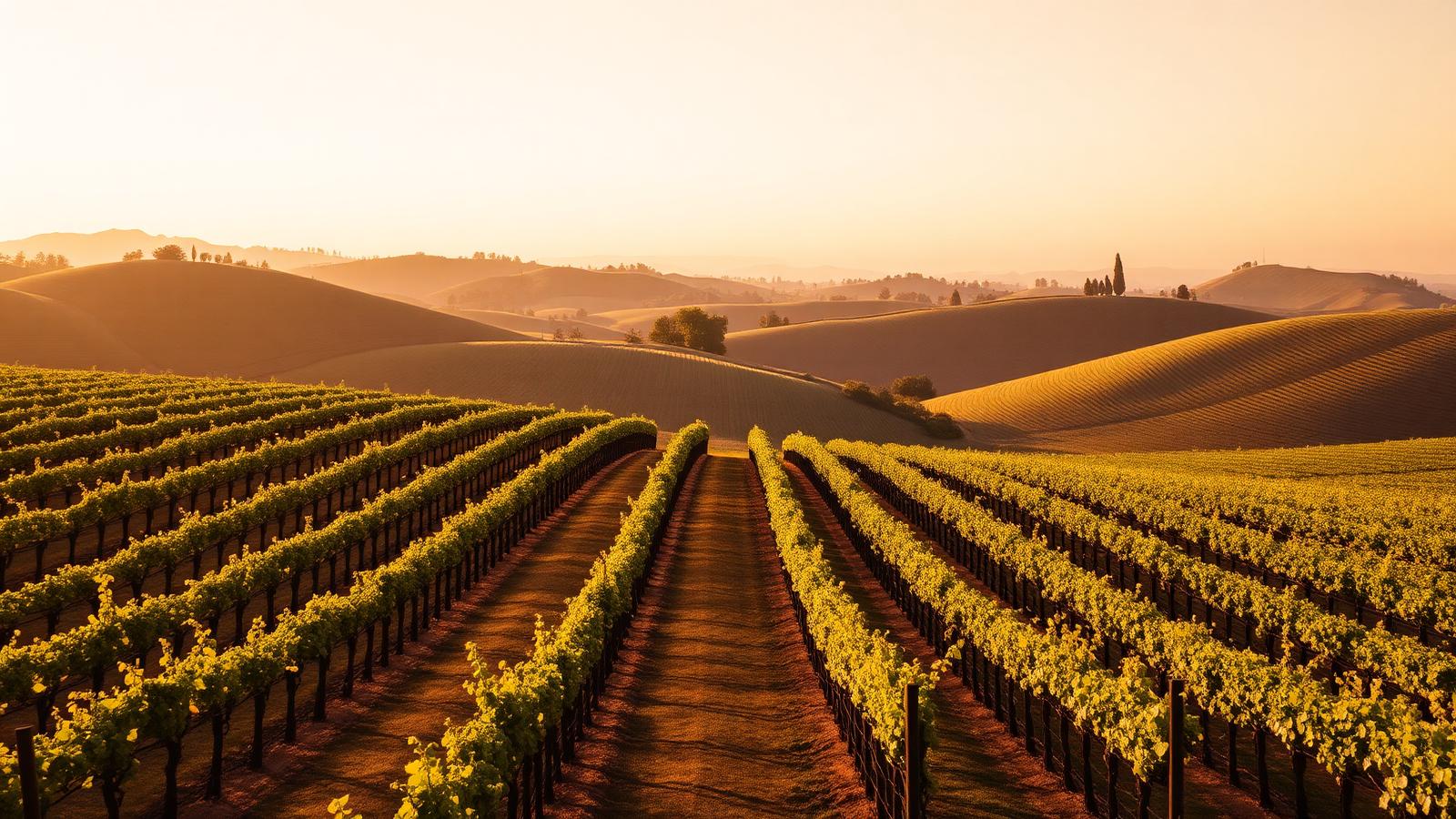
Mittelburgenland is often called the “Blaufränkischland” for good reason. Here, this noble grape finds its most eloquent expression, nurtured by the warm Pannonian climate and the region's unique heavy clay soils, rich in iron. These conditions impart a distinctive mineral complexity and a savory depth to the wines, alongside their characteristic dark fruit and peppery spice. The careful hands of local growers, many tending vines passed down through generations, ensure that each bottle reflects the true essence of this powerful, elegant grape, showcasing both intensity and vibrant acidity that promises longevity in the cellar.
Planning a visit to Mittelburgenland
Best time to visit Mittelburgenland
Late spring and early autumn are the choices — comfortable weather, generous light, and vineyards at their most photogenic. Summer is warmer and livelier, with long evenings and outdoor tables everywhere. Winter is peaceful, cellars are quiet, and there's a real intimacy to visits without the crowds.
Where to base yourself
The main village or town in Mittelburgenland is usually the easiest base — it puts you in walking distance of restaurants and daily life, with vineyards a short drive away. Staying in the countryside is quieter and more romantic, but you'll rely more on a car or a driver. Both are valid; pick the mood you want your trip to have.
Getting to Mittelburgenland
Most travellers reach Mittelburgenland by combining a flight into the nearest major city with a train, bus, or rental car for the last leg. Once you arrive, distances are usually short — many memorable days here involve less driving than you'd expect.
Making the most of a day in Mittelburgenland
A good day in Mittelburgenland tends to have a shape: a slow morning, a couple of unhurried tasting stops, a proper local lunch, and time in the late afternoon to walk, nap, or take in a view. Try not to over-plan — the best moments usually turn up between the ones you scheduled.
Frequently asked questions
What is the best time of year to visit Mittelburgenland for wine appreciation?
The harvest season in late September and October is truly magical, offering a chance to witness the winemaking process firsthand and enjoy the vibrant colors of autumn foliage. However, late spring and early summer (May to July) are also wonderful, with pleasant weather for exploring, blossoming vineyards, and fewer crowds. Even in winter, the quiet charm and opportunities for cozy wine tastings in candlelit cellars provide a unique, intimate experience, often complemented by hearty seasonal dishes.
Are there good walking or cycling opportunities in Mittelburgenland?
Absolutely. Mittelburgenland is a paradise for walkers and cyclists, with numerous well-marked trails weaving through vineyards, charming villages, and along the gentle hills. Many wine estates offer maps, and local tourist offices can provide excellent recommendations for routes suitable for all fitness levels. Cycling is particularly popular, allowing you to easily hop between small wine producers and enjoy the picturesque scenery at your own pace, often with convenient e-bike rentals available.
What kind of accommodation can I expect in Mittelburgenland?
Accommodation in Mittelburgenland tends to be warm, personal, and reflective of the region’s hospitality. You'll find charming guesthouses (often family-run), comfortable country inns, and even rooms or apartments directly on wine estates. These options provide a wonderful opportunity to connect with local culture and perhaps enjoy a homemade breakfast with regional specialties. While luxury resorts are rare, the offerings prioritize comfort, authenticity, and a welcoming atmosphere, often with stunning vineyard views.
Beyond wine, what local products or experiences should I seek out?
Beyond its celebrated , Mittelburgenland is known for its excellent local produce. Look for artisanal cheeses, regional cured meats, and fresh seasonal fruits and vegetables often available at local markets or direct from farms. The region also has a rich tradition of pottery and handicrafts, which make for unique souvenirs. Consider a visit to a local 'Buschenschank' – a seasonal tavern run by winemakers – for an authentic taste of homemade food and wine in a rustic setting, providing a truly immersive cultural experience.