

Eisenberg Wine Guide
The Iron Hills' Embrace
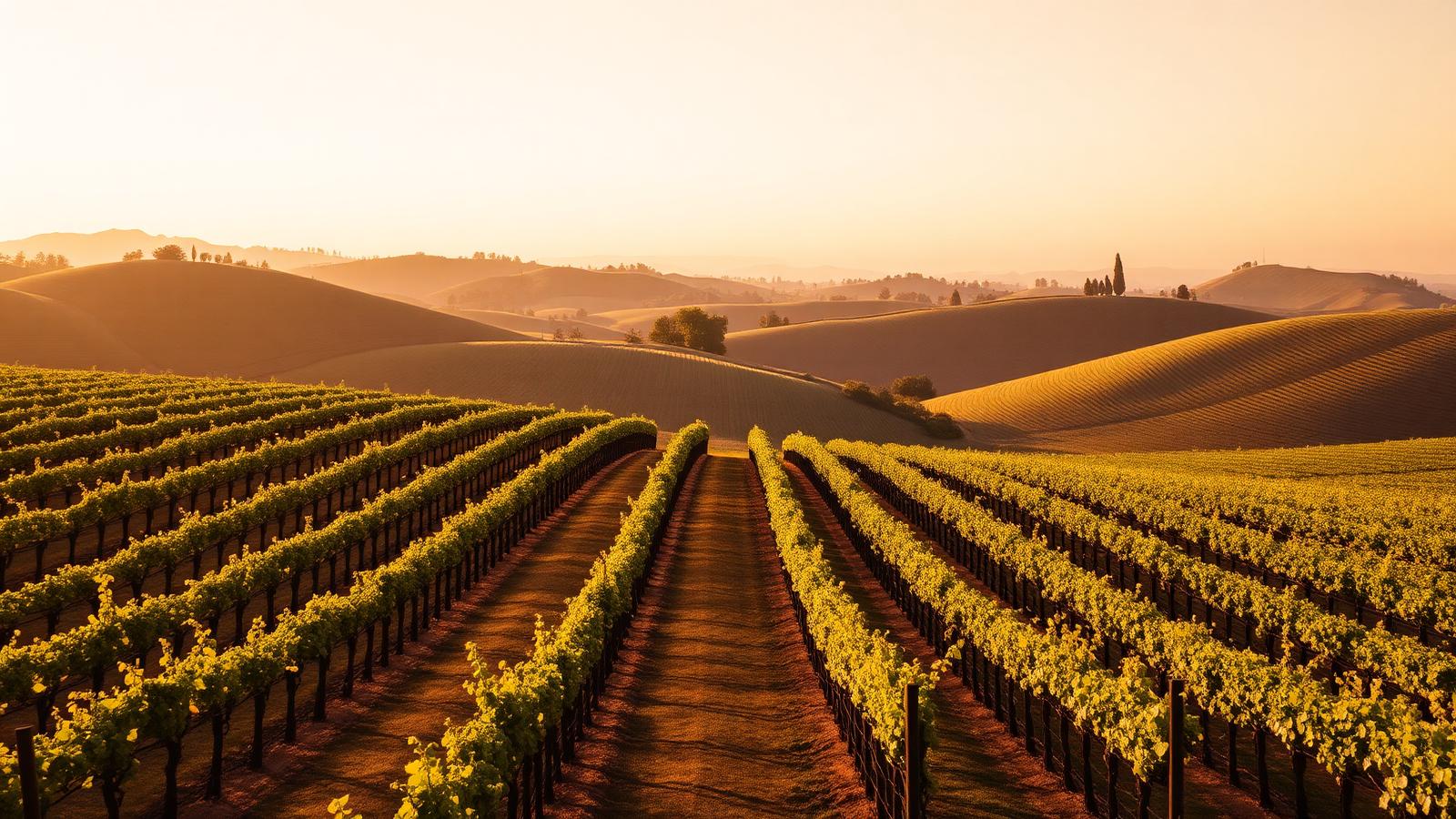
Eisenberg's compelling narrative is etched into its very earth. The region is defined by its distinctive, iron-rich loam soils, known locally as "Eisenhut," which lend a profound minerality and structure to the wines. This unique geological gift, combined with a particular microclimate — a harmonious blend of warm Pannonian influences and refreshing, cooler currents — creates ideal conditions for the region's star grape, . These factors converge to produce reds that are not merely robust but also elegantly poised, with a characteristic spicy core and a vivacious acidity that sings on the palate, perfectly reflecting the region's rugged beauty and unassuming charm.
Planning a visit to Eisenberg
Best time to visit Eisenberg
Late spring and early autumn are the choices — comfortable weather, generous light, and vineyards at their most photogenic. Summer is warmer and livelier, with long evenings and outdoor tables everywhere. Winter is peaceful, cellars are quiet, and there's a real intimacy to visits without the crowds.
Where to base yourself
The main village or town in Eisenberg is usually the easiest base — it puts you in walking distance of restaurants and daily life, with vineyards a short drive away. Staying in the countryside is quieter and more romantic, but you'll rely more on a car or a driver. Both are valid; pick the mood you want your trip to have.
Getting to Eisenberg
Most travellers reach Eisenberg by combining a flight into the nearest major city with a train, bus, or rental car for the last leg. Once you arrive, distances are usually short — many memorable days here involve less driving than you'd expect.
Making the most of a day in Eisenberg
A good day in Eisenberg tends to have a shape: a slow morning, a couple of unhurried tasting stops, a proper local lunch, and time in the late afternoon to walk, nap, or take in a view. Try not to over-plan — the best moments usually turn up between the ones you scheduled.
Frequently asked questions
What is the best way to experience the local wines and cuisine in Eisenberg?
To truly immerse yourself, seek out the "Buschenschank" — charming, temporary wine taverns often run by families, typically opening for specific periods throughout the year. They serve their own wines and simple, traditional cold platters and hearty warm dishes specific to the region. Look for signs of the green wreath or a bush outside, indicating an open establishment. Many local producers also offer tastings by appointment, providing a more intimate experience of their cellars and vineyards. Don't be afraid to ask for recommendations from locals, who are often eager to share their favorite spots.
What kind of clothing should I pack for a visit to Eisenberg?
Eisenberg's weather calls for layers, especially if you plan to explore the vineyards or enjoy outdoor activities. Summers are generally warm and sunny, but evenings can be cooler, so a light jacket or sweater is advisable. Spring and autumn bring pleasant temperatures, though rain showers are always a possibility, making a waterproof layer useful. Comfortable walking shoes are a must for traversing hilly vineyard paths and quaint village streets. Pack a hat and sunscreen during warmer months, as the Pannonian sun can be quite intense on the exposed hillsides.
Are there good walking or hiking opportunities in Eisenberg?
Absolutely. Eisenberg is crisscrossed with well-marked hiking and walking trails that lead through vineyards, forests, and charming villages. Many paths offer breathtaking panoramic views of the undulating landscape and beyond. The "Weinblickweg" is a popular choice, providing stunning vistas and opportunities to stop at various points of interest. Maps are often available at local tourist information centers or directly from accommodations. The pace is unhurried, allowing you to fully appreciate the region's natural beauty and the tranquility of the countryside. Remember to carry water, especially on warmer days.
What is the best time of year to visit Eisenberg?
Each season offers unique charms. Late spring (May/June) brings blossoming vineyards and pleasant temperatures, ideal for gentle walks and outdoor dining. Late summer and early autumn (late August to October) is harvest season, a vibrant and exciting time to visit, with bustling activity in the vineyards and the aroma of fermenting grapes in the air. The weather is generally still warm, and the landscape is painted in rich autumnal colors. While winter can be quiet, it offers serene, often snow-dusted, landscapes for a peaceful escape. Always check specific opening times for local establishments, as some may have seasonal closures.