

Niederösterreich Wineries & Wine Tours
Sub-regions
Signature Sips of the Land
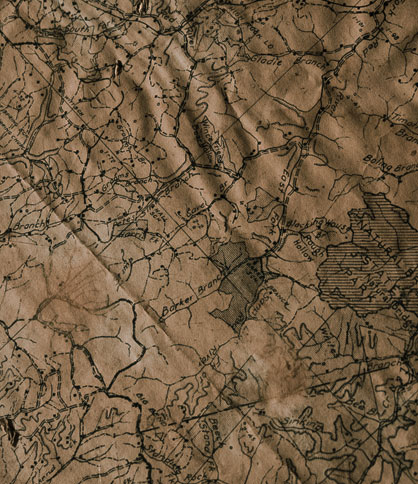
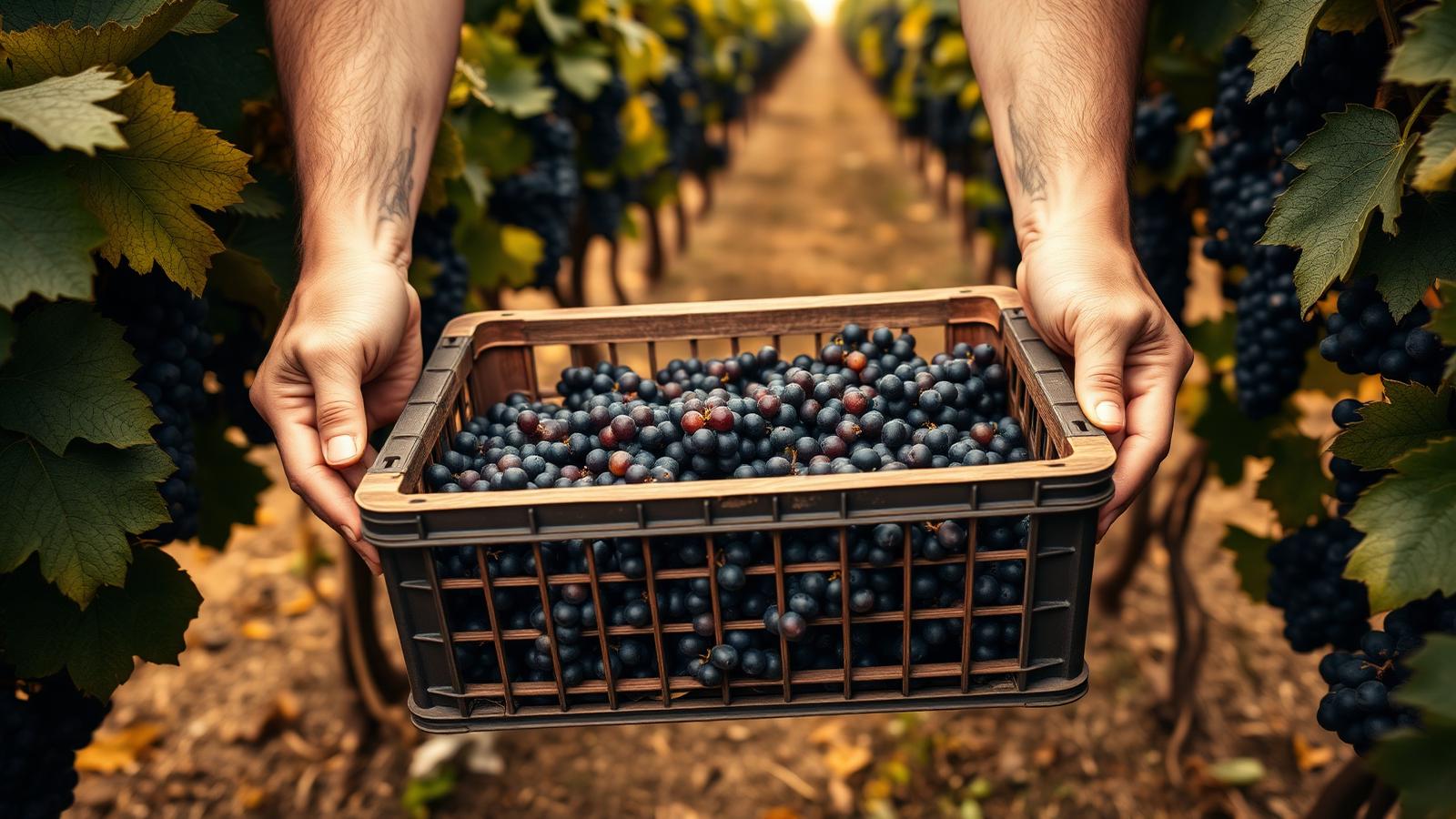
Niederösterreich is synonymous with , a grape that here reaches its pinnacle, producing wines ranging from zesty and fresh to opulent, age-worthy expressions with notes of white pepper, lentil, and stone fruit. Yet, the region's vinous identity extends further. thrives on the steepest terraces, yielding intensely aromatic and precise wines. For reds, the indigenous offers rich berry flavors and supple tannins, while馥 brings structure and a spicy, earthy character. Each sip is a direct conversation with the specific soil and sunshine of its origin.
Terroir's Rich Tapestry
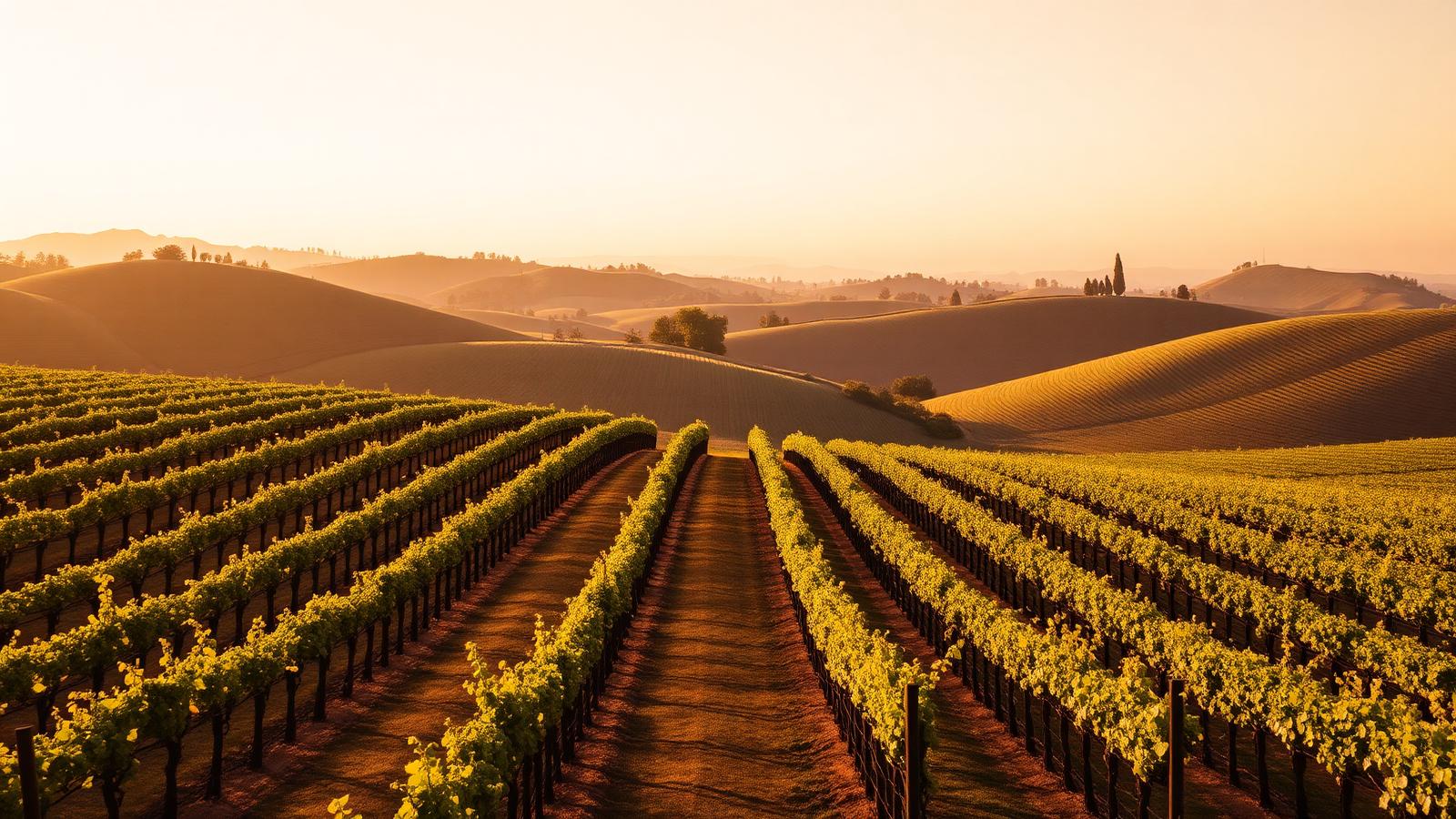
The diversity of Niederösterreich's is staggering, a geological marvel that gifts its wines unparalleled complexity. Along the Danube, ancient primary rock formations give birth to intensely mineral-driven wines, particularly in the famed Wachau, Kamptal, and Kremstal. Further east, the gentle undulations of the Weinviertel boast vast loess soils, ideal for cultivating vibrant, peppery . In Carnuntum, the warmth of the Pannonian plain, combined with gravelly soils, provides a nurturing environment for red grape varieties to flourish, offering richness and structure that speaks of sunshine and deep earth.
Rhythm of Life and Table
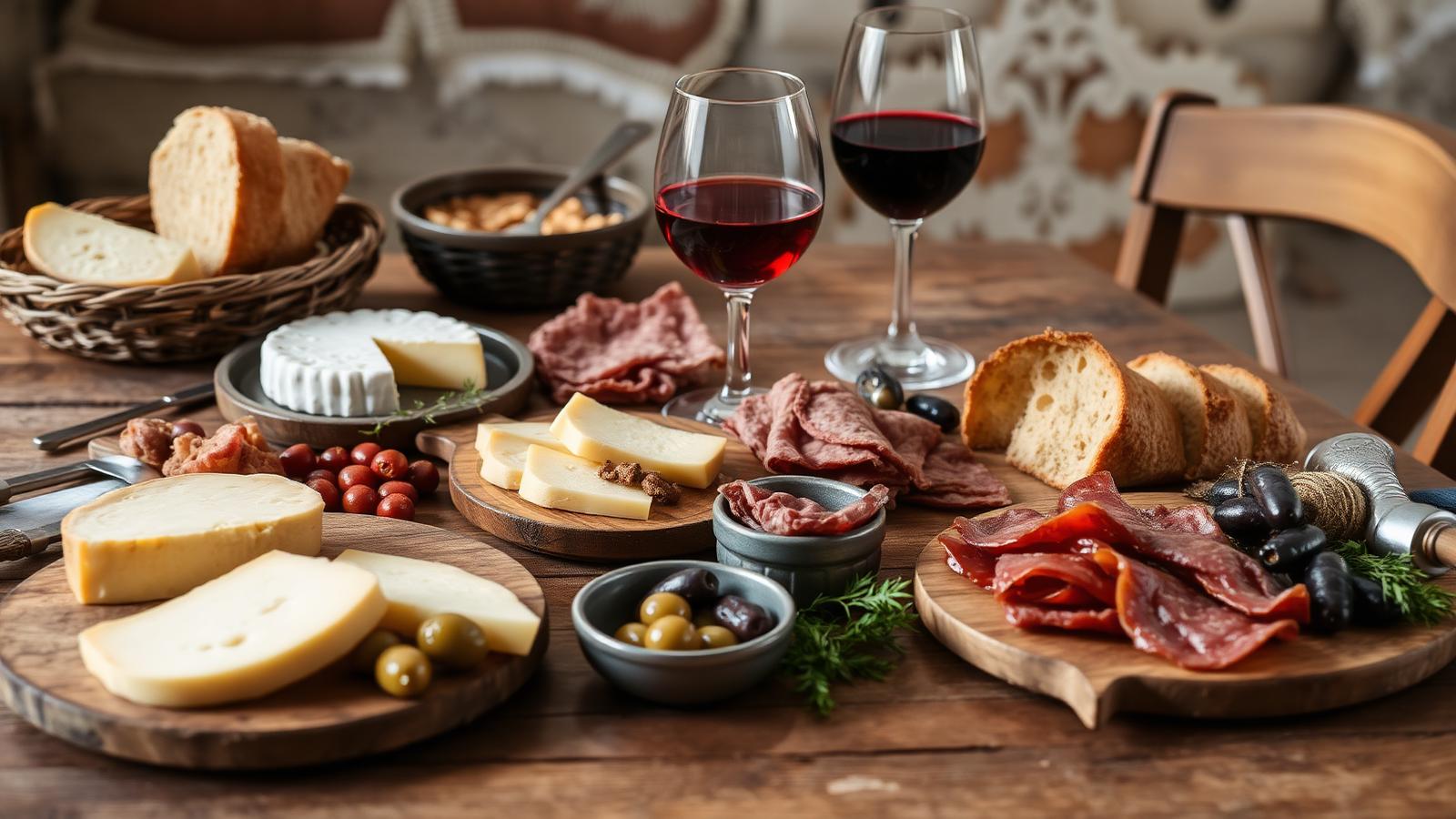
Life in Niederösterreich unfolds with an unhurried grace, deeply influenced by the agricultural rhythms. Long, leisurely lunches unfold in sun-dappled courtyards, where simple yet profoundly flavorful regional dishes are celebrated. Imagine hearty regional specialities like ‘Marillenknödel’ (apricot dumplings) or a robust ‘Schweinsbraten’ (roast pork) finding their perfect counterpoint in a crisp Veltliner or a fruity . The culinary traditions are as varied as the landscapes, reflecting the fertile soils and the local produce, creating an authentic and unforgettable gastronomic experience that perfectly complements the wines.
Getting to know Niederösterreich
What Niederösterreich tastes like
Wines from Niederösterreich tend to reflect the region's climate and terrain more than any single style. Look for a sense of place in the glass — mineral notes from stony soils, freshness where nights are cool, richer texture where the sun lingers longer. A short flight of local wines is the fastest way to feel the range.
Rhythms of the year
Niederösterreich moves with the seasons. Spring is quiet and green, summer brings long light and full terraces, harvest is intense and communal, and winter turns the vineyards into a stark, beautiful sculpture. Every season is a good reason to come — they just make very different trips.
Beyond the tasting room
Some of the most memorable moments in Niederösterreich happen away from the vines: a bakery in the next village over, a viewpoint at sunrise, a slow lunch that turns into a slow afternoon. Leave room in your itinerary for the things you can't plan.
Frequently asked questions
What is the best time of year to visit Niederösterreich for wine-related activities?
The ideal time to visit Niederösterreich for wine experiences is typically from spring (April-May) through autumn (September-October). Spring offers beautiful blossoms and milder weather for exploring the vineyards. Late summer into early autumn, particularly September and October, is harvest season, a vibrant time when the valleys are alive with activity, and many estates offer special tastings and festivals. The landscapes are also breathtakingly beautiful with changing foliage, making it a truly picturesque time to explore the region's diverse wine offerings and charming villages.
What are the primary grape varieties I can expect to encounter in Niederösterreich?
While exploring Niederösterreich, you will predominantly encounter , which is the region's most iconic and widely planted grape, manifesting in various styles from light and zesty to complex and age-worthy. is another significant white grape, thriving on the steep, rocky slopes and producing elegant, mineral-driven wines. For red wines, the indigenous offers bright cherry fruit and a soft texture, while provides more structure and a peppery, spicy profile. You might also find some and in blends or as lighter, aromatic whites.
How can I best explore the wine villages and vineyards of Niederösterreich without a car?
Exploring Niederösterreich’s wine regions without a car is quite feasible, especially along the Danube. Public transport, including regional trains and buses, connects many of the main towns. For instance, the Wachau valley is particularly well-suited for cycling, with dedicated paths meandering through vineyards and villages, often with bike rentals available at train stations. Some areas also offer seasonal wine shuttles or 'Heurigen Express' services that connect traditional wine taverns. Consider basing yourself in a larger town like Krems or Baden bei Wien, which offer good transport links and access to local tours.
What kind of local cuisine pairs well with Niederösterreich wines, and where can I find it?
Niederösterreich's cuisine is hearty and comforting, perfectly complementing its wines. Expect dishes like 'Wiener Schnitzel', 'Tafelspitz' (boiled beef), or local game in autumn. A must-try is 'Heurigen fare' – simple platters of cold cuts, cheeses, and spreads, served at traditional wine taverns. These 'Heurigen' are usually family-run establishments, often indicated by a green branch or bush outside, offering their own wines alongside homemade dishes. Look for seasonal specialties like asparagus in spring or apricot dumplings in summer, each a delightful partner to a crisp or a light .