

Kamptal Wine Guide
A Slow Day's Unfoldment
Imagine a day beginning with the golden light spilling over terraced vineyards, perhaps a quiet breakfast of local cheeses and artisan bread. The mornings are for gentle exploration, perhaps a walk through a charming village with its historic facades, or a quiet moment admiring the river's flow. Lunch might be a leisurely affair, savored outdoors, accompanied by a glass of local wine that perfectly complements the regional cuisine. The afternoon drifts into cellars, cool and hushed, revealing the fruits of generations of labor. As evening descends, the village comes alive with a soft glow, inviting visitors to linger over a delicious meal, reflecting on the day's unhurried discoveries.
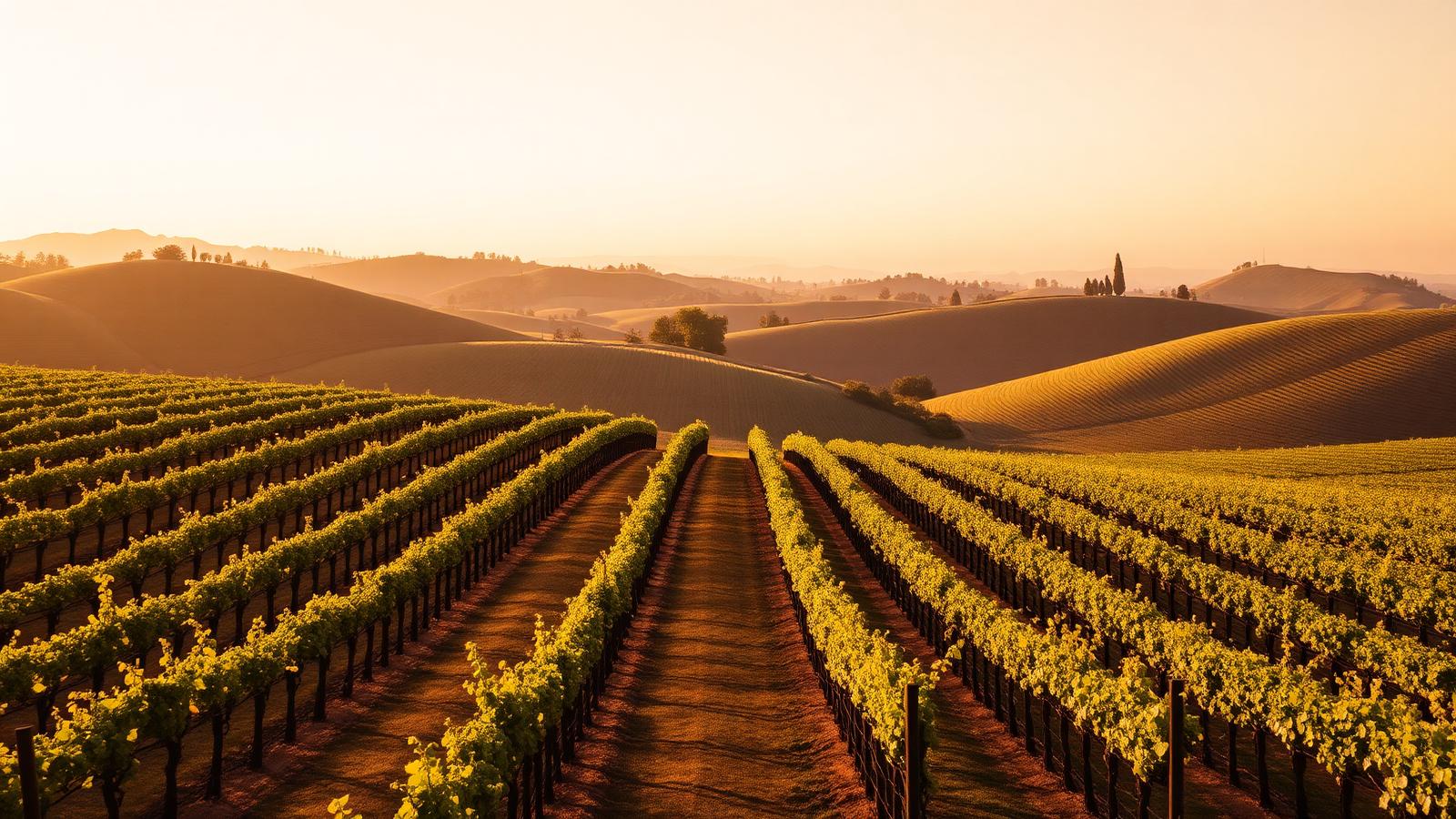
Grapes of Distinction
While Kamptal is renowned for its signature white grape – a that ranges from bright and zesty in its youth to complex and honeyed with age – it also cultivates another, equally compelling white with captivating aromas of ripe apple and sometimes a hint of exotic fruit. These two varietals thrive in the region's unique climate, achieving perfect phenolic ripeness while retaining a refreshing acidity. For those with a keen eye, patches of red varieties offer softer, fruit-driven expressions, adding another layer to the region's viticultural story. The focus remains on purity, balance, and the clear expression of the fruit and the soil.
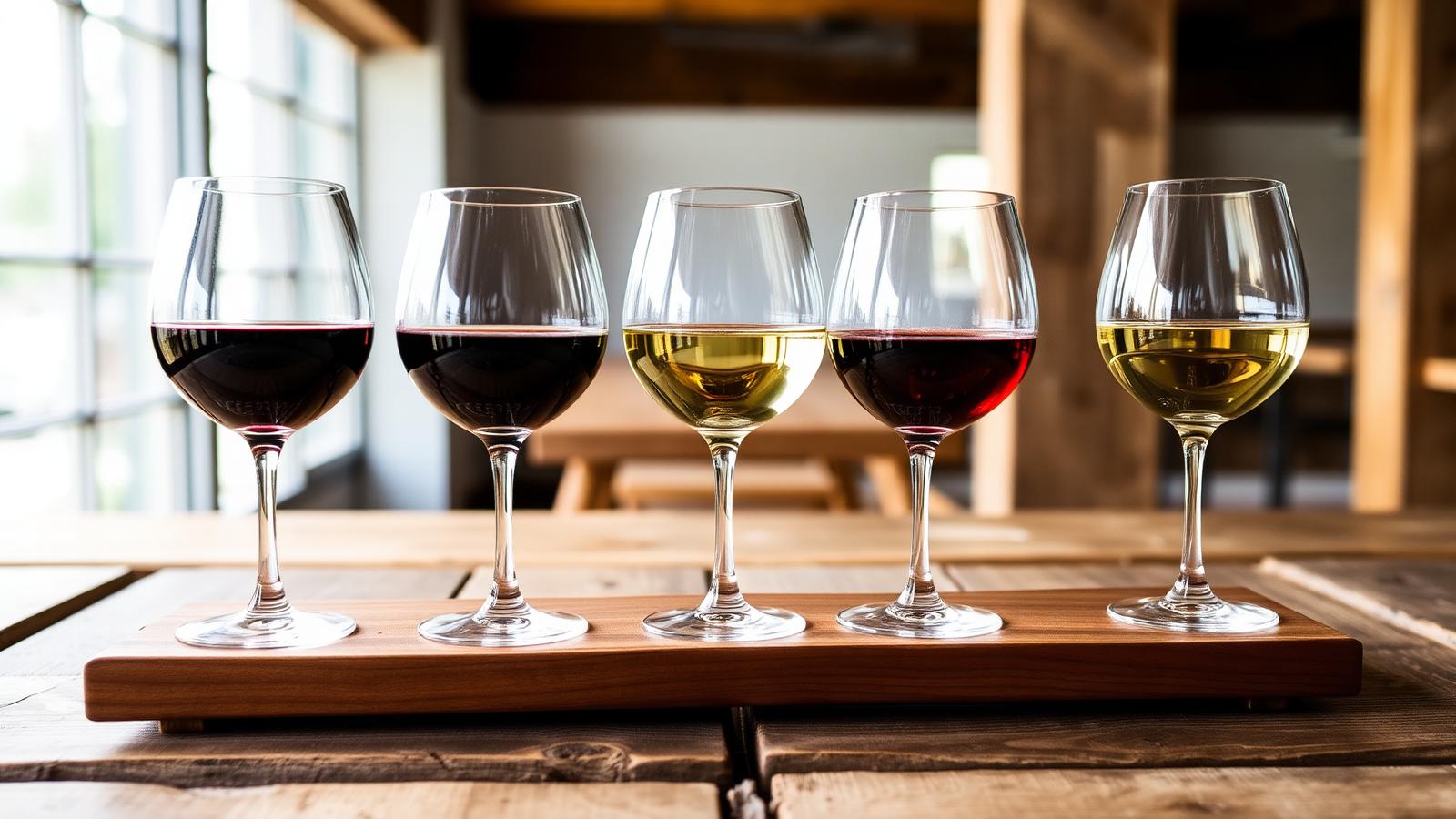
The Terroir's Embrace
The geological tapestry of Kamptal is its vibrant heart. Ancient Urgestein, often shimmering with mica, lends a taut minerality and a long, energetic finish to the wines, particularly those grown on the steeper, sun-drenched terraces. Down on the gentler slopes and valley floors, deep layers of loess impart a softer, more approachable texture and a perfumed aroma, hinting at orchard fruits and delicate spices. This interplay of cool bedrock and warm, rich earth sculpts the character of the dominant white grape: a symphony of site-specific expressions, from lean and peppery to full-bodied and profoundly elegant. Each glass reflects the very ground from which it sprang.
Planning a visit to Kamptal
Best time to visit Kamptal
Late spring and early autumn are the choices — comfortable weather, generous light, and vineyards at their most photogenic. Summer is warmer and livelier, with long evenings and outdoor tables everywhere. Winter is peaceful, cellars are quiet, and there's a real intimacy to visits without the crowds.
Where to base yourself
The main village or town in Kamptal is usually the easiest base — it puts you in walking distance of restaurants and daily life, with vineyards a short drive away. Staying in the countryside is quieter and more romantic, but you'll rely more on a car or a driver. Both are valid; pick the mood you want your trip to have.
Getting to Kamptal
Most travellers reach Kamptal by combining a flight into the nearest major city with a train, bus, or rental car for the last leg. Once you arrive, distances are usually short — many memorable days here involve less driving than you'd expect.
Making the most of a day in Kamptal
A good day in Kamptal tends to have a shape: a slow morning, a couple of unhurried tasting stops, a proper local lunch, and time in the late afternoon to walk, nap, or take in a view. Try not to over-plan — the best moments usually turn up between the ones you scheduled.
Frequently asked questions
What is the best way to travel around the Kamptal region without a car?
Exploring the Kamptal without a car is certainly possible and can be quite charming. The region has a good network of local buses connecting the main villages, though schedules might be less frequent on weekends. Cycling is also a popular and scenic option, with well-marked vineyard paths and riverside routes. Many guesthouses offer bicycle rentals, and the flat sections along the Kamp River are particularly suitable for leisurely rides. For visiting specific producers, taxis can be pre-arranged, or consider joining a guided tour that includes transportation, allowing you to fully relax and enjoy the tastings.
When is the ideal time of year to visit, especially for wine enthusiasts?
For wine enthusiasts, the spring and autumn months offer distinct and rewarding experiences. Late April and May bring the vibrant green of newly budding vines, pleasant temperatures, and often fewer crowds, perfect for cycling and gentle exploration. However, early to mid-September, during the harvest, is truly magical. The vineyards are bustling with activity, the air is fragrant with ripe grapes, and many producers offer special events. Late autumn also offers beautiful foliage and cozy evenings, though some smaller establishments might begin to close for the off-season, so always check in advance.
What local culinary specialties should I seek out in Kamptal?
Kamptal's culinary scene perfectly complements its wines. You'll find a delightful array of traditional Austrian fare, often with a regional twist. Look for dishes like Wiener Schnitzel or Tafelspitz, prepared with local precision. Seasonal produce is key: asparagus in spring from nearby fields is a star, often served simply with butter and potatoes. Heartier autumn dishes might feature local game. And, of course, don't miss out on the sweet temptations like Marillenknödel (apricot dumplings, especially if you visit in summer when apricots are ripe) or various strudels – perfect accompaniments to a leisurely afternoon coffee.
Are there opportunities to learn about winemaking or participate in tastings outside of formal tours?
Absolutely. Many individual producers in Kamptal welcome visitors for tastings, often directly at their cellars. Look for signs indicating 'Ab Hof Verkauf' (direct sales from the farm) or 'Weinverkostung' (). It's always a good idea to call ahead to arrange an appointment, especially with smaller, family-run estates, to ensure someone is available to guide you. Some larger establishments may have set hours. This offers a more intimate and personal experience than a formal tour, allowing you to connect directly with the people who craft these remarkable wines.