

Kremstal Wine Guide
Villages & Culinary Delights
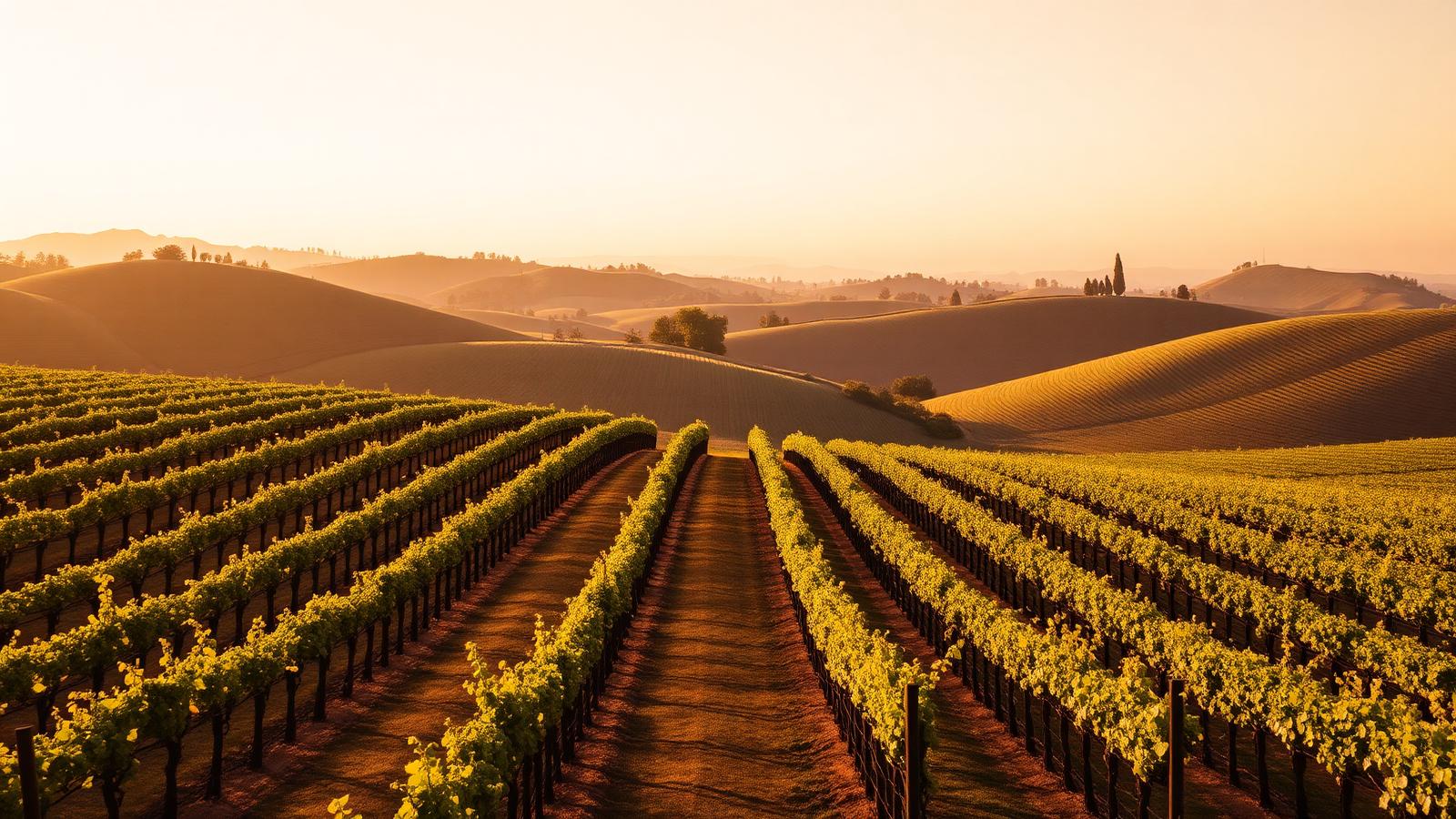
The picturesque villages of Kremstal, nestled gracefully amidst the vineyards, are much more than just hamlets; they are living extensions of the winemaking tradition. Their cobblestone streets and vine-covered courtyards invite leisurely strolls. The local cuisine reflects the bounty of the land and river: delicate Danube fish, succulent apricot dishes, and hearty, seasonal fare tailored to complement the region's wines. Dining here is an intimate affair, often in establishments where recipes have been passed down through generations, each dish a testament to the region's deep-rooted culinary heritage and its natural connection to the surrounding landscape, providing a true taste of Austrian Gemütlichkeit.
Signature Styles & Slow Sips
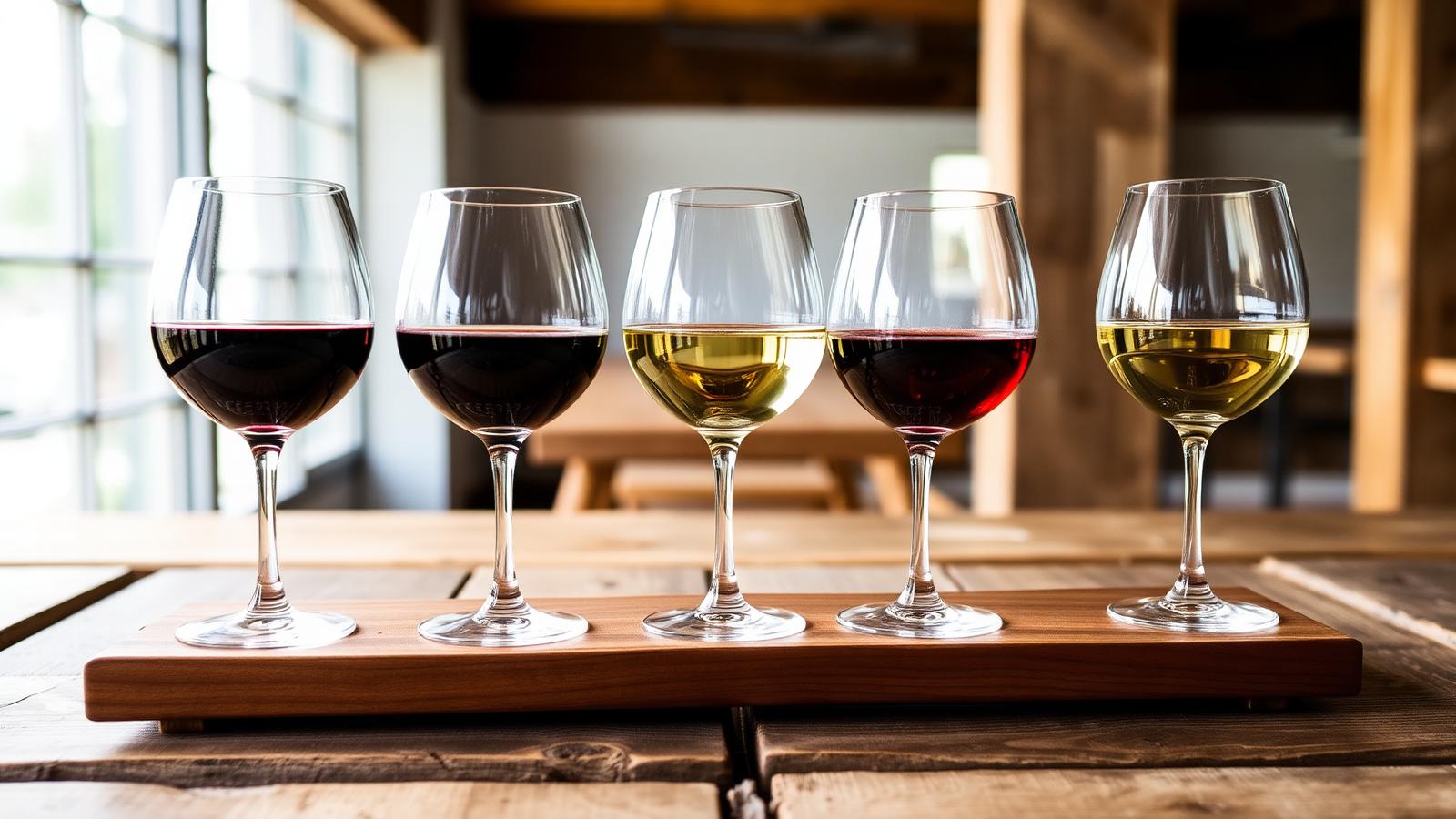
Among the rolling vineyards, two grape varieties reign supreme: and . Kremstal Grüner Veltliner, with its characteristic notes of white pepper, crisp apple, and sometimes a hint of exotic fruit, exemplifies the region's vibrant spirit. The Rieslings, often expressive of stone fruit and a pronounced mineral backbone, mature beautifully, evolving into wines of profound depth. A day here unfolds unhurriedly, perhaps sipping one of these elegant wines at a simple, family-run Heuriger, paired with a traditional spread of local cheeses, cured meats, and fresh bread, shared under the shade of an old tree as the afternoon light turns golden over the vines.
The Terroir's Embrace
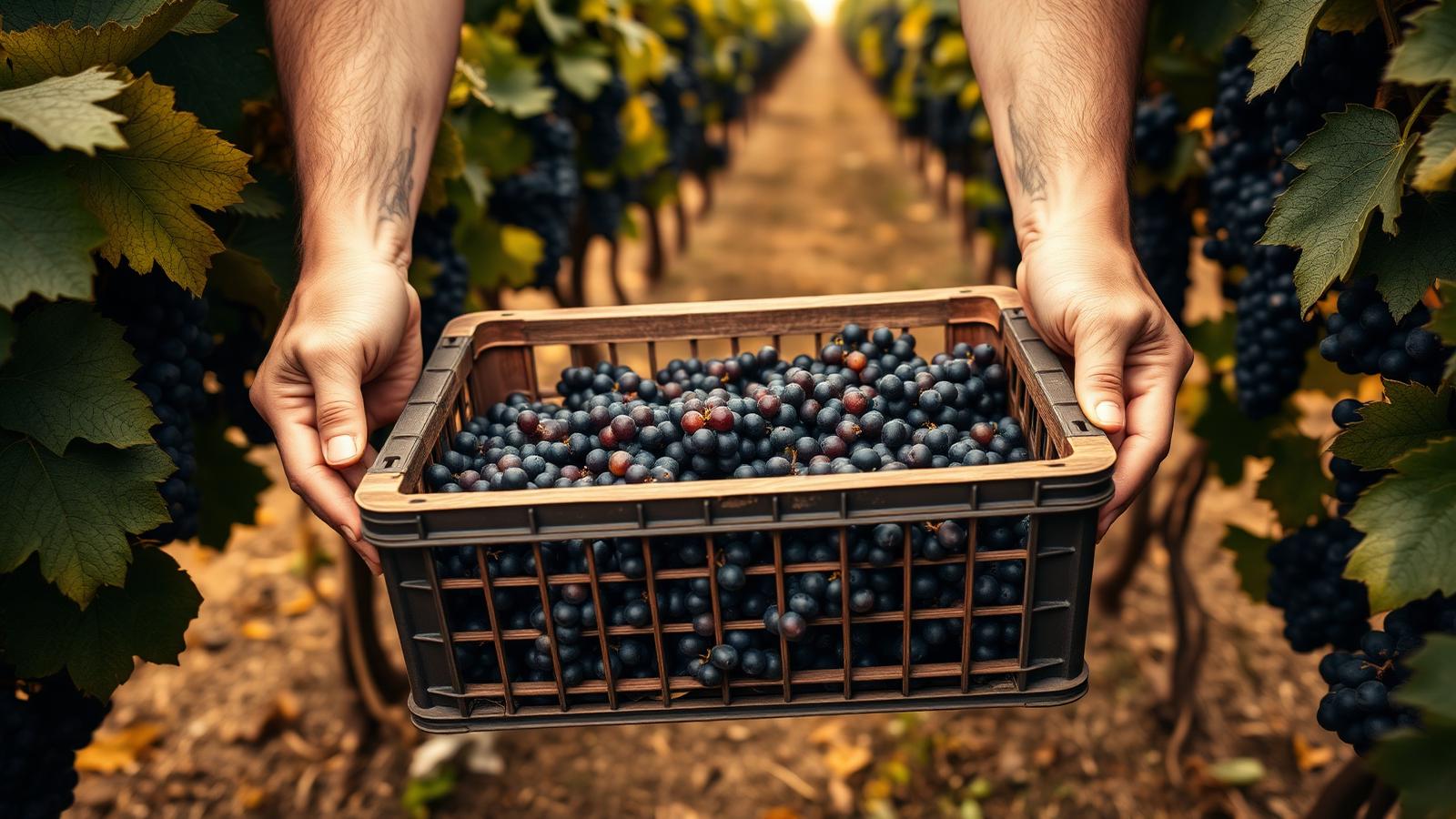
Kremstal's unique character stems directly from its profound connection to its soils and climate. The vines here draw life from a fascinating duality: the ancient, crystalline bedrock known as Urgestein, which imparts a mineral precision to the wines, and deep, wind-blown loess, offering a softer, fruitier expression. This geological tapestry, combined with the cooling influence of the Danube and winds from the north, fosters a long, gentle ripening period. The dramatic day-night temperature swings preserve acidity and develop complex aromatics, resulting in wines of remarkable structure and intensity, a true reflection of their origins.
Planning a visit to Kremstal
Best time to visit Kremstal
Late spring and early autumn are the choices — comfortable weather, generous light, and vineyards at their most photogenic. Summer is warmer and livelier, with long evenings and outdoor tables everywhere. Winter is peaceful, cellars are quiet, and there's a real intimacy to visits without the crowds.
Where to base yourself
The main village or town in Kremstal is usually the easiest base — it puts you in walking distance of restaurants and daily life, with vineyards a short drive away. Staying in the countryside is quieter and more romantic, but you'll rely more on a car or a driver. Both are valid; pick the mood you want your trip to have.
Getting to Kremstal
Most travellers reach Kremstal by combining a flight into the nearest major city with a train, bus, or rental car for the last leg. Once you arrive, distances are usually short — many memorable days here involve less driving than you'd expect.
Making the most of a day in Kremstal
A good day in Kremstal tends to have a shape: a slow morning, a couple of unhurried tasting stops, a proper local lunch, and time in the late afternoon to walk, nap, or take in a view. Try not to over-plan — the best moments usually turn up between the ones you scheduled.
Frequently asked questions
What is the best way to experience the wine culture and enjoy tastings in Kremstal?
To truly immerse yourself, seek out the various local establishments known as Heurigen or Buschenschanken. These are traditional wine taverns, often run by winemaking families, where they serve their own wines alongside simple, homemade foods. Many are open seasonally, so checking local schedules for their opening days is a good idea. Visiting during their open hours offers an authentic, unhurried tasting experience directly from the producers. Also, look for signs indicating 'Weinverkostung' () at individual wineries, many of which welcome visitors for a more formal cellar experience by appointment.
Are there good walking or cycling paths to explore the vineyards and the Danube in Kremstal?
Absolutely! Kremstal is wonderfully suited for both walking and cycling, offering breathtaking panoramas. Well-marked hiking trails crisscross the vineyards, leading to stunning viewpoints and through charming villages. The Danube Cycle Path, a famous European route, also passes directly through the region, providing a flat and scenic option for cyclists who want to follow the river. Many local villages offer bicycle rentals, and maps detailing various routes are usually available at local tourist information centers, making it easy to plan a day of active exploration amidst the beautiful landscape.
What kind of local food specialties should I look to try while visiting Kremstal?
Beyond the exquisite wines, Kremstal offers a delightful array of culinary specialties that reflect the region’s bounty. Be sure to try dishes featuring the local apricots, especially during harvest season, from jams and strudels to fresh fruit. Freshly caught Danube fish, often prepared simply to highlight its delicate flavor, is a regional highlight. Additionally, sample local cheeses, cured meats, and various traditional pastries. Many Heurigen will offer a robust platter of these regional delights, providing a perfect complement to the local wines and a true taste of Austrian tradition.
What is the most pleasant time of year to visit Kremstal to avoid crowds and enjoy the full experience?
For an ideal balance of pleasant weather, fewer crowds, and vibrant vineyard activity, consider visiting Kremstal in late spring (May to early June) or early autumn (late September to mid-October). In spring, the vineyards are bursting with fresh greenery and blossoms, and the days are comfortably warm. In autumn, the foliage turns brilliant shades of gold and crimson, and you can often witness the excitement of the grape harvest. Both seasons offer excellent opportunities for walking and cycling, and most Heurigen and wineries are welcoming guests during these periods, allowing for a relaxed and immersive experience.