

Carnuntum Wine Guide
Wineries in Carnuntum
View all 53 wineries →A Slow Day in Carnuntum
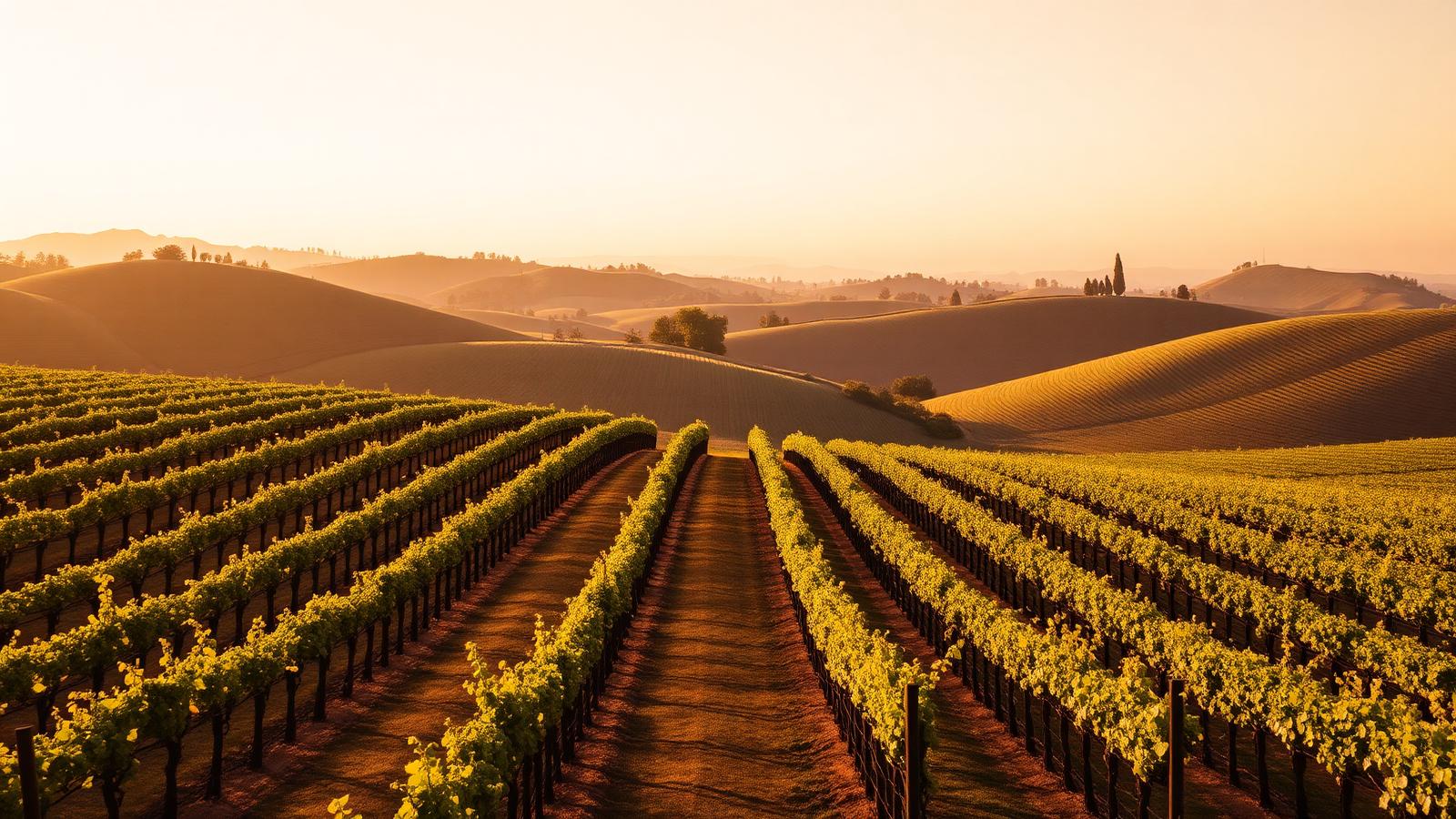
A day here unfolds with an unhurried grace. Begin with the dawn light painting the vineyards in hues of gold as a gentle mist lifts from the distant Danube. Wander through a quaint village, captivated by the Baroque charm of its church and the quiet dignity of its ancient homes. Pause for a tasting in a family-run cellar, where generations of winemaking wisdom are shared with humble pride. Later, a leisurely lunch under an arbour, savouring regional delicacies alongside a glass of local wine, lingers into the afternoon. As evening draws in, the soft glow of sunset over the slopes invites quiet reflection, a perfect end to a day steeped in natural beauty and viticultural heritage.
Grapes, Glass, and Gastronomy
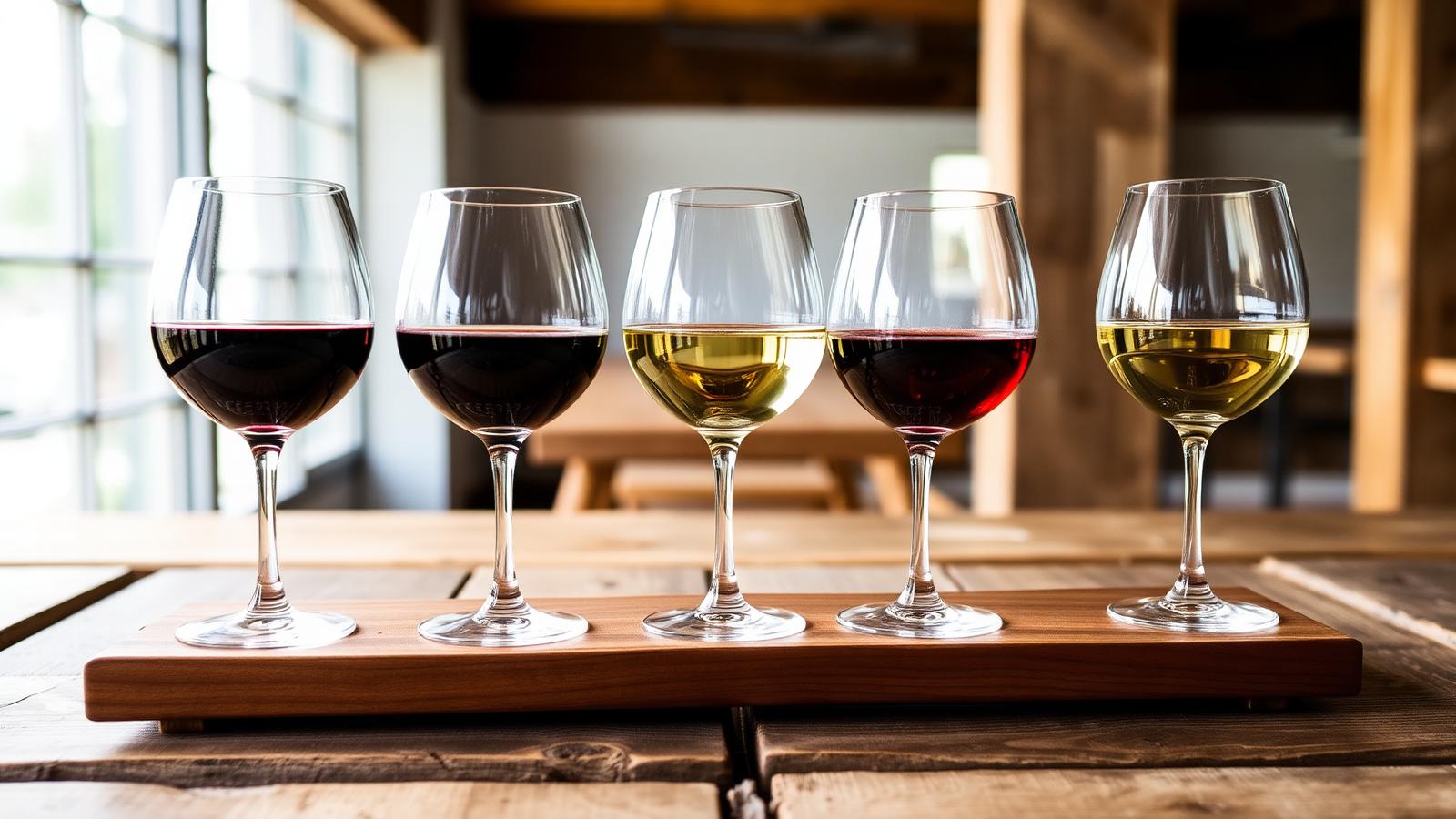
While holds court in many Austrian regions, Carnuntum distinguishes itself through its robust reds. , with its peppery spice and dark fruit, finds a profound expression here, often structured and age-worthy. , a more approachable and fruit-forward grape, also thrives, offering juicy, vibrant wines. These reds pair exquisitely with the region's culinary heritage. Imagine a crisp Wiener Schnitzel, a hearty goulash, or rich roasted game, all finding their perfect accompaniment in these locally grown wines. Meals here are not rushed; they are celebrations of local produce and warm hospitality, often enjoyed in rustic, convivial settings.
The Terroir's Embrace
Carnuntum’s distinct character springs from its unique embrace of geological and climatic forces. The Pannonian plain, extending its warm breath from the east, ensures generous sunlit days for the ripening grapes, while the nearby Danube moderates temperatures, bringing a refreshing coolness. Beneath the surface, the soils tell their own tale: a complex blend of loess, ideal for the aromatic whites, and the renowned 'red gravel' (Leitha limestone conglomerate) on slopes like the Spitzerberg, imparting a mineral depth and structure, particularly to the region's signature red varieties. This intricate dialogue between sun, river, and earth sculpts wines with both intensity and elegance.
Planning a visit to Carnuntum
Best time to visit Carnuntum
Late spring and early autumn are the choices — comfortable weather, generous light, and vineyards at their most photogenic. Summer is warmer and livelier, with long evenings and outdoor tables everywhere. Winter is peaceful, cellars are quiet, and there's a real intimacy to visits without the crowds.
Where to base yourself
The main village or town in Carnuntum is usually the easiest base — it puts you in walking distance of restaurants and daily life, with vineyards a short drive away. Staying in the countryside is quieter and more romantic, but you'll rely more on a car or a driver. Both are valid; pick the mood you want your trip to have.
Getting to Carnuntum
Most travellers reach Carnuntum by combining a flight into the nearest major city with a train, bus, or rental car for the last leg. Once you arrive, distances are usually short — many memorable days here involve less driving than you'd expect.
Making the most of a day in Carnuntum
A good day in Carnuntum tends to have a shape: a slow morning, a couple of unhurried tasting stops, a proper local lunch, and time in the late afternoon to walk, nap, or take in a view. Try not to over-plan — the best moments usually turn up between the ones you scheduled.
Frequently asked questions
What is the best way to explore the Carnuntum wine region?
Carnuntum is best explored at a relaxed pace, allowing for spontaneous discoveries. Driving is convenient for reaching the various villages and wineries, but consider renting a bicycle for a day or two to navigate the charming wine roads and paths that wind through the vineyards. Many family-run estates are happy to welcome visitors for tastings, often by appointment, offering a more intimate experience. For a deeper understanding, look for small, independent guided tours that focus on the region's specific history and , often incorporating a cooking class or a leisurely lunch with a Winemaker.
What kind of local cuisine should I expect in Carnuntum?
The cuisine of Carnuntum is hearty, comforting, and deeply rooted in Austrian and Pannonian traditions. Expect dishes featuring high-quality local meats like pork and beef, often prepared in rich stews, roasts, or classics like Wiener Schnitzel. Danube fish is also a regional specialty. Vegetables and herbs from local gardens feature prominently. Don't miss traditional pastries and desserts, often served with rich coffee. Many wineries (Heuriger) offer simple, delicious cold platters (Brettljause) of cured meats, cheeses, and spreads, perfect companions to a glass of wine.
When is the ideal time of year to visit Carnuntum for wine lovers?
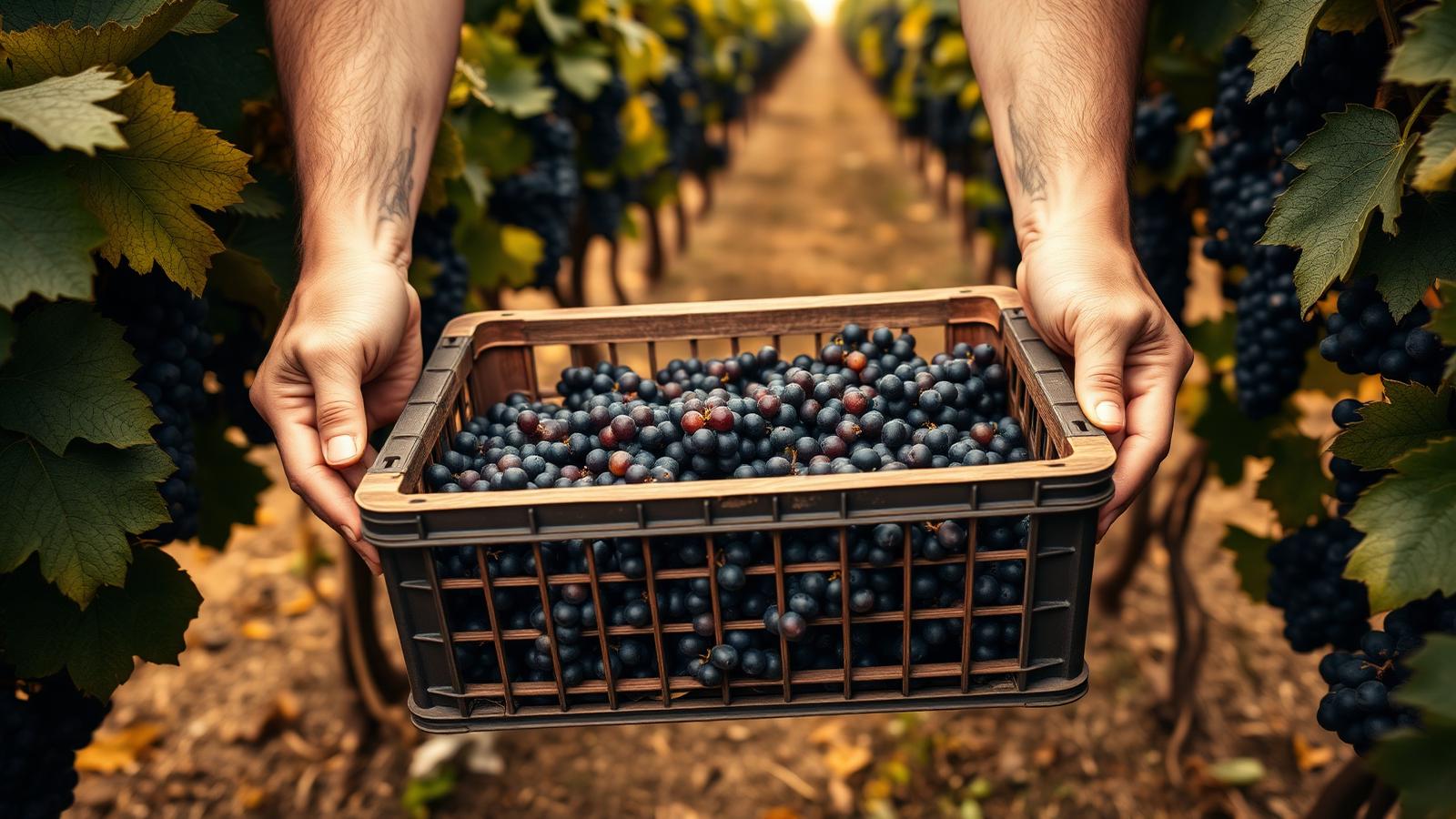
For wine lovers, the late spring (May-June) or early autumn (September-October) offer the most rewarding experiences. In spring, the vineyards burst with fresh green growth, and the weather is generally pleasant for exploration. Autumn brings the excitement of harvest season, with bustling activity in the fields and cellars, and the opportunity to taste "Sturm" (partially fermented grape must). Both seasons offer beautiful landscapes and comfortable temperatures for outdoor activities, though September and October can be particularly picturesque with the changing colours of the foliage.
Are there any non-wine related attractions to complement a visit?
Absolutely! Carnuntum boasts a rich history that extends far beyond its vineyards. The Petronell-Carnuntum Archaeological Park is a remarkable Roman city reconstruction, offering a fascinating glimpse into life on the ancient Roman frontier. The Museum Carnuntinum provides further insights into the region's Roman past. Schloss Hof, a magnificent Baroque country residence, offers stunning architecture, expansive gardens, and seasonal events. Additionally, the region is dotted with charming castles, ancient churches, and picturesque walking and cycling trails along the Danube, providing a wonderful balance to the wine experiences.