

Wachau Wine Guide
Terraced Vistas & Stony Souls
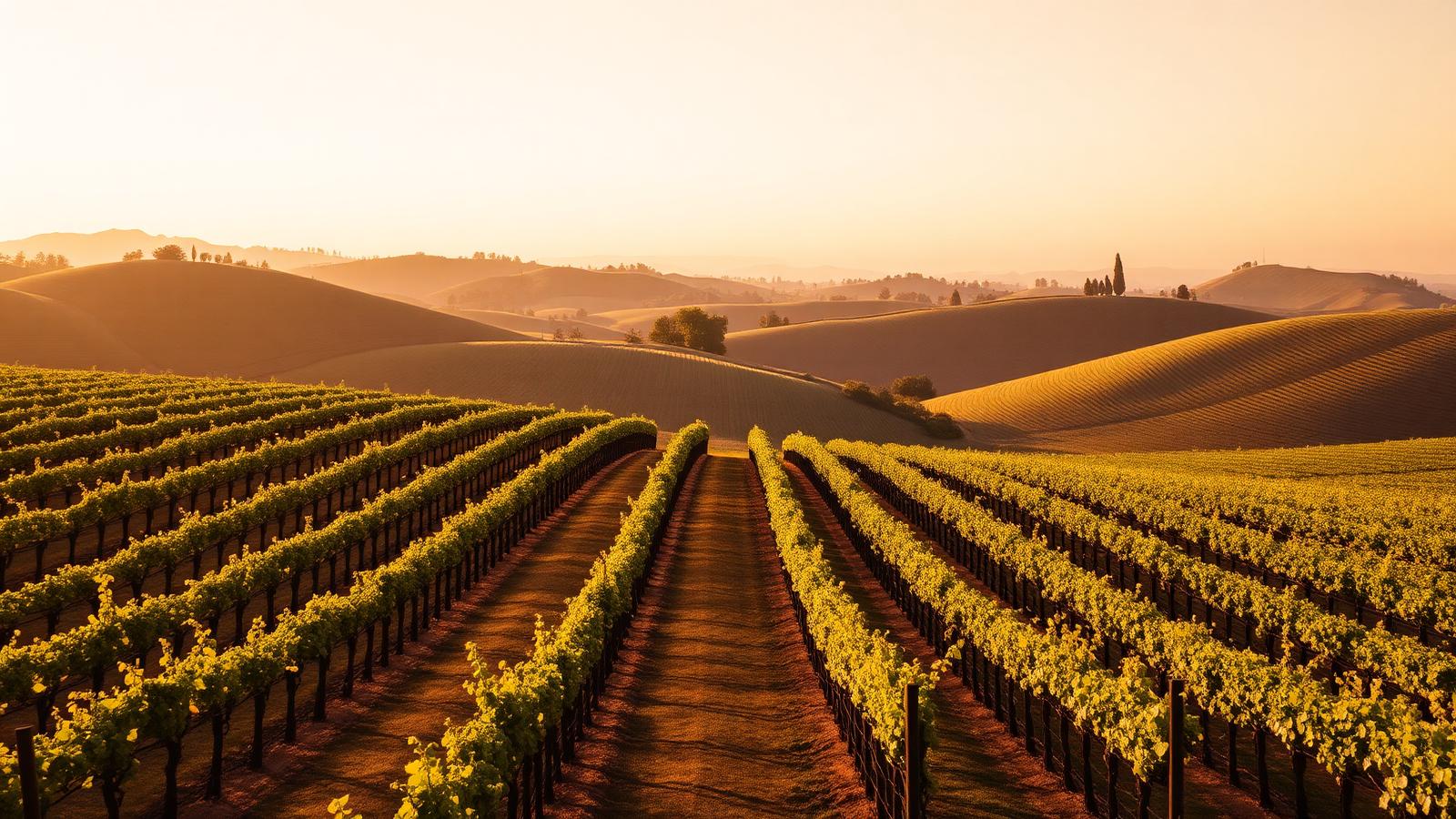
The dramatic terraced vineyards of the Wachau are its most recognizable feature, a UNESCO World Heritage cultural landscape. These ancient, hand-built walls, some dating back a thousand years, rise steeply from the Danube, sculpted from Gföhler Gneiss and loess. This unique of weathered primary rock and sparse topsoil is the crucible for the region's distinctive grape varieties. The warmth radiating from these stone walls, coupled with the river's moderating influence and the specific exposition of the slopes, creates the ideal conditions for slow, meticulous ripening, imparting a profound minerality and structure to the wines. Each terrace narrates a chapter of the valley's enduring viticultural heritage.
Planning a visit to Wachau
Best time to visit Wachau
Late spring and early autumn are the choices — comfortable weather, generous light, and vineyards at their most photogenic. Summer is warmer and livelier, with long evenings and outdoor tables everywhere. Winter is peaceful, cellars are quiet, and there's a real intimacy to visits without the crowds.
Where to base yourself
The main village or town in Wachau is usually the easiest base — it puts you in walking distance of restaurants and daily life, with vineyards a short drive away. Staying in the countryside is quieter and more romantic, but you'll rely more on a car or a driver. Both are valid; pick the mood you want your trip to have.
Getting to Wachau
Most travellers reach Wachau by combining a flight into the nearest major city with a train, bus, or rental car for the last leg. Once you arrive, distances are usually short — many memorable days here involve less driving than you'd expect.
Making the most of a day in Wachau
A good day in Wachau tends to have a shape: a slow morning, a couple of unhurried tasting stops, a proper local lunch, and time in the late afternoon to walk, nap, or take in a view. Try not to over-plan — the best moments usually turn up between the ones you scheduled.
Frequently asked questions
What is the best way to explore the Wachau Valley's wine villages and vineyards?
Traveling through the Wachau is best experienced at a relaxed pace. Consider renting a bicycle to pedal along the Danube paved paths, connecting charming villages and offering stunning vineyard views. Alternatively, local boats offer scenic river cruises between larger towns, providing a different perspective of the terraced slopes. For those wishing to move between various wine producers and culinary spots on their own schedule, a car offers flexibility. Walking paths also connect many sections for a truly immersive experience among the vines and historic sites, allowing you to discover hidden corners at your leisure.
What are the local culinary specialties that pair well with Wachau wines?
The Wachau’s cuisine is a delightful complement to its wines, focusing on fresh, seasonal ingredients. Look for dishes featuring local apricots, from jams and strudels to savory sauces. River fish, particularly carp or pike-perch, often appears on menus, prepared simply to highlight its delicate flavor. Heartier options include various smoked meats, regional cheeses, and traditional pastries. These simple, wholesome flavors allow the wine to shine, particularly the crisp and elegant , creating a symphony of local tastes that truly define the region’s hospitality and gastronomic identity.
When is the most ideal time of year to visit the Wachau for wine tourism?
Each season in the Wachau offers a unique charm. Spring (April-May) is magical with the apricot blossoms, ushering in milder weather perfect for walking and cycling. Summer (June-August) brings warm, sunny days ideal for river cruising and enjoying outdoor dining, though it can be quite popular. Early autumn (September-October) is particularly captivating, as it coincides with the grape harvest, offering vibrant colors, a bustling atmosphere, and a chance to experience the energy of winemaking firsthand. Late autumn sees the last of the harvest and the landscape transformed into golden hues, with a serene quietness returning to the valley.
Are there any specific cultural etiquette tips for visiting wineries or traditional wine taverns (Heuriger)?
When visiting a producer or Heuriger in the Wachau, a respectful and unhurried approach is appreciated. It’s customary to greet staff upon entering. At a Heuriger, you typically choose your food from a buffet or counter, and drinks are served at your table. It's perfectly acceptable to order wine by the glass or in a 'quarter-liter' (viertel) measure. While most places are welcoming, if visiting a smaller, family-run producer for a tasting, it’s often good practice to call ahead, especially during busy seasons, ensuring they can offer you their full attention and a wonderful, personal experience.